-
 8613931787312
 -
 Botou Industrial Zone on the east side of National Highway 104, Botou City, Hebei Province


Electrode Design and Cooling in Seam Welding Machines
In seam welding machines, circular roller electrodes are used in place of standard spot welding tips. These rollers typically range in diameter from 50 mm to 600 mm, with the most commonly used sizes between 180 mm and 250 mm. The roller thickness generally falls between 10 mm and 20 mm.
The contact surface of the roller electrode can take one of the following shapes:
Cylindrical surface
Spherical surface
Conical surface (used in special cases such as flanged joints)
Cylindrical rollers are often made with double-sided or single-sided chamfers, particularly for applications like edge-flanged joints. The contact surface width (ω) varies with the thickness of the workpiece, typically ranging from 3 mm to 10 mm. Spherical rollers have a curvature radius (R) between 25 mm and 200 mm.
Cylindrical rollers are widely used for welding steel and high-temperature alloys.
Spherical rollers provide better heat dissipation and smoother indentation transitions, making them suitable for light alloy welding, such as aluminum.
Cooling Methods for Roller Electrodes
To prevent overheating and maintain electrode performance, cooling is essential during seam welding. Two main types of cooling systems are used:
External Cooling:
For welding non-ferrous metals and stainless steel, clean tap water is typically sufficient.
For welding ordinary steel, a 5% borax solution is commonly used to prevent rust.
Internal Circulating Cooling:
Used particularly in machines designed for aluminum alloy welding, this method circulates water within the electrode.
While more efficient, internal cooling systems are also structurally complex and costlier.
Optimization Based on Application
Choosing the appropriate roller design and cooling method is critical for effective seam welding:
For ferrous materials and high-temperature alloys, cylindrical rollers with external cooling are typically sufficient.
For non-ferrous or heat-sensitive metals like aluminum or magnesium alloys, spherical rollers paired with internal water-cooling systems are recommended.
The correct combination of roller geometry, contact width, and cooling strategy ensures consistent weld quality, prolongs electrode life, and helps avoid thermal deformation during welding.
-
Guide to Spartan Steel Bending Machine Price and Cost FactorsNewsApr.16,2026
-
Analyzing the Spartan Bending Machine Price and Buyer GuideNewsApr.09,2026
-
Understanding Small Bending Machine Price and Choosing the Right OptionNewsApr.07,2026
-
Comprehensive Guide to Sheet Metal Bending Machine Price and SelectionNewsApr.04,2026
-
Comprehensive Guide to Roofing Sheet Bending Machine Price and SelectionNewsMar.31,2026
-
Comprehensive Guide to Profile Bending Machine Price and SelectionNewsMar.28,2026
-
Comprehensive Guide to Press Bending Machine Price and Purchasing ConsiderationsNewsMar.26,2026
-
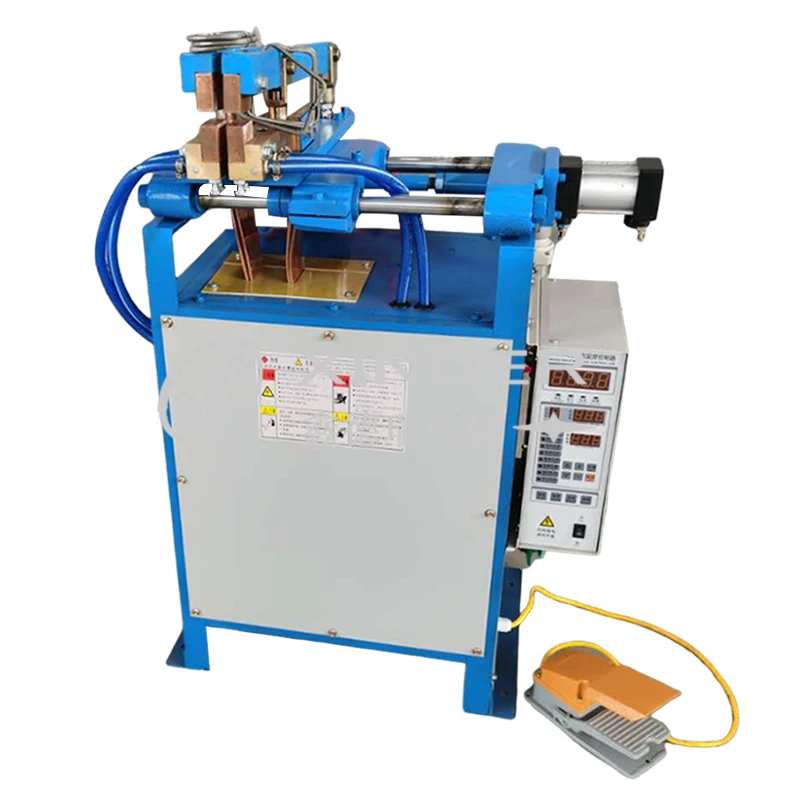 Pneumatic Handle Welding MachineSep . 13, 2024
 -
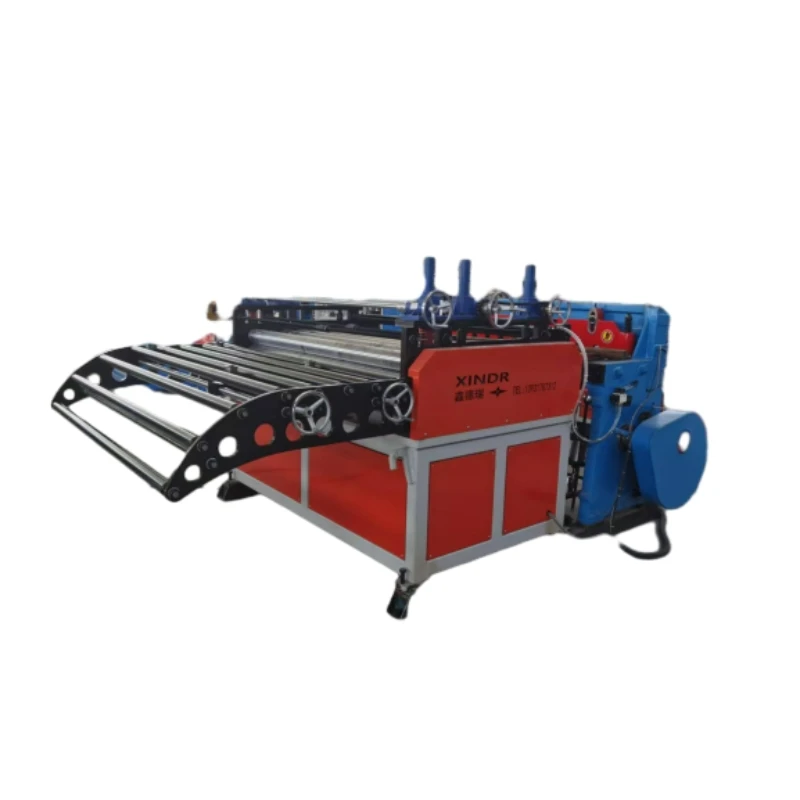 Fully Automatic Kaiping Production LineOct . 17, 2024
 -
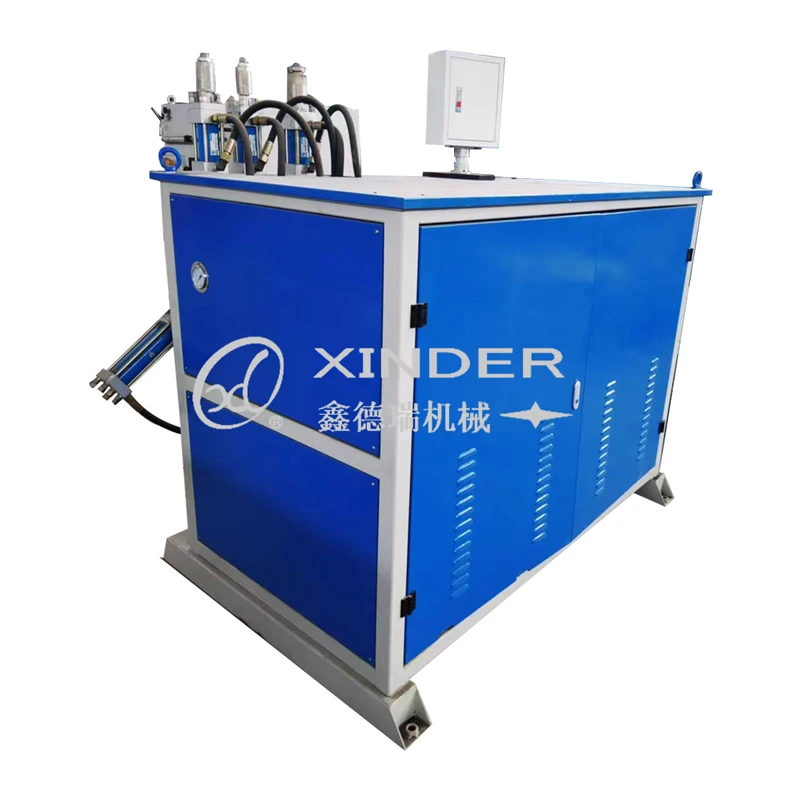 Fully Automatic Metal Bucket Lifting HeadphonesSep . 14, 2024