-
 8613931787312
 -
 Botou Industrial Zone on the east side of National Highway 104, Botou City, Hebei Province


Comprehensive Guide to Press Bending Machine Price and Purchasing Considerations
Press Bending Machine Price: A Comprehensive Guide
When considering metal fabrication, a press bending machine is an essential investment. Understanding the press bending machine price, available types, and factors influencing cost is crucial for making an informed decision. This article will provide a detailed overview of press brakes, their pricing, and what to consider when purchasing one. Investing in the right press brake can significantly enhance your fabrication capabilities and improve efficiency. We’ll explore the various factors that influence the cost and guide you toward finding the best solution for your needs.
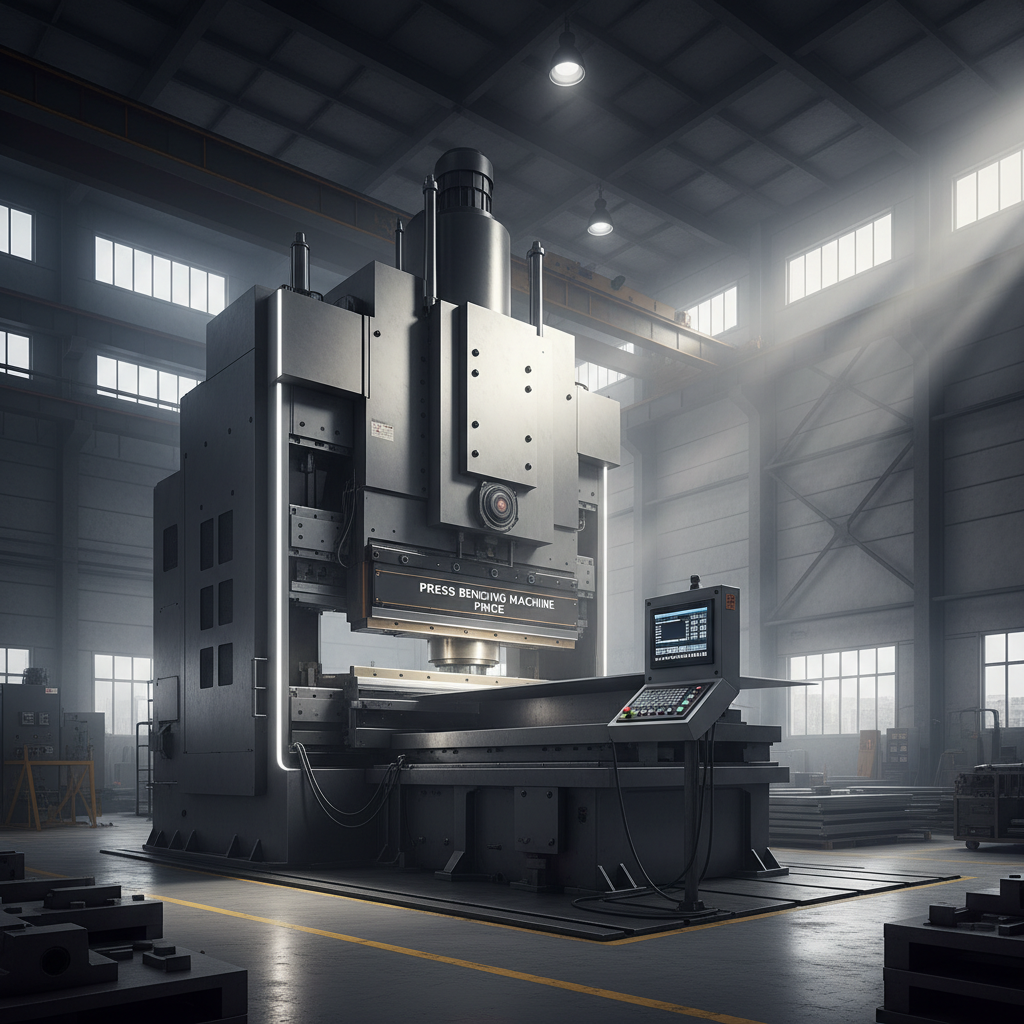
Understanding Press Bending Machines
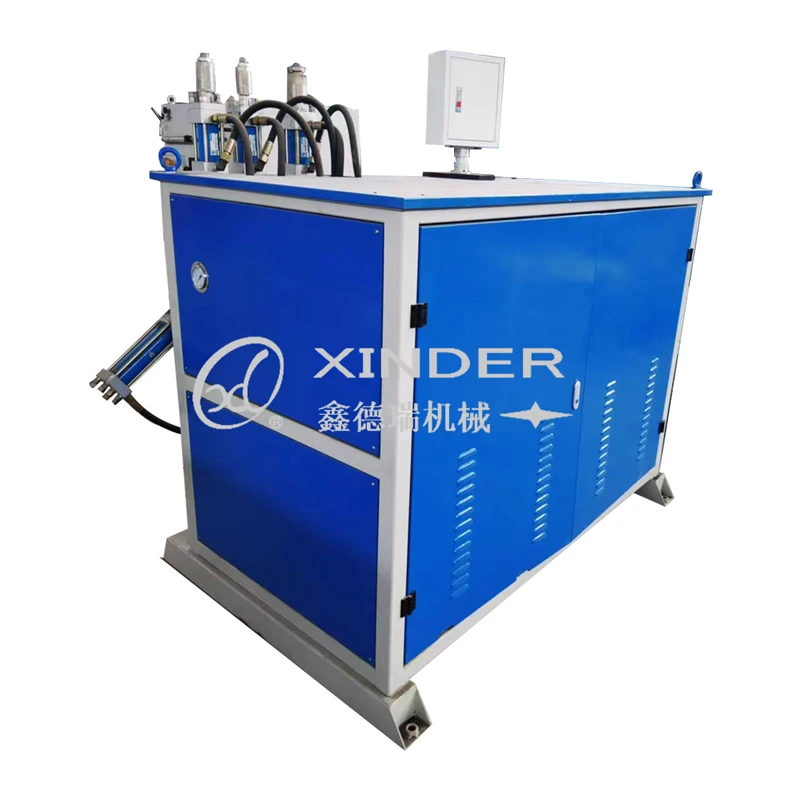
A press bending machine, also known as a press brake, is a metalworking machine used for bending sheet metal. It applies force to a sheet metal workpiece clamped between a matching upper and lower tool. These machines are available in various types, each suited for different applications. Hydraulic press brakes are popular for their power and precision, while mechanical press brakes offer high speed for repetitive tasks. Electric press brakes are becoming increasingly common due to their energy efficiency and quiet operation. Choosing the right type depends on the materials you’ll be bending, the complexity of the bends, and your production volume.
Key Types of Press Brakes: Hydraulic, Mechanical, Electric, Pneumatic. Each type offers distinct advantages regarding speed, precision, and cost.
Factors Influencing Press Bending Machine Price
Several factors significantly impact the press bending machine price. The machine’s capacity, measured in tons, is a primary determinant. Larger capacity machines, capable of bending thicker and wider materials, command higher prices. The control system also plays a crucial role; CNC (Computer Numerical Control) press brakes are significantly more expensive than manually operated machines due to their automated precision and programmability. Additionally, the brand reputation, machine features (like back gauge systems and servo motors), and included accessories all contribute to the overall cost. Machine size and whether it's a standard model or customized solution also affect the price.
Key Price Influencers:
• Capacity (Tonnage)
• Control System (CNC vs. Manual)
• Brand Reputation
• Additional Features & Accessories
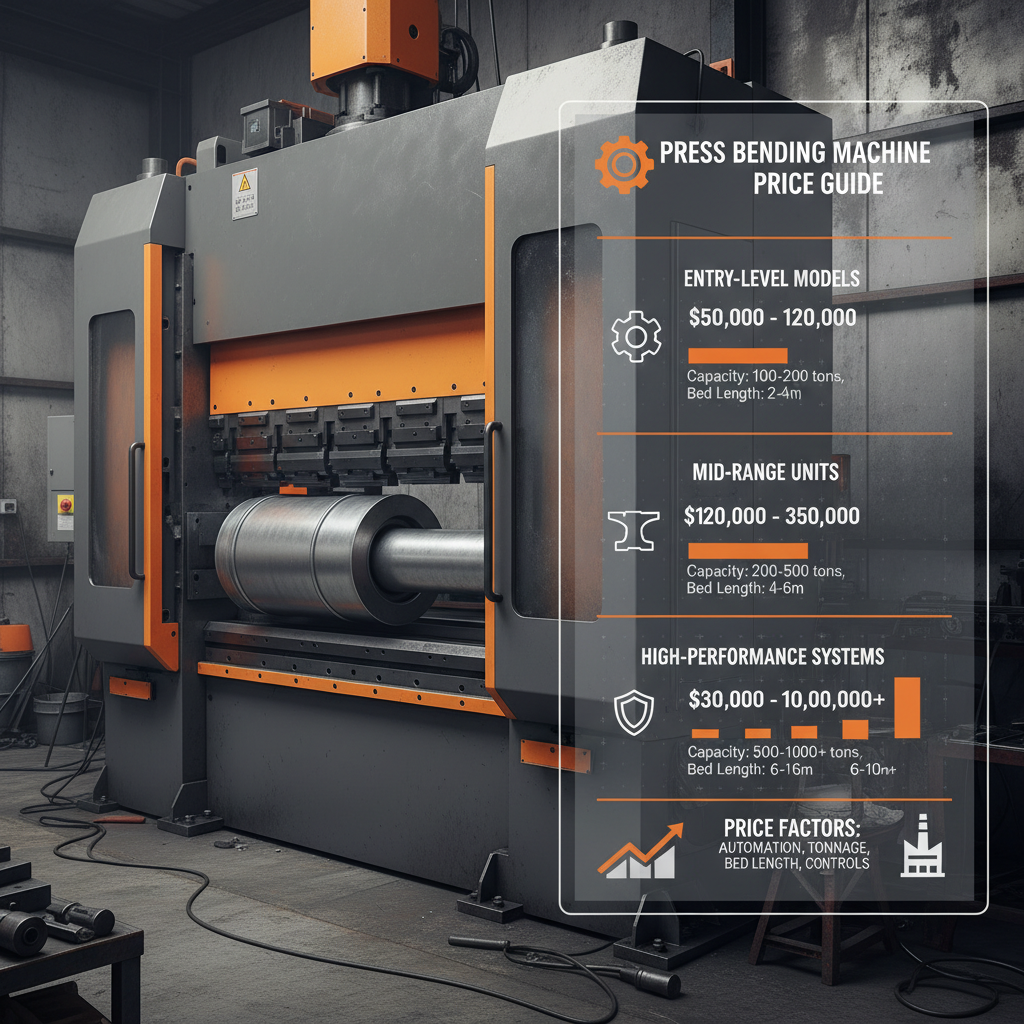
Average Press Bending Machine Price Ranges
The press bending machine price can vary widely based on the factors discussed above. Here’s a general overview of price ranges:
Choosing the Right Press Brake: Key Considerations
Beyond the initial press bending machine price, consider long-term costs like maintenance, tooling, and energy consumption. Evaluate your production volume and material types to determine the appropriate capacity and control system. Prioritize reputable manufacturers known for quality and reliability. Don't forget to factor in the cost of training and potential software updates for CNC machines. Carefully assessing your needs and budget will ensure you select a press brake that delivers optimal performance and value.
Conclusion: Investing in Quality and Efficiency
Investing in a press bending machine is a significant decision. Understanding the various factors influencing the press bending machine price, carefully evaluating your needs, and choosing a reliable supplier like XDR Machinery will ensure a successful investment that enhances your fabrication capabilities and boosts your bottom line. Don't hesitate to contact us at XDR Machinery for a personalized quote and expert advice.
Frequently Asked Questions (FAQs)
What is the typical lead time for a new press bending machine?
The lead time can vary depending on the machine's complexity and customization level. Standard models generally have a lead time of 4-8 weeks, while customized machines can take 8-16 weeks or longer. Factors such as manufacturing capacity, component availability, and shipping distances can also affect the lead time. It’s crucial to discuss lead times with the supplier during the quotation process to align with your project timeline.
What kind of maintenance is required for a press bending machine?
Regular maintenance is essential for ensuring the longevity and performance of your press brake. This includes lubricating moving parts, inspecting hydraulic systems for leaks, checking and adjusting the ram alignment, and cleaning the machine regularly. For CNC machines, software updates and calibration checks are also necessary. Following the manufacturer’s recommended maintenance schedule will help prevent breakdowns and costly repairs.
Does XDR Machinery offer installation and training services?
Yes, XDR Machinery provides comprehensive installation and training services to ensure a smooth setup and operation of your new press brake. Our experienced technicians will install the machine at your facility and provide thorough training to your operators. We also offer ongoing technical support and maintenance services to address any issues that may arise. Contact us today for details.
-
Guide to Spartan Steel Bending Machine Price and Cost FactorsNewsApr.16,2026
-
Analyzing the Spartan Bending Machine Price and Buyer GuideNewsApr.09,2026
-
Understanding Small Bending Machine Price and Choosing the Right OptionNewsApr.07,2026
-
Comprehensive Guide to Sheet Metal Bending Machine Price and SelectionNewsApr.04,2026
-
Comprehensive Guide to Roofing Sheet Bending Machine Price and SelectionNewsMar.31,2026
-
Comprehensive Guide to Profile Bending Machine Price and SelectionNewsMar.28,2026
-
Comprehensive Guide to Plate Bending Machine Price and Optimal SelectionNewsMar.24,2026
-
 Pneumatic Handle Welding MachineSep . 13, 2024
 -
 Fully Automatic Kaiping Production LineOct . 17, 2024
 -
 Fully Automatic Metal Bucket Lifting HeadphonesSep . 14, 2024