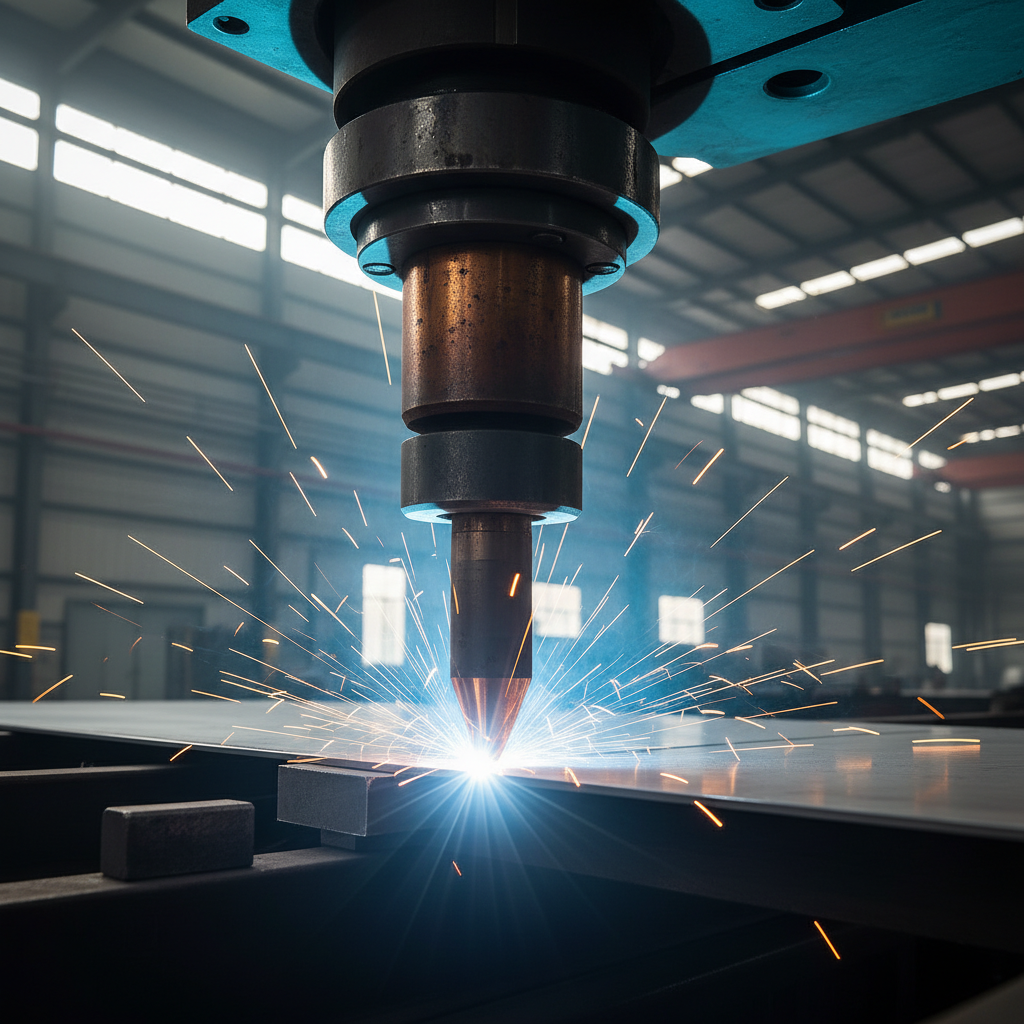
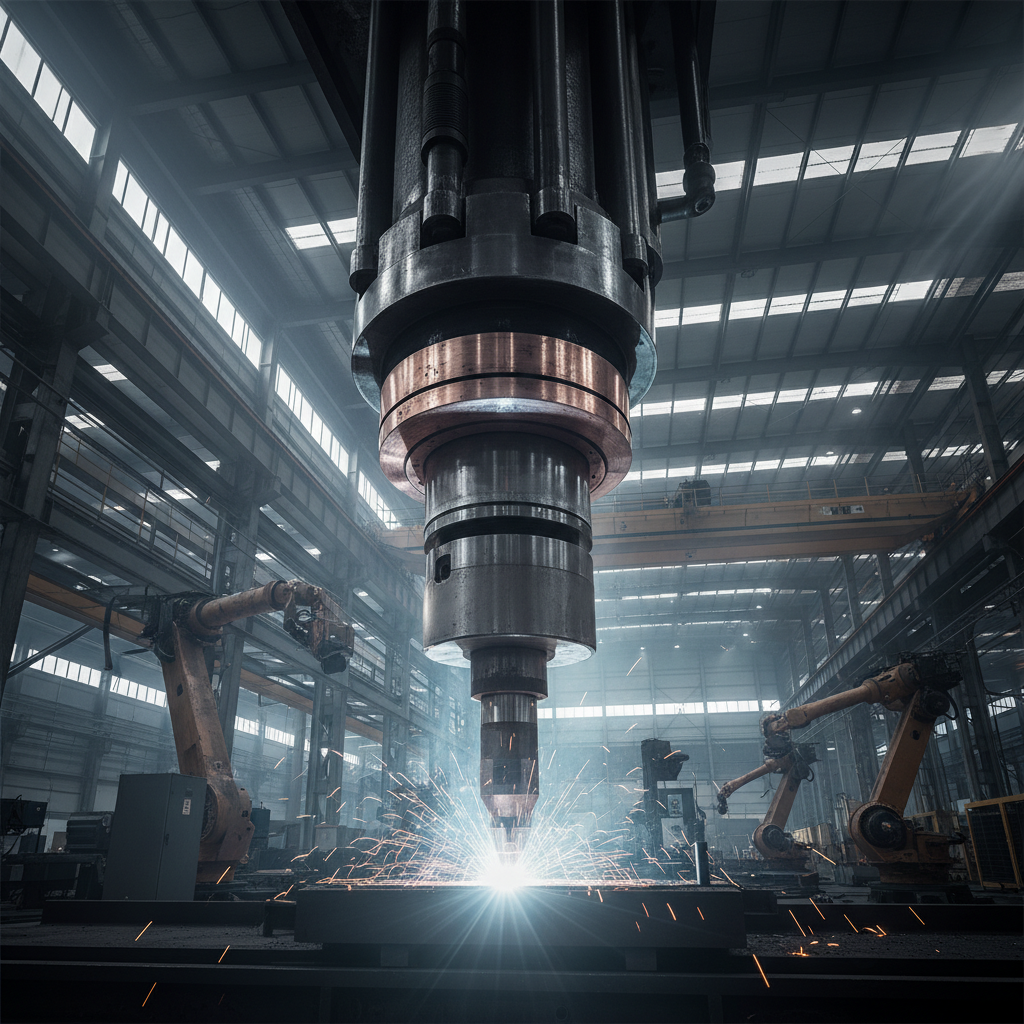
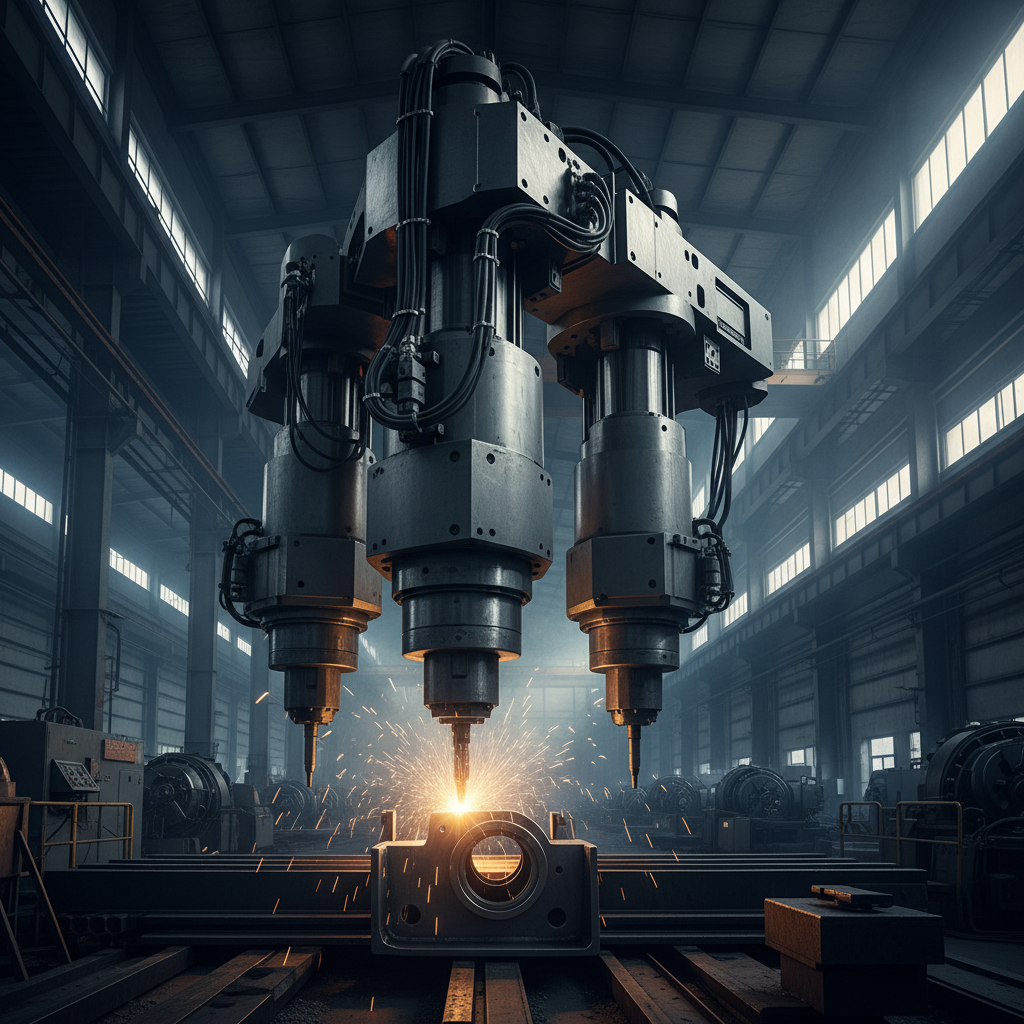
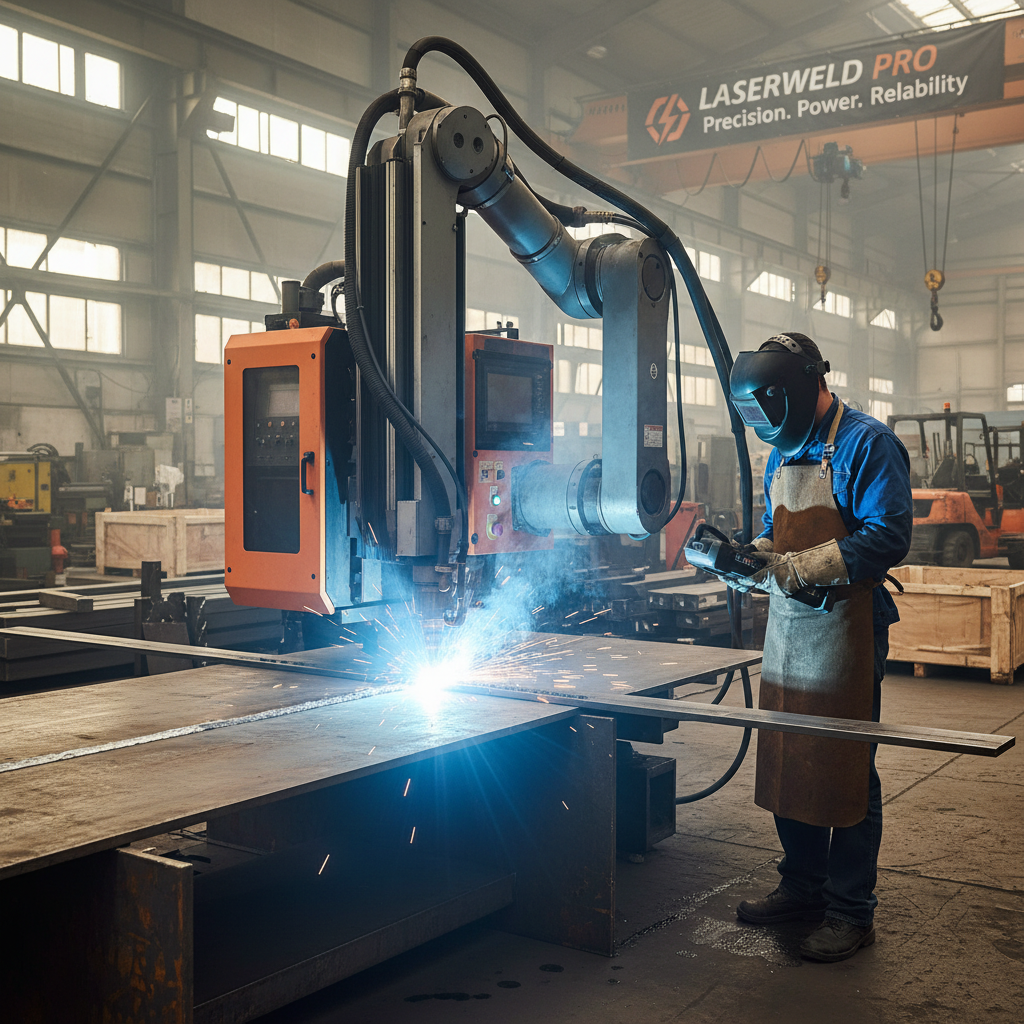
Spot welding machine electrodes are critical components in a vast range of industrial applications, from automotive manufacturing and aerospace engineering to electronics assembly and medical device production. These electrodes, typically made of copper alloys, are responsible for delivering the precise current and pressure needed to create a strong, localized weld between two metal sheets. The quality and performance of a spot welding machine electrode directly impacts the integrity and reliability of the finished product, making its selection and maintenance paramount. Understanding the nuances of spot welding machine electrode materials, geometries, and wear characteristics is essential for maximizing weld quality, minimizing production costs, and ensuring worker safety.
The global demand for spot welding machine electrodes is closely tied to the growth of manufacturing industries worldwide. With increasing automation and the adoption of lightweight materials like aluminum and high-strength steel in automotive and aerospace, the need for advanced welding technologies and high-performance electrodes is steadily rising. According to the International Federation of Robotics (IFR), robot density in manufacturing continues to increase globally, driving the demand for automated welding solutions. This growth presents opportunities for innovation in electrode materials and designs, focusing on improved durability, conductivity, and resistance to wear.
The development and refinement of the spot welding machine electrode has been a key driver of progress in modern manufacturing. This seemingly simple component enables efficient and reliable joining of metal parts, crucial for mass production across various sectors. The economic impact of optimized electrode performance is substantial, reducing scrap rates, minimizing downtime, and enhancing overall productivity. As manufacturers strive for greater efficiency and sustainability, the importance of a robust and well-maintained spot welding machine electrode will only continue to grow.
Introduction to Spot Welding Machine Electrode
Spot welding machine electrodes are expendable parts, meaning they require periodic replacement due to wear and tear. This is a natural consequence of the intense heat and pressure involved in the welding process. Regular inspection and timely replacement of electrodes are crucial for maintaining consistent weld quality and preventing costly production delays. Selecting the right electrode material and geometry for a specific application, coupled with a proactive maintenance schedule, can significantly extend electrode life and reduce overall welding costs.
The market for spot welding machine electrode is segmented by material type (copper alloys, aluminum alloys, tungsten alloys), shape (dome, truncated cone, stepped), and application. Each segment caters to specific welding requirements and industrial needs. As manufacturing processes evolve, so too does the demand for specialized electrodes designed to handle new materials and welding techniques. Understanding these market trends is essential for manufacturers and suppliers alike.
Defining the Spot Welding Machine Electrode
A spot welding machine electrode is a conductive component used to focus electrical current and pressure onto a localized area of two or more metal sheets, creating a weld. It acts as an interface between the welding machine and the workpieces, delivering the energy necessary to fuse the metals together. The electrode doesn't melt during the process, but it does experience significant thermal and mechanical stress, leading to gradual wear.
The core function of the spot welding machine electrode is to provide a reliable and consistent pathway for electrical current, ensuring efficient energy transfer to the weld zone. The electrode’s shape and material properties influence the current density, heat distribution, and weld nugget size. Proper electrode design is critical for achieving optimal weld strength and preventing defects.
Beyond simply conducting electricity, the spot welding machine electrode plays a vital role in transferring compressive force to the workpieces. This force is essential for creating a solid-state weld by bringing the metal surfaces into intimate contact and facilitating atomic bonding. The combined effects of current and pressure determine the quality and reliability of the spot weld.
Key Factors Influencing Electrode Performance
Durability: The ability of an electrode to withstand repeated thermal cycles and mechanical stress without significant wear or deformation is crucial. Electrode life directly impacts production costs and downtime.
Conductivity: High electrical conductivity ensures efficient energy transfer to the weld zone, minimizing heat loss and maximizing weld quality. Copper alloys are commonly used for their excellent conductivity.
Thermal Conductivity: Effective heat dissipation helps prevent electrode overheating and prolongs its lifespan. Electrodes with good thermal conductivity maintain a more stable temperature during welding.
Hardness and Wear Resistance: Electrodes must be sufficiently hard to resist deformation from the welding pressure and abrasive wear from contact with the workpieces.
Corrosion Resistance: In certain environments, corrosion can degrade the electrode surface and reduce its conductivity. Selecting corrosion-resistant materials is essential in these cases.
Shape and Geometry: The electrode’s shape influences the current density distribution and weld nugget formation. Different shapes are suited for different materials and welding applications.
Global Applications and Industry Use Cases
Spot welding machine electrodes find widespread application across numerous industries. In the automotive sector, they are used extensively in the assembly of car bodies, chassis components, and interior parts. The aerospace industry utilizes spot welding for joining aluminum alloys in aircraft structures. The electronics industry employs spot welding for fabricating battery packs, electronic enclosures, and connecting wires.
The appliance manufacturing industry relies on spot welding for producing washing machines, refrigerators, and other household appliances. The metal furniture industry utilizes spot welding for joining frames, supports, and decorative elements. Furthermore, spot welding is vital in the production of HVAC systems, medical equipment, and railway components.
In regions with significant manufacturing output, such as China, Germany, the United States, and Japan, the demand for spot welding machine electrodes is particularly high. Developing economies with growing manufacturing sectors, like India and Brazil, are also experiencing increased demand. Post-disaster relief operations sometimes utilize rapid assembly techniques leveraging spot welding, and remote industrial zones often depend on reliable, portable spot welding solutions.
Spot Welding Machine Electrode Performance by Method
Advantages and Long-Term Value Proposition
Utilizing high-quality spot welding machine electrodes offers numerous advantages, including reduced production costs, improved weld quality, and increased efficiency. By minimizing electrode wear and downtime, manufacturers can significantly lower their overall welding expenses. The consistent weld quality achieved with well-maintained electrodes enhances product reliability and reduces scrap rates.
From a sustainability perspective, extending electrode life reduces the demand for raw materials and minimizes waste generation. Implementing a proactive electrode management program contributes to a more environmentally responsible manufacturing process. The resulting high-quality welds enhance product safety and longevity, providing long-term value for both manufacturers and end-users.
Future Trends and Innovations in Electrode Technology
Ongoing research and development efforts are focused on creating new electrode materials and designs that offer improved performance and durability. The exploration of advanced alloys, coatings, and surface treatments aims to enhance resistance to wear, corrosion, and thermal fatigue. The integration of sensors and data analytics into electrode monitoring systems enables predictive maintenance and optimization of welding parameters.
The development of smart electrodes that can communicate their wear status and performance characteristics to the welding machine is a promising area of innovation. This real-time feedback loop allows for automated adjustments to welding parameters, ensuring consistent weld quality and maximizing electrode life. The trend toward lightweight materials and high-strength alloys is driving the need for specialized electrodes capable of efficiently welding these challenging materials.
Challenges and Solutions in Electrode Management
One of the primary challenges in spot welding machine electrode management is accurately predicting electrode wear and scheduling timely replacements. Inconsistent welding parameters, improper electrode maintenance, and the use of abrasive materials can accelerate electrode wear. Implementing a standardized electrode inspection and replacement schedule, based on welding parameters and material types, is crucial for preventing unexpected downtime.
Another challenge is ensuring consistent electrode quality and preventing counterfeiting. Sourcing electrodes from reputable suppliers and verifying their material composition and manufacturing processes are essential. Utilizing automated electrode changers and monitoring systems can further streamline the electrode management process and reduce the risk of human error.
Optimizing electrode cooling is critical for prolonging electrode life and maintaining weld quality. Implementing effective cooling systems, such as water cooling or forced air cooling, can significantly reduce electrode temperature and prevent thermal fatigue. Regular cleaning of electrodes to remove contaminants and debris is also essential for maintaining optimal performance.
Summary of Factors Influencing Spot Welding Machine Electrode Performance
| Material Composition |
Electrode Geometry |
Welding Parameters |
Maintenance Practices |
| Copper alloys (high conductivity, wear resistance) |
Dome, truncated cone, stepped (influence current density) |
Current, pressure, weld time (affect weld quality & electrode wear) |
Regular cleaning, inspection, timely replacement |
| Aluminum alloys (lightweight applications) |
Specific designs for aluminum welding (minimize sticking) |
Optimized for aluminum’s properties (lower conductivity) |
Preventing aluminum oxide buildup |
| Tungsten alloys (high wear resistance) |
Used for high-volume, abrasive applications |
Requires higher current and pressure settings |
Careful monitoring for cracks and damage |
| Materials with surface coatings (enhanced durability) |
Coatings tailored to specific welding environments |
Adjusted to optimize coating performance |
Protecting coating integrity during cleaning |
| Consistent alloy quality from suppliers |
Precise electrode dimensions and tolerances |
Automated parameter control systems |
Documented electrode usage and replacement records |
| Research into novel electrode materials |
Development of adaptive electrode geometries |
AI-driven parameter optimization |
Predictive maintenance based on sensor data |
FAQS
The lifespan of a spot welding machine electrode varies significantly based on several factors, including the material being welded, the electrode material, welding current, pressure, and the frequency of use. Generally, copper alloy electrodes can last from a few thousand to tens of thousands of welds. Regular inspection for mushrooming, pitting, and cracking is critical to determine when replacement is necessary. Proper maintenance, such as cleaning and cooling, can extend electrode life.
Selecting the appropriate electrode involves considering the material thickness, material type (steel, aluminum, etc.), welding current requirements, and desired weld quality. Copper alloys are commonly used for steel welding, while specialized alloys are necessary for aluminum and other materials. The electrode geometry (dome, truncated cone, etc.) should also be chosen based on the application. Consulting with a welding expert or electrode supplier is recommended for complex applications.
Mushrooming, the buildup of material on the electrode face, is caused by the melting and resolidification of the electrode material due to intense heat during welding. This occurs when the electrode doesn’t effectively dissipate heat. Factors contributing to mushrooming include excessive welding current, insufficient cooling, and prolonged use without cleaning. Regular cleaning and proper cooling are essential to prevent mushrooming.
Electrode cleaning frequency depends on the application and the amount of spatter buildup. As a general guideline, electrodes should be cleaned every 500-1000 welds, or more frequently if significant spatter is observed. Cleaning removes conductive contaminants and prevents overheating. Use a dedicated electrode cleaning tool and avoid abrasive methods that can damage the electrode surface.
Always wear appropriate personal protective equipment (PPE), including welding gloves and eye protection, when handling spot welding machine electrodes. Ensure the welding machine is de-energized before performing any maintenance or electrode changes. Avoid touching the electrode surface directly, as it can be hot. Dispose of used electrodes properly, following local regulations.
Automatic electrode changers streamline the electrode replacement process, reducing downtime and improving production efficiency. They minimize operator intervention, ensuring consistent electrode alignment and contact pressure. This leads to more stable weld quality and reduces the risk of errors. Automatic changers are particularly beneficial in high-volume production environments.
Conclusion
In conclusion, the spot welding machine electrode, though a relatively small component, is integral to the success of countless manufacturing processes. Understanding its materials, performance factors, and proper management is essential for achieving high-quality welds, minimizing production costs, and ensuring workplace safety. From automotive and aerospace to electronics and appliance manufacturing, the demand for optimized electrode technology will continue to grow.
Looking ahead, innovation in electrode materials and design, coupled with the integration of smart technologies, will further enhance the efficiency and reliability of spot welding processes. Embracing predictive maintenance strategies, investing in high-quality electrodes, and prioritizing operator training will be key to unlocking the full potential of this vital component. Visit our website at www.xdrmachinery.com to learn more about our range of spot welding machine electrodes and related solutions.
 8613931787312
  Botou Industrial Zone on the east side of National Highway 104, Botou City, Hebei Province