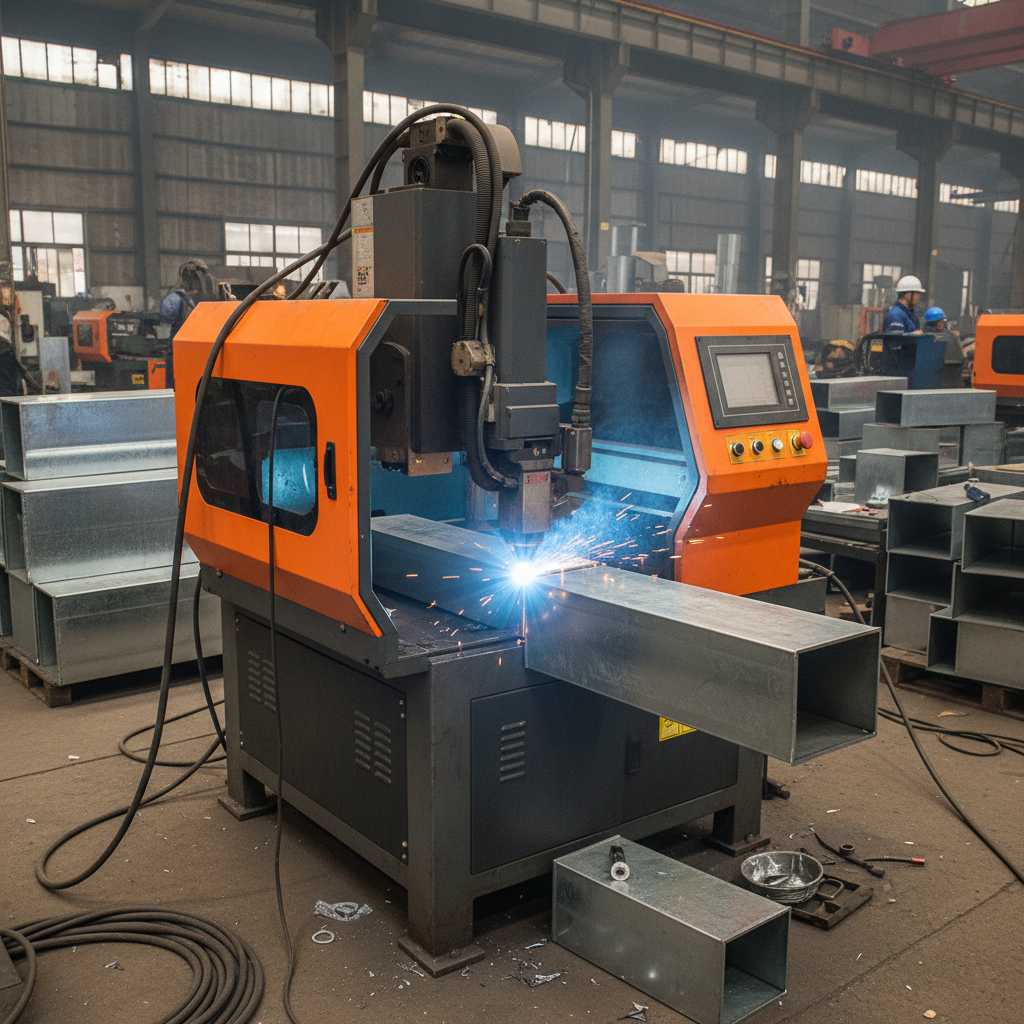
Flash welding machine technology represents a critical advancement in modern manufacturing and fabrication. Its ability to create strong, reliable joints rapidly and efficiently makes it indispensable across a diverse range of industries, from automotive and aerospace to shipbuilding and construction. Understanding the principles and applications of flash welding machines is paramount for engineers, technicians, and professionals seeking to optimize production processes and ensure product integrity.
Globally, the demand for high-quality welding solutions is driven by infrastructure development, increasing manufacturing output, and stringent safety regulations. The flash welding machine, with its precise control and automated capabilities, addresses these needs by delivering consistent weld quality and minimizing material waste. Its adaptability to various metal types and thicknesses further enhances its versatility and economic viability.
The widespread adoption of flash welding machine is fueled by the pursuit of enhanced productivity, reduced labor costs, and improved weld performance. As industries continue to embrace automation and strive for sustainable manufacturing practices, flash welding machine will play an increasingly vital role in shaping the future of fabrication.
The Core Principles of flash welding machine
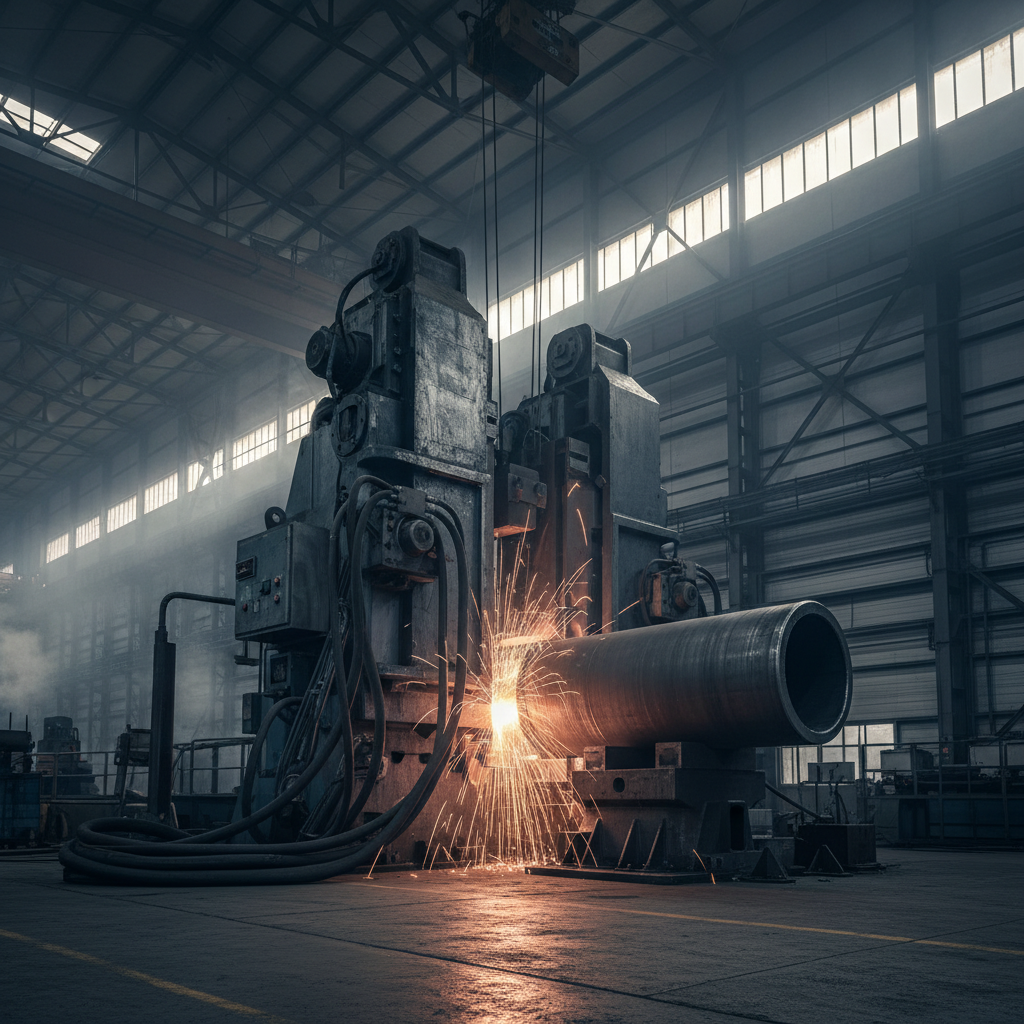
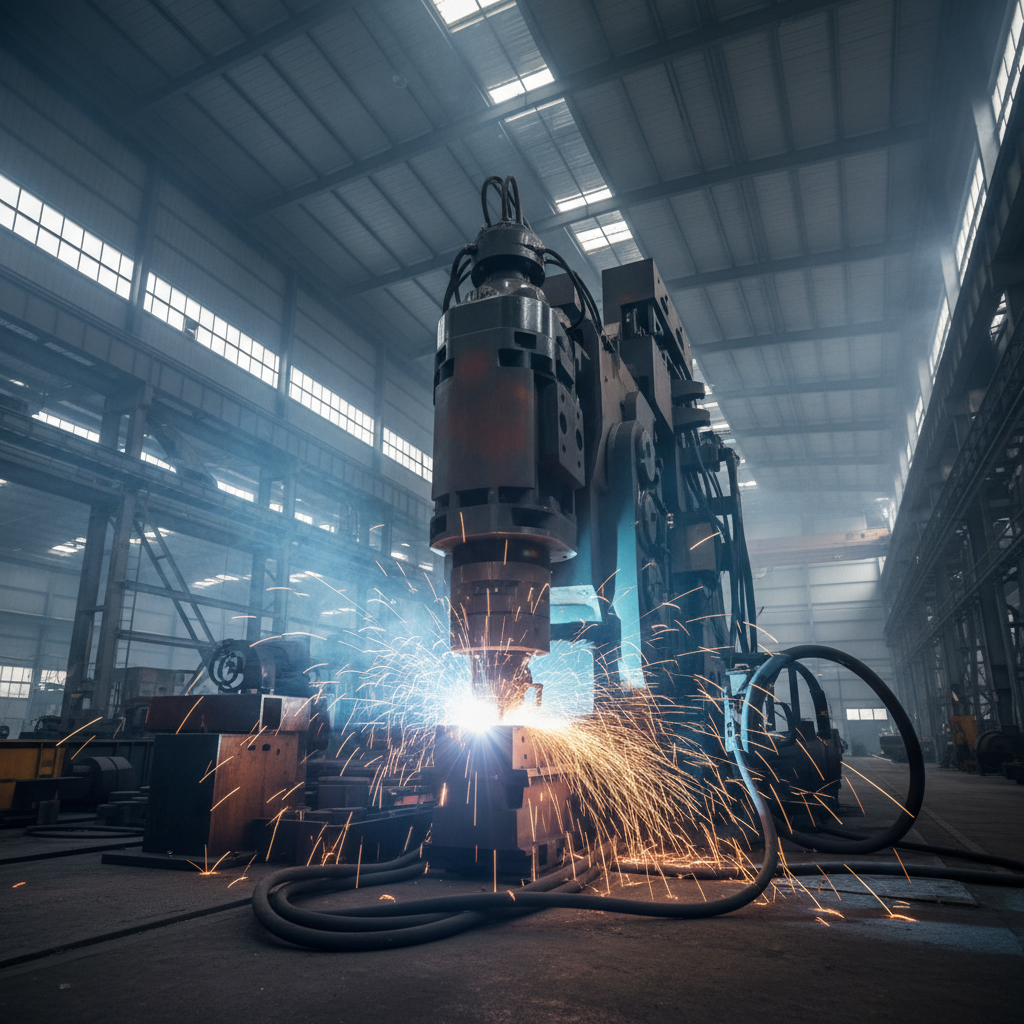
At its core, a flash welding machine operates by bringing two metal surfaces into close contact under high pressure, followed by a controlled electrical discharge that creates intense heat. This heat melts the metal at the joint interface, forming a molten pool that, upon cooling, solidifies into a strong and durable weld. This process is particularly effective for joining metals of similar composition.
The precise control of current, pressure, and timing are crucial to achieving optimal weld quality. Advanced flash welding machines incorporate sophisticated monitoring systems to regulate these parameters, ensuring consistent and repeatable results. This level of control minimizes defects and maximizes the structural integrity of the welded joint.
The Global Impact of flash welding machine
The global market for flash welding machine is experiencing significant growth, driven by increasing demand from key industries such as automotive, aerospace, and infrastructure development. Regions with rapidly expanding economies, such as Asia-Pacific, are particularly prominent in driving this demand. According to industry reports, the global welding equipment market is projected to reach billions of dollars in the coming years, with flash welding machine representing a substantial portion of this growth.
The need for efficient and reliable joining solutions is paramount in these sectors, as manufacturers strive to improve productivity, reduce costs, and enhance product quality. Flash welding machine addresses these challenges by offering a high-speed, automated welding process that minimizes material waste and ensures consistent weld performance. The rising demand for electric vehicles, in particular, is boosting the demand for flash welding machine due to its suitability for joining battery components.
Furthermore, the adoption of flash welding machine is supported by growing awareness of its environmental benefits, such as reduced energy consumption and lower emissions compared to traditional welding methods. This aligns with the global trend towards sustainable manufacturing practices and the increasing emphasis on environmental responsibility.
Defining flash welding machine: A Technical Overview
A flash welding machine is an automated welding system that utilizes a controlled electrical current to create a weld between two metal workpieces. Unlike other welding techniques, flash welding doesn't require filler metal. It joins the materials by first contacting them under pressure, then applying a brief, high-current pulse - the “flash” - that heats and melts the joining surfaces. This molten metal, upon cooling, forms a solid, high-strength weld.
The process is ideally suited for joining similar metals and is frequently used in the production of pipes, tubes, and structural components. Modern flash welding machines feature sophisticated controls allowing precise regulation of welding parameters like current intensity, weld time, and applied pressure. These parameters are critical for achieving optimal weld quality and consistency, and are often tailored to the specific material being joined.
The connection of flash welding machine with modern industry stems from its capacity for high-speed, automated production. In humanitarian needs, precise and reliable metal joining offered by flash welding machine is essential in creating durable structures or medical equipment in disaster relief or remote healthcare settings.
Key Components and Operational Factors of flash welding machine
Several key components contribute to the functionality of a flash welding machine. The primary components include the power supply, welding electrodes, pressure system, and control system. The power supply delivers the high-current electrical pulse needed to create the weld. The electrodes apply the current and maintain the pressure on the workpieces. The pressure system ensures intimate contact between the surfaces, and the control system regulates the entire process.
Operational factors such as surface preparation, material composition, and welding parameters greatly influence the weld quality. Clean, oxide-free surfaces are essential for a strong weld. The type of metal being joined dictates the appropriate welding current and pressure. Optimizing these factors is key to achieving a reliable and durable joint.
Flash Welding Machine Performance Metrics
Diverse Applications of flash welding machine Worldwide
Flash welding machine finds extensive application in the automotive industry, particularly in the production of drive shafts, axles, and structural components. The aerospace sector utilizes it for joining critical parts of aircraft, ensuring high strength and reliability. The shipbuilding industry leverages flash welding machine for fabricating large-scale steel structures.
In post-disaster relief operations, portable flash welding machine can be deployed to quickly repair damaged infrastructure and create temporary shelters. In remote industrial zones, where access to skilled welders is limited, automated flash welding machine offer a viable solution for on-site fabrication and repair. Its applications also span to the manufacturing of pipelines, handrails, and various metal products.
The Advantages and Long-Term Value of flash welding machine
The advantages of using a flash welding machine are manifold. Cost-effectiveness is achieved through reduced material waste, faster welding speeds, and lower labor costs. Sustainability is enhanced by minimizing energy consumption and emissions. Social impact is positive through improved worker safety and the creation of high-quality products. Reliability is ensured by consistent weld performance and durable joints.
The long-term value of investing in flash welding machine technology lies in its ability to drive innovation, build trust with customers, and establish a competitive advantage in the marketplace. The precision and control offered by these machines contribute to the production of superior products that meet the highest industry standards, fostering both customer satisfaction and brand reputation.
Future Trends and Innovations in flash welding machine Technology
The future of flash welding machine is poised for significant advancements. Emerging trends include the integration of artificial intelligence (AI) for real-time process optimization and defect detection. The development of new materials and welding techniques will expand the range of applications. Digital twin technology will enable virtual simulations to fine-tune welding parameters before physical production.
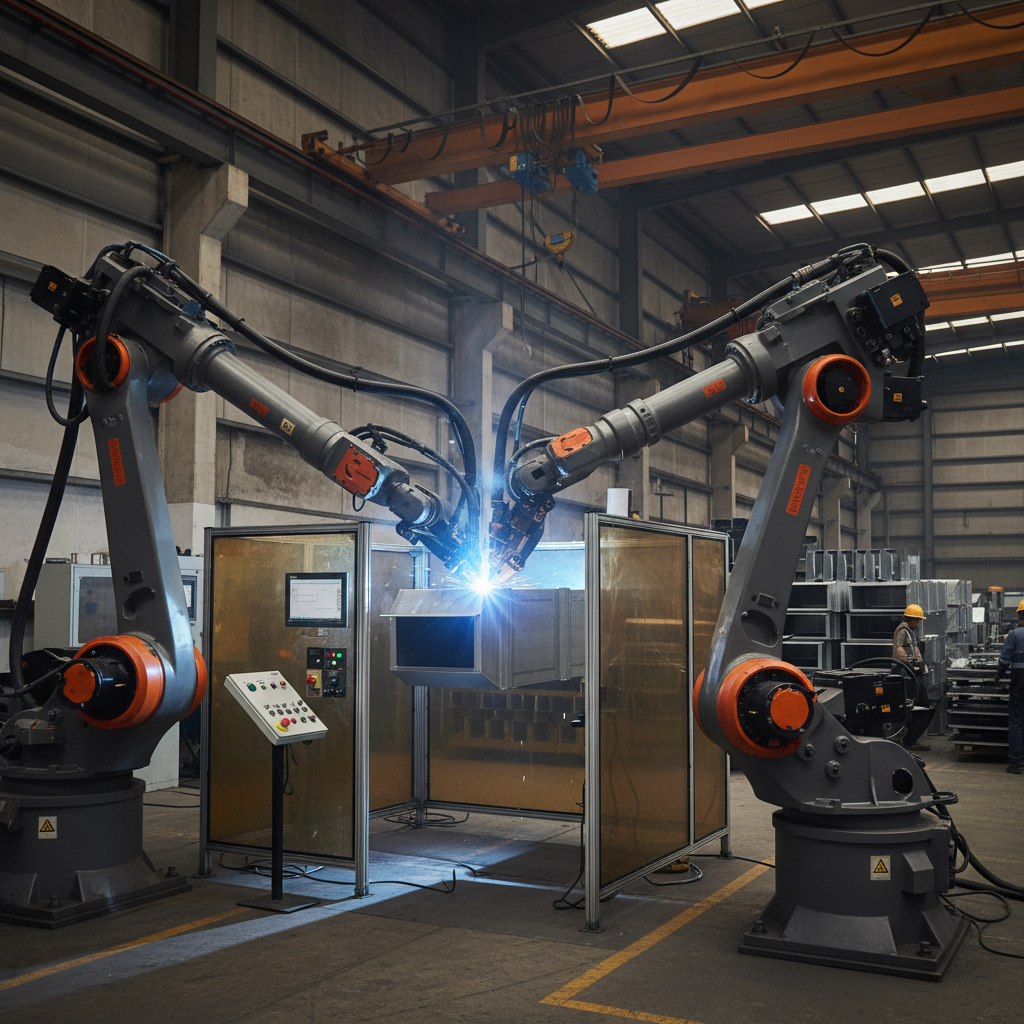
Automation and robotics are expected to play an increasingly prominent role, leading to fully automated welding cells capable of handling complex geometries and high-volume production. Sustainability initiatives will drive the development of energy-efficient welding processes and the use of environmentally friendly materials. The incorporation of green energy sources to power flash welding machine will further reduce their carbon footprint.
Furthermore, the adoption of Industry 4.0 principles, such as data analytics and cloud connectivity, will enable predictive maintenance, remote monitoring, and improved overall process control for flash welding machine.
Key Performance Indicators for Flash Welding Machine Technology
| Weld Strength (MPa) |
Cycle Time (Seconds) |
Defect Rate (%) |
Energy Consumption (kWh) |
| 650 |
3.5 |
0.5 |
1.2 |
| 700 |
4.0 |
0.3 |
1.5 |
| 600 |
3.0 |
1.0 |
1.0 |
| 750 |
4.5 |
0.2 |
1.8 |
| 680 |
3.8 |
0.6 |
1.3 |
| 720 |
4.2 |
0.4 |
1.6 |
FAQS
Flash welding machine is exceptionally well-suited for joining similar metals, particularly steel, stainless steel, and certain aluminum alloys. The process excels at creating robust welds between these materials due to their comparable thermal properties and melting points. While dissimilar metal welding is possible, careful consideration must be given to material compatibility and weld parameter optimization to avoid issues like brittle intermetallic formation. Proper surface preparation and control of welding parameters are crucial for achieving successful welds.
The lifespan of a flash welding machine largely depends on usage intensity, maintenance practices, and the quality of the original components. A well-maintained machine can reliably operate for 10-15 years or even longer. Regular inspections, lubrication, and timely replacement of wear parts, such as electrodes and transformers, are crucial for extending its service life. Investing in a machine from a reputable manufacturer known for durable construction and reliable components is also key to maximizing its lifespan.
Compared to some traditional welding methods like TIG or MIG, flash welding machine can offer significant cost savings, particularly in high-volume production. While the initial investment in a flash welding machine may be higher, reduced material waste (no filler metal needed), faster welding speeds, and lower labor costs contribute to a lower overall cost per weld. However, the cost-effectiveness depends on the specific application and production volume. For low-volume or highly complex welds, other methods might be more suitable.
Operating a flash welding machine requires strict adherence to safety protocols. Personnel must wear appropriate personal protective equipment (PPE), including welding helmets with auto-darkening filters, gloves, and protective clothing, to shield against intense light, heat, and potential sparks. Adequate ventilation is essential to remove fumes and gases. Regular machine inspections and maintenance are crucial to prevent malfunctions and ensure safe operation. Training on proper machine operation and safety procedures is mandatory for all operators.
Absolutely. Flash welding machine is exceptionally well-suited for integration into automated production lines. Its precise control and repeatability make it ideal for robotic welding applications. Automated systems can significantly increase throughput, reduce labor costs, and improve weld consistency. Integrating flash welding machine with programmable logic controllers (PLCs) and other automation components enables seamless operation within a larger manufacturing process.
Regular maintenance is crucial for ensuring the longevity and optimal performance of a flash welding machine. Key maintenance tasks include cleaning electrodes, lubricating moving parts, inspecting and replacing worn components (transformers, cables, pressure cylinders), and checking electrical connections. Periodic calibration of the machine's controls is also essential for maintaining weld accuracy. Following the manufacturer's recommended maintenance schedule is highly advised.
Conclusion
In conclusion, flash welding machine stands as a cornerstone of modern metal fabrication, offering a potent combination of speed, efficiency, and reliability. Its ability to create strong, consistent welds with minimal material waste makes it a valuable asset across diverse industries, from automotive and aerospace to construction and infrastructure. Understanding its principles and applications is paramount for professionals seeking to optimize manufacturing processes and enhance product quality.
Looking ahead, advancements in automation, AI integration, and sustainable technologies will continue to shape the future of flash welding machine. Embracing these innovations will unlock new levels of productivity, precision, and environmental responsibility. We encourage you to explore the potential of flash welding machine to elevate your fabrication processes and achieve lasting success. Visit our website: www.xdrmachinery.com
 8613931787312
  Botou Industrial Zone on the east side of National Highway 104, Botou City, Hebei Province