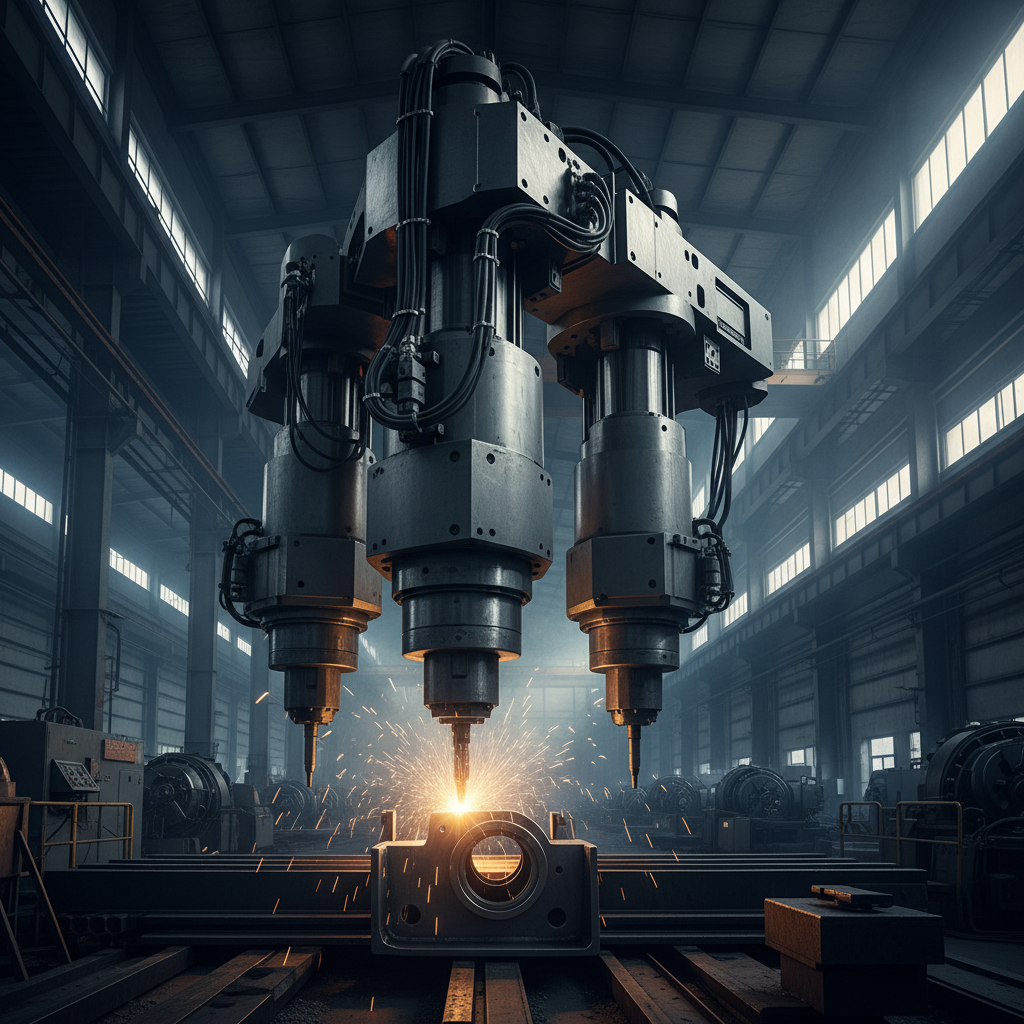
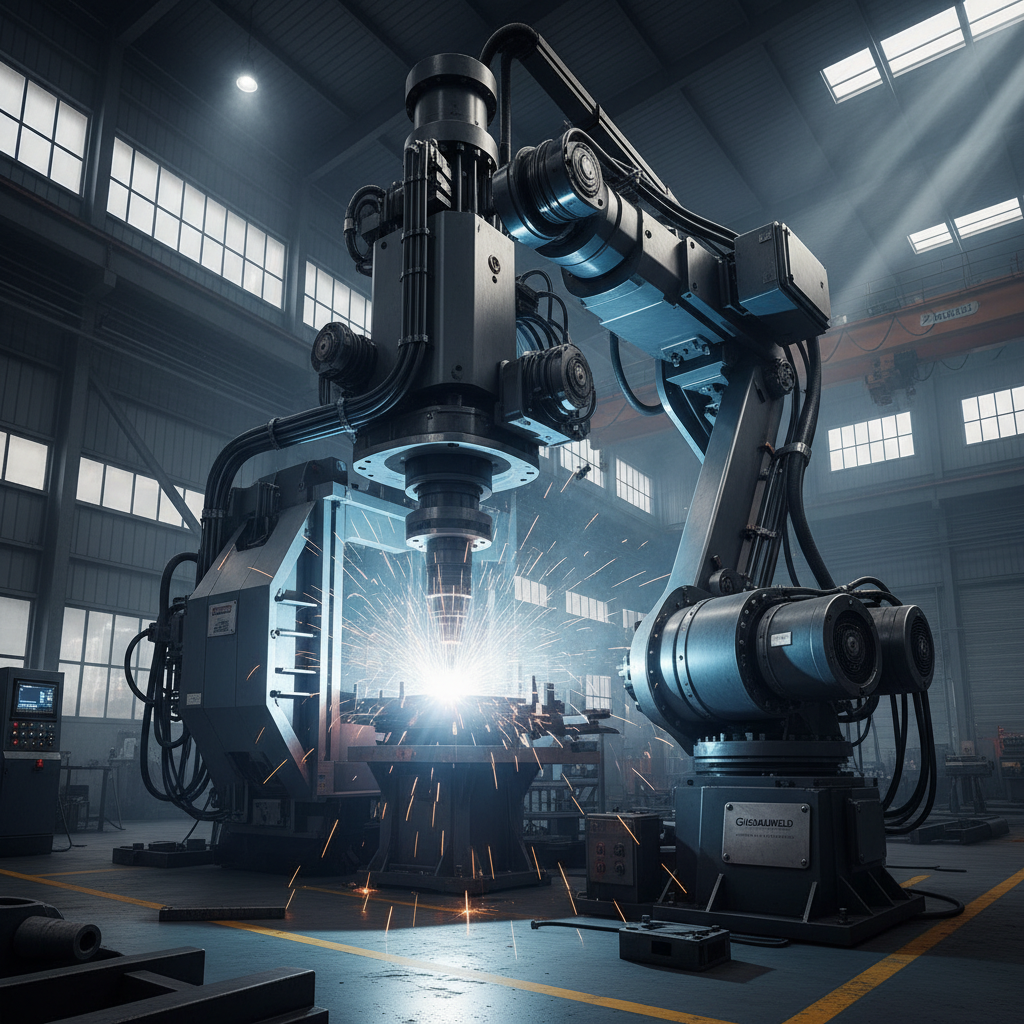
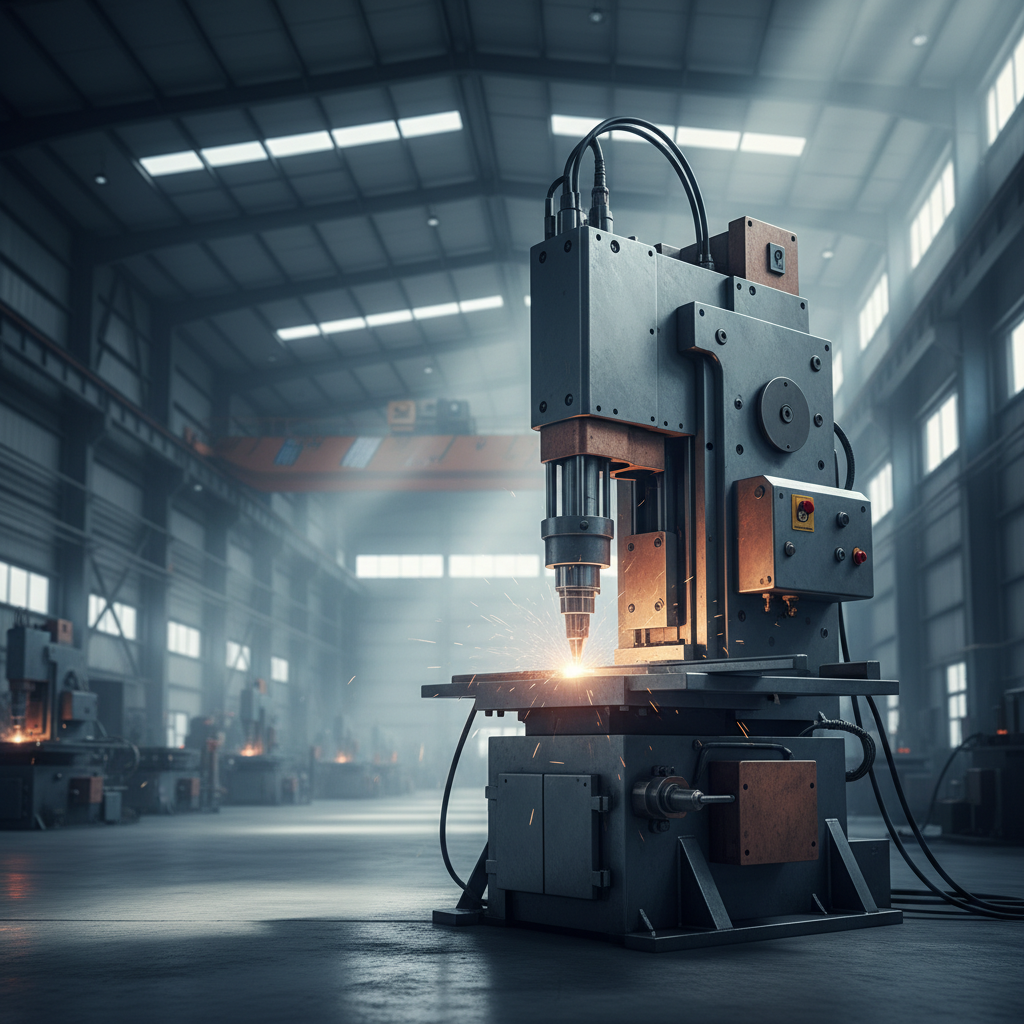
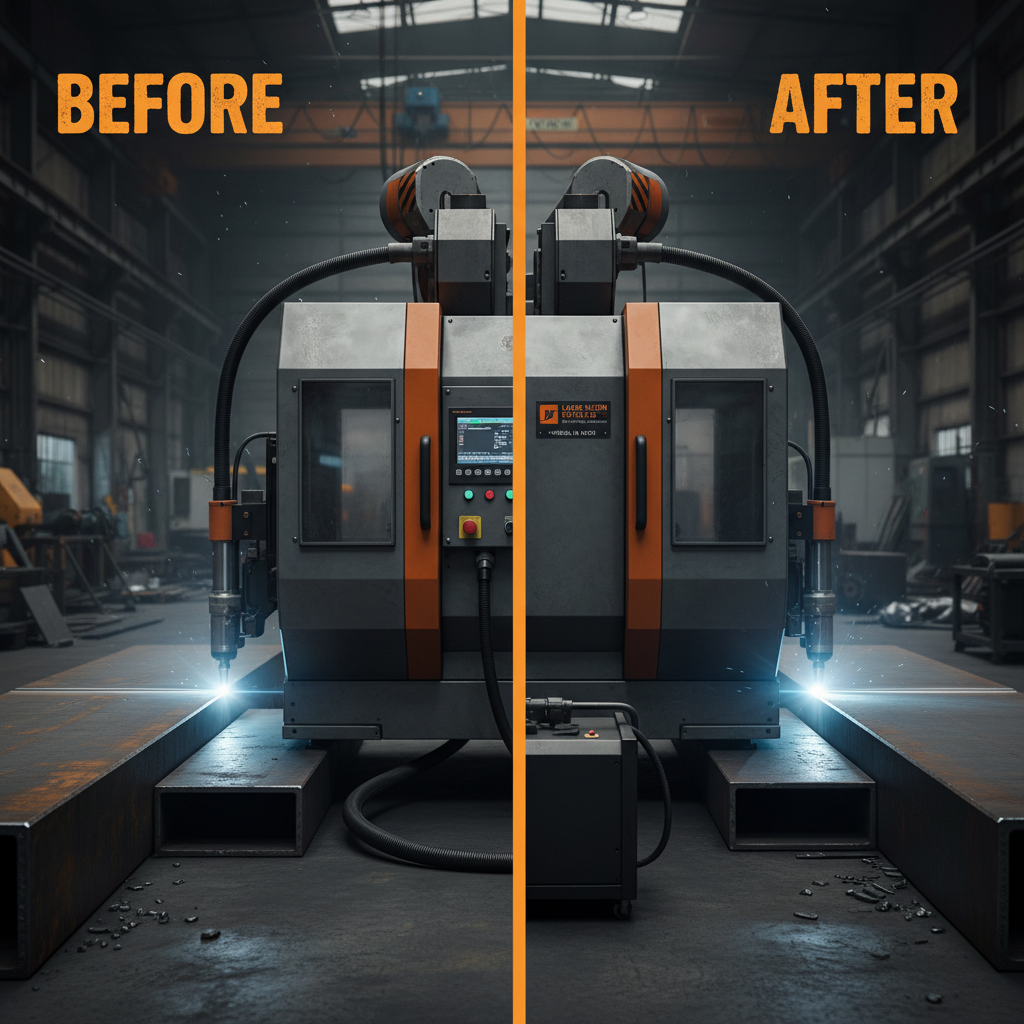
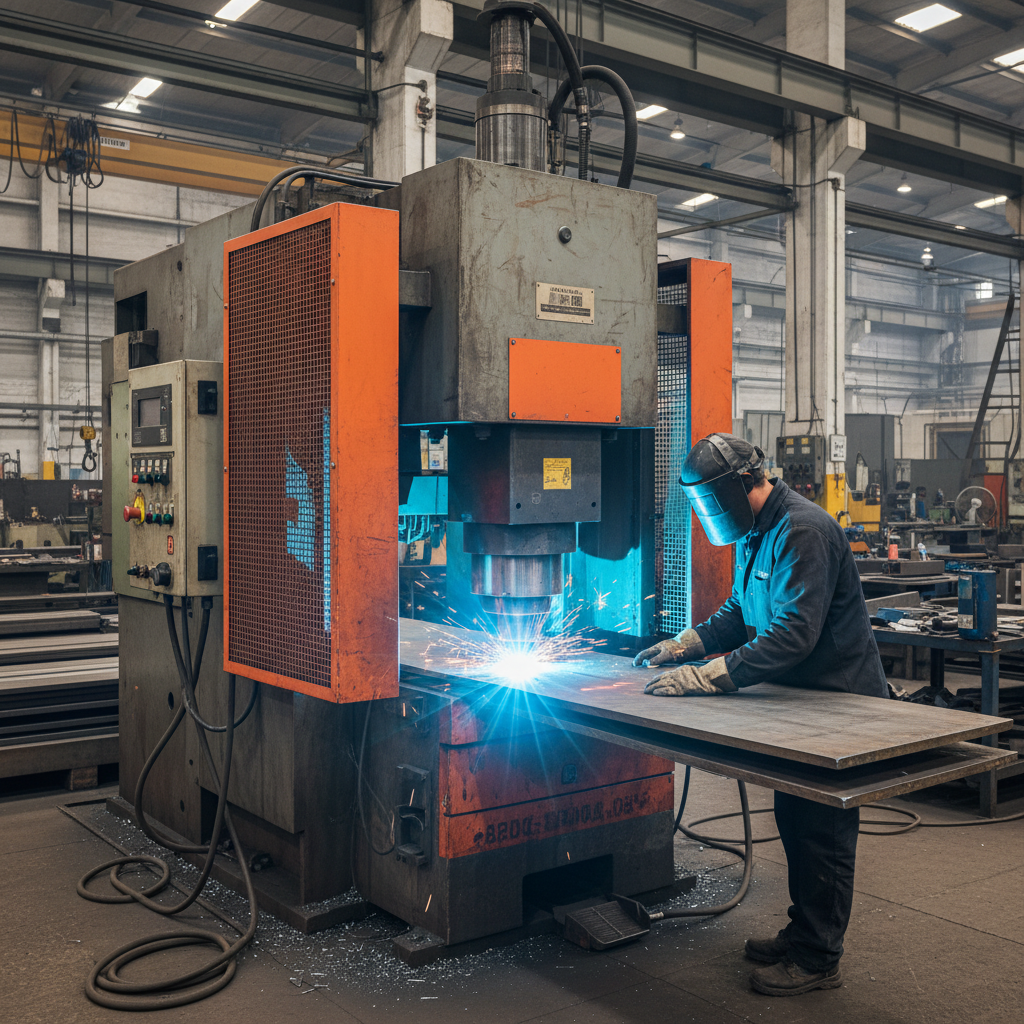
Projection welding machines are indispensable tools in modern manufacturing, offering a precise, efficient, and repeatable method for joining metal components. Their applications span a diverse range of industries, from automotive and aerospace to electronics and medical device manufacturing. Understanding the principles and capabilities of a projection welding machine is crucial for engineers, manufacturers, and anyone involved in metal fabrication processes seeking to optimize production, enhance product quality, and reduce costs.
The global demand for projection welding solutions is steadily increasing, driven by the need for automated and high-volume welding processes. According to industry reports, the welding equipment market is projected to reach significant growth in the coming years, with projection welding contributing substantially to this expansion. This growth is particularly notable in emerging economies with rapidly developing manufacturing sectors. The ability to reliably join complex metal assemblies with minimal distortion makes projection welding a critical technology for various industries striving for innovation and efficiency.
Projection welding addresses the challenges of traditional welding methods, such as inconsistent weld quality, high heat input, and lengthy processing times. Its focused heat and force application minimizes distortion and spatter, creating strong and aesthetically pleasing welds. This makes it essential for applications where precision and cosmetic appearance are paramount, ensuring higher standards in manufactured goods and reducing the need for secondary finishing operations.
Introduction to Projection Welding Machine
A projection welding machine utilizes focused heat and pressure to join metal components. Unlike spot welding which relies on point contact, projection welding employs specifically designed projections on one or both workpieces. These projections concentrate the welding current, initiating localized heating and fusion when clamped between electrodes. This technique is particularly effective for joining dissimilar metals and producing high-strength, aesthetically pleasing welds.
The inherent precision of a projection welding machine makes it invaluable in industries requiring consistent and reliable joining processes. Factors like weld current, weld time, and electrode force are precisely controlled, ensuring repeatable results and minimizing defects. This control directly translates to improved product quality, reduced scrap rates, and increased manufacturing efficiency.
Defining the Projection Welding Process
Projection welding is a resistance welding process where the joining of metals occurs through the coalescence of projections raised on one or both of the workpieces. These projections are strategically placed to concentrate the welding current and pressure, creating localized heating and forming a strong weld. The process is initiated by applying a controlled electrical current to the joint, generating resistance heat at the projections.
The key to successful projection welding lies in the accurate design and placement of the projections. Their size, shape, and distribution influence the heat input and resulting weld strength. Proper projection design ensures uniform heating and optimal current density, leading to consistent and reliable joints. The process is adaptable to various metals, including steel, aluminum, and stainless steel.
This method differs from other resistance welding techniques like spot welding and seam welding in that it allows for simultaneous welding of multiple points, accelerating the production process. This makes it a preferred choice in high-volume manufacturing environments where efficiency is paramount. It’s also less prone to distortion than other welding methods due to the localized heating and controlled pressure application.
Key Components of a Projection Welding Machine
A projection welding machine comprises several essential components. The welding power supply delivers the controlled electrical current needed for heating. Electrodes, typically made of copper alloys, provide the contact points for applying pressure and conducting the current. A projection welding machine’s programmable logic controller (PLC) manages the welding parameters, ensuring precise control over the welding process, including current, time, and force.
The welding head houses the electrodes and applies the necessary clamping force. Hydraulic or pneumatic systems often drive the welding head, enabling precise and consistent pressure application. Furthermore, the machine includes safety features such as emergency stop buttons and guarding to protect operators. Proper maintenance of these components is vital for ensuring optimal performance and longevity of the projection welding machine.
Finally, tooling plays a critical role. Custom-designed electrodes are essential for accommodating the specific geometry of the workpieces and the projection configuration. This tooling is often manufactured to precise tolerances to ensure accurate alignment and uniform pressure distribution, maximizing weld quality and minimizing material waste.
Factors Influencing Projection Welding Quality
Several factors significantly impact the quality of projection welds. Weld current is a primary determinant, influencing the amount of heat generated and the degree of fusion. Incorrect current levels can result in insufficient penetration or excessive melting. Similarly, weld time controls the duration of heating, impacting the weld nugget size and strength. Precise timing ensures adequate fusion without overheating the surrounding material.
Electrode force is crucial for ensuring proper contact between the workpieces and facilitating current flow. Insufficient force can lead to inconsistent welds, while excessive force can cause distortion or damage to the material. Surface preparation also plays a critical role; removing contaminants like rust, oil, and scale ensures optimal electrical conductivity and weld integrity.
Projection Welding Quality Factors
Global Applications of Projection Welding
Projection welding finds extensive application across diverse industries globally. In the automotive sector, it’s used for joining various components, including brackets, nuts, and reinforcing plates, contributing to vehicle structural integrity and safety. The aerospace industry leverages projection welding to assemble critical aircraft components, requiring high strength and reliability.
The electronics industry utilizes projection welding for joining battery contacts, connectors, and other small components, demanding precision and minimal heat input. Medical device manufacturers rely on projection welding for assembling surgical instruments and implants, where biocompatibility and weld integrity are paramount. These applications highlight the versatility and adaptability of a projection welding machine across different material types and component geometries.
Advantages and Long-Term Value of Projection Welding
Projection welding offers numerous advantages over traditional welding methods. Its high speed and efficiency make it ideal for high-volume production environments, reducing manufacturing costs and increasing throughput. The process minimizes material waste and distortion, contributing to sustainability and improving product quality. The resulting welds exhibit excellent strength and consistency, enhancing product reliability and lifespan.
The long-term value of investing in projection welding equipment extends beyond initial cost savings. Reduced scrap rates, improved product performance, and minimized rework contribute to increased profitability. Furthermore, projection welding’s automation capabilities reduce labor costs and enhance workplace safety. The ability to join dissimilar metals expands design possibilities and opens up new avenues for innovation.
The predictable and repeatable nature of projection welding builds trust and confidence in the manufacturing process. This leads to fewer recalls, improved customer satisfaction, and a strengthened brand reputation. By consistently delivering high-quality welds, projection welding contributes to a more robust and resilient supply chain.
Future Trends and Innovations in Projection Welding
The future of projection welding is poised for significant advancements. Integration with Industry 4.0 technologies, such as machine learning and artificial intelligence, will enable predictive maintenance, real-time process optimization, and automated quality control. The development of new electrode materials and welding techniques will further enhance weld quality and expand the range of weldable materials.
Sustainability will drive the adoption of energy-efficient projection welding machines and eco-friendly welding consumables. Digital twin technology will allow manufacturers to simulate and optimize welding processes virtually, reducing the need for physical prototypes and accelerating product development. Automation and robotics will play an increasingly important role, enhancing precision, repeatability, and worker safety.
Furthermore, research into advanced projection designs and adaptive welding parameters will address the challenges of joining complex geometries and dissimilar materials. This continuous innovation will solidify projection welding’s position as a cornerstone of modern manufacturing, enabling the creation of more efficient, reliable, and sustainable products.
Summary of Key Challenges and Solutions in Projection Welding
| Challenge |
Impact on Weld Quality |
Potential Solution |
Implementation Cost (1-10) |
| Inconsistent Projection Height |
Uneven Heating, Weak Welds |
Precision Projection Forming Techniques |
6 |
| Electrode Wear |
Reduced Current Density, Weld Defects |
Advanced Electrode Materials |
8 |
| Surface Contamination |
Poor Electrical Contact, Weak Welds |
Automated Cleaning Systems |
5 |
| Parameter Optimization |
Suboptimal Weld Strength |
AI-Powered Process Control |
9 |
| Dissimilar Metal Joining |
Formation of Intermetallic Compounds |
Optimized Welding Schedules |
7 |
| Heat Dissipation |
Inconsistent Weld Quality |
Effective Cooling Systems |
4 |
FAQS
Projection welding offers several advantages over spot welding, including the ability to weld multiple points simultaneously, leading to faster cycle times. It also allows for joining thicker materials and dissimilar metals more effectively. Projection welding often produces cleaner welds with less expulsion and distortion due to the concentrated heating at the projections, making it suitable for applications requiring precise and aesthetically pleasing results.
Projection welding is versatile and can be used to join a wide range of materials, including various grades of steel (carbon, stainless, alloy), aluminum, and certain copper alloys. The suitability of a material depends on its electrical conductivity and weldability. Careful selection of welding parameters is crucial for achieving optimal results with different materials.
Projection design is critical to weld quality. Factors like projection size, shape, height, and distribution significantly influence heat concentration and weld strength. Properly designed projections ensure uniform heating and optimal current density, resulting in consistent and reliable welds. Incorrect projection design can lead to insufficient penetration, weld defects, or excessive material distortion.
Regular maintenance is essential for ensuring the long-term performance and reliability of a projection welding machine. This includes inspecting and cleaning electrodes, checking and lubricating moving parts, verifying the accuracy of welding parameters, and monitoring the power supply. Preventative maintenance schedules should be established to identify and address potential issues before they lead to costly downtime.
Yes, projection welding is exceptionally well-suited for automated production lines. The process can be easily integrated with robotic systems and automated material handling equipment, enabling high-volume, continuous welding operations. Automation reduces labor costs, improves consistency, and enhances overall production efficiency. PLC control allows precise parameter adjustments and remote monitoring.
Safety is paramount when operating a projection welding machine. Operators should wear appropriate personal protective equipment (PPE), including welding helmets, gloves, and safety glasses. Emergency stop buttons should be readily accessible, and guarding should be in place to prevent accidental contact with moving parts. Proper training on machine operation and safety procedures is essential for all personnel.
Conclusion
In conclusion, projection welding is a robust and versatile joining process that offers significant advantages in terms of speed, efficiency, weld quality, and material compatibility. From automotive and aerospace to electronics and medical devices, its applications span a wide range of industries, driving innovation and improving product performance. Understanding the principles of projection welding and the key factors influencing weld quality is crucial for engineers and manufacturers seeking to optimize their production processes.
Looking ahead, advancements in automation, machine learning, and materials science will continue to enhance the capabilities of projection welding, making it an even more indispensable technology in the years to come. By embracing these innovations and prioritizing safety and sustainability, manufacturers can unlock the full potential of projection welding and create a more efficient, reliable, and competitive future. Visit our website at www.xdrmachinery.com to learn more about our projection welding machine solutions.
 8613931787312
  Botou Industrial Zone on the east side of National Highway 104, Botou City, Hebei Province