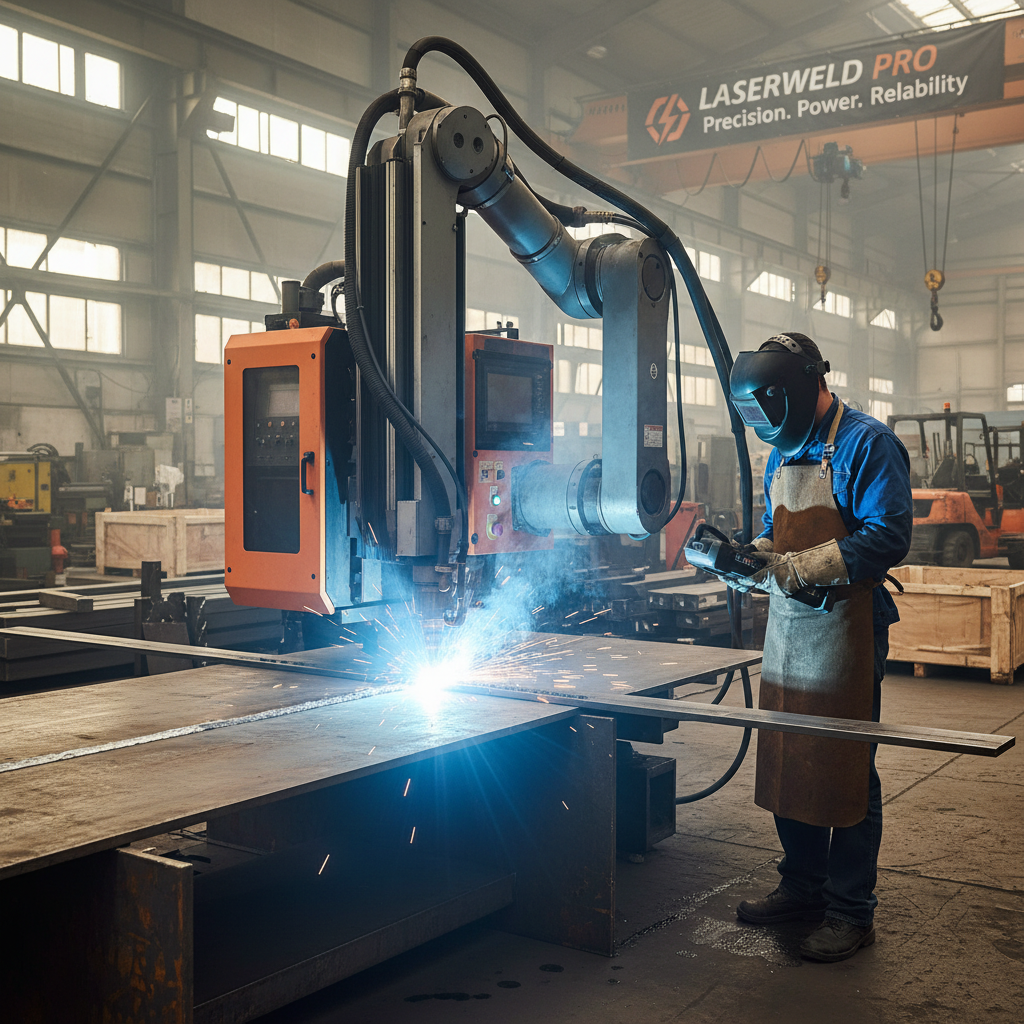
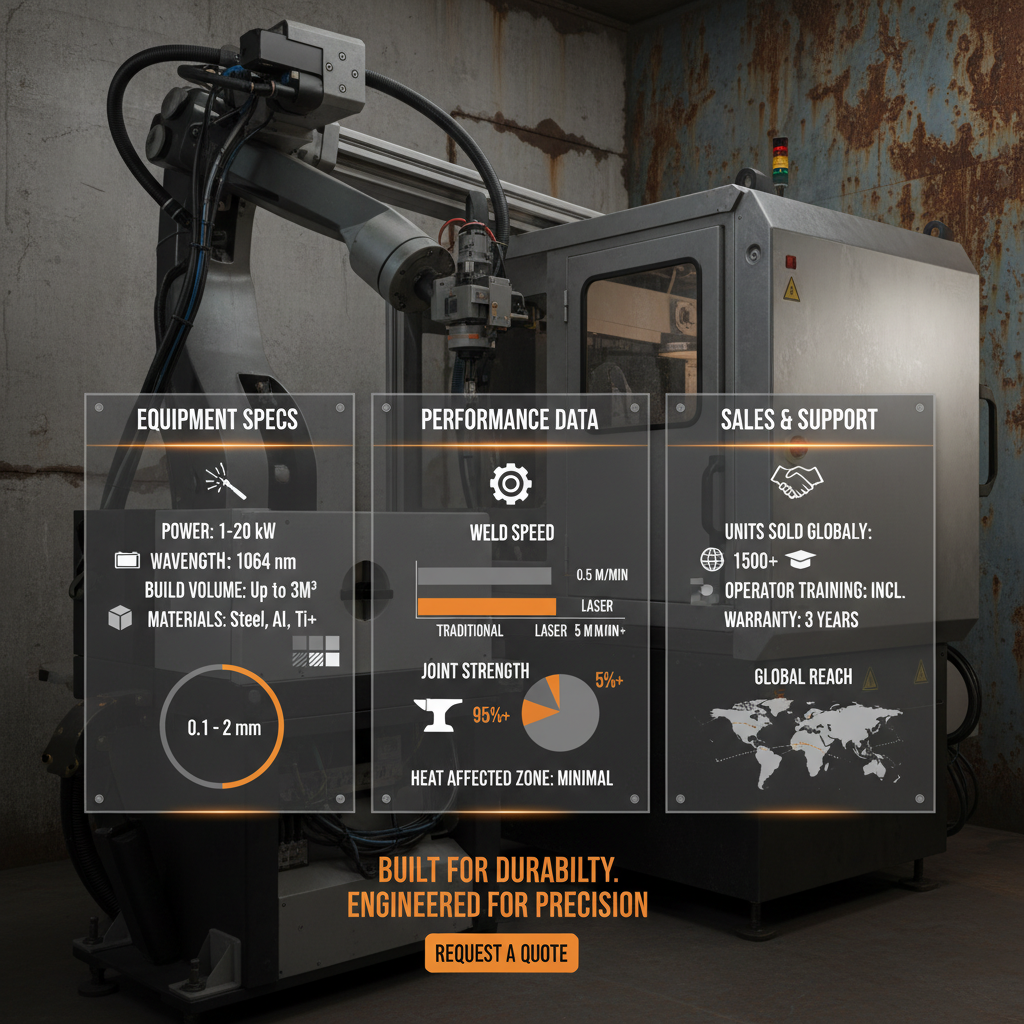
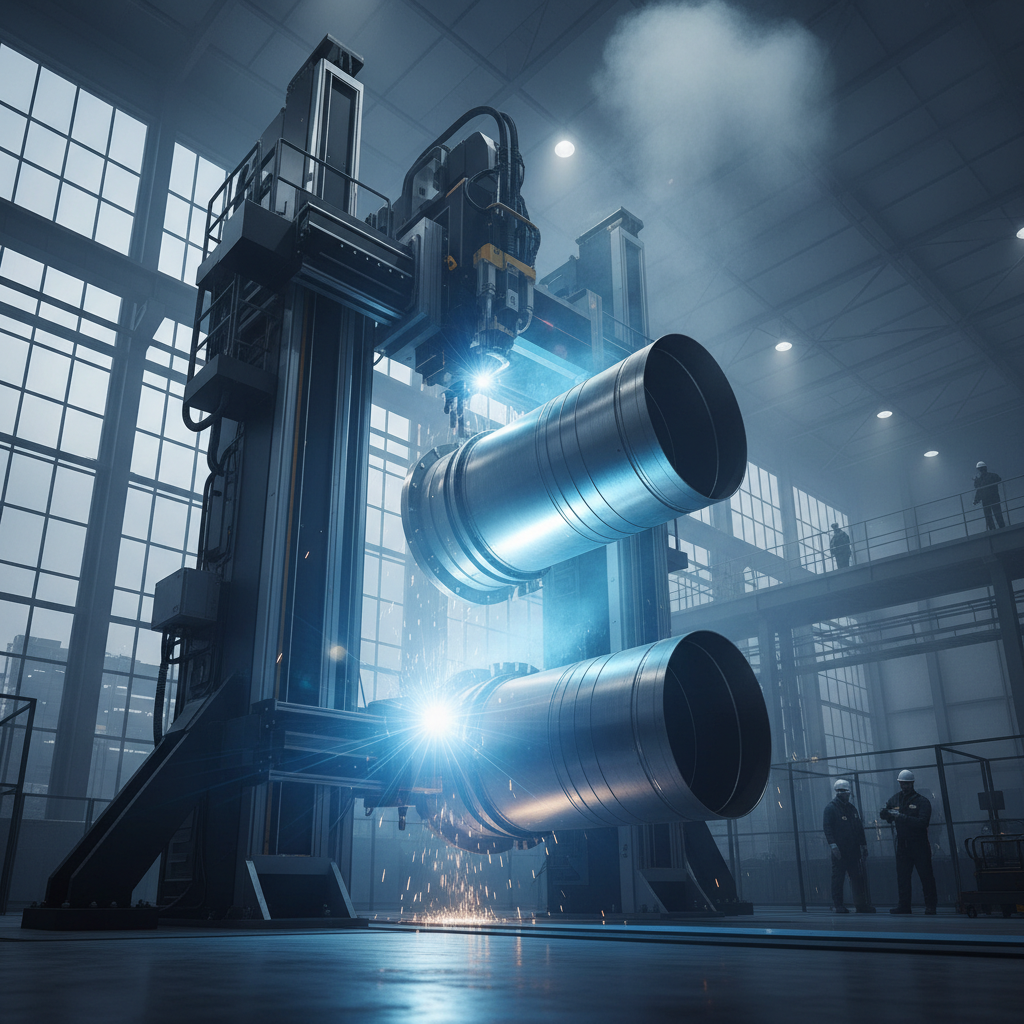
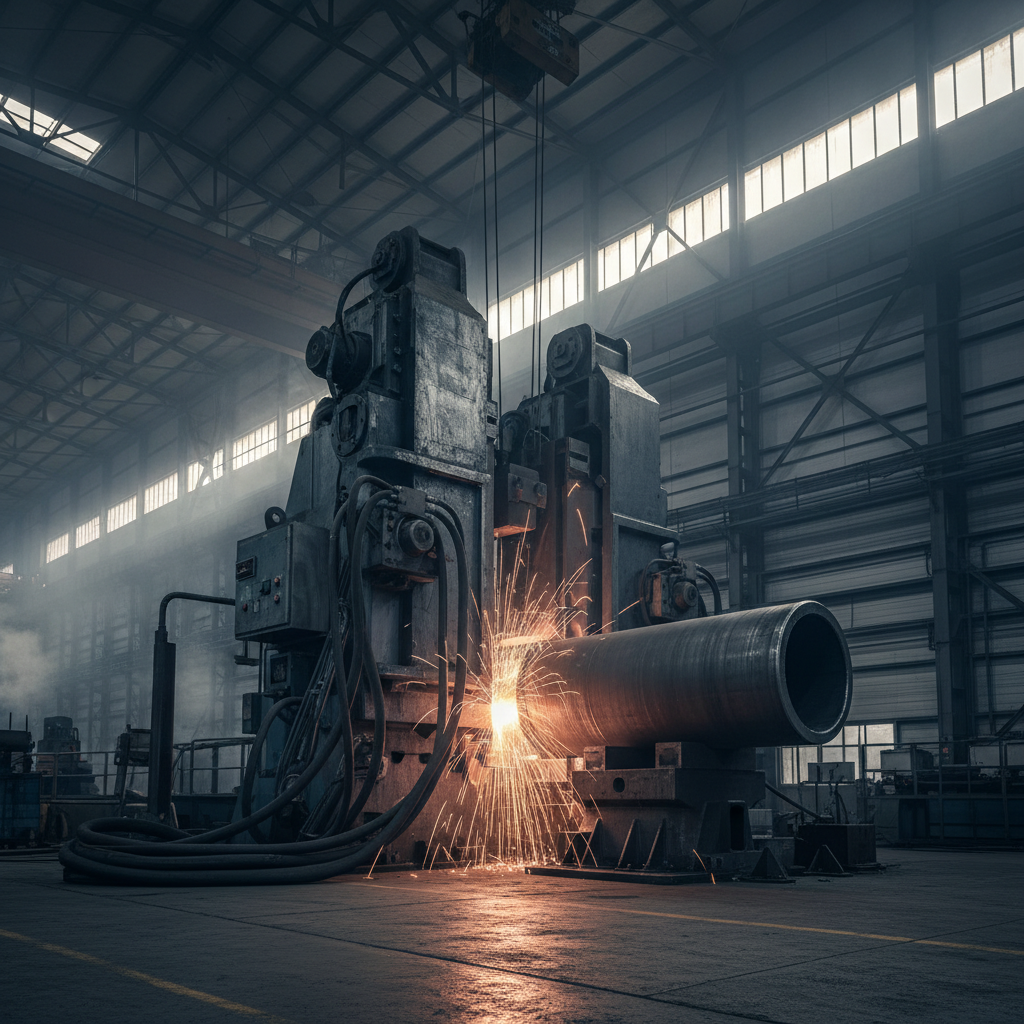
Laser welding equipment for sale is revolutionizing manufacturing and fabrication across numerous industries. This technology offers precision, speed, and efficiency unmatched by traditional welding methods, leading to increased productivity and reduced costs. The global demand for laser welding solutions is growing rapidly, driven by advancements in automation and the need for high-quality, reliable welds in sectors like automotive, aerospace, and medical device manufacturing. Investing in laser welding equipment offers a competitive edge in today’s fast-paced market.
The increasing adoption of laser welding is also attributable to its versatility. From welding dissimilar metals to performing intricate micro-welds, the capabilities of modern laser systems are extensive. This adaptability, coupled with minimal material distortion and a narrow heat-affected zone, makes laser welding ideal for delicate applications. Businesses are actively seeking to upgrade their welding processes, and the availability of diverse laser welding equipment for sale provides options for all budgets and requirements.
Furthermore, the environmental benefits of laser welding are becoming increasingly important. The process generates less waste, consumes less energy compared to some traditional techniques, and doesn’t require filler materials in many cases, contributing to a more sustainable manufacturing footprint. As environmental regulations tighten and companies prioritize sustainability, the demand for laser welding equipment will likely continue to climb.
The Significance of Laser Welding Equipment
Laser welding equipment is no longer a niche technology; it's a core component of modern manufacturing strategies. The ability to create high-strength, precise welds with minimal heat input is crucial for industries demanding top-tier quality and reliability. The competitive landscape necessitates efficient and effective welding solutions, and laser welding consistently delivers on both fronts. Businesses increasingly look for laser welding equipment for sale that will allow them to upgrade their capabilities.
The significance extends beyond simply improving weld quality. Laser welding significantly reduces cycle times, minimizes material waste, and often lowers overall production costs. This makes it a particularly attractive investment for businesses operating in highly competitive markets where efficiency and cost-effectiveness are paramount. The increasing availability of diverse models and price points makes this technology accessible to a wider range of companies.
Defining Laser Welding Equipment for Sale
Laser welding equipment for sale encompasses a variety of systems utilizing a focused laser beam to melt and fuse materials together. Unlike traditional welding methods that rely on heat generated from an arc or flame, laser welding utilizes light energy, resulting in a highly concentrated and precise heat source. This process is characterized by its high welding speed, deep penetration, and minimal distortion of the base material. Different types of laser welding equipment include fiber lasers, CO2 lasers, and solid-state lasers, each suited for specific materials and applications.
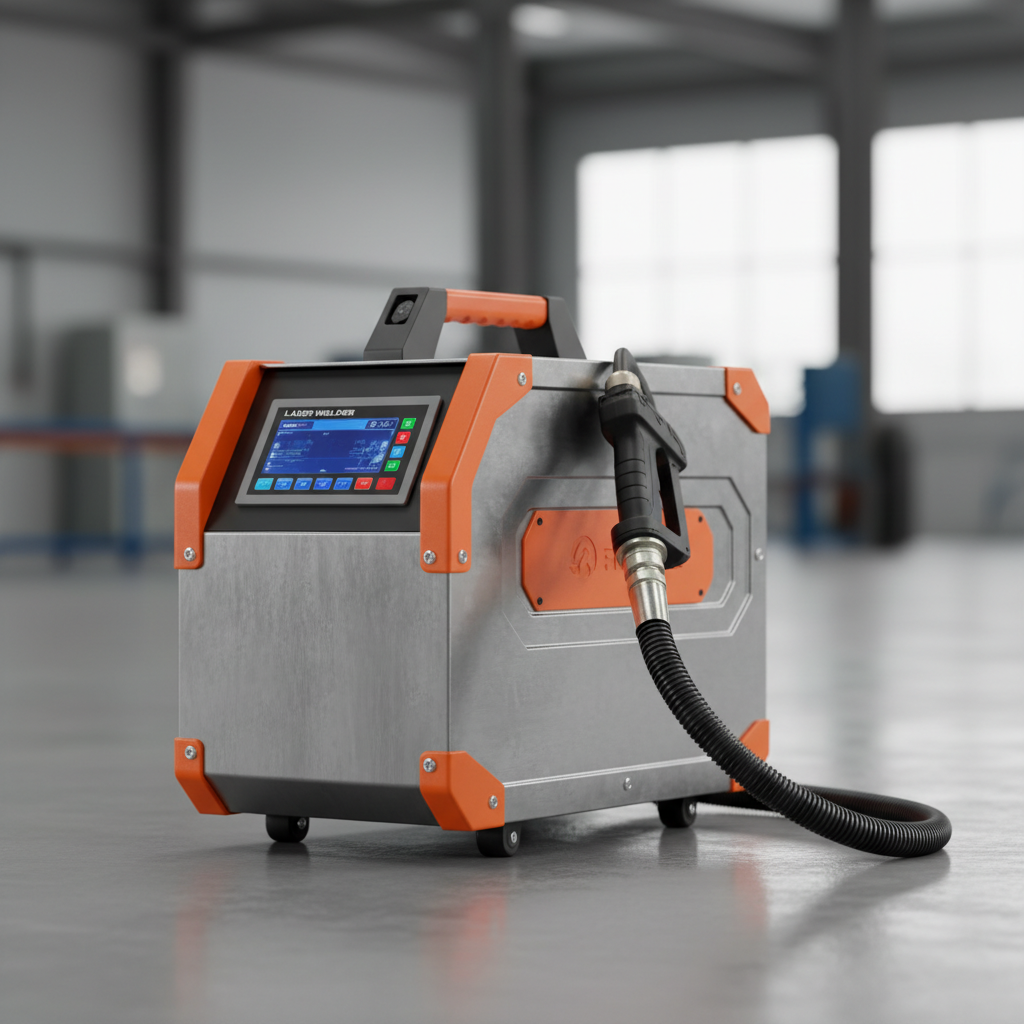
The "for sale" aspect implies a commercial transaction involving both new and used equipment, with options ranging from entry-level portable units to sophisticated, fully automated laser welding stations. Understanding the nuances of each system—including power output, wavelength, beam quality, and control systems—is vital for making an informed purchasing decision. Finding the right laser welding equipment for sale often requires expert consultation and careful assessment of specific welding needs.
Laser welding is intrinsically linked to modern industry, driving innovation in sectors from automotive to aerospace. Its precision is crucial for applications in the medical device industry, where intricate and reliable welds are essential. Its speed and efficiency benefit large-scale manufacturing, and its versatility allows for adaptation to rapidly changing production requirements.
Key Factors Influencing Purchase Decisions
When considering laser welding equipment for sale, several key factors come into play. First and foremost is the material type being welded. Different materials require lasers with specific wavelengths and power outputs. Steel, aluminum, titanium, and various alloys all respond differently to laser welding, influencing the optimal system configuration. Second, the thickness of the material is a critical consideration, as thicker materials demand higher power lasers and potentially multiple passes.
Another crucial aspect is the required welding precision and speed. High-precision applications, such as those in the electronics or medical industries, necessitate advanced laser control systems and beam delivery optics. Conversely, applications requiring high-speed welding for large-volume production might prioritize laser power and automated workpiece handling. Finally, budget constraints and ongoing maintenance costs significantly influence the purchasing decision.
Furthermore, consider the level of automation needed. Manual laser welding systems are available for smaller projects, while robotic laser welding cells are ideal for high-volume, repetitive tasks. The ease of use and availability of technical support are also vital factors, particularly for businesses new to laser welding technology. Proper training and readily available support can minimize downtime and maximize productivity.
Applications Across Global Industries
The applications of laser welding equipment are remarkably diverse. In the automotive industry, laser welding is used extensively for manufacturing chassis components, exhaust systems, and safety-critical parts. The aerospace sector relies on laser welding for joining lightweight alloys in aircraft structures. The medical device industry utilizes laser welding for creating precision components for implants and surgical instruments.
In regions like Germany and Japan, known for their automotive and manufacturing prowess, laser welding is deeply integrated into production lines. North America also shows a strong demand, particularly in the aerospace and energy sectors. Emerging economies, such as China and India, are rapidly adopting laser welding as they strive to modernize their manufacturing capabilities. In remote industrial zones, laser welding’s portability can be a key advantage.
Comparative Analysis of Laser Welding Methods
Advantages and Long-Term Value Proposition
Investing in laser welding equipment for sale delivers substantial long-term value. The most immediate benefit is reduced labor costs, as laser welding often requires less manual intervention compared to traditional methods. The high welding speeds and minimal post-weld finishing translate into significant time savings and increased throughput. Furthermore, the precision and consistency of laser welds reduce scrap rates and improve product quality.
Beyond the tangible economic benefits, laser welding contributes to a safer working environment by reducing exposure to fumes and sparks. The improved weld quality enhances product reliability, building trust with customers and fostering brand reputation. The adoption of advanced laser welding technology showcases a commitment to innovation, attracting skilled workers and positioning the company as a leader in its field.
Emerging Trends in Laser Welding Technology
The landscape of laser welding is continuously evolving. One significant trend is the integration of artificial intelligence (AI) and machine learning (ML) into laser welding systems. AI-powered systems can automatically adjust welding parameters based on real-time feedback, optimizing weld quality and reducing defects. Another emerging trend is the development of remote laser welding solutions, allowing for welding operations to be performed in hazardous or inaccessible environments.
The increasing focus on sustainability is driving the development of more energy-efficient laser systems and the adoption of environmentally friendly welding processes. The incorporation of digital twins and predictive maintenance technologies is also gaining traction, enabling proactive monitoring of equipment health and minimizing downtime. The push towards automation and Industry 4.0 is further accelerating the adoption of robotic laser welding cells.
Overcoming Challenges and Future Outlook
Despite its numerous advantages, laser welding does present certain challenges. The initial investment cost can be substantial, particularly for high-power systems and advanced automation solutions. Proper training and expertise are essential for operating and maintaining laser welding equipment effectively. Furthermore, reflective materials can pose challenges for laser welding, requiring specialized techniques and laser parameters.
To address these challenges, manufacturers are developing more affordable and user-friendly laser welding systems. Comprehensive training programs and readily available technical support are becoming increasingly important. Ongoing research and development efforts are focused on improving laser beam control and developing new techniques for welding challenging materials. The future of laser welding is bright, with continued innovation promising even greater efficiency, precision, and versatility.
The continued growth of industries reliant on precision and automation, coupled with the decreasing cost of laser technology, suggests a strong and sustained demand for laser welding equipment for sale in the years to come.
Summary of Factors Influencing Laser Welding System Selection
| Material Type |
Welding Thickness |
Precision Requirements |
Automation Level |
| Steel |
Thin Gauge |
High (Aerospace) |
Fully Automated |
| Aluminum |
Medium Gauge |
Moderate (Automotive) |
Semi-Automated |
| Titanium |
Thick Gauge |
Critical (Medical) |
Fully Automated |
| Stainless Steel |
Variable |
Standard (General Fabrication) |
Manual/Semi-Automated |
| Copper Alloys |
Thin Gauge |
High (Electronics) |
Automated |
| Nickel Alloys |
Medium to Thick Gauge |
High (Aerospace) |
Semi-Automated |
FAQS
Laser welding equipment power requirements vary widely depending on the application. Smaller, portable systems may operate on standard 120V or 240V power outlets, while larger, industrial-grade machines can require 480V or higher three-phase power. Power consumption also depends on the laser type (fiber, CO2, etc.) and the duty cycle. It’s crucial to verify the power specifications of any laser welding equipment for sale to ensure compatibility with your facility’s electrical infrastructure.
Regular maintenance is essential for maintaining optimal performance and extending the lifespan of your laser welding machine. Key maintenance tasks include cleaning the optics (lenses and mirrors), inspecting and replacing consumables (nozzles, protective windows), checking the cooling system (water or air), and verifying the alignment of the laser beam. Preventative maintenance schedules, as recommended by the manufacturer, should be followed diligently.
While laser welding is incredibly versatile, it's not universally applicable to all metal types without adjustments. It excels with steel, stainless steel, aluminum, titanium, and various alloys. However, materials with high reflectivity, like copper and gold, can be more challenging to weld and often require specific laser parameters or pre-treatment. It’s crucial to confirm compatibility with the metal you intend to weld before purchasing laser welding equipment for sale.
Laser welding presents several safety hazards, primarily related to the intense laser beam and potential for fumes. Essential safety precautions include wearing appropriate laser safety glasses (specifically rated for the laser wavelength), ensuring proper ventilation to remove fumes, using shielding to contain the laser beam, and implementing lockout/tagout procedures during maintenance. Strict adherence to safety protocols is paramount.
Fiber lasers and CO2 lasers are the two main types used for laser welding. Fiber lasers offer higher beam quality, faster welding speeds, and are generally more efficient for metals like steel and aluminum. CO2 lasers, while versatile, are often better suited for non-metal materials and thicker materials, but generally are slower. The choice between the two depends heavily on the specific application and materials being welded.
The ROI for laser welding equipment can be significant, but varies depending on application, production volume, and existing processes. Typical benefits contributing to ROI include reduced labor costs, increased welding speeds, lower material waste, improved weld quality (reducing rework), and enhanced automation capabilities. Many businesses experience a payback period of 1-3 years, making it a worthwhile investment.
Conclusion
In conclusion, laser welding equipment represents a transformative technology for modern manufacturing. Its precision, speed, and versatility deliver substantial benefits across diverse industries, enhancing productivity, reducing costs, and improving product quality. The continuous evolution of laser welding technology, coupled with the increasing availability of laser welding equipment for sale, is driving widespread adoption and shaping the future of fabrication.
Looking ahead, we anticipate even greater integration of AI and automation, further expanding the capabilities of laser welding systems. Investing in laser welding technology is not simply acquiring a tool; it’s embracing a commitment to innovation, efficiency, and long-term competitiveness. We encourage businesses to explore the options available and discover how laser welding can revolutionize their operations.
 8613931787312
  Botou Industrial Zone on the east side of National Highway 104, Botou City, Hebei Province