Laser welding machine manufacturers are becoming increasingly vital across a huge range of industries, from automotive and aerospace to medical device production and even jewelry making. The demand isn’t just about faster welding; it’s about precision, repeatability, and the ability to join materials that traditional methods struggle with. As someone who spends their days on construction sites and with engineers, I’ve seen firsthand how crucial reliable joining processes are. A weak weld can mean a delayed project, increased costs, and – most importantly – safety risks. That’s where a quality laser welding machine manufacturer comes in.
The global manufacturing landscape is constantly evolving, and laser welding is at the forefront of that evolution. Reports from organizations like the World Economic Forum highlight the increasing importance of advanced manufacturing technologies, and laser welding fits squarely within that trend. The industry is experiencing substantial growth, driven by the need for automation, increased production efficiency, and superior weld quality. What I see out in the field is a push for solutions that minimize downtime and reduce the need for highly specialized (and expensive) welding expertise.
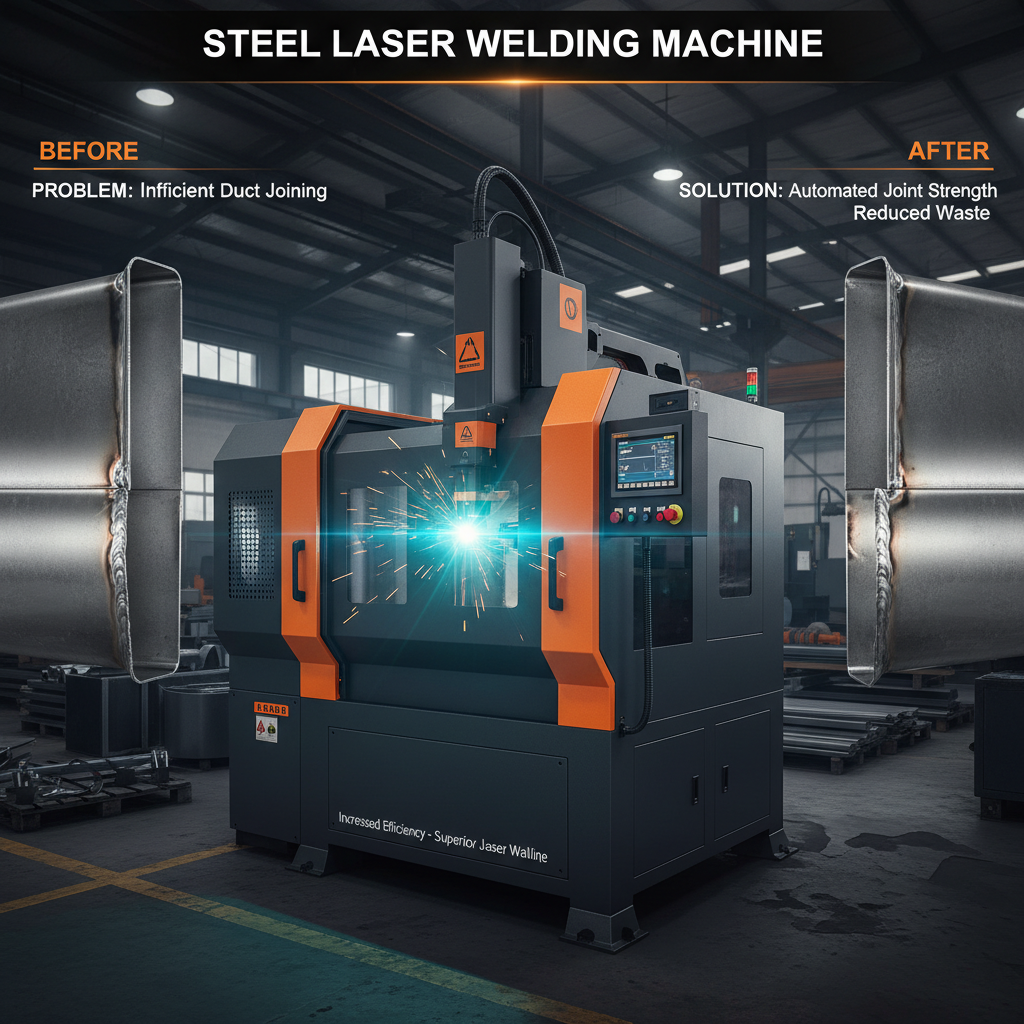
Simply put, a laser welding machine manufacturer designs, builds, and sells machines that use a highly focused laser beam to melt and fuse materials together. It's not just about the machine itself; it's about the entire ecosystem - the control systems, the laser source, the gas delivery, and the support offered by the manufacturer. This technology is essential because it offers a level of precision and control that traditional welding techniques simply can’t match. It’s becoming the go-to method for high-value, critical applications where failure isn’t an option.
The Role of a Laser Welding Machine Manufacturer
A laser welding machine manufacturer isn’t just a builder of machines; they are a solutions provider. They work closely with clients to understand their specific welding needs, material types, and production volumes. I’ve seen firsthand how important this collaborative approach is. A good manufacturer will consider everything from the laser source and optics to the motion control system and safety features. They have to provide a machine that seamlessly integrates into the client's existing workflow.
They’re also responsible for ongoing support, including training, maintenance, and spare parts. Because these are complex machines, skilled technicians are essential. Finding a manufacturer who invests in excellent customer service is just as crucial as finding one who builds a high-quality machine. That support can save you a ton of headaches – and money – down the road.
Global Demand and Industry Growth
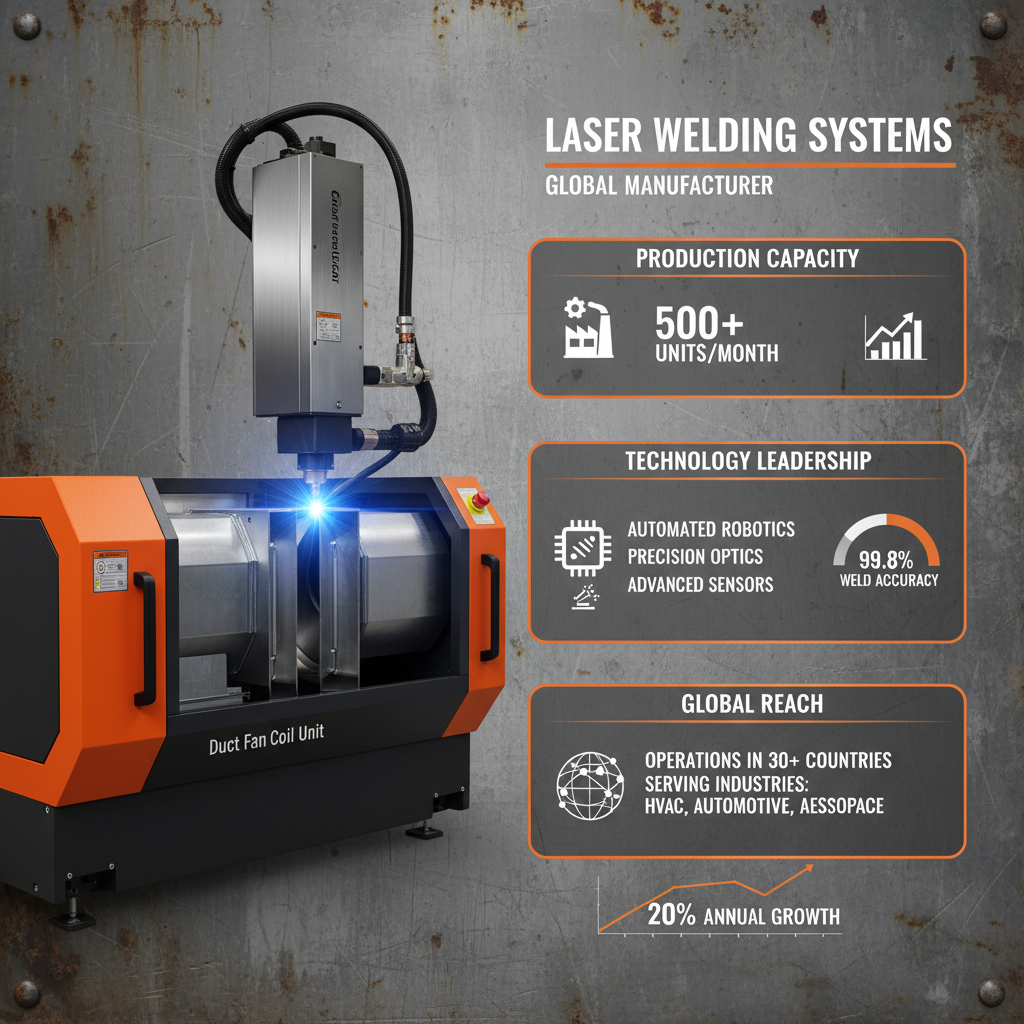
The demand for laser welding machine manufacturers is booming globally, driven by industries requiring precision and speed. Automotive manufacturers are using laser welding to create lightweight, high-strength vehicle bodies. Aerospace companies are employing it for critical components where reliability is paramount. And in the medical device field, laser welding is essential for creating implants and instruments with incredibly tight tolerances. According to recent market research reports, the global laser welding market is projected to reach multi-billion dollar valuations within the next five years.
This growth is particularly strong in emerging economies like China and India, where manufacturing sectors are expanding rapidly. These countries are investing heavily in advanced manufacturing technologies to improve their competitiveness. A good laser welding machine manufacturer needs to have a global reach and the ability to serve clients in these key markets. They also need to be aware of different international standards and regulations.
What I’m hearing from the ground is that customers are looking beyond just the initial purchase price. They want a partner who can help them optimize their welding processes, reduce costs, and improve quality over the long term. This means choosing a manufacturer that offers comprehensive solutions and ongoing support.
Defining Laser Welding Machine Manufacturing
At its core, laser welding machine manufacturing encompasses the entire process of designing, assembling, testing, and distributing laser welding systems. But it’s far more nuanced than simply putting metal together. It requires a deep understanding of laser physics, materials science, and control systems engineering. A manufacturer needs to be proficient in selecting the right laser source (fiber, CO2, or disc laser), optimizing the beam delivery system, and developing robust control software.
It also involves meticulous quality control throughout the entire manufacturing process. From sourcing components to final testing, every step must be carefully monitored to ensure that the machine meets the highest standards of performance and reliability. That’s why choosing a reputable laser welding machine manufacturer with a strong track record is so important. You need a machine you can rely on, day in and day out.
And let’s not forget the importance of customization. No two welding applications are exactly alike. A good manufacturer will work with you to tailor the machine to your specific needs, whether that means adjusting the laser power, adding custom fixtures, or integrating it with other automation equipment.
Key Factors: Precision, Speed, and Material Compatibility
When evaluating a laser welding machine manufacturer, three key factors consistently stand out: precision, speed, and material compatibility. Precision is critical for applications requiring tight tolerances and high-quality welds. Laser welding offers unparalleled precision, allowing you to join materials with minimal distortion and heat-affected zones.
Speed is another significant advantage. Laser welding is significantly faster than traditional welding methods, which can dramatically increase production throughput. This is crucial for high-volume manufacturing environments. But speed without quality is useless. A top-tier laser welding machine manufacturer will deliver both.
Laser Welding Machine Performance Metrics
Applications Across Diverse Industries
The beauty of laser welding is its versatility. From the automotive industry, where it’s used to weld gears and transmissions, to the aerospace sector, where it’s critical for engine components and airframes, the applications are vast. Medical device manufacturers rely on laser welding for creating intricate implants and surgical instruments. Even in industries like electronics, laser welding is used for joining micro-components with incredible precision.
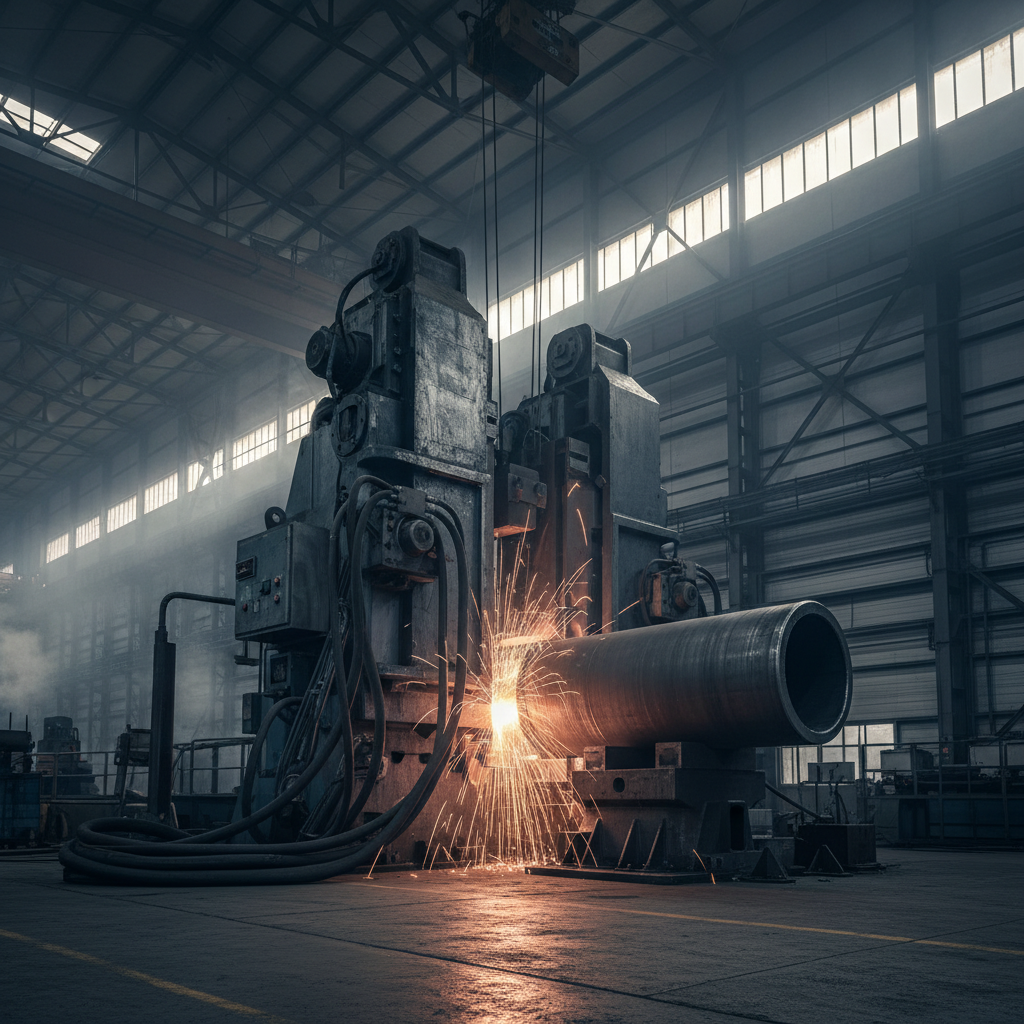
I've personally seen laser welding used for pipe welding in oil and gas pipelines, creating extremely strong and reliable joints that can withstand harsh environments. It’s also becoming increasingly popular in the jewelry industry for creating intricate designs and repairing delicate pieces.
Advantages and Long-Term Value
The advantages of choosing a laser welding machine from a reputable manufacturer extend far beyond just the initial investment. The increased speed and precision translate directly into higher productivity and reduced labor costs. The ability to weld a wide range of materials – including dissimilar metals – opens up new possibilities for product design and innovation.
Long-term, laser welding offers superior weld quality and reliability, reducing the risk of defects and failures. This translates into fewer warranty claims, increased customer satisfaction, and a stronger brand reputation. From a sustainability perspective, laser welding generates less waste and uses less energy than many traditional welding methods, making it a more environmentally friendly option.
Future Trends and Innovations in Laser Welding
The future of laser welding is incredibly exciting. We’re seeing advancements in laser technology, such as the development of more powerful and efficient fiber lasers. Automation and robotics are becoming increasingly integrated into laser welding systems, allowing for fully automated welding processes.
Another key trend is the use of artificial intelligence (AI) and machine learning (ML) to optimize welding parameters and improve weld quality. AI-powered systems can analyze data in real-time and make adjustments to the welding process to ensure consistent results. We’re also seeing a growing focus on sustainability, with manufacturers developing laser welding systems that use less energy and generate less waste.
Looking ahead, I expect to see even more innovative applications of laser welding, particularly in areas like additive manufacturing and 3D printing. These technologies are pushing the boundaries of what’s possible in manufacturing, and laser welding will play a crucial role in enabling them.
Summary of Key Factors for Evaluating Laser Welding Machine Manufacturers
| Manufacturer Reputation |
Technical Capabilities |
Customer Support |
Cost and ROI |
| Years in business, industry recognition, client testimonials |
Laser source technology, beam delivery system, control software |
Training programs, maintenance services, spare parts availability |
Initial purchase price, operating costs, long-term return on investment |
| Positive reviews and strong references |
Ability to customize machines to specific applications |
Responsiveness to inquiries and technical issues |
Competitive pricing and financing options |
| Industry awards and certifications |
Compliance with relevant safety standards |
On-site support and troubleshooting services |
Estimated payback period and cost savings |
| Strong brand reputation within the industry |
Ability to weld a wide range of materials |
Remote diagnostic capabilities |
Total cost of ownership over the machine's lifespan |
| Extensive experience in laser welding technology |
Advanced automation features and integration capabilities |
Proactive maintenance programs |
Potential for increased production capacity |
| Commitment to innovation and continuous improvement |
Precision and accuracy of welding results |
Availability of spare parts and consumables |
Reduction in scrap and rework |
FAQS
Lead times vary depending on the complexity of the machine and current order backlog. However, most custom machines take between 8-16 weeks from order confirmation to delivery. We strive to provide accurate lead time estimates upfront and keep our clients informed throughout the process. Factors like specialized components and extensive customization can affect the timeline. A reputable laser welding machine manufacturer will be transparent about these factors.
Comprehensive training is a critical component of our service. We offer both on-site and remote training options, tailored to the specific machine and the client’s application. Training covers machine operation, maintenance, safety procedures, and troubleshooting. We also provide detailed manuals and online resources. Our goal is to ensure that your team can operate the machine efficiently and safely from day one.
Laser welding is incredibly versatile. It can effectively weld a wide range of materials, including stainless steel, carbon steel, aluminum, titanium, copper, and various alloys. It's also well-suited for welding dissimilar metals. The specific laser source and parameters need to be optimized for each material to achieve the best results.
Regular maintenance is essential for ensuring the long-term reliability and performance of your laser welding machine. Typical maintenance tasks include cleaning the optics, checking the gas supply, inspecting the cooling system, and lubricating moving parts. We provide detailed maintenance schedules and offer preventative maintenance contracts to help minimize downtime.
Safety is our top priority. Our machines are equipped with multiple safety features, including laser safety interlocks, protective enclosures, warning lights, and emergency stop buttons. We also provide comprehensive safety training to ensure that operators understand the risks and how to mitigate them. All our machines comply with relevant safety standards and regulations.
The ROI for a laser welding machine varies depending on the application, production volume, and labor costs. However, many of our clients experience a significant ROI within 12-24 months, thanks to increased productivity, reduced labor costs, improved weld quality, and lower scrap rates. A detailed cost-benefit analysis can be conducted to estimate the potential ROI for your specific needs.
Conclusion
In conclusion, choosing the right laser welding machine manufacturer is a critical decision that impacts your productivity, quality, and bottom line. It’s not just about the machine itself, but about the manufacturer’s expertise, support, and commitment to innovation. A quality laser welding machine offers unparalleled precision, speed, and versatility, making it an indispensable tool for a wide range of industries.
As you consider your options, prioritize manufacturers with a strong track record, comprehensive training programs, and a commitment to customer satisfaction. Don't hesitate to ask questions, request demonstrations, and seek references. Investing in a reliable laser welding machine from a reputable manufacturer is an investment in your future success. For more information and to discuss your specific welding needs, visit our website: laser welding machine manufacturer.
 8613931787312
  Botou Industrial Zone on the east side of National Highway 104, Botou City, Hebei Province