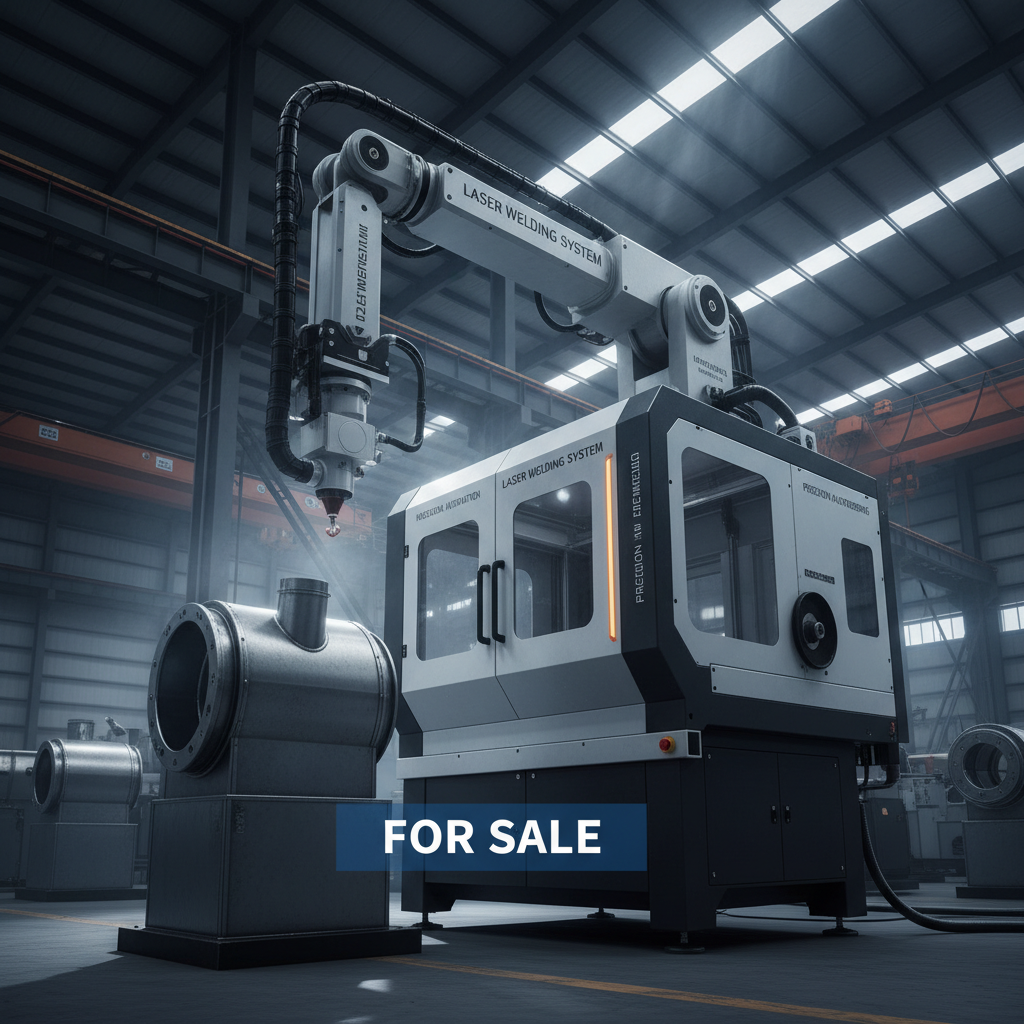
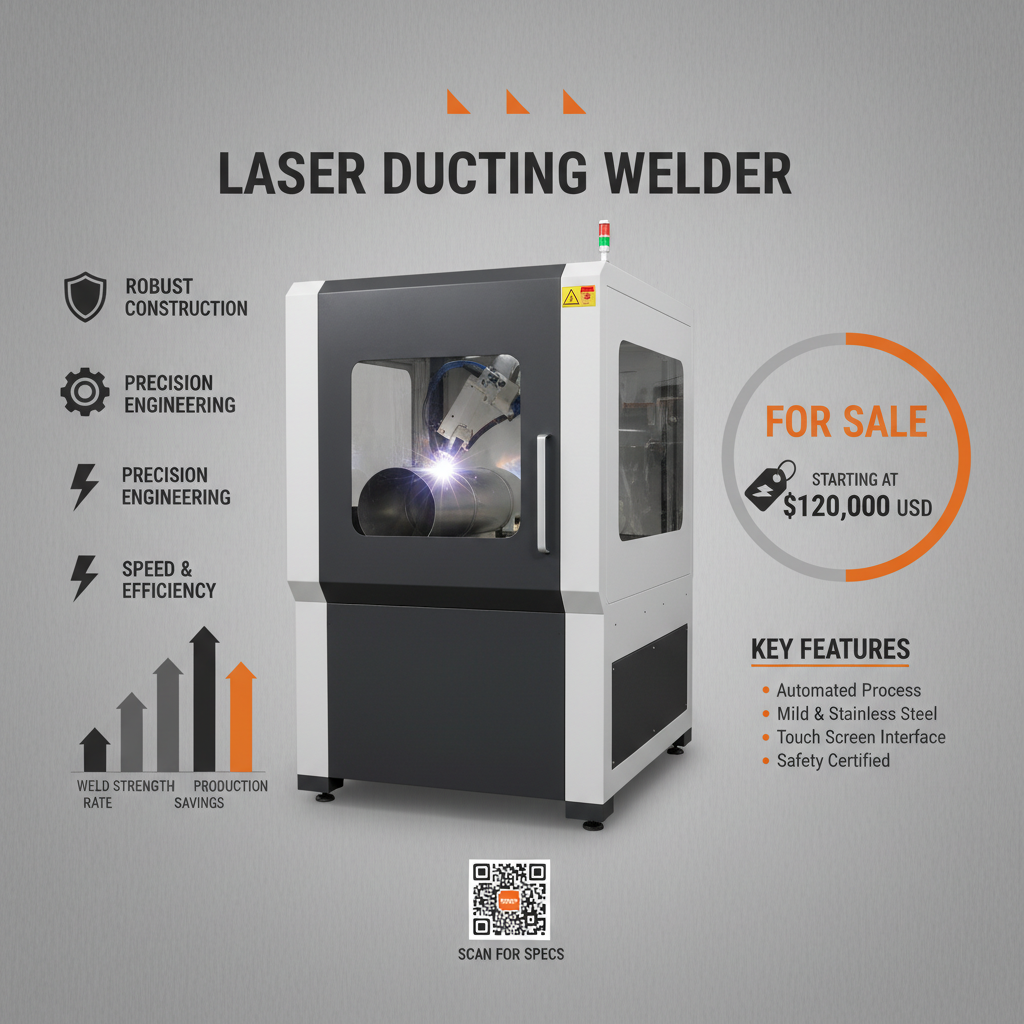
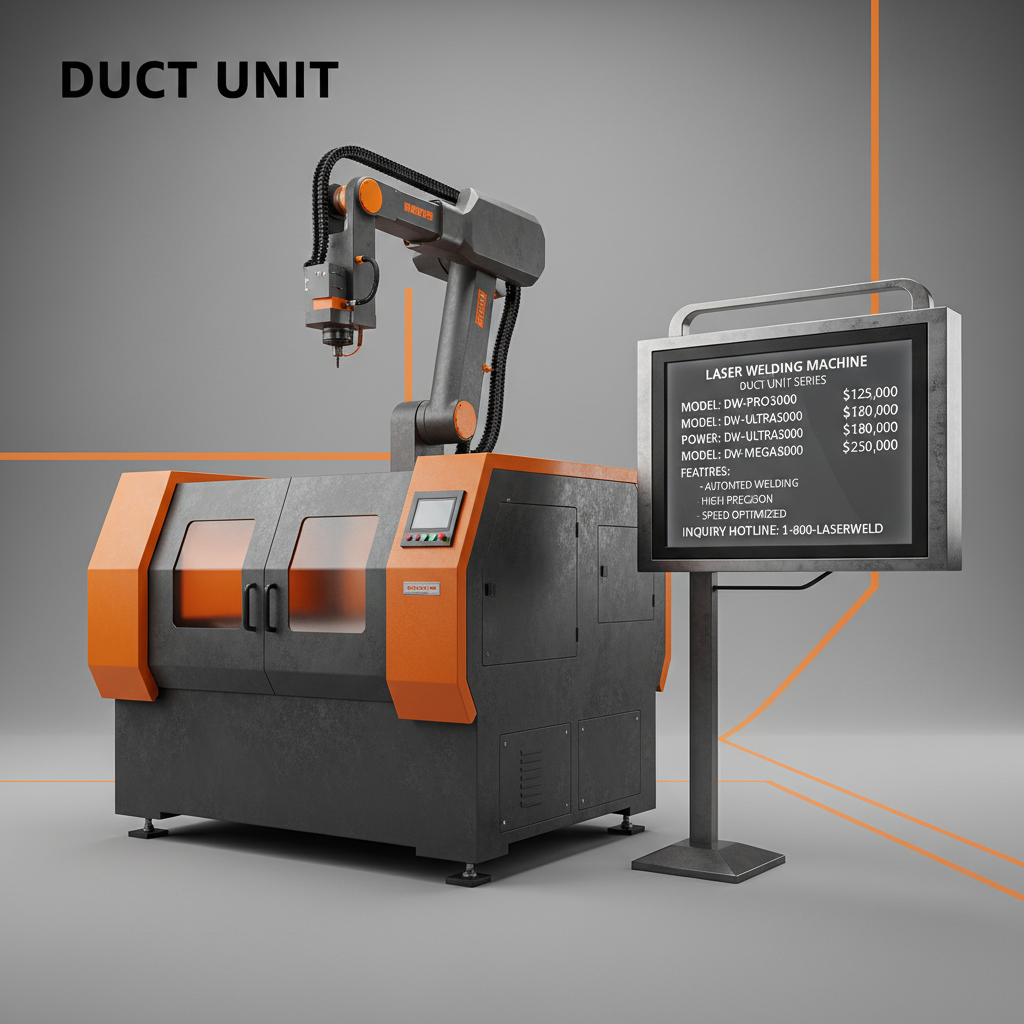
The demand for efficient and precise welding solutions has led to a surge in the global market for laser welding machines. These machines are not merely tools; they represent a pivotal advancement in manufacturing, fabrication, and a multitude of industrial applications. Understanding the intricacies of a laser welding machine for sale is critical for businesses looking to optimize their production processes, reduce costs, and enhance product quality. This guide delves into the world of laser welding, exploring its applications, advantages, and future trends.
Globally, the welding equipment market is estimated to reach \$26.7 billion by 2027, driven by increasing automation in industries like automotive, aerospace, and electronics (source: Allied Market Research). This growth is significantly influenced by the rising adoption of laser welding technology due to its superior precision and speed compared to traditional methods. A key challenge lies in ensuring affordability and accessibility of these advanced machines for smaller businesses and developing economies.
Investing in a quality laser welding machine for sale can dramatically improve a company's competitive edge. From automotive assembly lines requiring high-speed welding to aerospace manufacturing demanding flawless precision, the applications are vast and continuously expanding. As industries push for greater efficiency and product reliability, the demand for laser welding solutions will continue to increase.
Defining Laser Welding Machines
A laser welding machine for sale utilizes a highly focused laser beam to melt and fuse materials together. Unlike traditional welding methods that rely on heat and filler materials, laser welding offers a non-contact process, resulting in precise, clean, and high-quality welds. The key is the concentrated energy, allowing for deep penetration and minimal heat-affected zones.
This technology is transforming modern industry by enabling the joining of dissimilar metals, creating intricate designs, and automating welding processes. From the fabrication of micro-components in electronics to the assembly of large-scale structures in shipbuilding, a laser welding machine for sale plays a vital role in countless manufacturing applications.
Global Relevance and Industrial Context
The global market for laser welding machines is experiencing robust growth, driven by factors such as increasing automation, demand for high-quality welds, and the need for efficient manufacturing processes. Regions like Asia-Pacific, particularly China, are leading the way in adoption, fueled by their expanding manufacturing sectors. North America and Europe also represent significant markets, with a focus on high-precision applications in aerospace and automotive industries.
The automotive industry is a major consumer of laser welding technology, utilizing it for the production of body panels, transmission components, and safety-critical parts. The aerospace sector relies on laser welding for joining lightweight materials like aluminum and titanium, crucial for reducing aircraft weight and improving fuel efficiency. Furthermore, the growing electronics industry demands the precision of laser welding for micro-assembly and component joining.
A significant challenge lies in bridging the gap between advanced laser welding capabilities and the needs of small and medium-sized enterprises (SMEs). Making these machines more accessible through competitive pricing, simplified operation, and comprehensive training programs is essential for widespread adoption and maximizing the economic benefits of this technology.
Core Components and Functionality
A typical laser welding machine for sale comprises several key components: a laser source (CO2, fiber, or solid-state), a beam delivery system (mirrors, lenses, fiber optics), a welding head, a control system, and a power supply. The laser source generates the high-energy beam, while the beam delivery system focuses it onto the workpiece. The welding head precisely positions the beam and controls the welding parameters.
The control system is the brain of the operation, allowing operators to adjust parameters like laser power, welding speed, and focal length. Different types of laser welding processes exist, including conduction welding, penetration welding, and fillet welding, each suited for specific applications and materials. Understanding these parameters and processes is crucial for achieving optimal weld quality.
Furthermore, many modern laser welding machines incorporate advanced features like automatic seam tracking, real-time monitoring, and remote control capabilities, enhancing efficiency and reducing the need for skilled labor. The choice of laser source and welding process depends on the materials being joined, the desired weld quality, and the application requirements.
Key Performance Indicators
Evaluating the performance of a laser welding machine for sale requires consideration of several key indicators. Weld speed, penetration depth, weld quality (measured by porosity, cracking, and weld strength), and heat-affected zone (HAZ) size are critical parameters. These factors directly influence the efficiency and reliability of the welding process.
Machine uptime, maintenance costs, and energy consumption also contribute to the overall cost of ownership. A robust and reliable machine with minimal downtime will significantly reduce production costs. Assessing these KPIs allows businesses to compare different models and choose the machine that best suits their specific needs.
Laser Welding Machine Performance Comparison
Real-World Applications Across Industries
The applications of a laser welding machine for sale are incredibly diverse. In the automotive industry, it’s used for welding transmission components, exhaust systems, and structural parts. The aerospace sector leverages laser welding for joining aluminum and titanium alloys in aircraft fuselages and engine parts.
Medical device manufacturing employs laser welding for creating precise and sterile joints in implants, surgical instruments, and diagnostic equipment. The electronics industry uses it extensively for welding micro-components, assembling circuit boards, and manufacturing sensors. Even jewelry making benefits from the precision and artistry enabled by laser welding.
Advantages and Long-Term Value Proposition
Investing in a laser welding machine for sale offers a multitude of advantages. These include increased welding speed, improved weld quality, reduced material distortion, minimal post-weld cleanup, and the ability to weld a wide range of materials. The automation capabilities reduce labor costs and improve overall production efficiency.
The long-term value proposition extends beyond cost savings. Laser welding enhances product reliability, reduces defects, and allows for innovative designs. The precision and control offered by this technology can open up new markets and opportunities for businesses seeking a competitive edge. Moreover, laser welding aligns with sustainable manufacturing practices due to its reduced energy consumption and waste generation.
The increased safety for workers, due to the non-contact nature of the process and the elimination of hazardous fumes, also represents a significant benefit, fostering a more positive and productive work environment.
Future Trends and Technological Advancements
The future of laser welding is marked by exciting technological advancements. Expect to see increased integration of artificial intelligence (AI) and machine learning (ML) for process optimization and automated defect detection. Remote laser welding, utilizing robotics and cloud-based control systems, will gain prominence, allowing for greater flexibility and scalability.
The development of new laser sources, such as disc lasers and ultrafast lasers, will expand the range of materials that can be welded and improve weld quality even further. Sustainable welding practices, including energy-efficient lasers and environmentally friendly shielding gases, will become increasingly important as industries strive for carbon neutrality.
Furthermore, advancements in beam shaping and control technologies will enable the creation of more complex and customized weld geometries, catering to the evolving demands of various industries.
Challenges and Solutions
Despite its numerous benefits, laser welding also presents certain challenges. The initial investment cost can be significant, especially for high-power machines. Proper training and skilled personnel are required to operate and maintain the equipment effectively. Reflectivity of certain materials can also pose a challenge, requiring adjustments to laser parameters or the use of specialized coatings.
Addressing these challenges requires a strategic approach. Leasing or financing options can make laser welding technology more accessible to SMEs. Comprehensive training programs and ongoing technical support are essential for maximizing machine uptime and weld quality. Utilizing advanced beam shaping techniques and surface preparation methods can mitigate reflectivity issues.
Summary of Laser Welding Machine Challenges and Mitigation Strategies
| Challenge |
Impact on Operation |
Mitigation Strategy |
Estimated Cost of Implementation |
| High Initial Investment |
Limits accessibility for SMEs |
Leasing options, financing plans |
\$5,000 - \$20,000 (annual lease) |
| Need for Skilled Operators |
Impacts weld quality and efficiency |
Comprehensive training programs |
\$2,000 - \$5,000 (per operator) |
| Material Reflectivity |
Reduces laser absorption and weld penetration |
Surface preparation, laser parameter adjustments |
\$500 - \$1,500 (surface treatment) |
| Maintenance Costs |
Potential for downtime and disruptions |
Preventative maintenance schedule, skilled technicians |
\$1,000 - \$3,000 (annual maintenance) |
| Heat Affected Zone (HAZ) Control |
Can affect material properties |
Optimized laser parameters, shielding gas |
\$200 - \$800 (shielding gas and adjustments) |
| Safety Concerns |
Risk of laser exposure and fumes |
Safety enclosures, ventilation systems, protective gear |
\$1,500 - \$4,000 (safety equipment) |
FAQs
Laser welding excels with a diverse range of materials including stainless steel, carbon steel, aluminum alloys, titanium, nickel alloys, and even dissimilar metal combinations. The specific suitability depends on the laser type and parameters used. Fiber lasers are particularly effective for reflective materials like aluminum and copper, while CO2 lasers work well with many plastics and ceramics. Careful consideration of material properties and desired weld characteristics is essential for achieving optimal results with a laser welding machine for sale.
Industrial laser welding machines typically range in power from a few hundred watts to several kilowatts. Lower power machines (200-500W) are often used for precision welding of thin materials and electronic components. Medium-power machines (1kW-3kW) are suitable for a wider range of applications, including automotive and general fabrication. High-power machines (4kW and above) are used for heavy-duty applications such as shipbuilding and thick-section welding. Selecting the appropriate power level depends on the material thickness, welding speed, and desired penetration depth when purchasing a laser welding machine for sale.
Regular maintenance is crucial for ensuring optimal performance and longevity. This includes cleaning lenses and optics, inspecting the beam delivery system, checking the cooling system, and calibrating the machine. Preventative maintenance schedules should be followed diligently. Additionally, periodic inspections of the laser source and power supply are recommended. Proper maintenance minimizes downtime and ensures consistent weld quality for your laser welding machine for sale.
While the initial investment for a laser welding machine is typically higher than traditional methods, the long-term cost of ownership can be lower. Laser welding generally requires less filler material, reduces rework, and minimizes post-weld cleanup, resulting in significant cost savings. The increased welding speed and automation capabilities also contribute to lower labor costs. Furthermore, reduced material distortion and improved weld quality can lead to fewer defects and higher product yield when investing in a laser welding machine for sale.
Laser welding involves high-energy beams and requires strict adherence to safety protocols. Operators must wear appropriate protective eyewear to prevent eye damage. Enclosures and interlocks should be used to prevent accidental exposure to the laser beam. Proper ventilation is essential to remove fumes and particles generated during welding. Regular safety training and adherence to established safety procedures are paramount for safe operation of your laser welding machine for sale.
Automated laser welding offers several key advantages. It significantly increases welding speed and throughput, improves weld consistency and quality, and reduces labor costs. Automated systems can handle complex geometries and repetitive tasks with precision. They also minimize operator fatigue and reduce the risk of errors. Automation is particularly beneficial for high-volume production runs, where consistency and efficiency are critical. Investing in automated features with your laser welding machine for sale will boost your output.
Conclusion
In conclusion, laser welding machines represent a significant advancement in joining technology, offering unparalleled precision, speed, and versatility. From automotive and aerospace to electronics and medical devices, the applications are vast and continuously expanding. Investing in a laser welding machine for sale is not simply acquiring a tool; it’s embracing a pathway to increased efficiency, improved product quality, and a competitive edge in the global marketplace.
As technology continues to evolve, with advancements in AI, automation, and laser sources, the potential of laser welding is poised to reach new heights. Businesses that adopt this technology now will be well-positioned to capitalize on future opportunities and remain at the forefront of innovation. Visit our website today at www.xdrmachinery.com to explore our range of laser welding solutions and discover how we can help you transform your manufacturing processes.
 8613931787312
  Botou Industrial Zone on the east side of National Highway 104, Botou City, Hebei Province