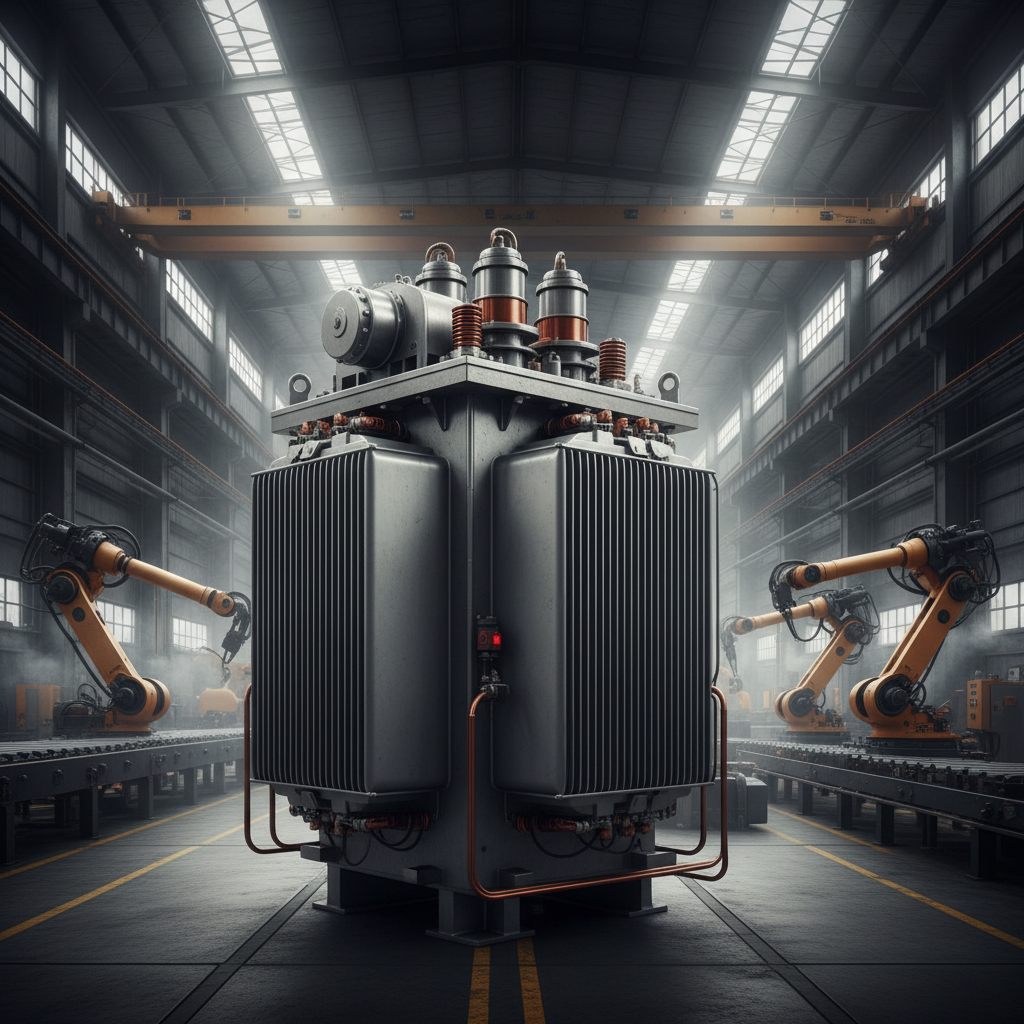
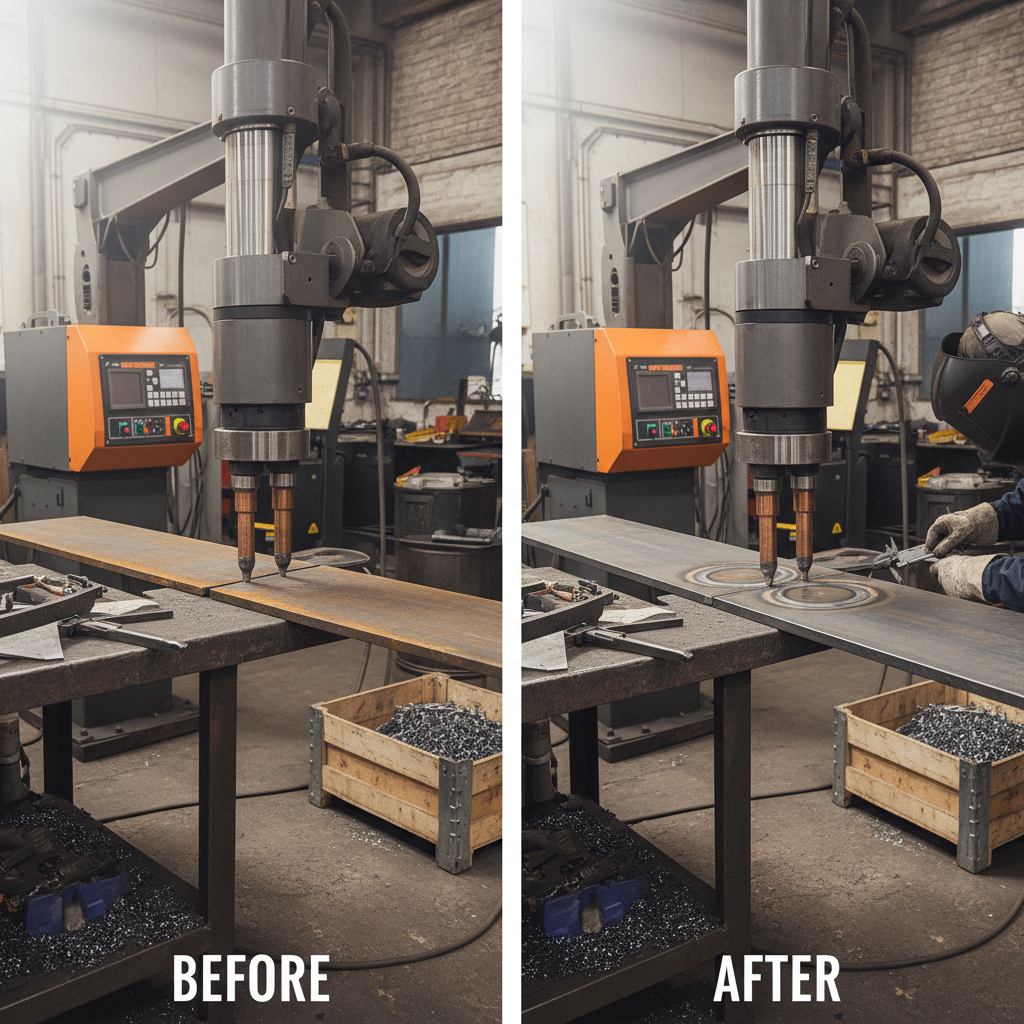
Resistance welding transformers are integral components in modern manufacturing, facilitating efficient and reliable joining of metal parts. These transformers deliver the high current, low voltage power necessary for resistance welding processes, which are critical in industries ranging from automotive and aerospace to electronics and construction. Understanding their function, application, and evolution is vital for optimizing welding performance and ensuring product quality.
The global demand for resistance welding transformers is closely tied to the growth of manufacturing sectors, particularly in emerging economies. According to recent reports from the World Bank, manufacturing output is projected to increase significantly in regions like Asia and Latin America, driving demand for advanced welding technologies. This presents opportunities for innovation and specialized transformer designs to meet evolving industry needs.
The increasing focus on automation and Industry 4.0 principles further emphasizes the importance of reliable and precise resistance welding systems. Efficient resistance welding transformers contribute to faster production cycles, reduced material waste, and improved overall operational efficiency, ultimately impacting a company's bottom line and competitiveness.
Introduction to Resistance Welding Transformers
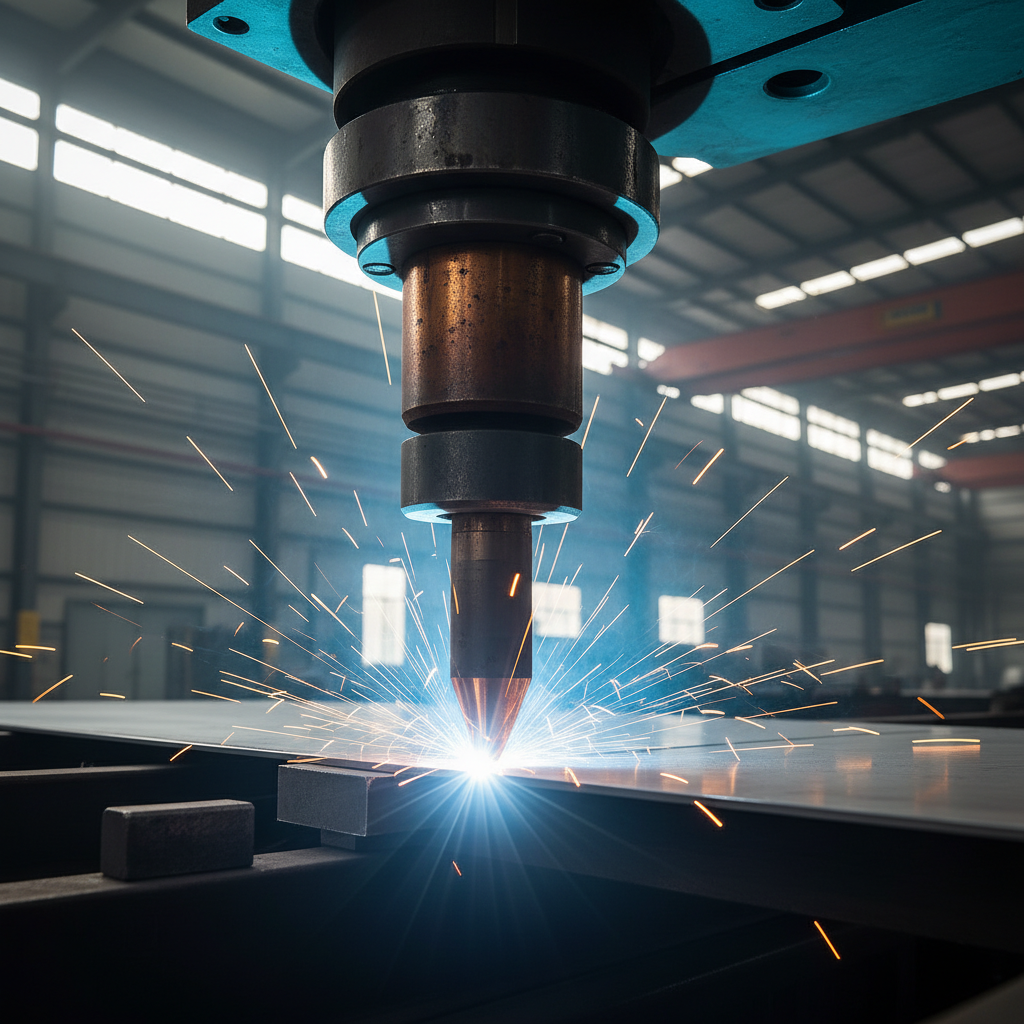
Resistance welding transformers are specifically designed to handle the demanding electrical requirements of resistance welding applications. They feature a unique construction optimized for delivering high currents at low voltages, differing significantly from standard power transformers. This specialized design ensures efficient heat generation at the weld interface, creating strong and consistent bonds between metal components.
The core functionality relies on Faraday’s law of induction, but the specific ratios and construction materials are tailored for minimizing losses and maximizing current delivery. These transformers are critical for maintaining consistent welding parameters, which directly influence weld strength and quality, particularly in automated production lines.
Defining Resistance Welding Transformers
A resistance welding transformer is an electrical device designed to convert standard AC voltage levels to the low-voltage, high-current power required for resistance welding processes. Unlike transformers used for power distribution, these are optimized for delivering substantial current with minimal voltage drop, facilitating the generation of heat through resistance between the workpieces.
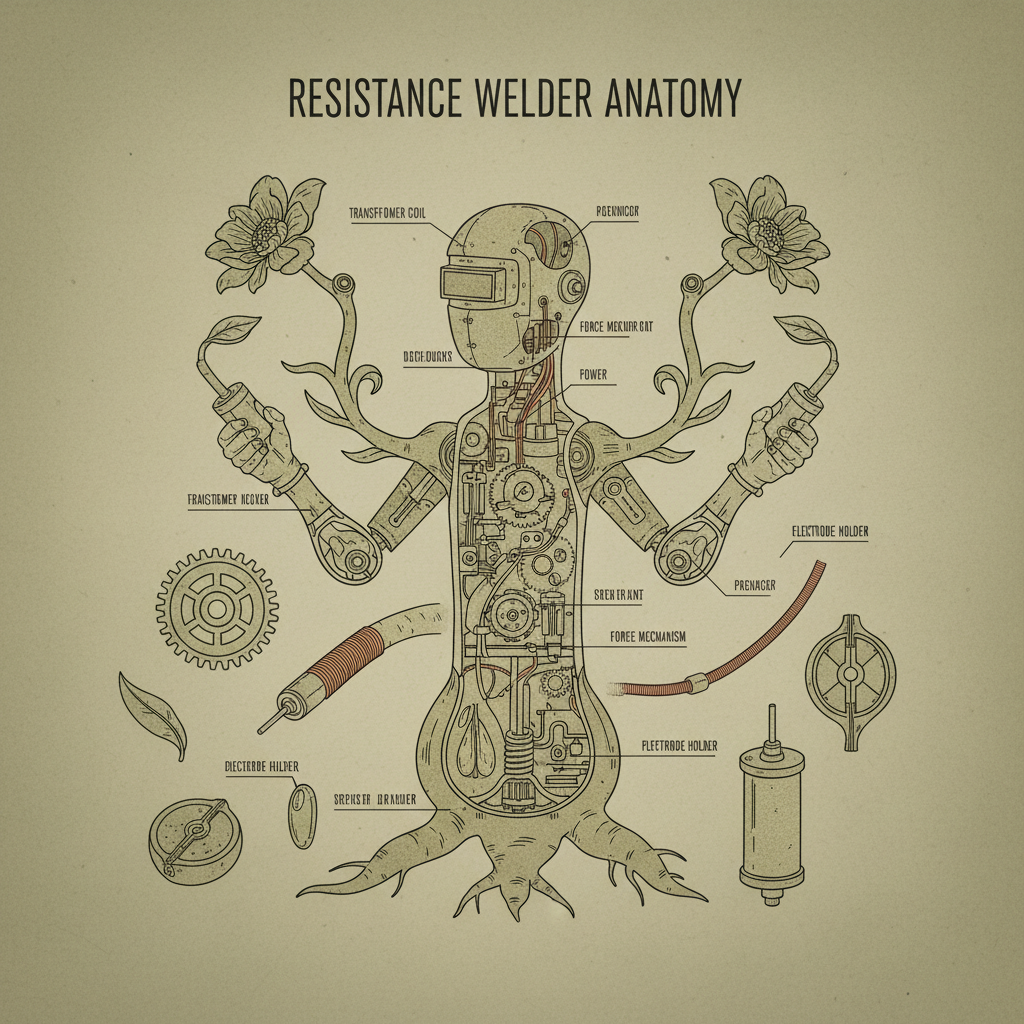
Their construction differs significantly from standard transformers due to the need for low impedance and high current capacity. Typically, they employ robust copper windings, specialized core materials, and effective cooling systems to withstand the intense heat and current flow. The transformer is an essential component of a resistance welding system, influencing weld quality and efficiency.
The connection to modern industry is paramount as resistance welding, enabled by these transformers, is a cornerstone of numerous manufacturing processes. From automotive chassis assembly to the production of electronic enclosures, the reliability and efficiency of resistance welding are vital to global supply chains and the availability of everyday products.
Core Components and Characteristics
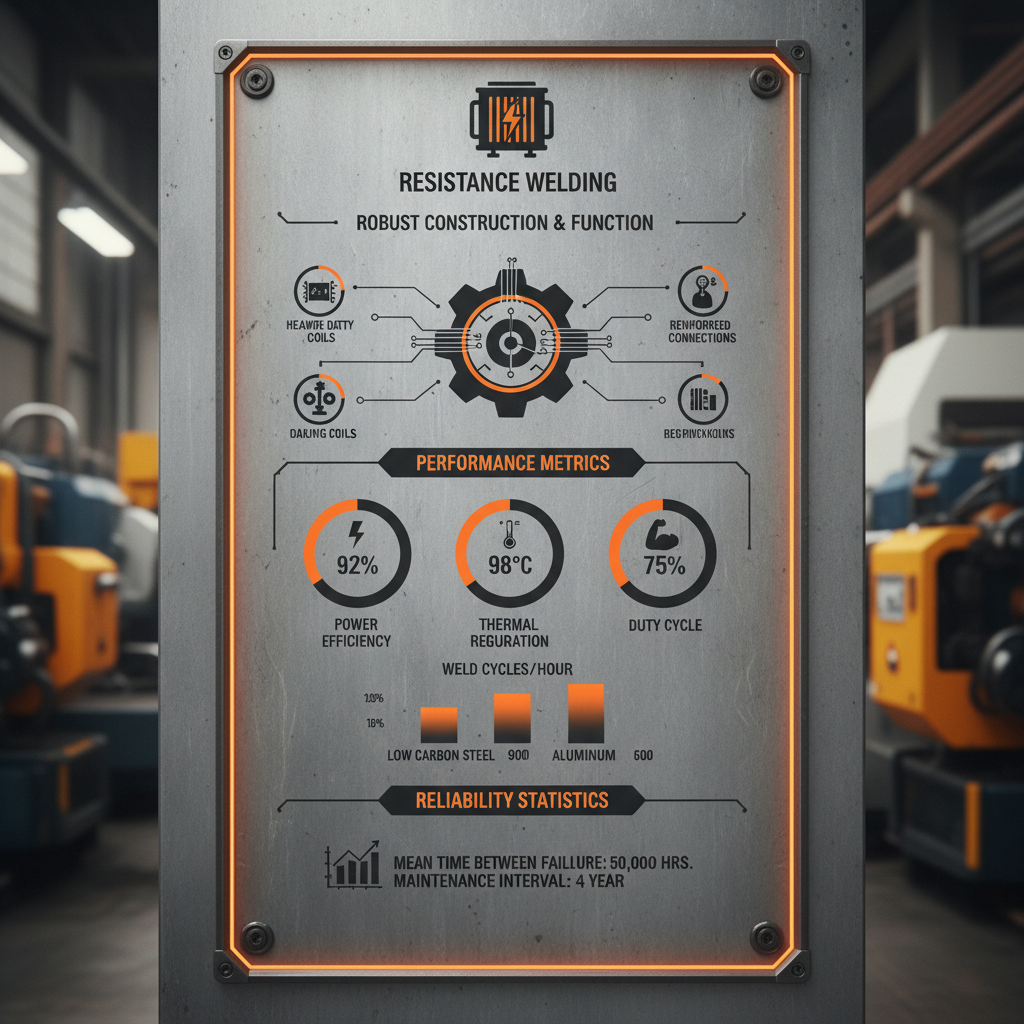
Several key factors contribute to the performance and reliability of a resistance welding transformer. Firstly, the core material (often laminated silicon steel) plays a crucial role in minimizing energy losses due to hysteresis and eddy currents. Secondly, the winding design – using large-diameter copper conductors – is essential for reducing resistance and maximizing current carrying capacity. The selection of appropriate insulation materials is vital for handling the high voltages and temperatures involved.
Furthermore, efficient cooling systems—including oil immersion or forced air—are necessary to dissipate the heat generated during operation, preventing overheating and extending the transformer's lifespan. Finally, precise tap changers allow operators to adjust the output voltage and current, fine-tuning the welding process for different material thicknesses and joint configurations.
These characteristics translate directly into practical applications; for example, transformers designed for spot welding require different cooling and current delivery profiles than those used for seam welding or projection welding. The choice of transformer is inherently linked to the specific welding process and materials being joined.
Applications Across Industries
Resistance welding transformers find widespread application in diverse industrial sectors. The automotive industry relies heavily on them for assembling car bodies, chassis components, and exhaust systems, ensuring strong and consistent welds in high-volume production environments. The aerospace industry utilizes these transformers for joining aluminum and other lightweight alloys in aircraft structures, where precision and reliability are paramount.
In the electronics sector, resistance welding is used for manufacturing electrical contacts, battery packs, and other components requiring precise and localized joining. The construction industry employs resistance welding for fabricating steel structures, reinforcing bars, and metal fencing. Globally, countries like China, Germany, and the United States are major consumers of resistance welding transformers due to their robust manufacturing bases.
Resistance Welding Transformer Performance by Method
Advantages and Long-Term Value
Employing a high-quality resistance welding transformer offers numerous tangible benefits. Cost efficiency stems from reduced material waste, faster welding speeds, and minimal need for consumables like filler metals. Sustainability is enhanced through lower energy consumption compared to other welding processes and the ability to join recyclable materials.
From a social impact perspective, reliable welding processes contribute to safer and more durable products, improving public safety and reducing maintenance requirements. The enhanced reliability translates to less downtime, improving productivity and fostering trust in the manufacturing process. These transformers are a long-term investment that provides significant value to any manufacturing operation.
Future Trends and Innovations
The future of resistance welding transformers is being shaped by several emerging trends. Digital transformers with integrated sensors and control systems are enabling real-time monitoring of welding parameters, facilitating predictive maintenance and optimized process control. Advancements in materials science are leading to the development of transformers with improved core materials and winding designs, enhancing efficiency and reducing size.
The integration of artificial intelligence (AI) and machine learning (ML) algorithms will further optimize welding processes, automatically adjusting parameters based on real-time data and historical performance. These developments align with the broader goals of Industry 4.0 and the drive towards more sustainable and efficient manufacturing practices.
Challenges and Solutions
Despite the numerous advantages, challenges remain in the application of resistance welding transformers. One key challenge is the need for precise control over welding parameters to prevent defects like porosity or incomplete fusion. Another issue is the potential for transformer overheating and failure if not properly cooled and maintained.
Solutions involve implementing advanced control algorithms, utilizing sophisticated cooling systems, and conducting regular inspections and preventative maintenance. Furthermore, exploring alternative transformer designs—such as those employing high-frequency AC—can offer improved control and efficiency for specific applications.
Implementing advanced diagnostic tools and predictive maintenance strategies, combined with operator training, can significantly mitigate these challenges and maximize the lifespan and performance of resistance welding transformers.
Core Performance Metrics of Resistance Welding Transformers
| Transformer Type |
Efficiency Rating (1-10) |
Maximum Output Current (kA) |
Operational Lifespan (Years) |
| Spot Welding |
8 |
100 |
15 |
| Seam Welding |
7 |
80 |
12 |
| Projection Welding |
9 |
120 |
18 |
| Flash Butt Welding |
6 |
150 |
10 |
| Upset Welding |
7 |
90 |
14 |
| Medium Frequency |
9 |
110 |
20 |
FAQs
Choosing the right resistance welding transformer requires careful consideration of several factors. Crucially, you must assess the type of welding process (spot, seam, projection, etc.), the materials being joined, the required welding current and voltage, and the duty cycle. Additionally, factors such as cooling requirements, available space, and maintenance accessibility should be evaluated to ensure optimal performance and longevity.
Preventative maintenance should be performed at least annually, but more frequent inspections may be necessary in high-use applications. Regular checks should include inspecting the cooling system (oil level, coolant flow), cleaning windings and connections, verifying insulation integrity, and testing for any signs of overheating or damage. Following the manufacturer’s recommended maintenance schedule is crucial for extending transformer lifespan and preventing costly breakdowns.
Common causes of failure include overheating due to inadequate cooling, insulation breakdown resulting from age or contamination, winding shorts caused by mechanical stress or electrical surges, and core saturation from excessive current. Regular maintenance and proper operating procedures can significantly reduce the risk of these failures. Using appropriate protective devices, such as circuit breakers and surge suppressors, is also essential.
Yes, many resistance welding transformer failures can be repaired, but the feasibility and cost-effectiveness depend on the extent of the damage. Minor issues like winding repairs or insulation restoration are often relatively straightforward. However, major failures, such as core damage or extensive winding burnout, may necessitate transformer replacement. A qualified technician should always assess the damage and provide a repair estimate.
A well-maintained resistance welding transformer can typically last between 15 to 25 years, or even longer, depending on the usage intensity and operating environment. Regular preventative maintenance, adherence to manufacturer recommendations, and proper operational practices are crucial for maximizing lifespan. Factors such as the quality of the transformer's construction and the severity of the welding applications also play a significant role.
Digital resistance welding transformers incorporate advanced control systems and sensors, enabling real-time monitoring and adjustment of welding parameters. This allows for more precise control over the welding process, improved weld quality, and reduced scrap rates. They often feature programmable welding schedules, data logging capabilities, and remote diagnostics, offering significant advantages over conventional models. These enhanced features facilitate predictive maintenance and optimize overall welding efficiency.
Conclusion
Resistance welding transformers are the unsung heroes of modern manufacturing, enabling efficient, reliable, and cost-effective joining of metal components across a vast range of industries. Their specialized design, coupled with advancements in digital control and materials science, ensures that they will remain vital components of automated production lines for years to come. Understanding their function and optimizing their performance is crucial for maintaining competitiveness in a global marketplace.
Investing in high-quality resistance welding transformers and implementing robust maintenance programs are not merely cost-saving measures; they are strategic decisions that contribute to product quality, operational efficiency, and long-term sustainability. As technology continues to evolve, embracing innovations in transformer design and control will unlock even greater potential for optimization and automation in the world of resistance welding. For superior resistance welding transformer solutions, visit our website: www.xdrmachinery.com.
 8613931787312
  Botou Industrial Zone on the east side of National Highway 104, Botou City, Hebei Province