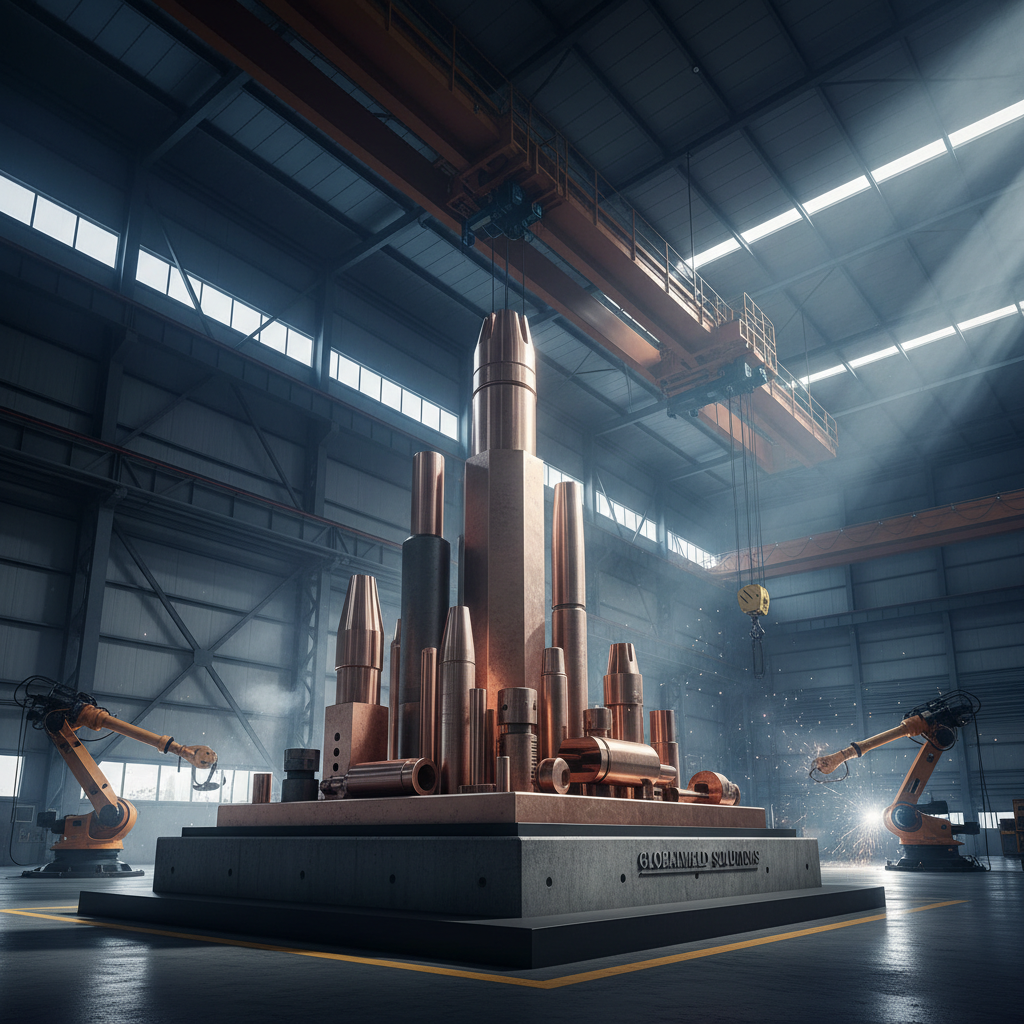
Resistance welding automation is rapidly transforming modern manufacturing processes, offering unprecedented levels of precision, speed, and efficiency. It’s no longer a niche technique but a cornerstone of industries ranging from automotive and aerospace to electronics and medical device production. The ability to consistently and reliably join metal components through automated systems is critical for maintaining product quality and meeting increasing global demands.
The increasing complexity of modern products, coupled with a global push for cost reduction and enhanced safety, drives the adoption of resistance welding automation. This technology isn’t merely about replacing human welders; it’s about enabling new design possibilities, improving weld integrity, and collecting valuable data for process optimization. Businesses are realizing the competitive advantage gained through implementing these advanced systems.
Understanding the fundamentals of resistance welding automation, its key components, applications, and future trends is crucial for engineers, manufacturing professionals, and business leaders seeking to innovate and remain competitive in today’s dynamic global landscape. It's a technology that addresses key manufacturing challenges and offers significant return on investment.
Introduction to Resistance Welding Automation
Resistance welding automation encompasses the integration of robotic systems, sophisticated control algorithms, and advanced sensing technologies to precisely control the resistance welding process. This allows for consistent weld quality, increased production rates, and reduced reliance on manual labor. Understanding the principles behind this technology is vital for modern manufacturing.
The core benefit lies in repeatability and precision. Unlike manual resistance welding, automated systems eliminate variations caused by human error, ensuring each weld meets stringent quality standards. This is especially critical in industries where structural integrity is paramount, such as automotive and aerospace. resistance welding automation is key to this precision.
Global Relevance and Industry Context
Resistance welding is a globally significant joining process, underpinning countless manufacturing sectors. According to the International Organization for Standardization (ISO), resistance welding is employed in over 80% of all welded steel structures globally. The automotive industry, a major driver of resistance welding innovation, accounts for a substantial portion of this usage, with millions of vehicles relying on resistance spot welding for chassis and body construction.
The global demand for efficient and reliable manufacturing processes is escalating, particularly in emerging economies. Countries like China, India, and Brazil are witnessing rapid industrial growth, driving up the need for automated resistance welding solutions. The World Bank reports that investment in manufacturing technologies in these regions is increasing at a rate of 15% annually, fueled by a desire to improve competitiveness.
A major challenge is maintaining weld quality and consistency in high-volume production environments. Manual resistance welding is prone to inconsistencies and requires extensive quality control measures. This is where resistance welding automation provides a decisive advantage, offering real-time monitoring and control to minimize defects and enhance overall product reliability.
Defining Resistance Welding Automation
Resistance welding automation is the use of robotic and computer-controlled systems to perform resistance welding operations. Rather than a human operator manually applying pressure and current, an automated system executes these parameters precisely and consistently. This includes controlling the welding current, welding time, electrode force, and cooling cycles.
This technology extends beyond simply replacing a human welder with a robot. It involves integrating advanced sensors, vision systems, and feedback controls to monitor the welding process in real-time and make adjustments as needed. This level of control is essential for achieving high-quality welds and maximizing efficiency. resistance welding automation contributes to improvements in quality.
Its connection to modern industry is profound. In a world demanding greater efficiency, precision, and traceability, resistance welding automation provides the tools to meet these challenges. It enables the mass production of complex assemblies with consistent quality, playing a critical role in modern supply chains and delivering durable, reliable products to consumers.
Core Components of Automated Systems
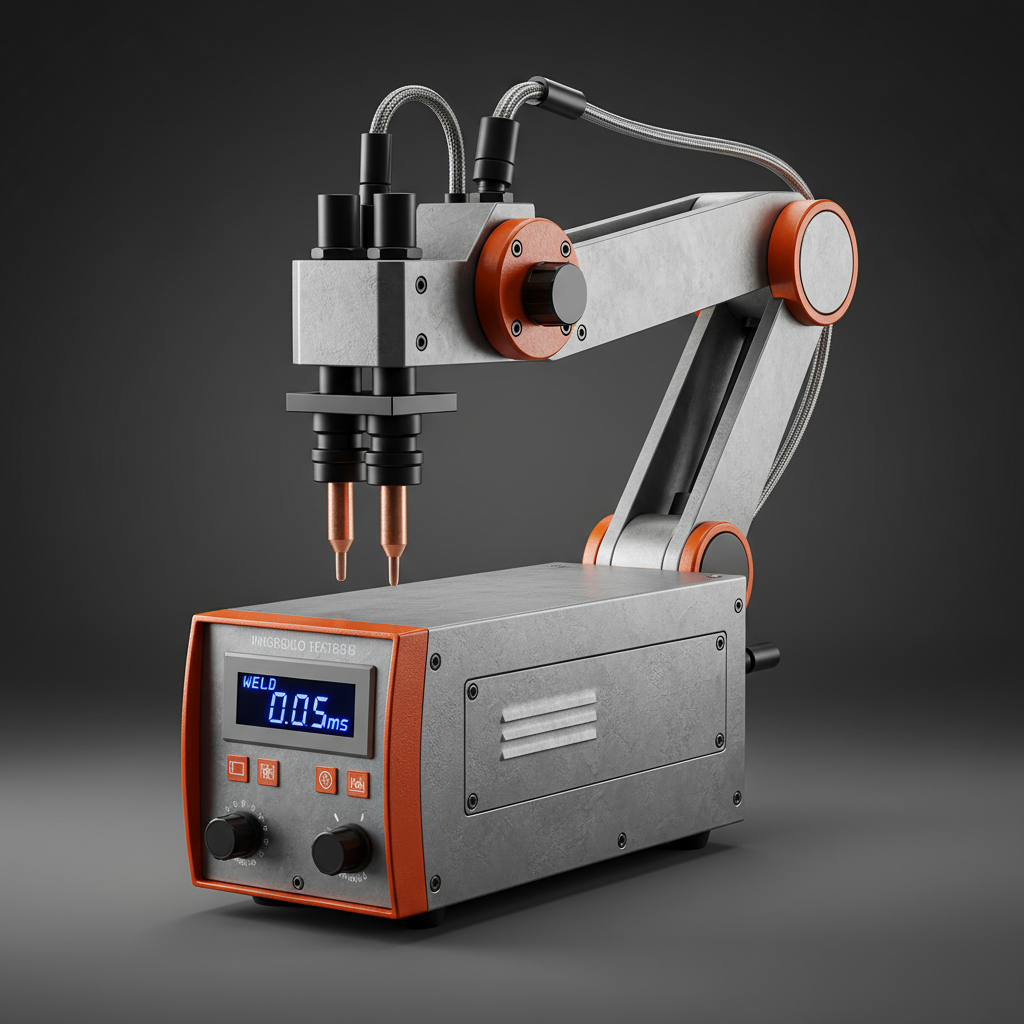
Automated resistance welding systems are complex, integrating several key components. These include industrial robots responsible for precise positioning and movement of the welding gun, power supplies delivering controlled electrical current, and welding transformers converting the input voltage to the required welding parameters. Integrated safety systems are also crucial for operator protection.
Advanced control systems are at the heart of these systems. These systems utilize programmable logic controllers (PLCs) and human-machine interfaces (HMIs) to manage the entire welding process, from electrode force control to current waveform optimization. Sensor integration, including force sensors, current sensors, and vision systems, provides real-time feedback for process monitoring and control.
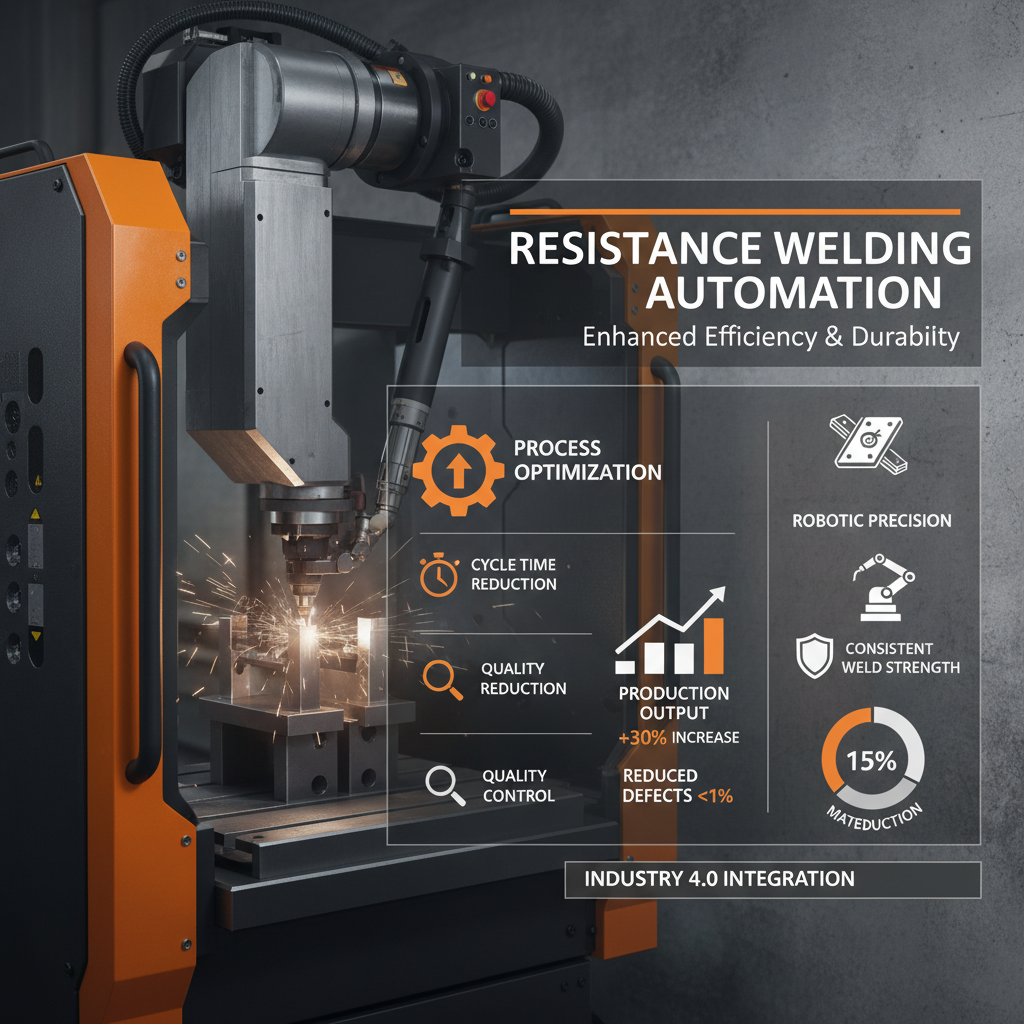
Resistance Welding Automation Performance Metrics
Real-World Applications and Use Cases
The automotive industry is perhaps the most prominent adopter of resistance welding automation, utilizing it extensively in the production of vehicle bodies, chassis components, and exhaust systems. Aerospace also relies heavily on automated resistance welding for manufacturing aircraft structures and engine parts. Similarly, the electronics industry employs it for joining electrical contacts and components.
In post-disaster relief operations, rapid deployment housing utilizing resistance welded steel frames offers a durable and quickly assembled shelter solution. In remote industrial zones, where skilled labor is scarce, automated resistance welding systems enable manufacturers to maintain high production standards. resistance welding automation becomes increasingly useful in these environments.
Advantages and Long-Term Value
The advantages of resistance welding automation are multi-faceted. Cost savings are significant, stemming from reduced labor costs, minimized material waste, and improved production efficiency. Sustainability is also enhanced through reduced energy consumption and the ability to use lighter-weight materials. A robust solution contributes to positive long-term value.
From a social impact perspective, automation can improve workplace safety by removing human workers from hazardous welding environments. It also promotes innovation and fosters a culture of continuous improvement. The reliability and consistency of automated welds instill trust in product quality, enhancing brand reputation and customer satisfaction.
Future Trends and Innovation
Several exciting trends are shaping the future of resistance welding automation. The integration of artificial intelligence (AI) and machine learning (ML) will enable adaptive welding processes that automatically optimize parameters based on real-time data. Digital twin technology will allow for virtual simulation and optimization of welding processes before implementation.
The development of new materials, such as advanced high-strength steels (AHSS), requires innovative welding solutions. Automation will play a crucial role in mastering the challenges of welding these materials, ensuring their structural integrity and maximizing their performance. Combining these with green energy approaches will drive sustainable manufacturing.
Furthermore, advancements in sensor technology and data analytics are paving the way for predictive maintenance, enabling manufacturers to anticipate and prevent equipment failures, minimizing downtime and maximizing productivity. This aligns with the broader trend of Industry 4.0 and the smart factory.
FAQS
The initial investment varies significantly based on the complexity of the system, the size of your operation, and the level of customization required. Factors include the cost of the robot, power supply, control system, tooling, safety equipment, and integration services. However, these costs are often offset by long-term savings in labor, material waste, and improved product quality. A detailed ROI analysis is recommended before investment.
Training duration depends on the prior experience of your personnel. Basic operation training usually takes 1-2 weeks, covering robot programming, system setup, and basic troubleshooting. Advanced maintenance and programming training can take several weeks or months. Manufacturers like us offer comprehensive training programs designed to empower your team.
Automated resistance welding is versatile and can join a wide range of materials, including mild steel, stainless steel, aluminum, and various alloys. However, the specific parameters and tooling must be adjusted based on the material properties. It's important to consult with an expert to ensure optimal weld quality for your chosen material.
Automation eliminates human error, ensuring consistent application of welding parameters like current, force, and time. Real-time monitoring and feedback control systems adjust these parameters as needed, compensating for variations in material thickness or surface conditions. This leads to fewer defects, improved structural integrity, and increased reliability.
Safety is paramount. Automated systems typically include light curtains, safety scanners, and emergency stop buttons to prevent accidents. Enclosed welding cells provide physical barriers to protect operators from sparks, fumes, and moving parts. Comprehensive risk assessments and safety training are crucial components of implementation.
With proper maintenance and regular servicing, a resistance welding automation system can have a lifespan of 10-15 years or even longer. Investing in high-quality components and preventative maintenance programs is essential to maximizing its longevity. Modern systems are designed for modularity, allowing for easy upgrades and replacements of individual components as needed.
Conclusion
Resistance welding automation represents a significant leap forward in manufacturing technology. By integrating robotics, advanced control systems, and data analytics, it unlocks unprecedented levels of precision, efficiency, and reliability. The benefits extend beyond cost savings and improved quality, encompassing enhanced workplace safety, sustainability, and innovation. The principles of resistance welding automation directly improve manufacturing operations and output.
Looking ahead, the continued development of AI, machine learning, and digital twin technology will further enhance the capabilities of automated resistance welding systems. Investing in this technology is not merely an operational upgrade; it's a strategic imperative for manufacturers seeking to remain competitive in the global landscape. To explore how resistance welding automation can transform your operations, visit our website: www.xdrmachinery.com.
 8613931787312
  Botou Industrial Zone on the east side of National Highway 104, Botou City, Hebei Province