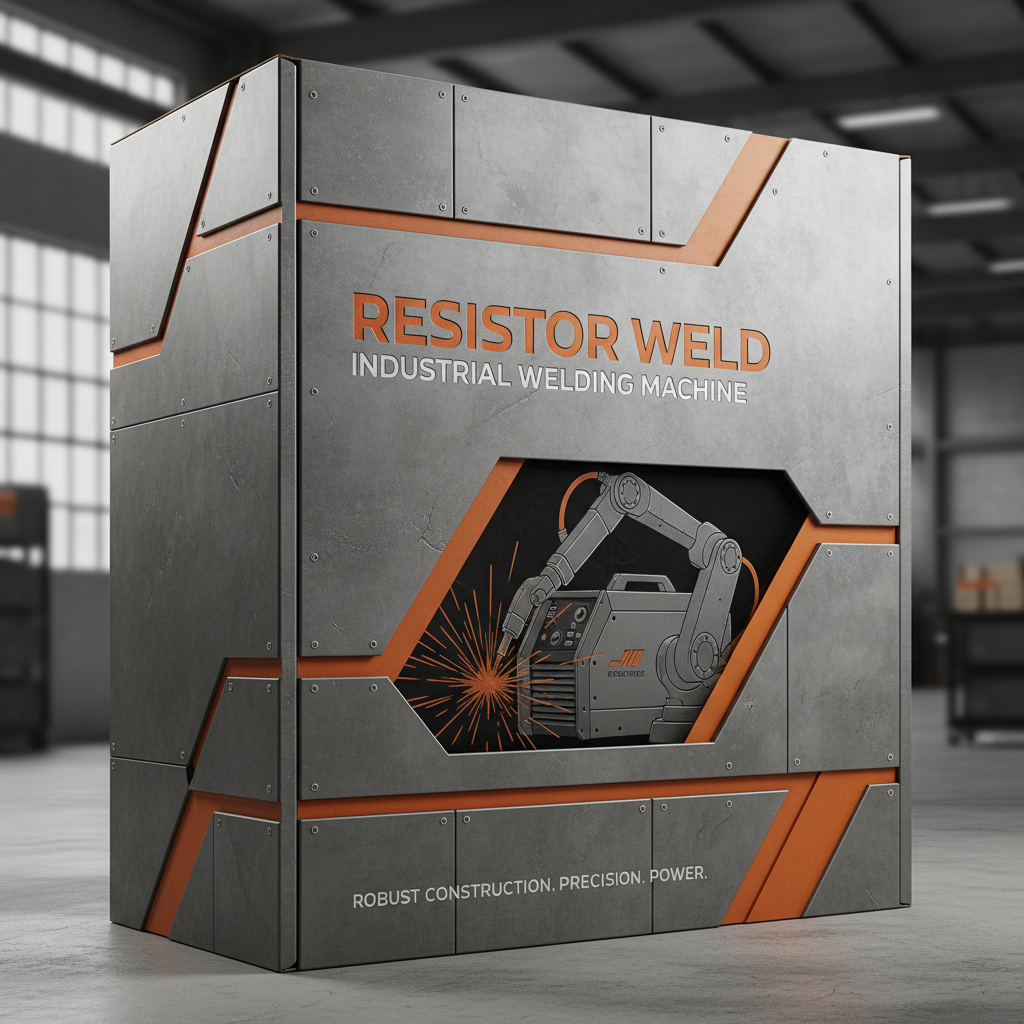
Resistor welding machines represent a critical advancement in joining metal components, offering a precise, efficient, and often automated solution across a diverse range of industries. These machines utilize the resistance heating principle to create strong, reliable welds without the need for external shielding gases or consumables, making them a cornerstone of modern manufacturing processes. Understanding the nuances of resistor welding machine technology is paramount for businesses aiming to optimize production, enhance product quality, and reduce operational costs.
The global demand for efficient and reliable welding solutions has driven significant innovation in resistor welding machine design and application. From automotive manufacturing and aerospace engineering to electronics assembly and medical device fabrication, the versatility of these machines is undeniable. Increasingly stringent quality control standards and the need for high-volume production necessitate the adoption of sophisticated welding techniques, positioning resistor welding machines as a key enabler of industrial progress.
Resistor welding machines are not merely tools; they are integral components of complex supply chains and manufacturing ecosystems. Their efficiency directly impacts production timelines and profitability, while their precision contributes to the safety and durability of finished products. As industries continue to evolve, the role of the resistor welding machine will only become more vital, demanding continuous improvement and adaptation to emerging challenges and opportunities.
The Core Principles of Resistor Welding Machine
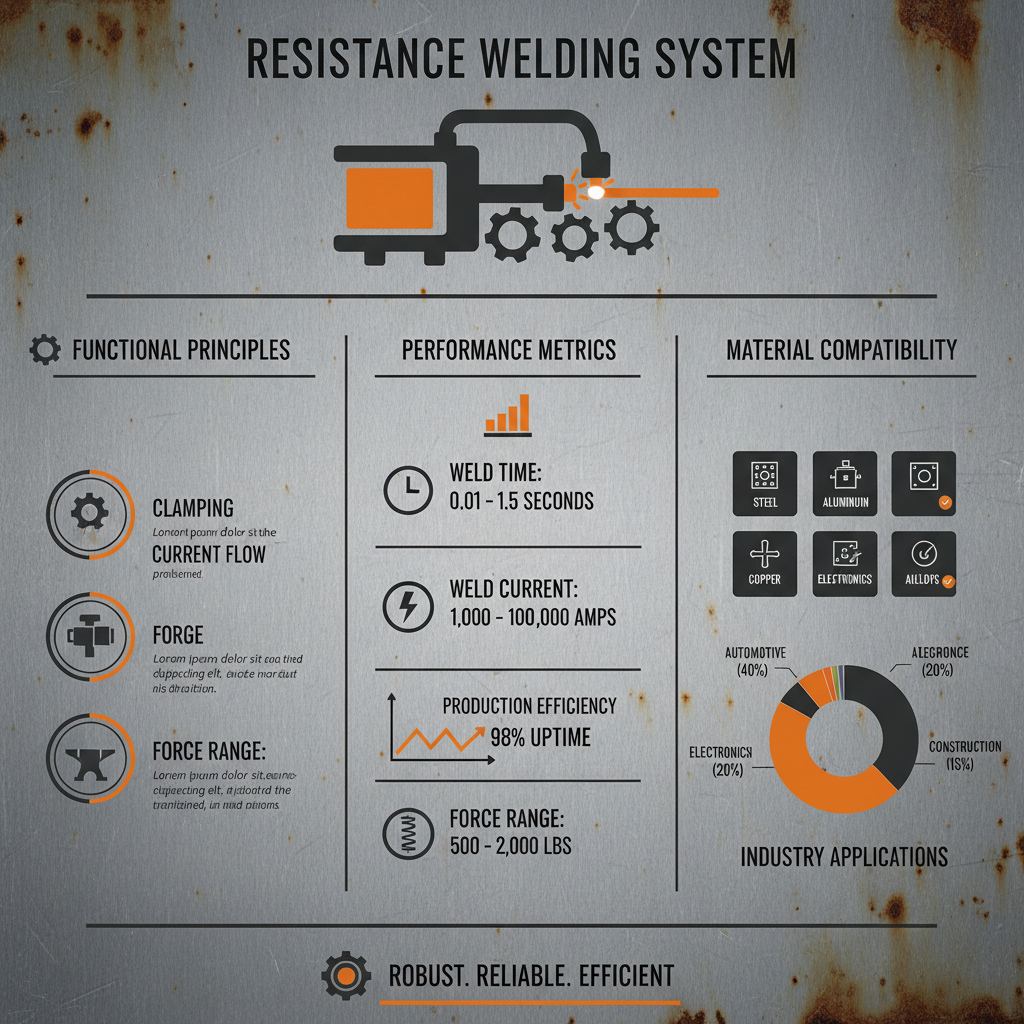
At its heart, a resistor welding machine functions on the principle of Joule heating. When an electric current passes through the resistance offered by the materials being joined, heat is generated. This localized heat melts the metal at the interface, creating a weld upon cooling. The precise control of current, pressure, and welding time are crucial for achieving optimal weld quality and consistency in a resistor welding machine.
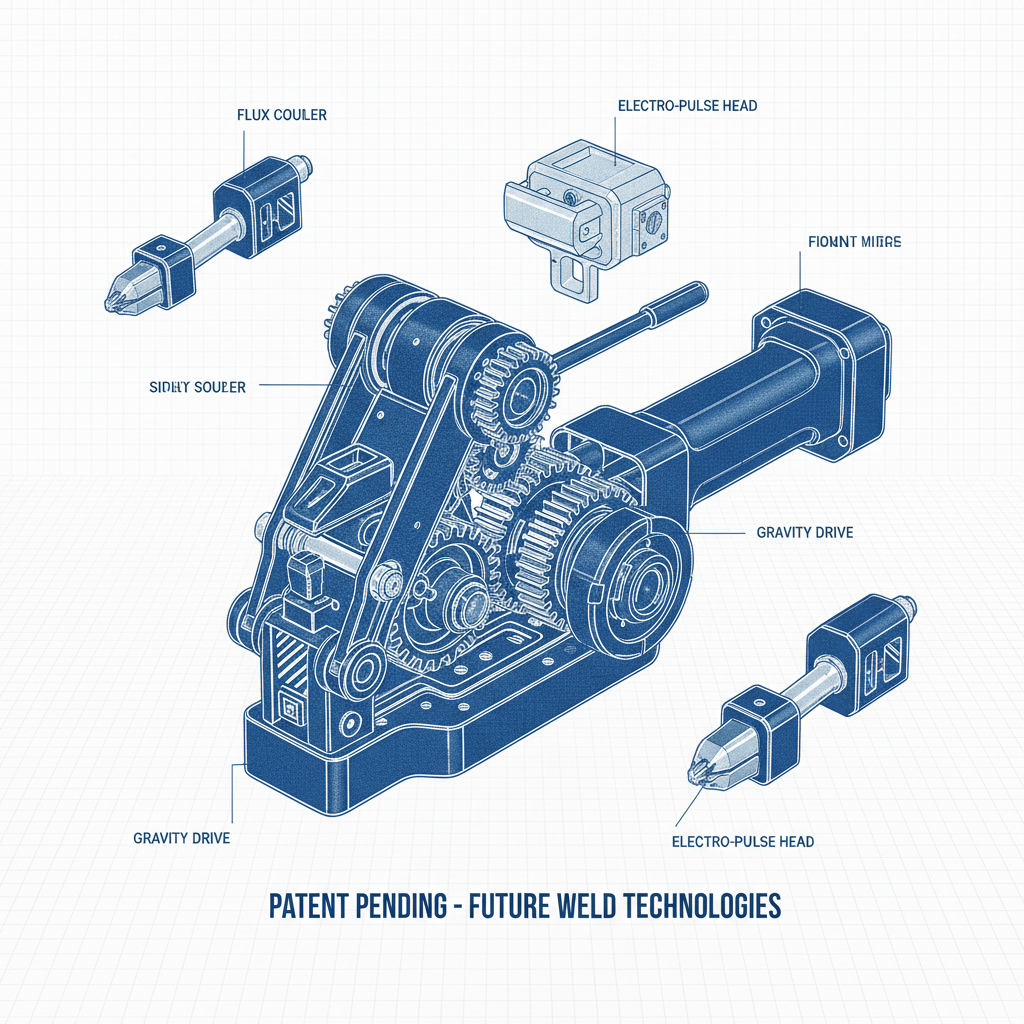
The design and configuration of the electrodes within a resistor welding machine play a vital role in focusing the current and applying the necessary pressure. Different electrode geometries are employed depending on the application, material type, and desired weld profile. Understanding these fundamental principles is key to maximizing the performance and lifespan of a resistor welding machine.
Global Impact and Industry Applications
Resistor welding machines have a substantial global impact, contributing to manufacturing efficiency in diverse industries worldwide. Countries with robust automotive, electronics, and aerospace sectors, such as Germany, Japan, the United States, and China, are significant consumers of this technology. According to industry reports, the global welding equipment market, including resistor welding machines, is projected to reach billions of dollars in the coming years, driven by increasing automation and demand for high-quality welds.
The automotive industry is a major driver of demand for resistor welding machines, utilizing them extensively in the production of vehicle bodies, chassis components, and exhaust systems. The aerospace sector relies on these machines for joining critical components in aircraft structures, where precision and reliability are paramount. Furthermore, the electronics industry leverages resistor welding for creating robust connections in printed circuit boards and other electronic assemblies.
Emerging economies are also witnessing a growing adoption of resistor welding machine technology as they invest in infrastructure development and manufacturing capacity. This trend is particularly evident in Southeast Asia and Latin America, where businesses are seeking to enhance their competitiveness through automation and improved production processes utilizing technologies like the resistor welding machine.
Defining the Resistor Welding Machine
A resistor welding machine is a specialized piece of industrial equipment designed to join metal parts through the application of heat generated by electrical resistance. Unlike fusion welding techniques, it doesn't rely on melting the base materials with a separate heat source. Instead, pressure and electric current are simultaneously applied across the joint, causing resistance heating that creates a weld.
This method is intricately connected to the demands of modern industry. The need for efficient, repeatable, and high-quality joining processes has made the resistor welding machine indispensable in sectors like automotive, electronics, and aerospace. It aligns with the principles of lean manufacturing by reducing waste and minimizing the need for post-weld finishing operations.
The core function of a resistor welding machine isn't just about joining materials; it’s about creating a structurally sound and electrically conductive connection that withstands stress and ensures long-term reliability. The precision afforded by these machines allows for the fabrication of intricate components and the assembly of complex structures, fundamentally enabling advancements across various industries.
Key Characteristics of Resistor Welding Machines
Resistor welding machines excel in several key areas. Firstly, their speed is remarkable, allowing for rapid weld cycles that significantly enhance production throughput. Secondly, they offer exceptional precision, capable of creating welds with tight tolerances and consistent quality. Thirdly, they demonstrate excellent repeatability, ensuring that each weld conforms to the desired specifications.
Beyond these core attributes, resistor welding machines are known for their reliability and low maintenance requirements. The simplicity of the process and the lack of consumable materials contribute to reduced operating costs and minimal downtime. Furthermore, the machines offer a relatively clean and environmentally friendly welding solution, as they do not produce harmful fumes or emissions.
Comparative Analysis of Resistor Welding Machine Methods
Real-World Applications of Resistor Welding
The automotive industry is perhaps the most prolific user of resistor welding machines, employing them extensively in the assembly of car bodies, where thousands of spot welds are required to create a strong and durable chassis. From the initial frame construction to the attachment of panels and reinforcements, resistor welding provides the speed and reliability needed for high-volume production.
In the aerospace sector, resistor welding machines are crucial for joining aluminum and other lightweight alloys used in aircraft construction. These welds must meet extremely stringent quality standards to ensure the safety and structural integrity of the aircraft. Similarly, in the electronics industry, resistor welding is used to create precise and reliable connections in circuit boards, microchips, and other electronic components.
Advantages and Long-Term Value Proposition
The advantages of utilizing a resistor welding machine are multifaceted. Primarily, the reduced material waste contributes significantly to cost savings, as no filler metals or shielding gases are required. Moreover, the process is highly efficient, minimizing energy consumption and reducing cycle times. The consistent weld quality offered by these machines translates to enhanced product reliability and reduced scrap rates.
The long-term value extends beyond immediate cost savings. The durability and low maintenance requirements of resistor welding machines contribute to a lower total cost of ownership. The enhanced safety features, such as automated controls and reduced fumes, create a more secure working environment. Investing in a resistor welding machine represents a commitment to quality, efficiency, and sustainability.
Future Trends and Technological Advancements
The future of resistor welding machines lies in greater automation, integration with Industry 4.0 principles, and the development of new materials and techniques. We can anticipate increasingly sophisticated control systems utilizing artificial intelligence and machine learning to optimize welding parameters in real-time. The integration of sensors and data analytics will provide valuable insights into weld quality and process efficiency.
Research into advanced electrode materials and welding techniques will further enhance the capabilities of these machines, enabling them to join a wider range of materials and create even stronger and more reliable welds. The increasing focus on sustainability will drive the development of more energy-efficient resistor welding machines and environmentally friendly welding processes.
Digital twin technology, offering virtual simulations of the welding process, is also poised to become a significant factor. These virtual models will allow engineers to fine-tune welding parameters and predict potential issues before they arise, leading to improved quality and reduced downtime in resistor welding machine operations.
Summary of Resistor Welding Machine Performance Metrics
| Weld Strength (MPa) |
Cycle Time (Seconds) |
Energy Consumption (kWh/Weld) |
Maintenance Index (1-10, 1=Low) |
| 850 |
0.8 |
0.05 |
3 |
| 920 |
1.2 |
0.07 |
4 |
| 780 |
0.6 |
0.04 |
2 |
| 950 |
1.0 |
0.06 |
5 |
| 800 |
0.7 |
0.05 |
3 |
| 900 |
1.1 |
0.06 |
4 |
FAQS
Resistor welding is most effective on materials with high electrical conductivity, such as mild steel, stainless steel, and aluminum alloys. The resistance between the materials generates the heat needed for welding. While other metals can be welded, achieving consistent results may require adjustments to welding parameters. It's crucial to consider the material's resistivity and thickness when selecting the appropriate welding settings for your resistor welding machine.
Electrode wear is a natural consequence of the welding process. Over time, the electrodes erode due to the intense heat and pressure, altering the current density and affecting weld consistency. Regular inspection and timely replacement of worn electrodes are essential for maintaining weld quality. Using appropriate electrode materials and cooling techniques can also help minimize wear and extend electrode life within your resistor welding machine.
Operating a resistor welding machine requires strict adherence to safety protocols. Always wear appropriate personal protective equipment (PPE), including welding helmets, gloves, and safety glasses, to protect against arc radiation, sparks, and potential burns. Ensure the machine is properly grounded and that all electrical connections are secure. Avoid operating the machine in damp or hazardous environments. Familiarize yourself with the machine's safety features and emergency stop procedures.
Material thickness is a critical factor in resistor welding. Thicker materials require higher welding currents and longer welding times to generate sufficient heat for fusion. Conversely, thinner materials need lower currents and shorter times to prevent burn-through. The appropriate selection of welding parameters is vital to ensure a strong, consistent weld without damaging the workpiece. Adjustments to pressure and electrode force are also important based on material thickness.
Regular maintenance is crucial for ensuring the long-term reliability and performance of a resistor welding machine. Key maintenance tasks include cleaning the electrodes, inspecting and lubricating moving parts, checking electrical connections, and monitoring cooling systems. Periodic calibration of the welding controls is also recommended. Following the manufacturer's recommended maintenance schedule will help prevent breakdowns and extend the machine’s lifespan.
Joining dissimilar metals with resistor welding is challenging due to differences in their electrical conductivity, melting points, and thermal expansion coefficients. While it is possible in certain cases, careful consideration must be given to the material properties and welding parameters. Often, intermediate layers or specialized welding techniques are required to achieve a reliable weld. A thorough evaluation of material compatibility is essential before attempting to weld dissimilar metals with a resistor welding machine.
Conclusion
In conclusion, the resistor welding machine stands as a pivotal technology in modern manufacturing, offering a compelling blend of speed, precision, reliability, and cost-effectiveness. Its applications span across diverse industries, driving efficiency and innovation in areas like automotive production, aerospace engineering, and electronics assembly. Understanding the core principles, key characteristics, and future trends surrounding this technology is essential for businesses aiming to optimize their operations and maintain a competitive edge.
Looking ahead, the continued advancement of resistor welding machine technology promises even greater levels of automation, efficiency, and sustainability. By embracing innovative materials, intelligent control systems, and data-driven insights, we can unlock the full potential of this versatile welding technique and shape the future of manufacturing. Visit our website at www.xdrmachinery.com to learn more about our range of resistor welding machines and how we can help you achieve your welding goals.
 8613931787312
  Botou Industrial Zone on the east side of National Highway 104, Botou City, Hebei Province