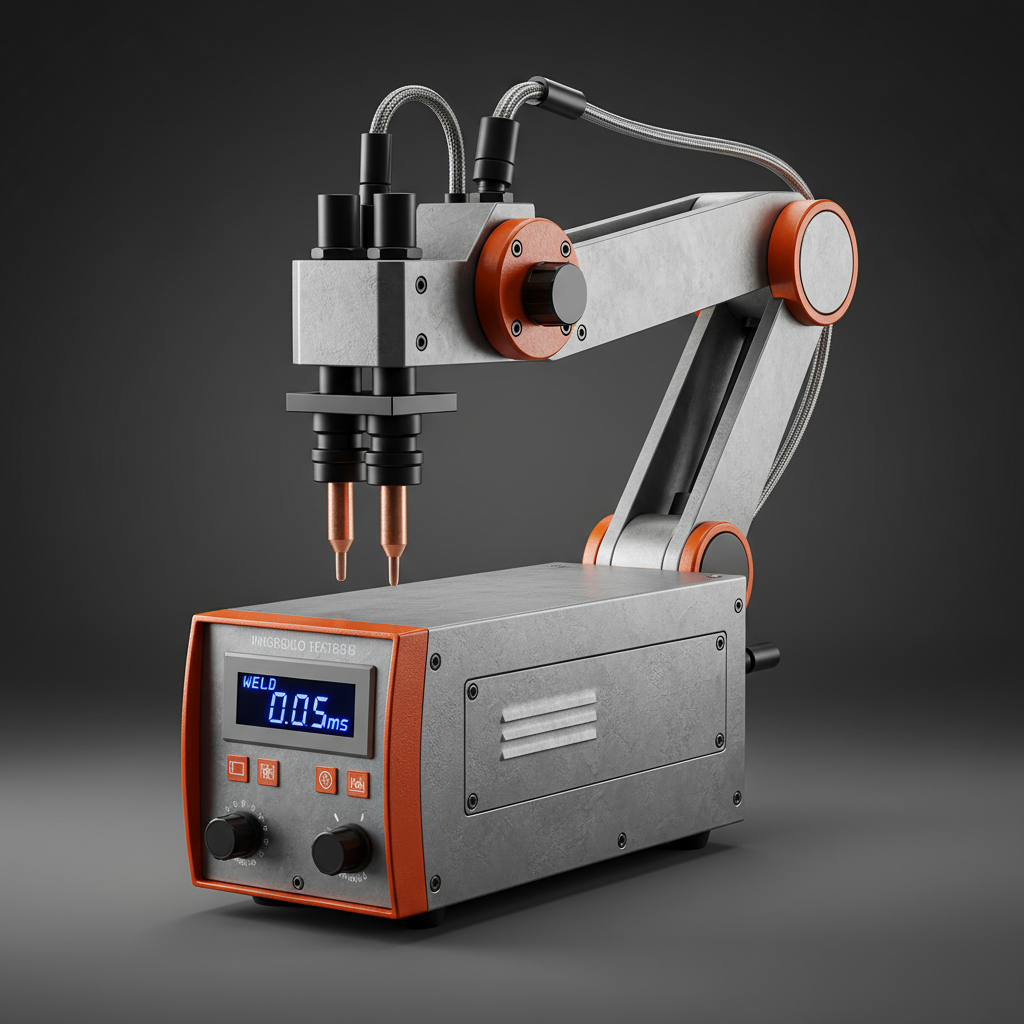
Resistance spot welding equipment plays a critical role in modern manufacturing, offering a precise and efficient method for joining metal sheets. This technology is fundamental to a vast array of industries, from automotive and aerospace to electronics and appliance manufacturing. The demand for reliable and high-quality welding solutions continues to grow alongside industrial expansion, making understanding resistance spot welding equipment essential for engineers, technicians, and business leaders alike.
Globally, the resistance spot welding market is experiencing substantial growth, driven by the increasing production of automobiles, particularly electric vehicles which require extensive spot welding for battery housings and structural components. According to a report by the World Bank, manufacturing output is projected to increase by 4% globally in the next year, further boosting the need for advanced welding technologies. However, challenges remain in terms of optimizing energy efficiency and minimizing environmental impact within the process.
The benefits of mastering resistance spot welding are far-reaching, impacting not only production efficiency but also product quality, safety, and cost-effectiveness. Investing in advanced resistance spot welding equipment and skilled personnel is a strategic move for businesses seeking to maintain a competitive edge in today's dynamic industrial landscape.
Introduction to Resistance Spot Welding Equipment
Resistance spot welding equipment represents a cornerstone of modern joining technologies, providing a fast, reliable, and cost-effective method for assembling metal components. This process utilizes electrical resistance to generate heat at the interface of two or more metal sheets, creating a localized weld without the need for filler materials. It’s a staple in many high-volume manufacturing processes.
The evolution of resistance spot welding equipment has been marked by continuous improvements in control systems, electrode materials, and power delivery methods. Modern systems often incorporate automated features like robotic integration, real-time monitoring, and data analytics to optimize weld quality and process efficiency.
Defining Resistance Spot Welding Equipment
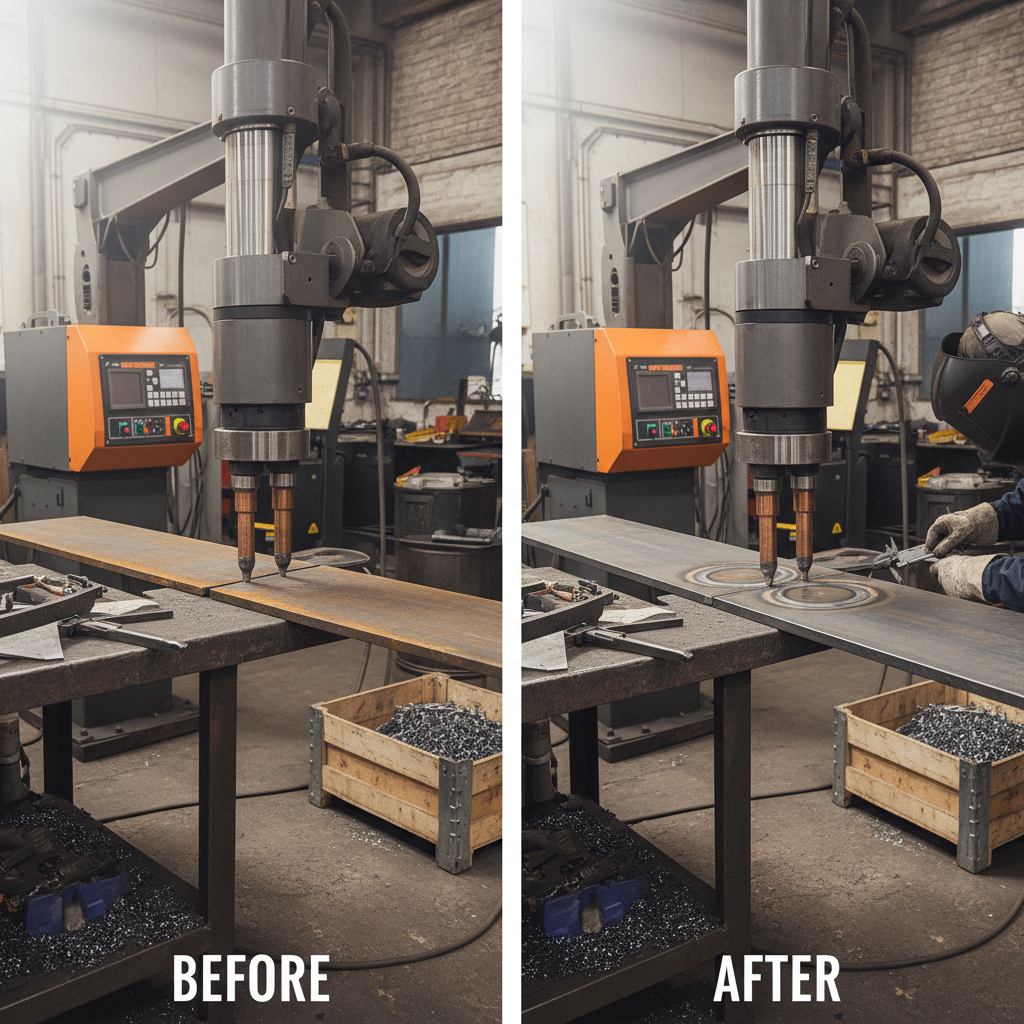
Resistance spot welding equipment is a system designed to join metal sheets through localized heating generated by resistance to the flow of electric current. The equipment typically consists of a welding power source, electrodes, a clamping mechanism, and a control system. The core principle relies on passing a high current through the area between two electrodes pressed onto the metal sheets.
This process isn’t just limited to automotive applications. It’s also vital in the manufacturing of appliances, structural steel components, and even medical devices. Its connection to modern industry lies in its ability to deliver high-speed, consistent welds, enabling mass production and reducing manufacturing costs.
The rise of lightweight materials, like advanced high-strength steels and aluminum alloys, has further increased the importance of resistance spot welding as these materials require specialized welding techniques to ensure structural integrity and performance.
Core Components and Operational Factors
Several key components dictate the performance and reliability of resistance spot welding equipment. These include the transformer, which provides the necessary welding current, the electrodes, which conduct the current and apply pressure, and the control system, which regulates the welding parameters. The selection of appropriate electrode materials is crucial, as they influence weld quality and lifespan.
Operational factors such as welding current, weld time, electrode force, and surface preparation significantly impact the weld’s strength and consistency. Precise control over these parameters is essential to achieve optimal results. Proper surface cleaning ensures good electrical contact and minimizes defects, while maintaining consistent electrode force promotes uniform current distribution.
The type of metal being welded also dictates specific parameters. Different metals have varying electrical conductivity and thermal properties, requiring tailored welding schedules. A well-maintained system is paramount; regular inspection and replacement of worn components ensure continued efficiency and minimize downtime.
Global Applications and Industry Impact
Resistance spot welding equipment has a pervasive presence across diverse industries globally. The automotive industry is arguably the largest consumer, utilizing the technology extensively in vehicle body assembly. Aerospace applications demand precise and reliable welds for critical structural components.
In the electronics sector, resistance spot welding is employed in the fabrication of enclosures and internal structures. Furthermore, appliance manufacturers rely on spot welding for assembling sheet metal casings and components. In regions with robust manufacturing sectors, like China, Germany, and the United States, the demand for high-performance resistance spot welding equipment is consistently high.
Even in developing nations, where infrastructure development is rapidly occurring, resistance spot welding equipment is vital for building metal structures and manufacturing various goods. In remote industrial zones, the portability and relative simplicity of some spot welding systems make them an invaluable asset.
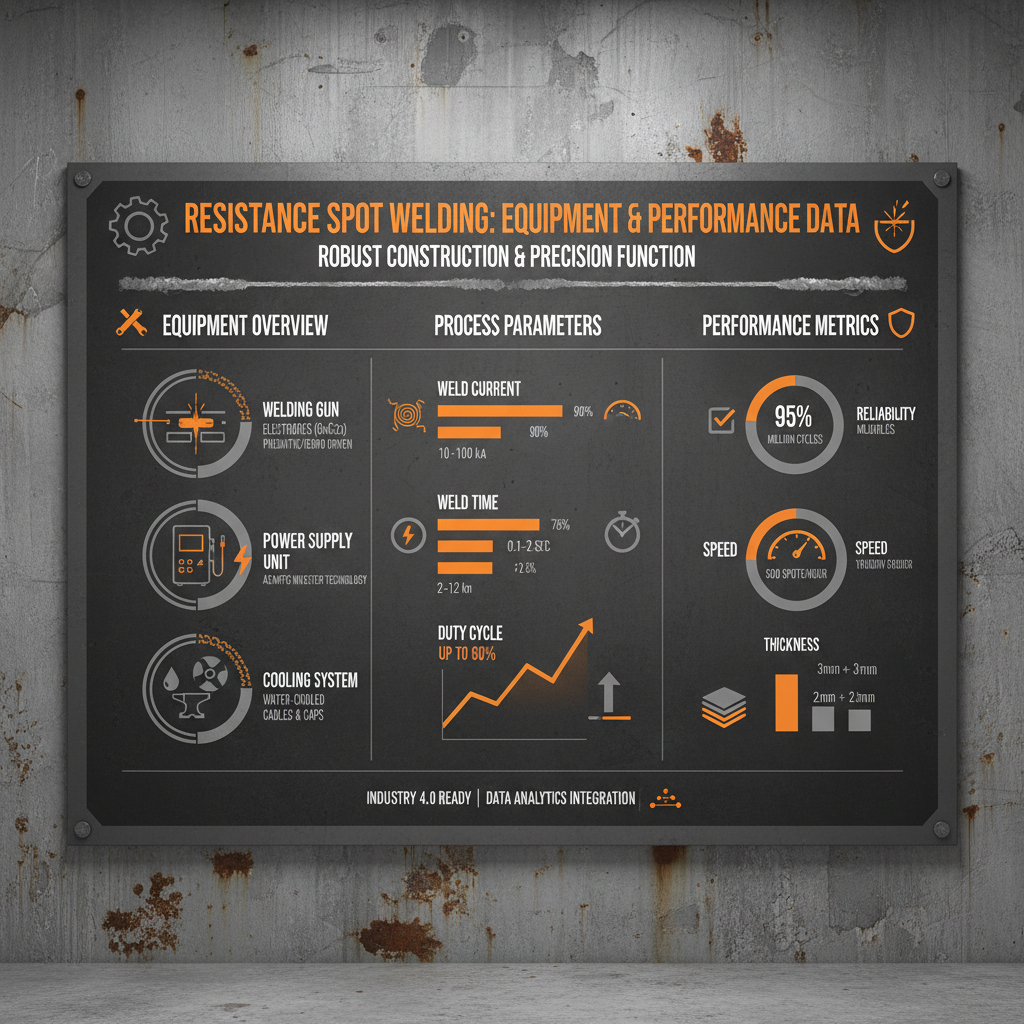
Resistance Spot Welding Equipment Performance Metrics
Advantages and Long-Term Value Proposition
The advantages of utilizing resistance spot welding equipment are multifaceted. Cost-effectiveness is a primary benefit, as the process requires minimal consumables and is relatively fast. Its inherent speed and precision contribute to increased production efficiency, ultimately reducing manufacturing costs.
From a sustainability perspective, resistance spot welding generates minimal waste and emissions compared to other welding processes. This aligns with growing environmental concerns and contributes to a lower carbon footprint. Reliability is also a key advantage, consistently producing strong and durable welds when operated and maintained properly.
Future Trends and Technological Advancements
The future of resistance spot welding equipment is poised for significant advancements. Integration of artificial intelligence (AI) and machine learning algorithms is enabling predictive maintenance, optimizing welding parameters in real-time, and improving weld quality control. Furthermore, the development of new electrode materials and coatings is enhancing electrode lifespan and weld performance.
Digitalization and automation are also key trends, with increased connectivity allowing for remote monitoring, data analysis, and process optimization. The demand for more energy-efficient systems will drive innovation in power supply technologies and control algorithms.
Challenges and Innovative Solutions
Despite its many benefits, resistance spot welding faces challenges, including electrode wear, weld spatter, and the potential for nugget pull-out. Electrode wear can lead to inconsistent weld quality and increased downtime. Weld spatter requires cleaning and can contribute to waste.
Innovative solutions, such as adaptive control systems that automatically adjust welding parameters based on real-time feedback, are being developed to mitigate these issues. Advanced electrode materials with enhanced wear resistance and anti-spatter coatings are also gaining traction.
Furthermore, research into alternative welding techniques, like hybrid welding, which combines resistance spot welding with laser or ultrasonic welding, is showing promising results for joining dissimilar metals and achieving higher weld strengths.
Summary of Key Resistance Spot Welding Equipment Challenges and Solutions
| Challenge |
Impact on Production |
Potential Solution |
Implementation Cost (1-10) |
| Electrode Wear |
Reduced Weld Quality, Increased Downtime |
Advanced Electrode Materials |
6 |
| Weld Spatter |
Increased Cleaning Costs, Waste |
Anti-Spatter Coatings, Optimized Parameters |
4 |
| Nugget Pull-Out |
Compromised Weld Strength |
Improved Joint Design, Increased Welding Current |
7 |
| Parameter Optimization |
Inconsistent Weld Quality |
AI-Powered Adaptive Control |
8 |
| Dissimilar Metal Welding |
Difficult to Achieve Strong Bonds |
Hybrid Welding Techniques |
9 |
| Monitoring Weld Quality |
Potential for Defects to Go Undetected |
Real-Time Monitoring Systems |
5 |
FAQS
Resistance spot welding offers several advantages, including speed, cost-effectiveness, and the ability to join dissimilar metals. It's a highly efficient process requiring minimal preparation and filler materials. Furthermore, it's well-suited for high-volume production environments, making it ideal for industries like automotive manufacturing. The process also creates localized heat, minimizing distortion of the base materials.
Electrode lifespan depends heavily on the materials being welded, the welding current used, and the number of welds performed. Typically, electrodes need replacement after several thousand welds, but this number varies significantly. Regular inspection for signs of wear, such as mushrooming or pitting, is crucial to ensure consistent weld quality and prevent defects. Ignoring electrode wear can lead to poor welds and increased spatter.
Resistance spot welding is most commonly used to join mild steel, stainless steel, and aluminum alloys. However, it can also be used to weld other metals, like nickel and copper, with appropriate electrode selection and parameter adjustments. The weldability of a material depends on its electrical conductivity and thermal properties. Joining dissimilar metals often requires specialized techniques and careful parameter control.
Welding current is a critical parameter. Too low a current may result in a weak or incomplete weld, while too high a current can cause excessive spatter, electrode damage, and potential burn-through. The optimal current depends on the material thickness, type, and electrode force. Precise control and calibration of the welding current are essential for achieving consistent and reliable welds. Modern resistance spot welding equipment often includes automated current control systems.
Regular maintenance is vital for ensuring the longevity and performance of the equipment. This includes cleaning electrodes, inspecting and lubricating moving parts, checking electrical connections, and calibrating the control system. Periodically examining the transformer and cooling system is also important. Following the manufacturer’s recommended maintenance schedule will help prevent breakdowns and maintain weld quality.
Absolutely. Resistance spot welding is highly amenable to automation, often integrated with robotic systems. Automation increases production speed, improves weld consistency, and reduces labor costs. Automated systems can also incorporate real-time monitoring and quality control features, further enhancing efficiency and reliability. Robotic integration is a standard practice in modern automotive and manufacturing facilities.
Conclusion
Resistance spot welding equipment remains an indispensable technology across a broad spectrum of industries. Its ability to deliver rapid, reliable, and cost-effective joining solutions continues to drive innovation and efficiency in manufacturing processes worldwide. Understanding the core components, operational factors, and emerging trends in resistance spot welding is paramount for engineers, technicians, and business leaders seeking to optimize their production capabilities.
Looking ahead, advancements in AI, automation, and materials science will further enhance the capabilities of resistance spot welding equipment. Investing in this technology is not only a strategic move for businesses today but also a crucial step toward future-proofing their operations and maintaining a competitive edge in an increasingly demanding global market. Visit our website at www.xdrmachinery.com to learn more about our range of resistance spot welding solutions.
 8613931787312
  Botou Industrial Zone on the east side of National Highway 104, Botou City, Hebei Province