-
 8613931787312
 -
 Botou Industrial Zone on the east side of National Highway 104, Botou City, Hebei Province
8613931787312
Laser welding pipe is becoming increasingly crucial in modern infrastructure projects. It’s not just a fancy welding technique; it’s a game-changer for pipeline construction, particularly in sectors like oil and gas, water transport, and increasingly, renewable energy. I’ve spent the last decade crawling around construction sites, and I've seen firsthand how traditional welding methods can be a massive bottleneck – slow, prone to errors, and requiring a ton of skilled labor. This technology addresses those problems head-on, offering faster speeds, deeper penetration, and consistently high-quality welds. It's a step towards building more resilient and efficient systems, and frankly, it's about time we saw innovation like this making a real impact.
The demand for robust and reliable piping systems is booming globally. We're talking about trillions of dollars in infrastructure investment planned over the next decade, particularly in emerging economies. The UN estimates a significant shortfall in water infrastructure alone, and the World Bank is heavily funding pipeline projects in developing nations. This isn’t just about economic growth; it’s about providing clean water, reliable energy, and supporting sustainable development. But these projects need to be built fast and right. Traditional methods just aren’t scaling to meet the demand, and that’s where laser welding pipe steps in.
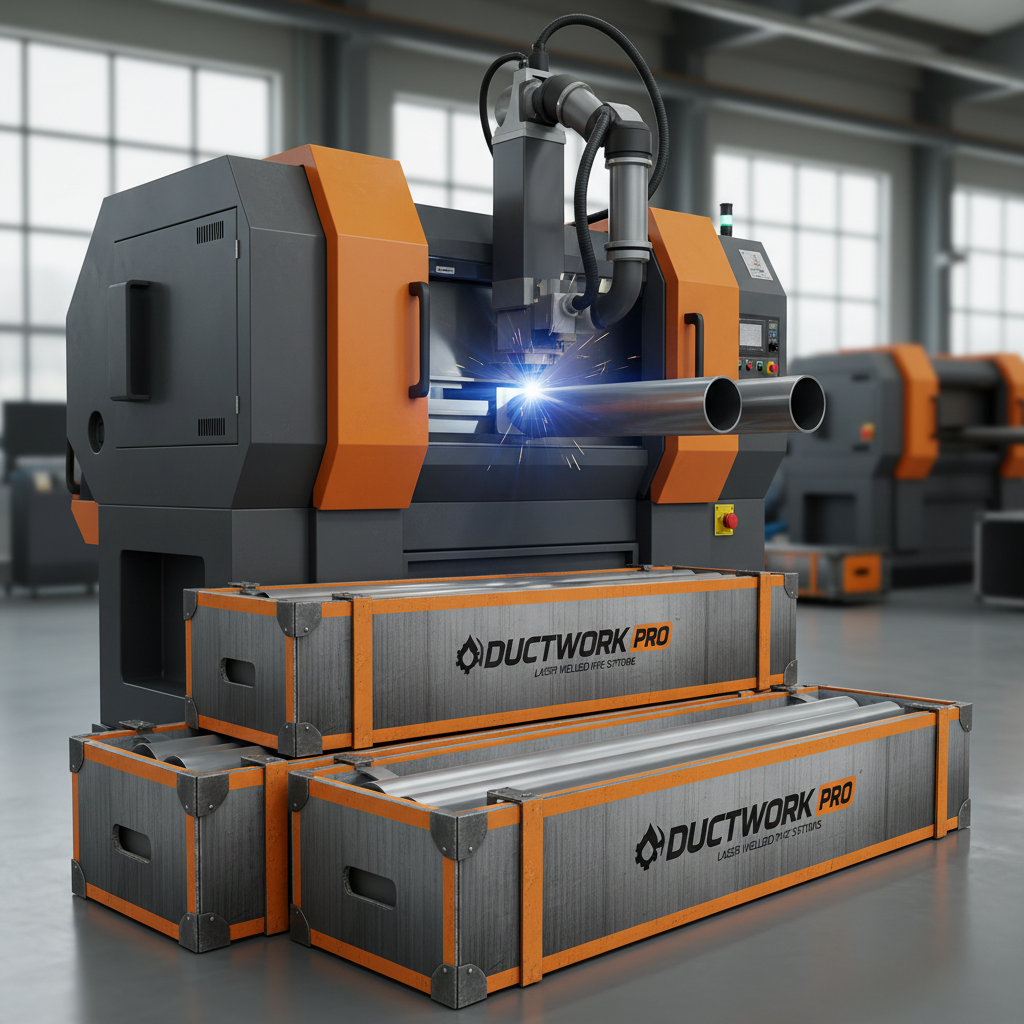
Essentially, laser welding pipe uses a highly focused laser beam to fuse the pipe sections together. It’s a precision process, offering significantly reduced heat-affected zones and minimal distortion compared to traditional methods like arc welding. This isn't just a lab experiment; it’s being deployed in real-world applications, from constructing high-pressure gas pipelines to building intricate cooling systems. It’s a technology that bridges the gap between engineering ambition and on-the-ground practicality.
You’ve got to understand, pipelines aren’t glamorous. They’re the veins and arteries of modern society, often hidden out of sight. But when they fail, the consequences can be catastrophic. Laser welding pipe offers a substantial leap in reliability compared to older methods. The precision control minimizes flaws and ensures stronger, more durable joints. This isn't just about preventing leaks; it’s about reducing maintenance costs and extending the lifespan of critical infrastructure.
From my experience, a significant portion of pipeline failures stem from weld defects. Laser welding drastically reduces this risk. It also means less rework, fewer delays, and a safer working environment for the crews on the ground. We’re talking about reducing potential environmental disasters and protecting public health – it’s a serious responsibility, and laser welding is a tool that helps us meet that challenge.
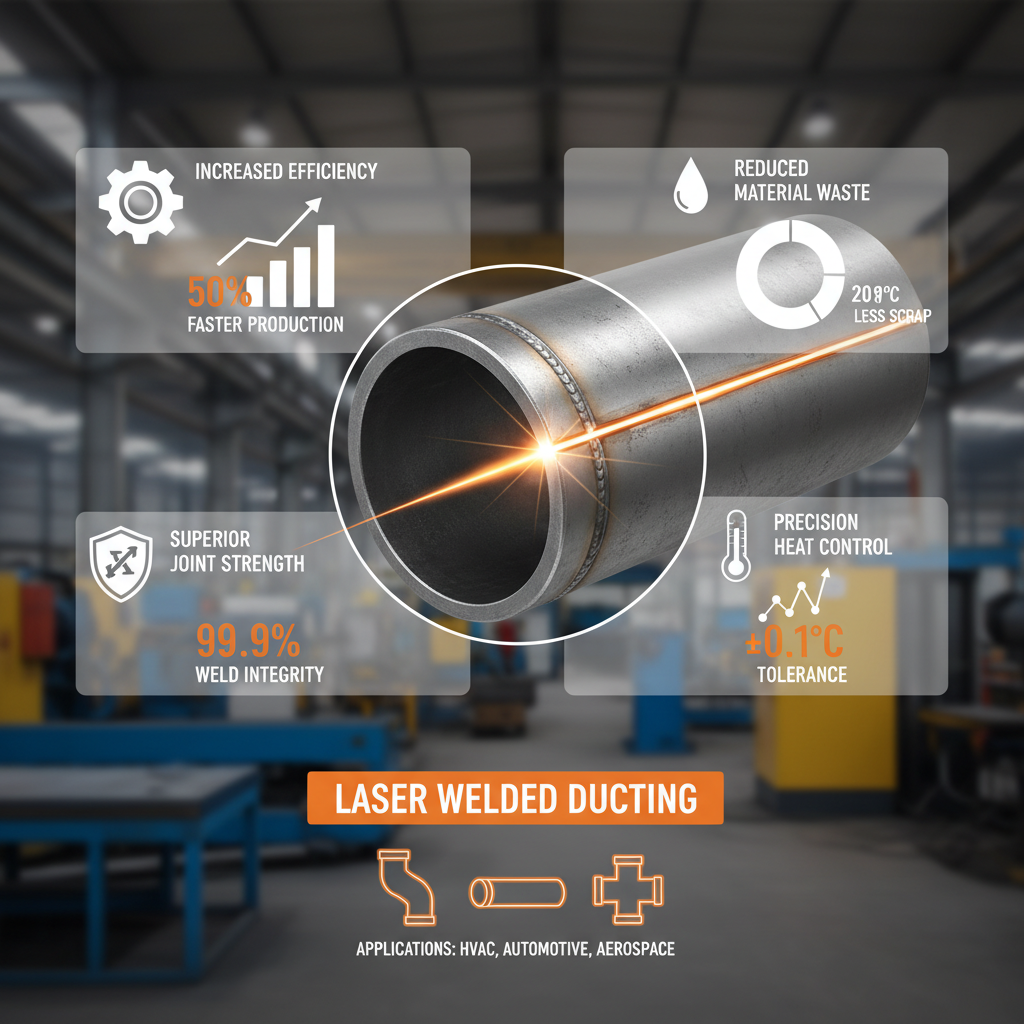
Laser welding offers several key advantages, including faster welding speeds, deeper penetration, minimal distortion, reduced heat-affected zones, and the ability to weld a wider range of materials. It also requires less surface preparation and filler metal, leading to cost savings and increased efficiency. From my experience on site, the consistency of the welds is a huge win, reducing the need for rework.
While versatile, laser welding isn't ideal for every material. It works exceptionally well with carbon steel, stainless steel, and various alloys. However, some highly reflective materials or those with specific alloy compositions may require specialized techniques or aren’t suitable for laser welding. Careful material selection and parameter optimization are crucial.
While laser welding is more automated than traditional methods, skilled operators are still essential. They need to understand laser physics, material properties, and welding parameters. However, the level of manual dexterity required is lower, and training programs are readily available to upskill existing welding personnel. The control systems are becoming more user-friendly, too.
Laser welding involves high-powered lasers, so safety is paramount. Proper eye protection (laser safety glasses) is non-negotiable. Additionally, appropriate shielding and ventilation are required to prevent exposure to fumes and radiation. Thorough training on equipment operation and safety procedures is essential for all personnel.
The initial investment in laser welding equipment can be significant. However, the long-term cost savings from reduced rework, faster welding speeds, and lower material waste often outweigh the upfront expenses. The cost will vary depending on the specific system, automation level, and application requirements. Consider the total cost of ownership, including maintenance and training.
Laser welding is a more sustainable welding process due to its higher energy efficiency and reduced material waste. The minimal heat-affected zone reduces the need for post-weld heat treatment, further lowering energy consumption. Additionally, the ability to create stronger, more durable welds extends the lifespan of pipelines, reducing the need for frequent replacements.
Laser welding pipe is more than just a technological advancement; it’s a strategic investment in the future of infrastructure. From reducing construction costs and improving weld quality to enhancing safety and promoting sustainability, the benefits are undeniable. It’s a technology that’s transforming the pipeline industry, making it more efficient, reliable, and resilient.
I encourage anyone involved in pipeline construction, maintenance, or operation to explore the potential of laser welding. The initial investment may seem daunting, but the long-term returns are substantial. It's time to move beyond traditional methods and embrace the innovation that will shape the future of our critical infrastructure. laser welding pipe Visit our website at www.xdrmachinery.com to learn more.