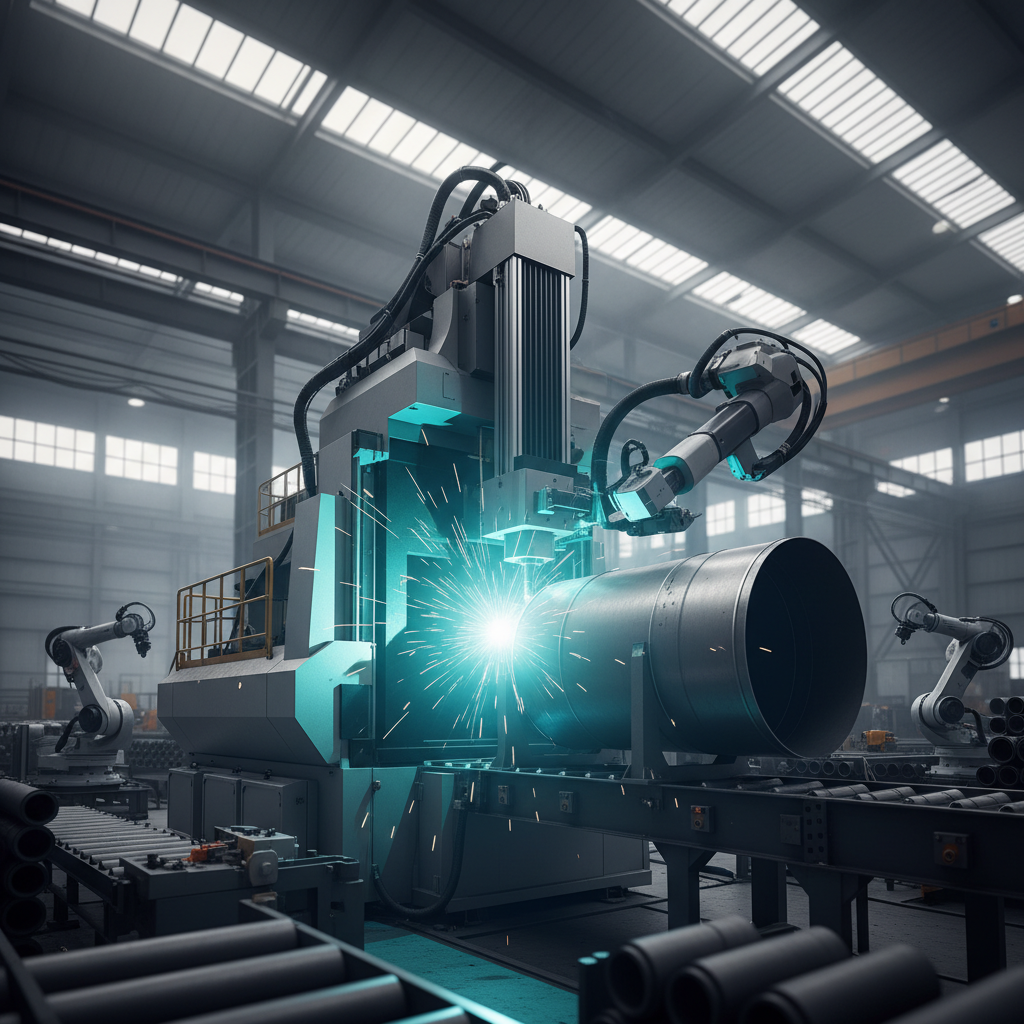
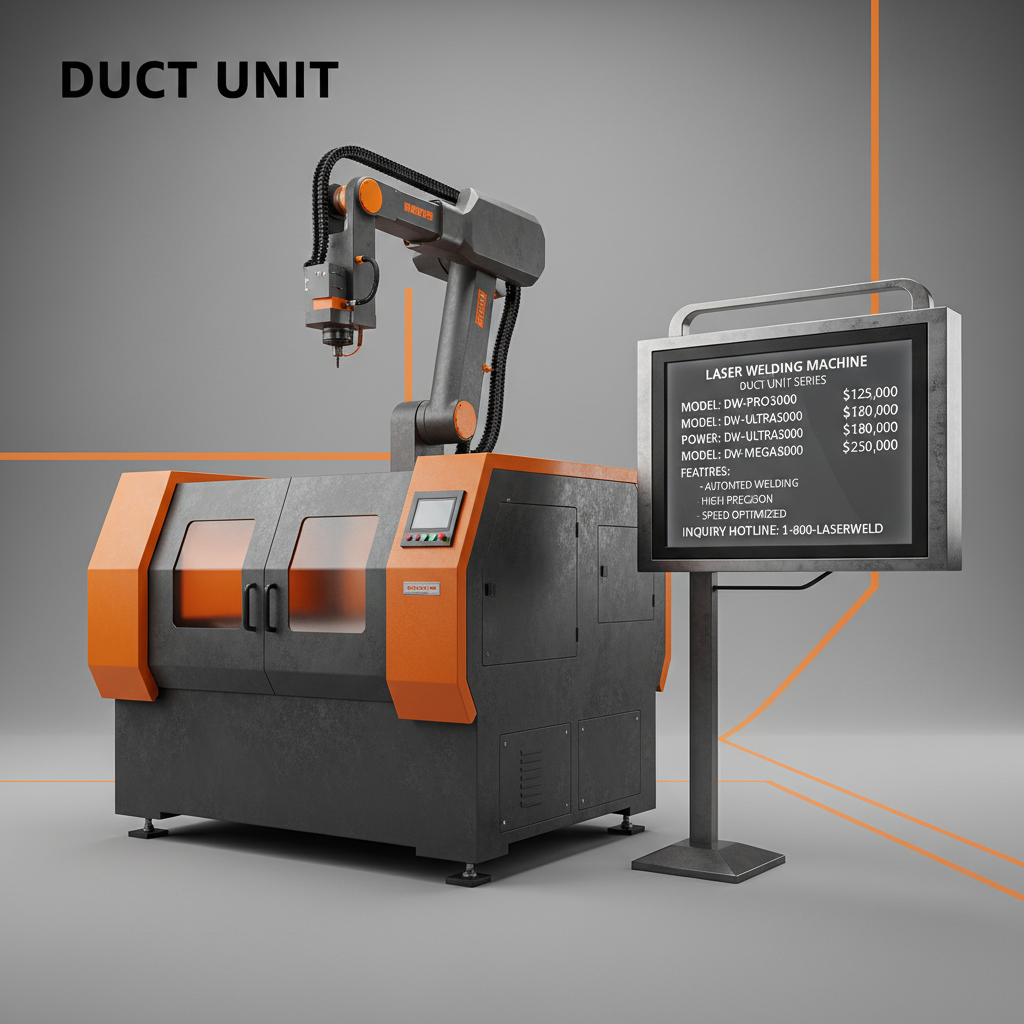
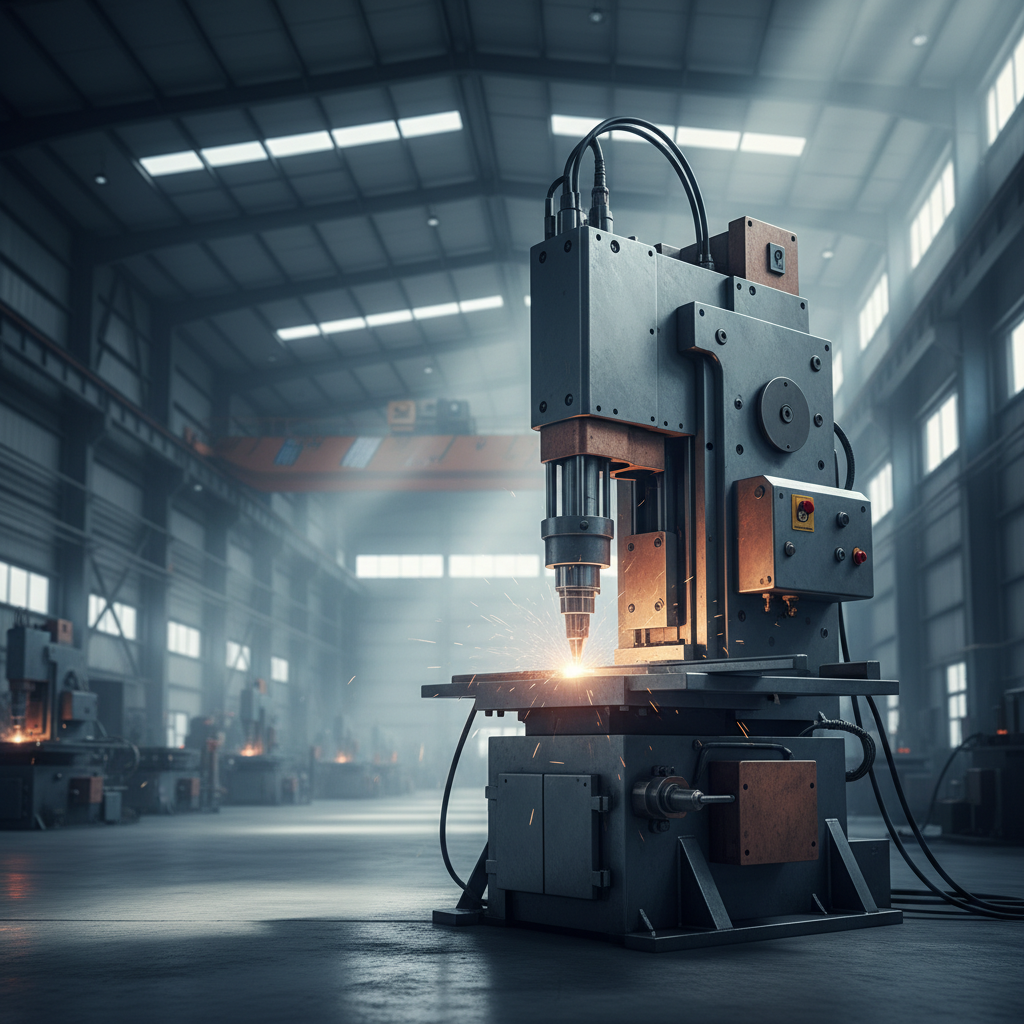
The advent of the steel laser welding machine represents a significant leap forward in materials joining technology, revolutionizing industries ranging from automotive manufacturing and aerospace engineering to shipbuilding and medical device fabrication. This innovative process delivers unparalleled precision, speed, and efficiency compared to traditional welding techniques, directly impacting productivity and product quality. Understanding the nuances of steel laser welding machines is crucial for businesses seeking to enhance their competitive edge in today’s rapidly evolving industrial landscape.
Globally, the demand for high-strength, lightweight materials and automated manufacturing processes is accelerating. According to a report by the International Federation of Robotics (IFR), the deployment of industrial robots – a key component in laser welding automation – increased by 13% in 2022. This growth is fueled by the need to overcome labor shortages, improve weld consistency, and reduce material waste. The steel laser welding machine directly addresses these challenges, offering a cost-effective and reliable solution for complex welding applications.
A key problem this technology solves is the limitations of conventional welding methods when dealing with high-strength steels and intricate geometries. Traditional methods can be slow, produce inconsistent welds, and introduce thermal distortion. The precision and control offered by steel laser welding machines minimize these drawbacks, resulting in superior weld integrity and reduced rework.
Introduction to Steel Laser Welding Machine
The steel laser welding machine utilizes a focused laser beam to melt and fuse steel components together, creating a strong and precise weld. Unlike traditional arc welding, it’s a non-contact process, eliminating the need for filler metals in many applications and reducing the risk of contamination. This technology is critical in applications demanding high precision and minimal heat-affected zones.
This process is known for its speed and accuracy. It has become a mainstay in modern manufacturing, offering a compelling alternative to traditional welding methods. The ability to automate steel laser welding further enhances its efficiency and reduces reliance on skilled labor, contributing to substantial cost savings.
Defining Steel Laser Welding Machine
A steel laser welding machine is a sophisticated piece of equipment that employs a highly focused laser beam to join steel materials. The laser beam delivers intense heat to a localized area, melting the steel and creating a metallurgical bond as it cools and solidifies. This process offers several advantages over conventional welding techniques, including higher precision, faster welding speeds, and reduced material distortion.
Connecting it to modern industry, steel laser welding is central to the production of automobiles, aircraft, and heavy machinery, where strong, reliable welds are essential for structural integrity. It plays a vital role in ensuring the safety and performance of these products.
Its relevance extends beyond industrial applications, finding use in the medical field for fabricating surgical instruments and implants, where the precision and cleanliness of the weld are paramount to biocompatibility and patient safety.
Core Components and Operational Principles
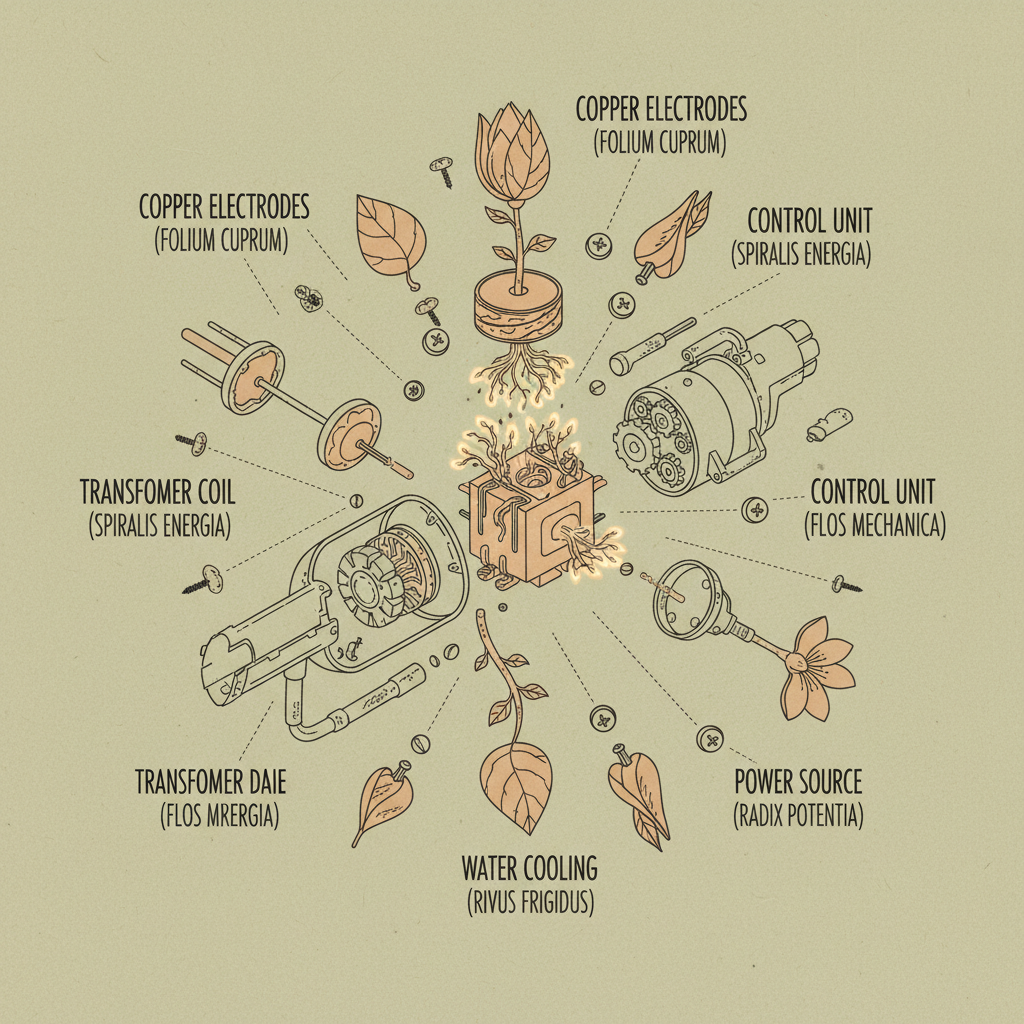
The core of a steel laser welding machine comprises several key components: the laser source (typically fiber, CO2, or disk lasers), a beam delivery system (mirrors and lenses), a welding head, a control system, and gas shielding. The laser source generates the high-energy laser beam, which is then directed to the welding area via the beam delivery system.
The welding head precisely focuses the laser beam onto the steel surface, initiating the melting and fusion process. Gas shielding (argon, helium, or nitrogen) protects the weld pool from atmospheric contamination, ensuring a clean and strong weld. The control system allows operators to adjust parameters such as laser power, welding speed, and gas flow rate to optimize the welding process for different steel types and thicknesses.
Operationally, the process involves carefully aligning the laser beam with the joint between the steel components. The laser melts the steel along the joint line, creating a narrow, deep weld. The cooling process then solidifies the molten steel, forming a strong metallurgical bond. Proper parameter selection is crucial to achieve optimal weld quality and minimize defects.
Key Factors Influencing Weld Quality
Several factors significantly influence the quality of welds produced by a steel laser welding machine. Laser power is crucial; insufficient power results in incomplete fusion, while excessive power can lead to material vaporization and weld defects. Welding speed must be carefully calibrated to allow adequate time for melting and fusion.
The focal point position and beam diameter also play a critical role. A properly focused beam ensures concentrated energy delivery, while the beam diameter influences the weld’s width and penetration depth. Steel material properties and surface preparation are also vital considerations, with clean, oxide-free surfaces promoting optimal weld quality.
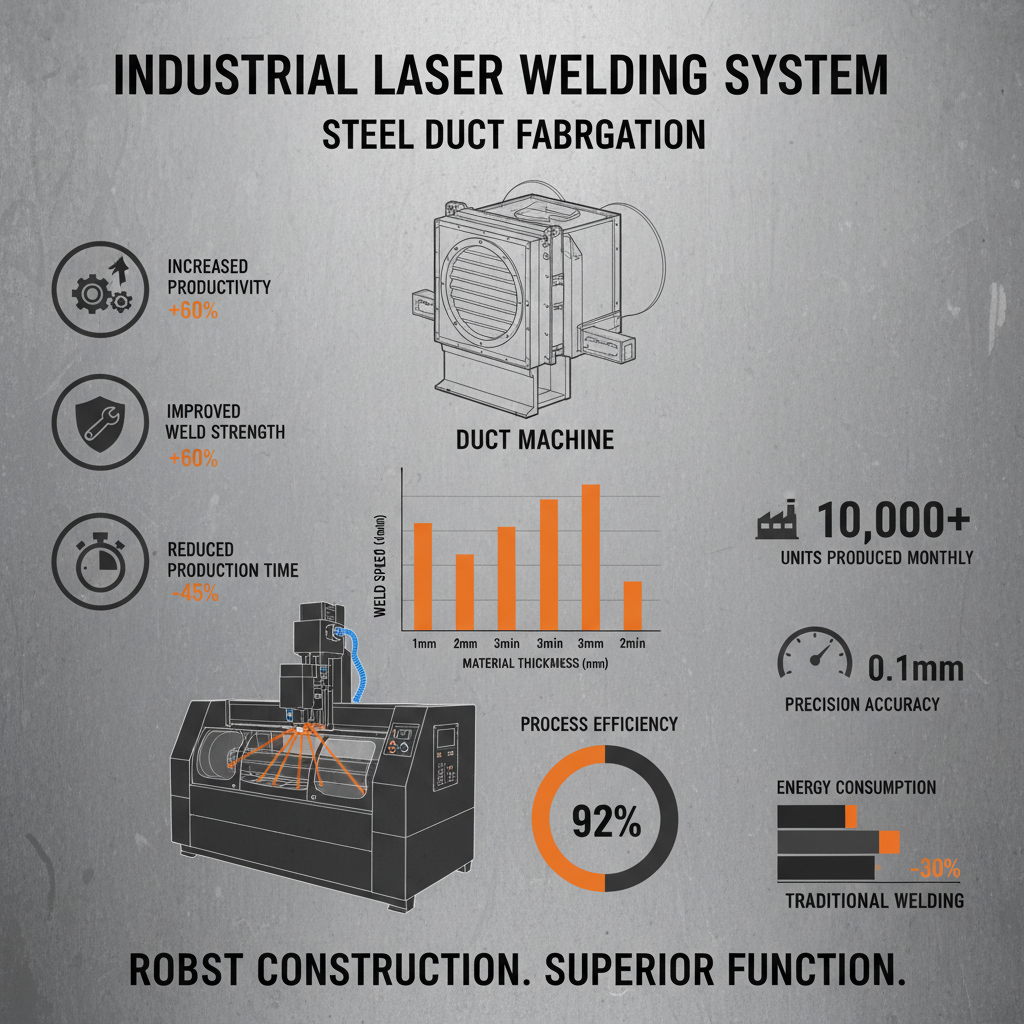
Steel Laser Welding Machine Performance Metrics
Global Applications and Industry Integration
Steel laser welding machines find widespread application across various industries globally. In the automotive sector, they are used to weld car body components, exhaust systems, and transmission parts, contributing to vehicle safety and performance. The aerospace industry utilizes this technology for welding critical aircraft structures, ensuring structural integrity and lightweight construction.
Shipbuilding relies on steel laser welding for joining large steel plates, reducing construction time and improving weld quality. Medical device manufacturers employ it for fabricating precision surgical instruments and implants, adhering to stringent quality and biocompatibility standards. In remote industrial zones and developing countries, these machines offer a pathway to advanced manufacturing capabilities.
Advantages and Long-Term Value Proposition
The advantages of utilizing a steel laser welding machine are numerous. Cost efficiency is significantly enhanced through reduced material waste, faster processing times, and decreased labor requirements. Sustainability is improved by minimizing energy consumption and eliminating the need for filler metals in many applications.
From a social impact perspective, the technology enhances workplace safety by reducing exposure to hazardous fumes and radiation. Reliability is increased through consistent weld quality and reduced rework. The technology fosters innovation in design and manufacturing, enabling the creation of more complex and lightweight structures, ultimately building trust in the finished products.
Future Trends and Innovation Pathways
Future trends in steel laser welding machines point towards increased automation, integration with artificial intelligence (AI), and the development of more powerful and efficient laser sources. The use of fiber lasers is expected to continue to grow due to their high beam quality and low maintenance requirements.
Digital transformation will play a key role, with advanced monitoring and control systems enabling real-time process optimization and predictive maintenance. Sustainability will drive the development of laser welding processes that consume less energy and produce fewer emissions. The integration of machine learning algorithms will improve weld quality and reduce defects.
Research into new materials and welding techniques will expand the application of steel laser welding to a wider range of industries and materials, fostering continuous innovation in manufacturing processes.
Challenges and Solutions
Despite its advantages, steel laser welding faces challenges such as high initial investment costs, the need for skilled operators, and limitations in welding thicker steel sections. Surface reflectivity can also pose a challenge, requiring specific surface treatments to ensure adequate laser absorption.
Solutions include developing more affordable and user-friendly laser welding systems, providing comprehensive training programs for operators, and utilizing advanced laser control techniques to overcome reflectivity issues. The adoption of hybrid welding processes that combine laser welding with other techniques, such as MIG or TIG welding, can address the limitations of welding thicker materials.
Summary of Challenges and Solutions for Steel Laser Welding Machine
| Challenge |
Severity (1-10) |
Potential Solution |
Implementation Cost (USD) |
| High Initial Investment |
8 |
Lease-to-own programs |
5,000 - 10,000 |
| Skilled Operator Requirement |
7 |
Comprehensive Training Programs |
2,000 - 5,000 |
| Welding Thick Steel Sections |
6 |
Hybrid Laser Welding |
15,000 - 30,000 |
| Surface Reflectivity Issues |
5 |
Surface Pre-treatment (e.g., coating) |
500 - 2,000 |
| Maintenance Costs |
4 |
Preventative Maintenance Schedule |
1,000 - 3,000 (annual) |
| Integration with Existing Systems |
6 |
Customized Software Interfaces |
3,000 – 8,000 |
FAQS
Steel laser welding offers several advantages over traditional arc welding, including higher precision, faster welding speeds, reduced heat-affected zones, and the ability to weld dissimilar metals. It typically requires less surface preparation and can produce cleaner, more consistent welds. The non-contact nature of the process also minimizes the risk of contamination and distortion, making it ideal for critical applications requiring high quality and reliability.
A wide range of steel types can be effectively welded using a steel laser welding machine, including carbon steel, stainless steel, alloy steel, and tool steel. The specific laser parameters (power, speed, wavelength) need to be adjusted based on the steel’s composition and thickness. Some high-reflective steels may require pre-treatment to enhance laser absorption, but generally, laser welding is adaptable to most common steel grades.
Regular maintenance is crucial for ensuring the optimal performance and longevity of a steel laser welding machine. The typical schedule includes cleaning lenses and mirrors, inspecting gas lines for leaks, checking cooling systems, and calibrating laser parameters. Preventative maintenance, performed annually or bi-annually by a qualified technician, can help identify and address potential issues before they lead to costly downtime.
The initial investment cost for a steel laser welding machine is typically higher than that of traditional welding equipment. However, the long-term operating costs are often lower due to reduced material waste, faster processing times, and lower labor requirements. When considering the total cost of ownership, including maintenance, energy consumption, and productivity gains, laser welding can be a more cost-effective solution for many applications.
Safety is paramount when operating a steel laser welding machine. Operators must wear appropriate personal protective equipment (PPE), including laser safety glasses, gloves, and protective clothing. The welding area should be properly ventilated to remove fumes and gases. Strict adherence to safety protocols and manufacturer guidelines is essential to prevent eye damage, burns, and other hazards.
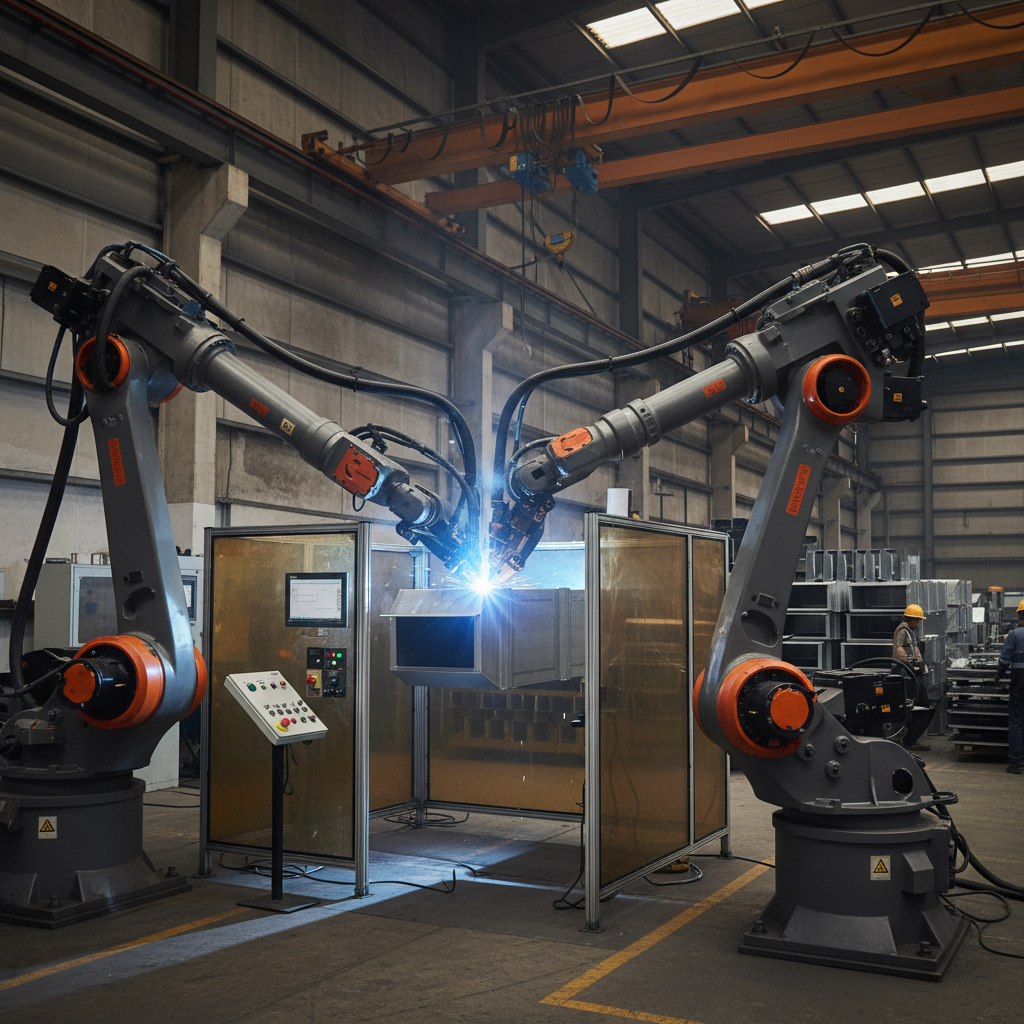
Yes, steel laser welding machines are readily amenable to automation. Integrating the machine with robotic systems allows for increased efficiency, consistency, and throughput. Automation reduces labor costs, minimizes human error, and enables the welding of complex geometries with high precision. Automated laser welding systems are particularly well-suited for high-volume production environments.
Conclusion
In conclusion, the steel laser welding machine represents a transformative technology in the realm of materials joining. Its precision, speed, and efficiency, coupled with its ability to weld a wide range of steel types, make it an invaluable asset for industries demanding high-quality welds and optimized manufacturing processes. From automotive and aerospace to shipbuilding and medical device fabrication, steel laser welding continues to drive innovation and enhance product performance.
Looking ahead, the integration of AI, advanced automation, and sustainable practices will further unlock the potential of steel laser welding. Investing in this technology not only improves operational efficiency but also positions businesses for long-term success in a rapidly evolving global market. To learn more about how a steel laser welding machine can benefit your specific applications, visit our website: www.xdrmachinery.com.
 8613931787312
  Botou Industrial Zone on the east side of National Highway 104, Botou City, Hebei Province