You know, I’ve been running around construction sites for… well, too long to count. Lately, everyone's buzzing about automation, right? But honestly, a lot of these so-called 'smart' welders? They're more trouble than they're worth if you don't understand the basics. It’s not about bells and whistles, it’s about making a solid weld that holds. A resistance welder for sale that’s built to last, that's what matters.
I've seen so many companies try to reinvent the wheel with overly complex designs. Have you noticed how they always seem to forget the guy actually holding the gun? They focus on the software, the fancy interfaces... but then the electrode alignment is off by a millimeter and the whole thing becomes a headache. It's frustrating. Seriously.
We’re seeing a lot more demand for portable units too. Folks want to take the welding to the job, not the other way around. Makes sense, doesn't it? Less hassle, fewer cables to trip over.
Key Industry Trends in Resistance Welding
To be honest, miniaturization is huge right now. Everyone wants smaller, lighter welders, especially for field repairs. But you lose power, you lose consistency. There's a trade-off. And another thing? Digital controls are everywhere, which is fine, but they need to be robust. I encountered a unit at a shipbuilding factory last time where the touchscreen froze every time someone got near it with greasy hands. Completely useless.
The biggest trend? The push for more efficient energy use. It’s not just about being ‘green’ – it's about saving money, especially with electricity costs these days.
Common Design Pitfalls in Resistance Welders
Oh boy, where do I start? A lot of designers don’t seem to understand that these machines live a rough life. They’re dropped, they’re exposed to dust, they're rained on... Strangelty, they build these beautiful casings with ventilation that’s just… wrong. Dust gets sucked right in, coating everything.
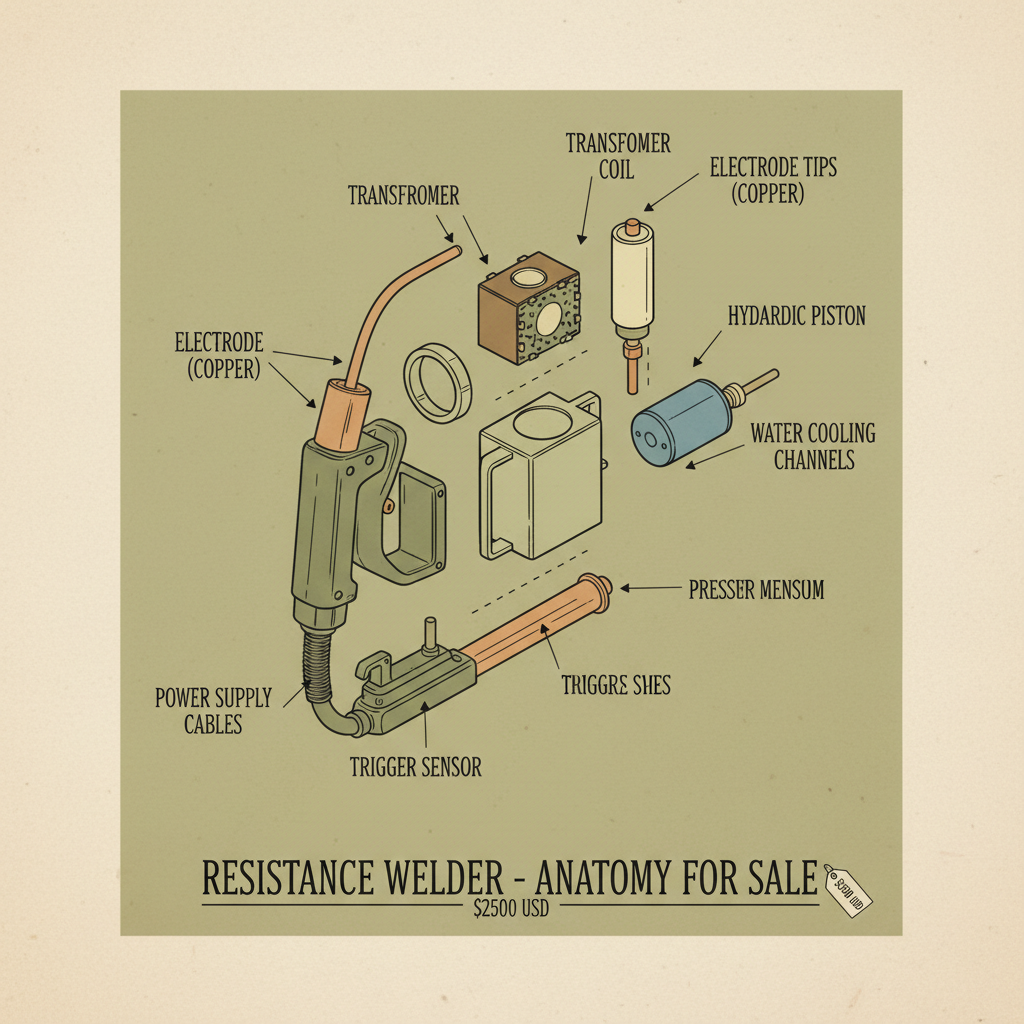
Another common mistake is skimping on the cooling system. These things generate a lot of heat. If the transformer isn't cooled properly, it'll overheat and fail, and then you're stuck. It's the simple things, you know?
And then there’s the electrode holders. If they’re not properly designed for quick changes, it adds downtime to the job. Nobody wants to spend an hour fiddling with an electrode when they could be welding.
Materials Used in High-Quality Resistance Welders
You want copper transformers, absolutely. It’s a fantastic conductor, and it stands up to the heat better than aluminum. But it’s heavy. That’s the compromise. The steel used in the frame? Has to be high carbon. You need something that can take a beating. The smell of good steel when it's being worked is... well, it's the smell of reliability.
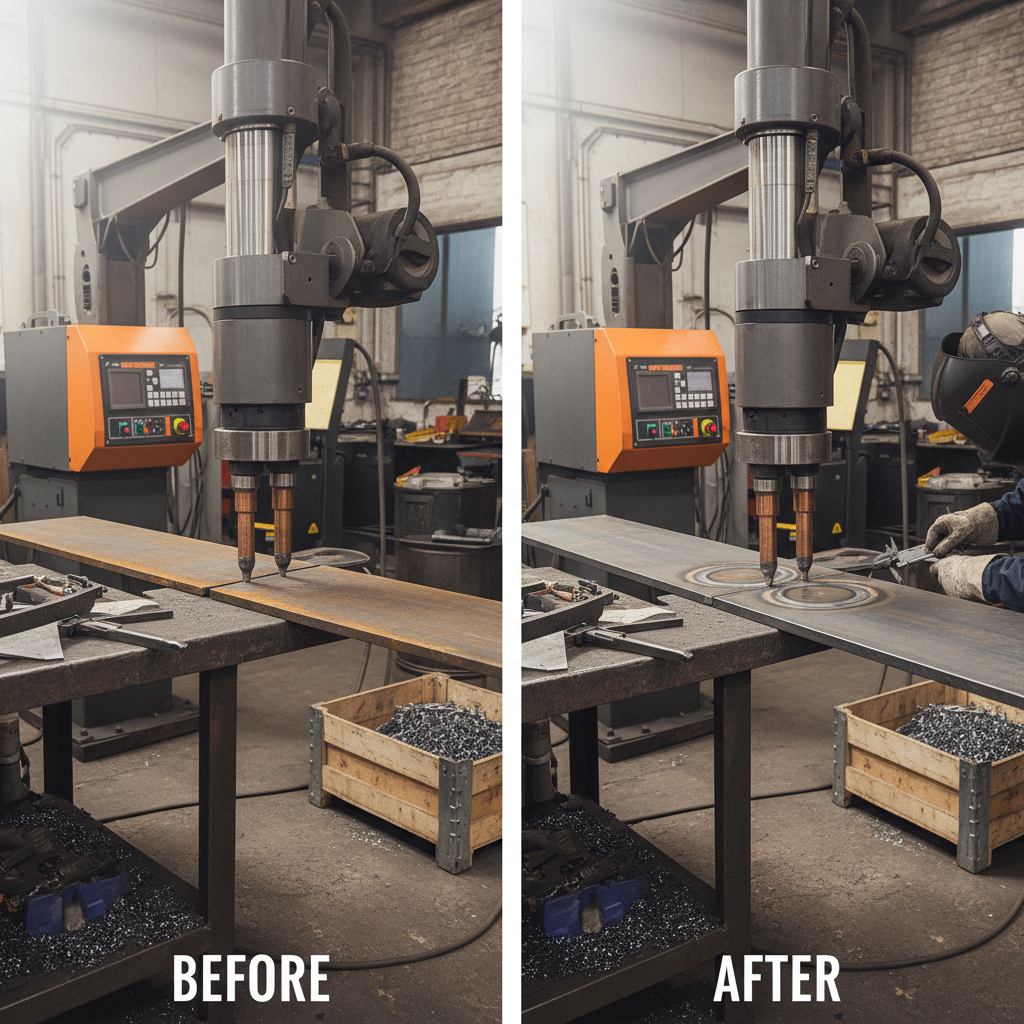
The electrodes… now, that's a tricky one. Different materials for different metals, obviously. Copper alloys are common for steel, tungsten for stainless. You feel the difference when you’re welding. A cheap electrode feels… spongy. A good one feels solid, precise. It’s hard to describe, you just get a sense for it after a while.
And the insulation? Don't even get me started. You need high-quality silicone rubber or a similar material that can withstand high temperatures and resist cracking. Because if that insulation goes, you’ve got a serious safety hazard.
Rigorous Testing Procedures for Resistance Welders
Look, lab tests are fine, but they don't tell the whole story. I’ve seen machines pass all the lab tests and fall apart after a week on a construction site. We test our resistance welder for sale by simulating real-world conditions.
We run cycles of continuous welding, push them to their maximum amperage, and then we drop them – not from a great height, but enough to simulate being bumped around during transport. We also test the electrode wear rate, and how well the cooling system handles extended use.
Resistance Welder Performance Ratings
Real-World Applications and User Behavior
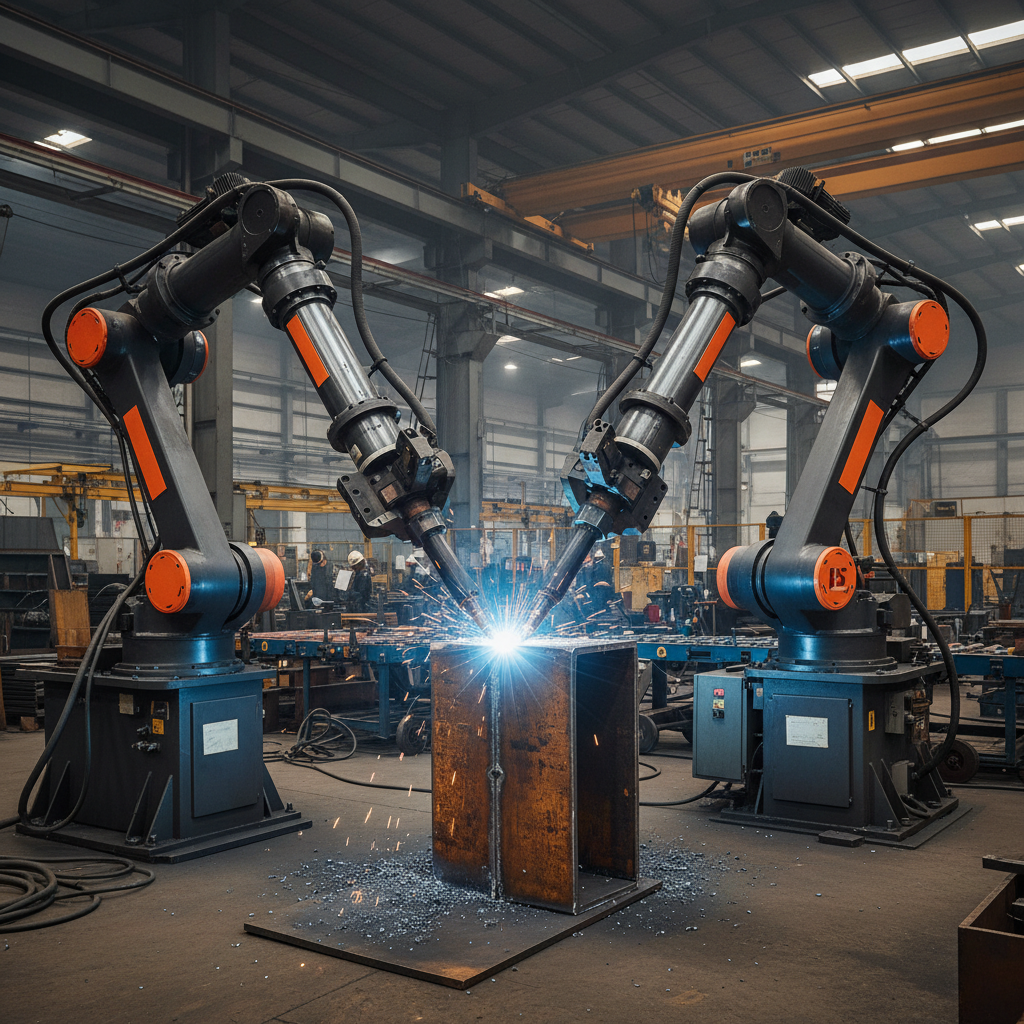
You’d think everyone uses these the same way, right? Wrong. Some guys treat them like they're disposable, others baby them like a classic car. We see a lot of use in automotive manufacturing, obviously, but also in appliance repair, metal fabrication, and even artistic installations.
I’ve seen guys welding rebar on construction sites with these things, which isn't what they're designed for, but hey, they get the job done. It’s about adapting, you know? A good operator can coax a lot of performance out of a machine.
Advantages and Disadvantages of Resistance Welding
The biggest advantage? Speed. You can crank out welds a lot faster than with other methods. And it’s clean. No fumes, no slag… generally. It’s also relatively easy to learn. But, there are drawbacks. It’s really only suitable for certain types of metals, and the initial investment can be high.
The biggest issue is distortion. The heat can warp thin sheets of metal if you’re not careful. That's why experience matters.
Customization Options and Examples
We get a lot of requests for customization. One guy, a small boss in Shenzhen who makes smart home devices, last month insisted on changing the interface to . He said it was “more modern.” The result? It took twice as long to connect, and the connection kept dropping. He finally went back to the standard connector, begrudgingly.
Anyway, I think we can adjust the clamping force, the welding current, and the welding time to suit specific applications. We also offer different electrode types and sizes.
Summary of Resistance Welder Customization Options
| Customization Parameter |
Typical Range |
Impact on Welding Process |
Cost Estimate |
| Clamping Force |
500 – 5000 lbs |
Affects contact resistance and weld quality |
$50 - $200 |
| Welding Current |
1000 – 10000 amps |
Determines heat input and weld penetration |
$100 - $300 |
| Welding Time |
0.1 – 5 seconds |
Controls the amount of heat applied |
$20 - $100 |
| Electrode Material |
Copper, Copper Alloys, Tungsten |
Impacts weld strength and corrosion resistance |
$50 - $500 |
| Cooling System |
Air, Water |
Prevents overheating and ensures consistent performance |
$200 - $1000 |
| Interface Type |
Standard, Customized |
Impacts ease of use and integration |
$100 - $400 |
FAQS
Safety first, always. Wear appropriate PPE – welding helmet, gloves, safety glasses. Ensure proper ventilation to avoid inhaling fumes. Be mindful of electrical hazards; never work on a machine that's plugged in. Inspect cables for damage before each use and never operate with wet hands. Grounding is crucial to prevent shocks. It’s basic stuff, but people forget.
It depends on the material you’re welding and the frequency of use, but generally, electrodes should be inspected regularly for wear. When they become pitted or rounded, it’s time for a replacement. A good rule of thumb is to replace them when you notice a decrease in weld quality or an increase in welding time. Ignoring this will lead to inconsistent welds and potential failures.
Regular maintenance is key. Keep the machine clean – dust and debris can cause overheating. Check the cooling system to ensure it’s functioning properly. Lubricate moving parts as needed. Inspect cables and connections for damage. A preventative maintenance schedule will save you headaches (and money) down the road.
No, it's not a universal solution. Resistance welding works best on metals with good electrical conductivity, like steel and aluminum. It’s less effective on metals like stainless steel and copper alloys, which have higher resistance. The specific metal dictates the electrode material and welding parameters. You can't just assume it'll work on everything.
AC welding is generally used for thinner materials and provides better surface cleaning. DC welding offers deeper penetration and is often preferred for thicker materials. AC is more versatile, but DC can provide more consistent results for specific applications. It really comes down to what you’re trying to weld and the desired weld quality.
A lot of things, honestly. Welding current, welding time, clamping force, electrode material, and the cleanliness of the surfaces all play a role. Proper surface preparation is huge – you need clean metal for a strong weld. Also, make sure your parameters are correct for the material thickness. Get those wrong, and you’ll end up with a weak weld that'll fail under stress.
Conclusion
So, after all that rambling, what’s the takeaway? A good resistance welder for sale isn't about the fanciest features; it's about reliability, durability, and being able to consistently deliver a solid weld. It's about understanding the materials, the process, and the needs of the people actually using the machine on the job.
Ultimately, whether this thing works or not, the worker will know the moment he tightens the screw. If it holds, it's a good machine. If it doesn't… well, you know what to do. And feel free to give us a shout; we're always happy to help.
 8613931787312
  Botou Industrial Zone on the east side of National Highway 104, Botou City, Hebei Province