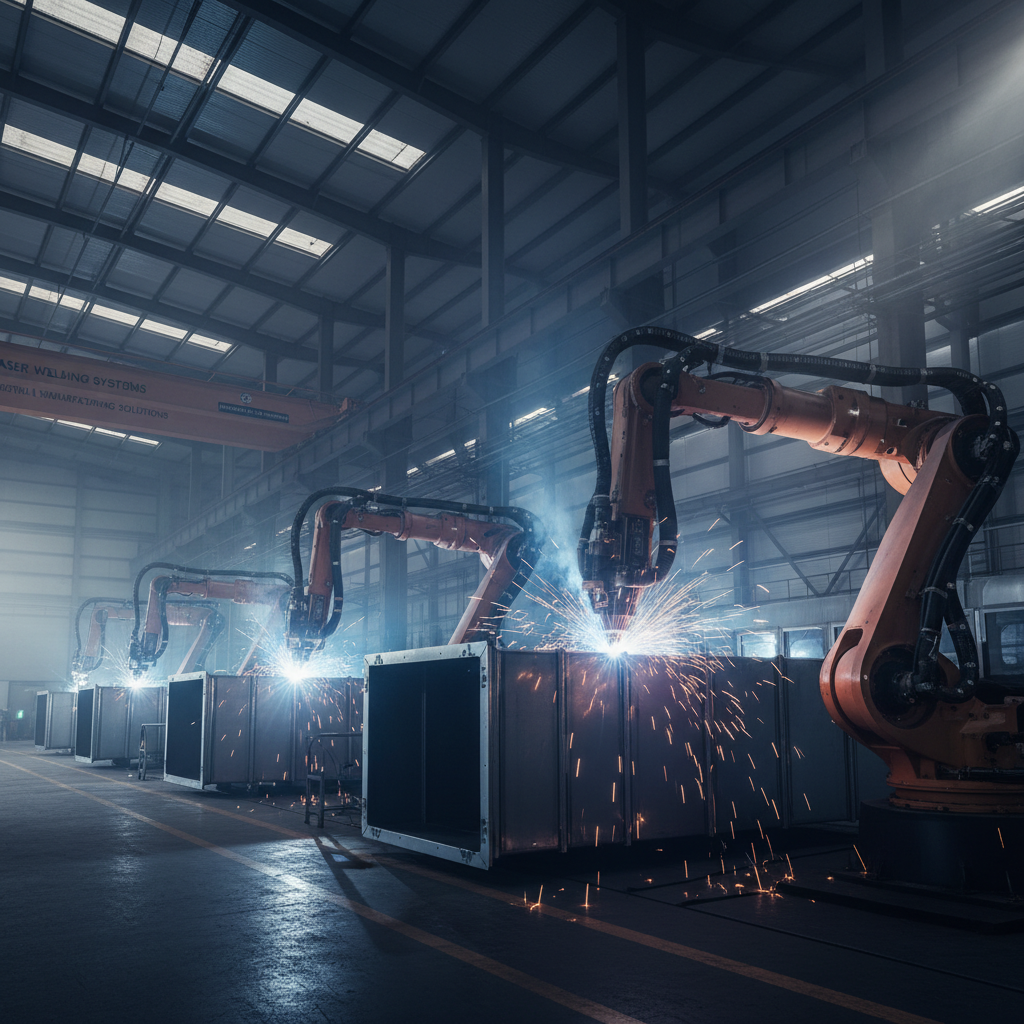
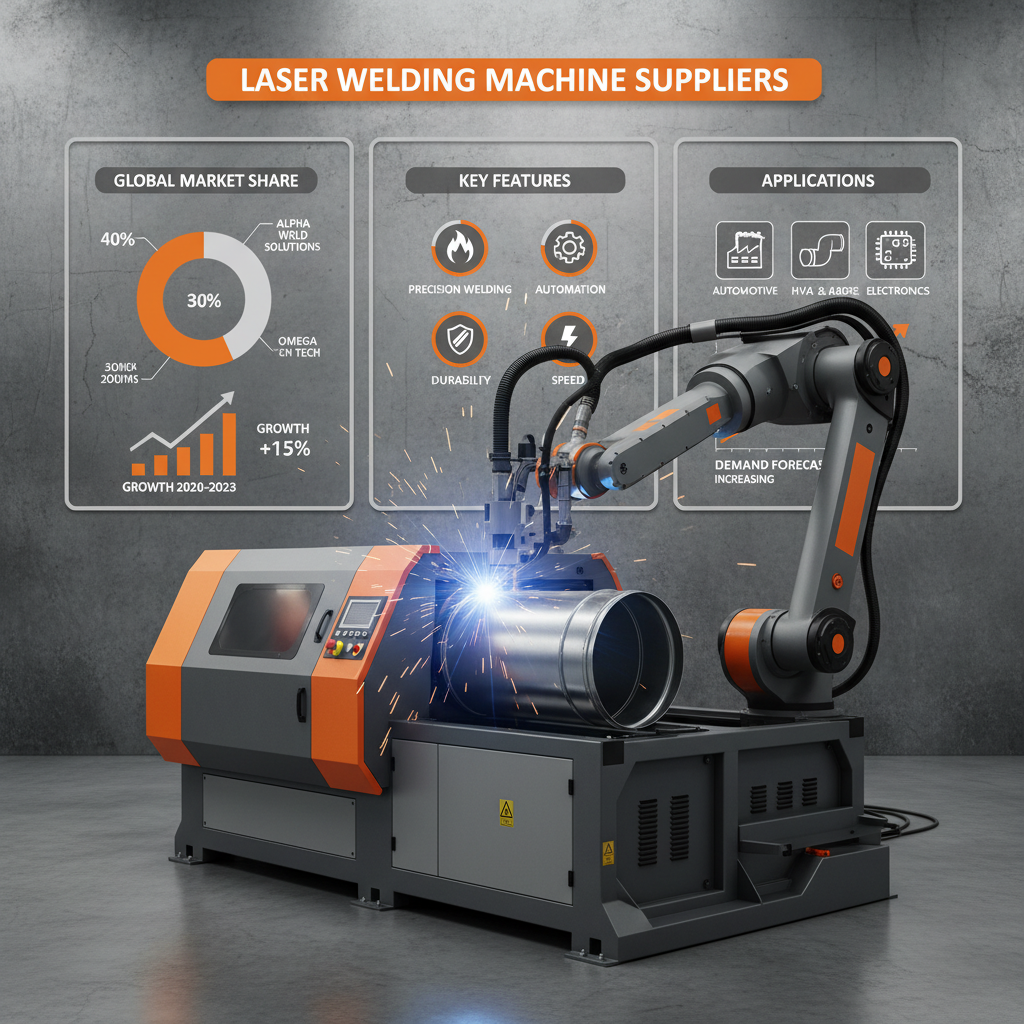
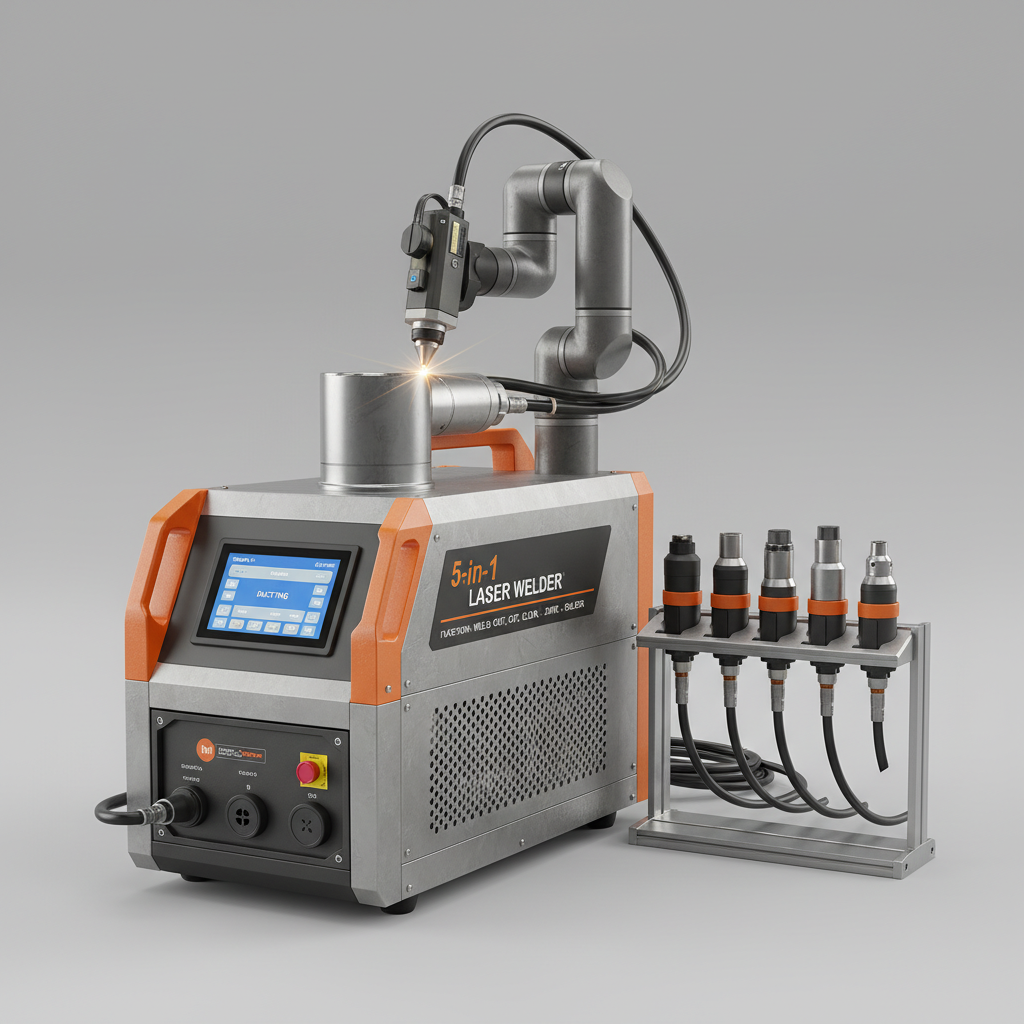
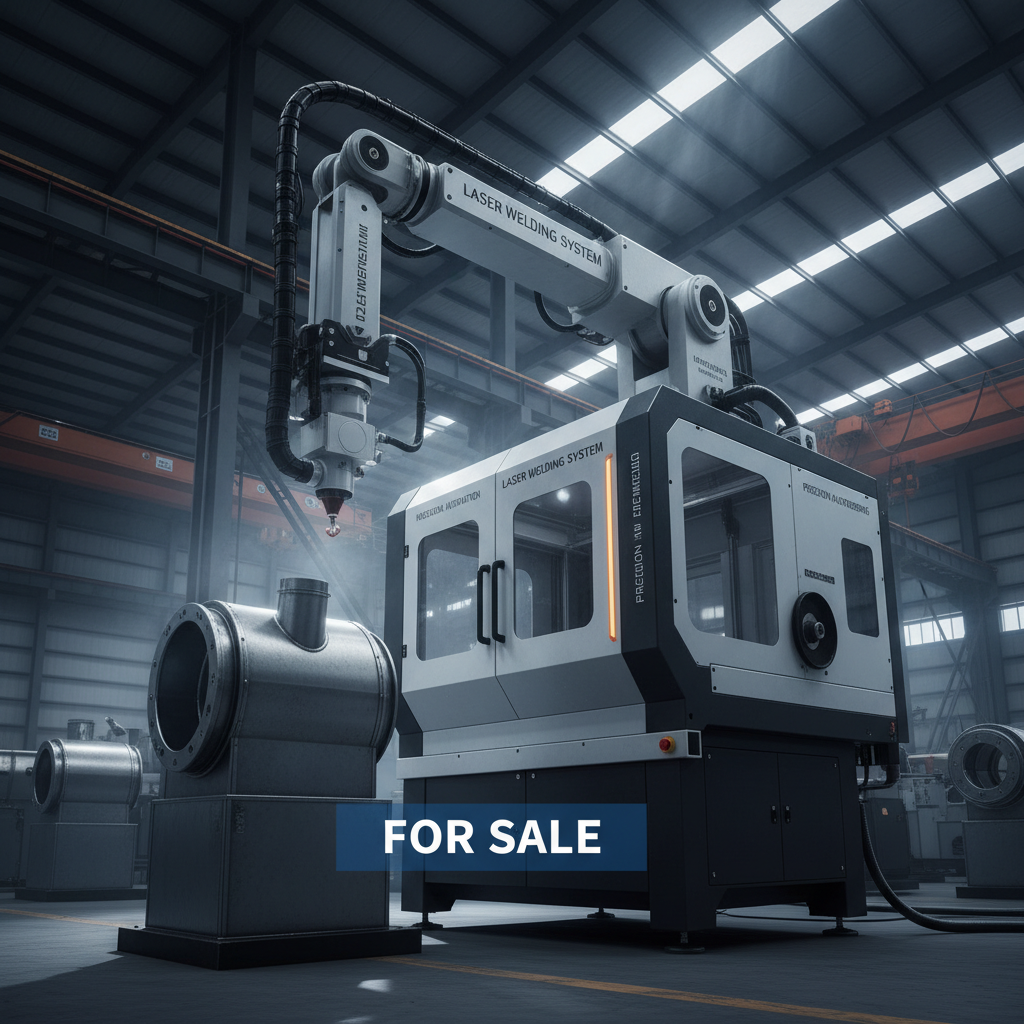
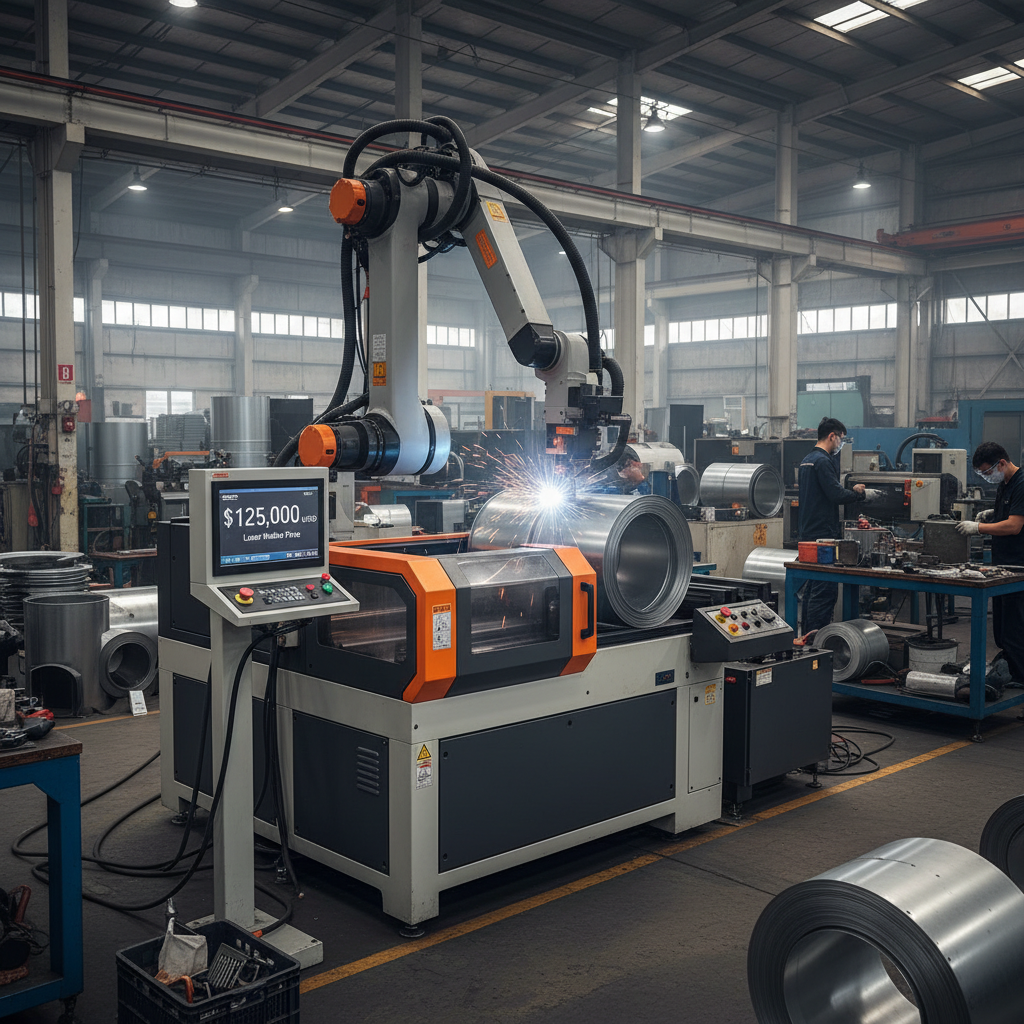
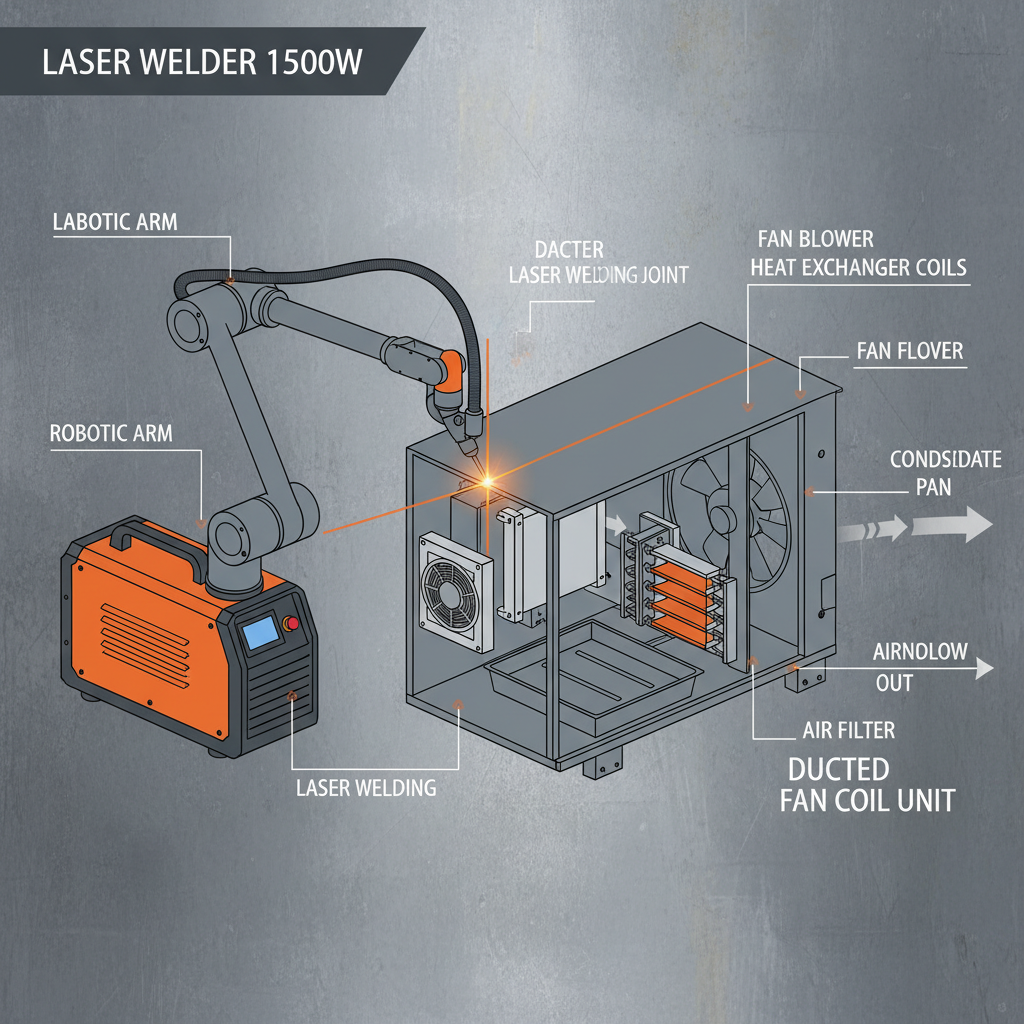
Laser welding machine suppliers are becoming increasingly vital in modern manufacturing and fabrication. These aren’t just box-movers; they’re the backbone of precision work across industries from automotive and aerospace to medical device creation and beyond. We’re seeing a shift away from traditional welding processes because of laser welding’s speed, accuracy, and ability to join dissimilar metals. It’s a game changer for efficiency and product quality, which translates directly to cost savings and competitive advantage for our clients.
The demand for these specialized suppliers has surged globally, driven by increasing automation in manufacturing and the need for high-integrity welds in critical applications. According to a recent report by the International Organization for Standardization (ISO), the global laser welding market is projected to reach $7.8 billion by 2028, demonstrating a robust compound annual growth rate. This growth isn’t just about bigger production numbers; it's about responding to challenges like skilled labor shortages and the pressure to reduce environmental impact – laser welding generates significantly less waste than traditional methods.
At its core, the need for dependable laser welding machine suppliers arises from a straightforward equation: higher precision equals better products. And in a world demanding increasingly complex and reliable products, the ability to consistently deliver that precision isn't just a benefit, it's a necessity. That's why we focus on building long-term relationships with suppliers who understand this need and can deliver the right equipment for the job.
The Global Landscape of laser welding machine suppliers
The global network of laser welding machine suppliers is surprisingly complex. You've got the big players based in Germany and Japan – known for their engineering prowess and high-precision equipment. Then you have the rapidly growing suppliers emerging from China, offering competitive pricing and increasingly sophisticated technology. And, of course, you’ve got the regional specialists catering to niche industries. Picking the right supplier isn’t just about price; it’s about understanding their specific strengths and how they align with your needs. I've spent enough time on job sites to know a machine that's built to last, and has readily available support, is worth its weight in gold.
We’ve seen a consolidation trend recently, with larger companies acquiring smaller, innovative firms to expand their product portfolios. This means a wider range of options for customers, but also the potential for a loss of specialized expertise. That’s why we prioritize suppliers who maintain a strong focus on laser welding technology and are committed to ongoing research and development. laser welding machine suppliers are a great example of a company committed to this.
Defining the Role of laser welding machine suppliers
A laser welding machine supplier isn’t just someone who sells a piece of equipment. They're a partner in your manufacturing process. A good supplier provides everything from initial consultation and machine selection to installation, training, and ongoing maintenance. They need to understand your specific application, the materials you're welding, and the level of precision you require. Frankly, I’ve seen too many companies buy a machine based on specs alone, only to find out it doesn’t fit their workflow or material requirements.
They should also offer comprehensive support services, including spare parts availability, remote diagnostics, and on-site repair. Downtime is expensive, and a responsive supplier can minimize disruptions to your production schedule. It's about building a relationship based on trust and reliability.
Crucially, a quality supplier will be up-to-date on the latest safety standards and regulations. Laser welding involves high-powered beams, and proper safety precautions are essential to protect operators and prevent accidents. They should be able to guide you through the necessary safety protocols and provide training on safe operation procedures.
Core Capabilities of Leading laser welding machine suppliers
The best laser welding machine suppliers excel in several key areas. First, they possess deep technical expertise in laser technology, optics, and materials science. This allows them to recommend the optimal laser source, beam delivery system, and process parameters for your specific application. They don't just sell a machine; they sell a solution.
Second, they have robust manufacturing capabilities, ensuring consistent quality and reliability. This includes precision machining, assembly, and testing. I've seen firsthand what happens when quality control slips - it leads to headaches, wasted materials, and ultimately, unhappy customers. Third, they offer customized solutions. Every job is different, and a good supplier will be willing to modify or adapt their equipment to meet your unique requirements.
Finally, they maintain a strong commitment to customer service. This means responsive technical support, timely delivery of spare parts, and ongoing training. It’s the little things that make a big difference in the long run, like readily available documentation and knowledgeable support staff who can quickly diagnose and resolve issues.
Key Performance Indicators for laser welding machine suppliers
When evaluating laser welding machine suppliers, we look at several key performance indicators (KPIs). Uptime and reliability are paramount; we need machines that can consistently operate at peak performance. This is measured through mean time between failures (MTBF) and mean time to repair (MTTR).
Weld quality is another critical KPI, assessed through visual inspection, non-destructive testing (NDT), and mechanical testing. We also evaluate the supplier’s ability to meet tight tolerances and achieve consistent weld profiles. Cost of ownership is a significant factor, encompassing not just the initial purchase price but also maintenance, consumables, and energy consumption.
laser welding machine suppliers KPI Comparison
Global Applications and Industry Impact
The applications for laser welding are incredibly diverse. In the automotive industry, it's used for welding body panels, exhaust systems, and transmission components. Aerospace relies on it for engine parts and structural assemblies where precision and strength are paramount. Medical device manufacturers use it for creating intricate implants and surgical instruments. Even industries like jewelry and electronics benefit from its capabilities.
We’re seeing increased adoption in regions with rapidly growing manufacturing sectors, such as Southeast Asia and India. These countries are investing heavily in automation and advanced manufacturing technologies, driving demand for laser welding solutions. We also work with companies in remote locations, where the reliability and low maintenance of laser welding machines are particularly valuable.
Advantages of Partnering with Specialized laser welding machine suppliers
Working with a specialized laser welding machine supplier offers significant advantages over a general industrial equipment provider. They possess a deeper understanding of the technology and can provide tailored solutions to your specific needs. They’re also more likely to invest in research and development, staying at the forefront of innovation.
They’ll have a dedicated team of engineers and technicians who are experts in laser welding, providing superior technical support and service. This translates to faster troubleshooting, reduced downtime, and improved overall productivity. They’re invested in your success, not just making a sale.
Finally, specialized suppliers are often more flexible and responsive, able to accommodate customized requests and provide quick turnaround times. In today’s fast-paced manufacturing environment, agility is a critical asset.
Future Trends and Innovation in laser welding machine suppliers
The future of laser welding is bright. We're seeing advancements in laser sources, such as fiber lasers and disc lasers, offering higher power densities and improved beam quality. Automation and robotics are becoming increasingly integrated with laser welding systems, enabling fully automated welding processes.
We're also seeing a growing focus on process monitoring and control, using sensors and data analytics to optimize welding parameters and ensure consistent quality. Artificial intelligence (AI) is starting to play a role, with algorithms that can automatically adjust welding parameters based on real-time data. These trends are all geared towards improving efficiency, reducing costs, and enhancing product quality.
Sustainability is another key driver of innovation. Suppliers are developing more energy-efficient laser welding machines and exploring ways to reduce waste and minimize environmental impact. laser welding machine suppliers are leading the charge in these innovative advancements.
Key Factors Influencing Future Laser Welding Machine Supplier Success
| Technology Integration |
Customer Support |
Innovation Capability |
Sustainability Focus |
| AI-Powered Process Control |
24/7 Remote Diagnostics |
Advanced Laser Source Development |
Energy-Efficient Machine Design |
| Robotic Welding Integration |
On-Site Training Programs |
Material-Specific Welding Solutions |
Waste Reduction Technologies |
| Digital Twin Technology |
Spare Parts Logistics |
High-Speed Welding Capabilities |
Reduced Carbon Footprint |
| Real-Time Data Analytics |
Customizable Service Packages |
Adaptive Welding Algorithms |
Sustainable Material Sourcing |
| Predictive Maintenance Systems |
Expert Consulting Services |
Multi-Material Welding Expertise |
Compliance with Environmental Regulations |
| Cloud-Based Process Monitoring |
Rapid Response Support |
Miniaturization of Laser Systems |
Circular Economy Principles |
FAQS
Fiber lasers are generally more efficient, offer faster welding speeds, and are better suited for reflective materials like aluminum and copper. CO2 lasers are typically more cost-effective for thicker materials and applications where high precision isn't as critical. The choice depends on your specific materials, weld requirements, and budget. We see fiber lasers dominating new installations, but CO2 still has a place in certain applications.
Training requirements vary depending on the complexity of the machine and the application. Basic operation usually requires a few days of training, covering safety procedures, machine setup, and process parameters. More advanced training, covering programming, maintenance, and troubleshooting, can take several weeks. We strongly recommend comprehensive training for all operators to ensure safe and efficient operation.
Regular maintenance is crucial for ensuring reliable operation. This includes cleaning the optics, inspecting the cooling system, and replacing consumables like nozzles and shielding gas. Preventative maintenance schedules should be followed diligently, and we offer comprehensive service contracts to handle routine maintenance and repairs.
Laser welding can weld a wide range of materials, including steel, stainless steel, aluminum, copper, titanium, and even dissimilar metals. The optimal laser parameters will vary depending on the material, thickness, and joint configuration. We work closely with our clients to develop welding procedures tailored to their specific materials and applications.
While the initial investment in a laser welding machine can be higher than traditional methods, the long-term cost of ownership is often lower. Laser welding is faster, more precise, and generates less waste, reducing material costs and rework. It also requires less skilled labor and has lower energy consumption. The overall savings can be significant, especially for high-volume production.
Laser welding involves high-powered beams, so safety is paramount. Operators must wear appropriate eye protection, such as laser safety glasses, to prevent eye damage. The welding area should be enclosed to prevent stray reflections, and warning signs should be posted. Proper training on safe operating procedures is essential.
Conclusion
In conclusion, selecting the right laser welding machine supplier is a critical decision that can significantly impact your manufacturing efficiency, product quality, and overall profitability. It's not just about the machine itself; it's about the expertise, support, and long-term partnership you receive. The future of welding is undoubtedly laser-focused, and partnering with a supplier committed to innovation and customer success is essential for staying ahead of the curve.
We encourage you to thoroughly evaluate your needs, carefully vet potential suppliers, and prioritize those who demonstrate a deep understanding of laser welding technology and a commitment to providing exceptional service. Consider exploring advanced features like automation and process monitoring to unlock the full potential of laser welding. For expert advice and a tailored solution, visit our website today.
 8613931787312
  Botou Industrial Zone on the east side of National Highway 104, Botou City, Hebei Province