-
 8613931787312
 -
 Botou Industrial Zone on the east side of National Highway 104, Botou City, Hebei Province
8613931787312
The global manufacturing landscape is increasingly reliant on efficient and precise joining technologies, and the spot projection welding machine stands as a critical component in numerous industries. From automotive and aerospace to electronics and medical device production, this technology enables the creation of robust and reliable connections between metal components. Understanding the principles, applications, and future trends surrounding spot projection welding is vital for manufacturers aiming to optimize production processes, reduce costs, and enhance product quality. It’s a field that directly impacts global supply chains and the competitiveness of various sectors.
The demand for lightweight materials and intricate designs in modern products necessitates advanced welding solutions. Traditional welding methods often fall short in terms of speed, precision, and suitability for joining thin or dissimilar metals. The spot projection welding machine addresses these challenges by providing a controlled and localized welding process. Its ability to join materials efficiently while minimizing heat-affected zones makes it an indispensable tool for a wide range of applications, fueling innovation and enabling the production of increasingly sophisticated goods.
Furthermore, as industries increasingly prioritize sustainability and resource efficiency, technologies like spot projection welding, which minimizes material waste and energy consumption, become even more valuable. The ongoing development of automated systems and intelligent controls for these machines promises to further improve efficiency and reduce the environmental impact of manufacturing operations.
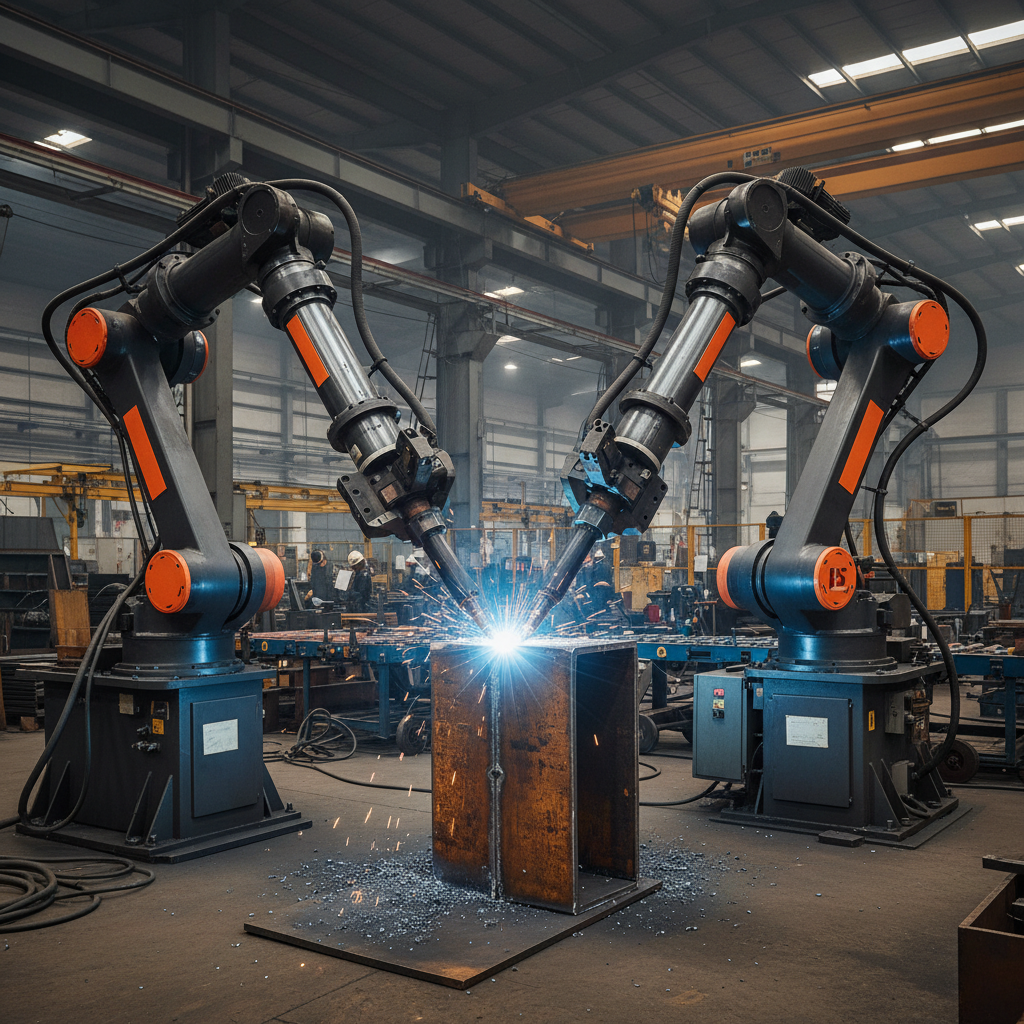
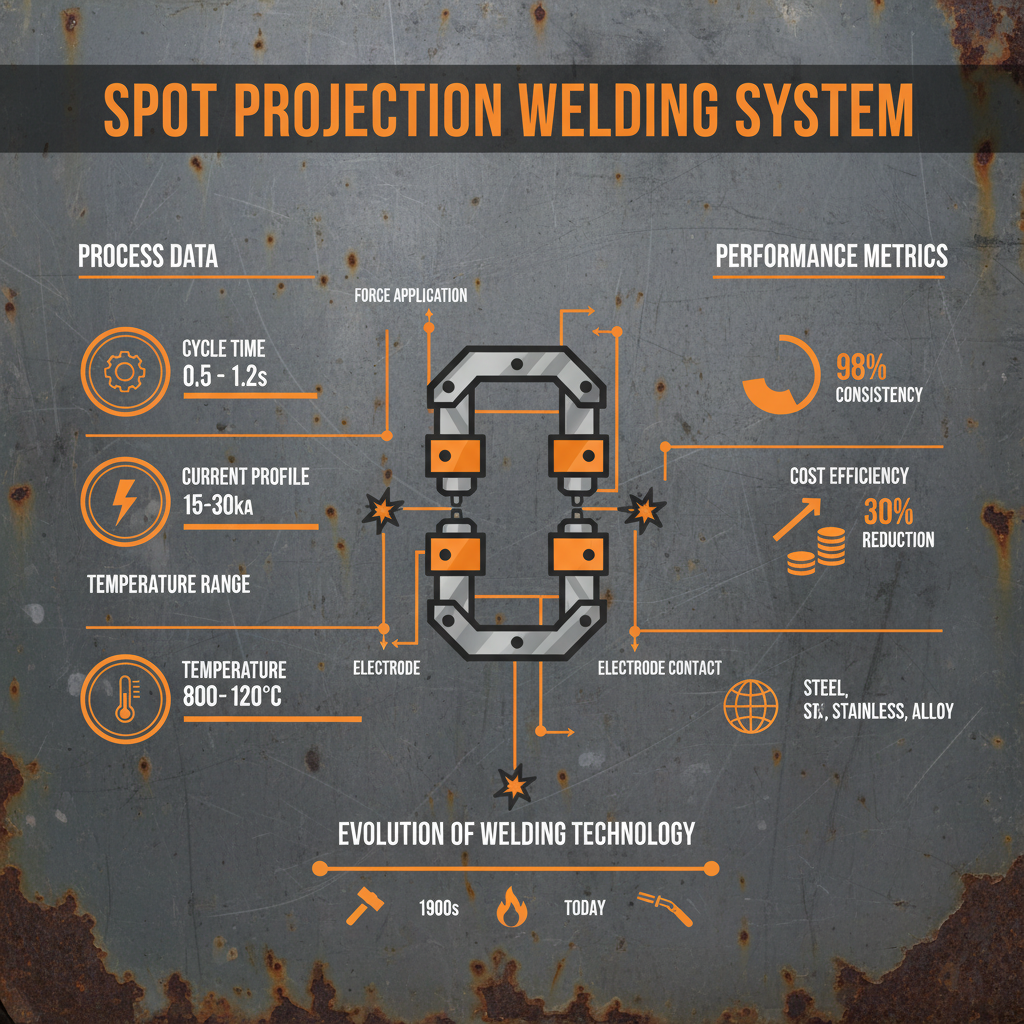
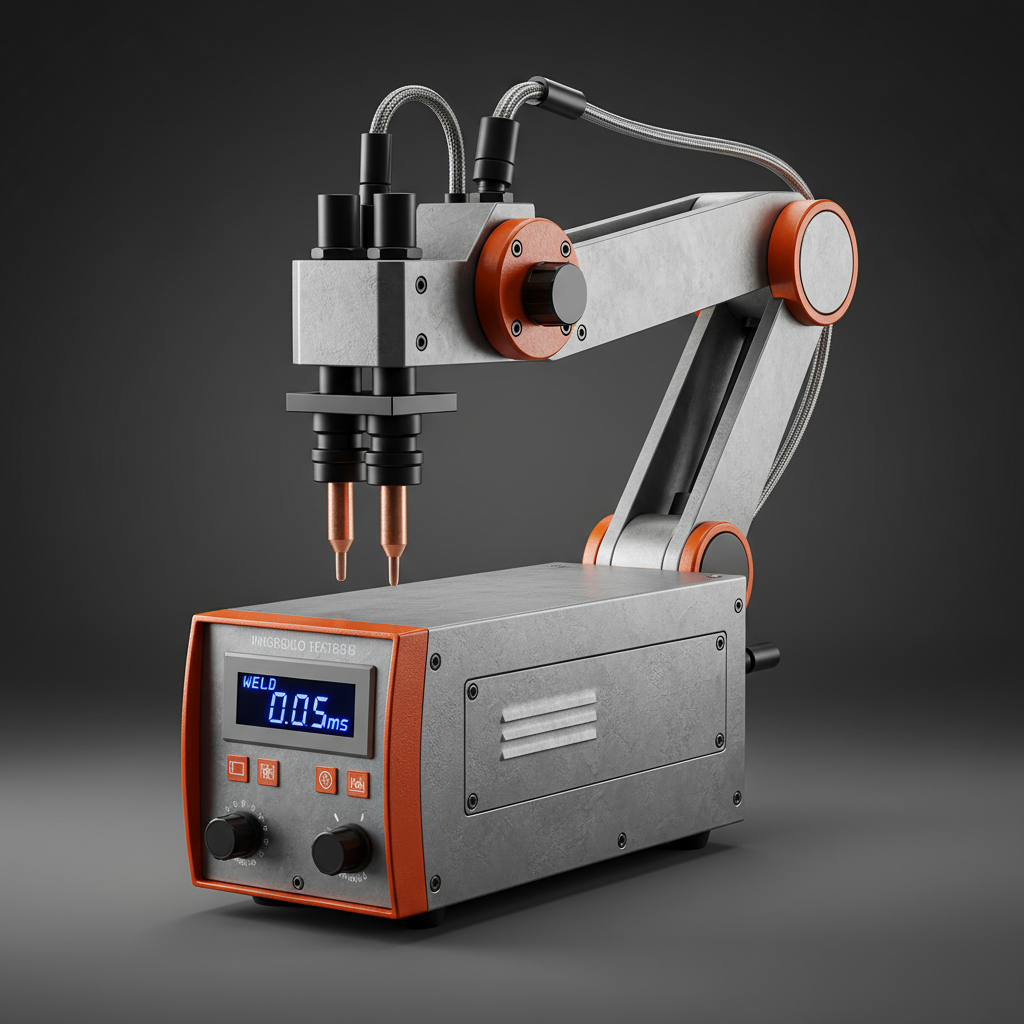
Spot projection welding machines operate on the principle of concentrating welding current through specifically designed projections on one or both of the workpieces. These projections create localized heating and plastic deformation, leading to fusion at the contact points. The precise control offered by these machines ensures consistent weld quality and minimizes distortion. Spot projection welding machine technology relies on accurately positioned electrodes and precisely timed current delivery to achieve optimal results.
Unlike spot welding, which uses rounded electrodes, projection welding uses shaped electrodes that match the projections on the workpieces. This focused approach drastically reduces electrode wear and improves weld consistency, especially when dealing with thinner materials or complex geometries. The process is highly versatile and adaptable to various metal combinations and applications.
Spot projection welding is exceptionally versatile, effectively joining a wide range of metals. Commonly used materials include carbon steels, stainless steels, aluminum alloys, and certain copper alloys. The process’s success hinges on the material's weldability and the precise control of welding parameters. However, it’s crucial to verify compatibility for specific alloys as some may require specialized techniques to prevent issues like porosity or cracking. Proper surface preparation is also vital for ensuring a strong and reliable weld.
Spot projection welding generally extends electrode life significantly compared to traditional spot welding. This is primarily because the concentrated welding current is focused on the projections, reducing the overall area of contact with the electrodes. This localized heating minimizes electrode wear, leading to longer intervals between electrode replacements. The design of the electrodes, conforming to the projection shapes, further distributes the current and reduces localized stress, contributing to greater longevity.
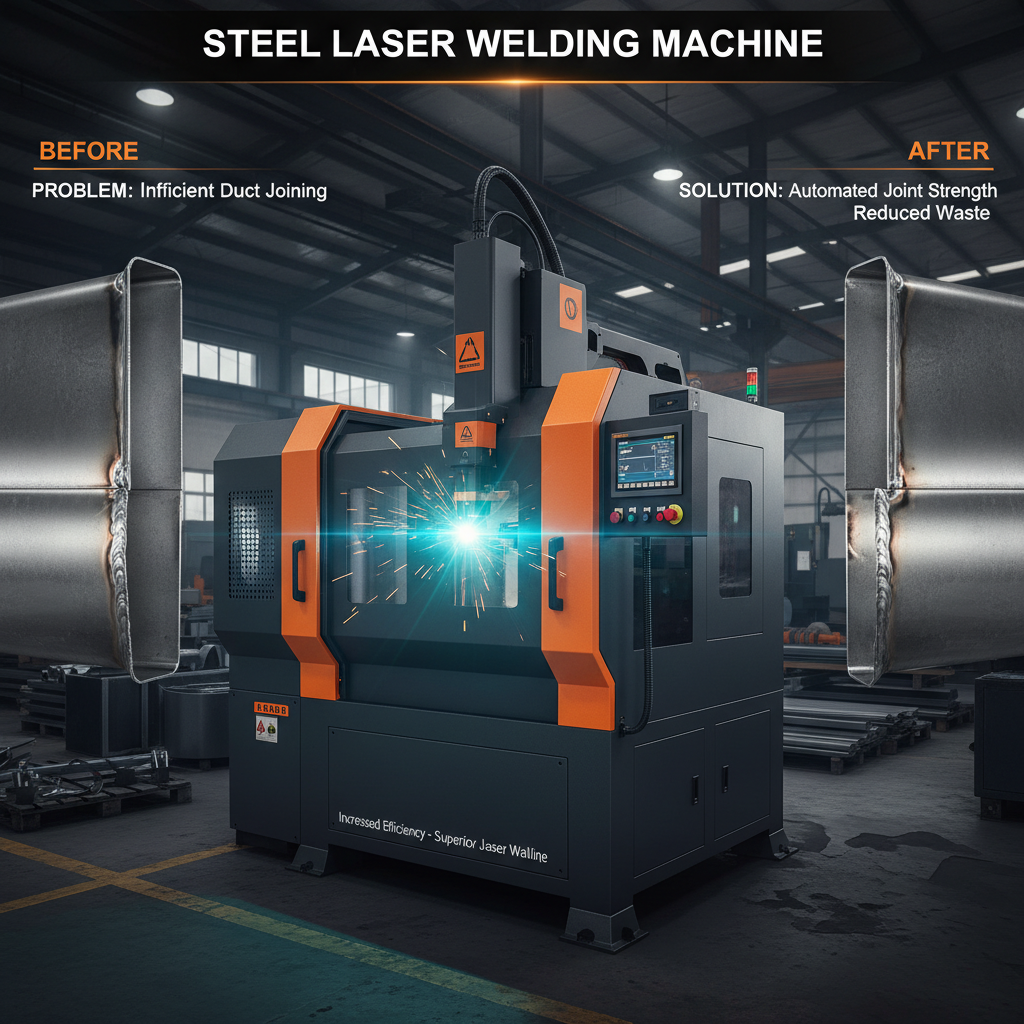
Spot projection welding machines can be readily integrated with various levels of automation, ranging from semi-automatic to fully automated systems. Semi-automatic setups often involve manual workpiece loading/unloading with automated welding cycles. Fully automated systems incorporate robotic arms for precise positioning, welding parameter control, and quality inspection, significantly increasing throughput and reducing labor costs. The degree of automation chosen depends on production volume, complexity, and desired efficiency levels.
Common challenges include inconsistent projection height, improper contact between electrodes and projections, and inadequate surface preparation. To address these, ensure consistent projection forming, verify proper electrode alignment and pressure, and thoroughly clean workpieces before welding. Insufficient welding current or time can result in weak welds, while excessive settings may cause burn-through. Careful parameter optimization and monitoring are essential for achieving reliable results.
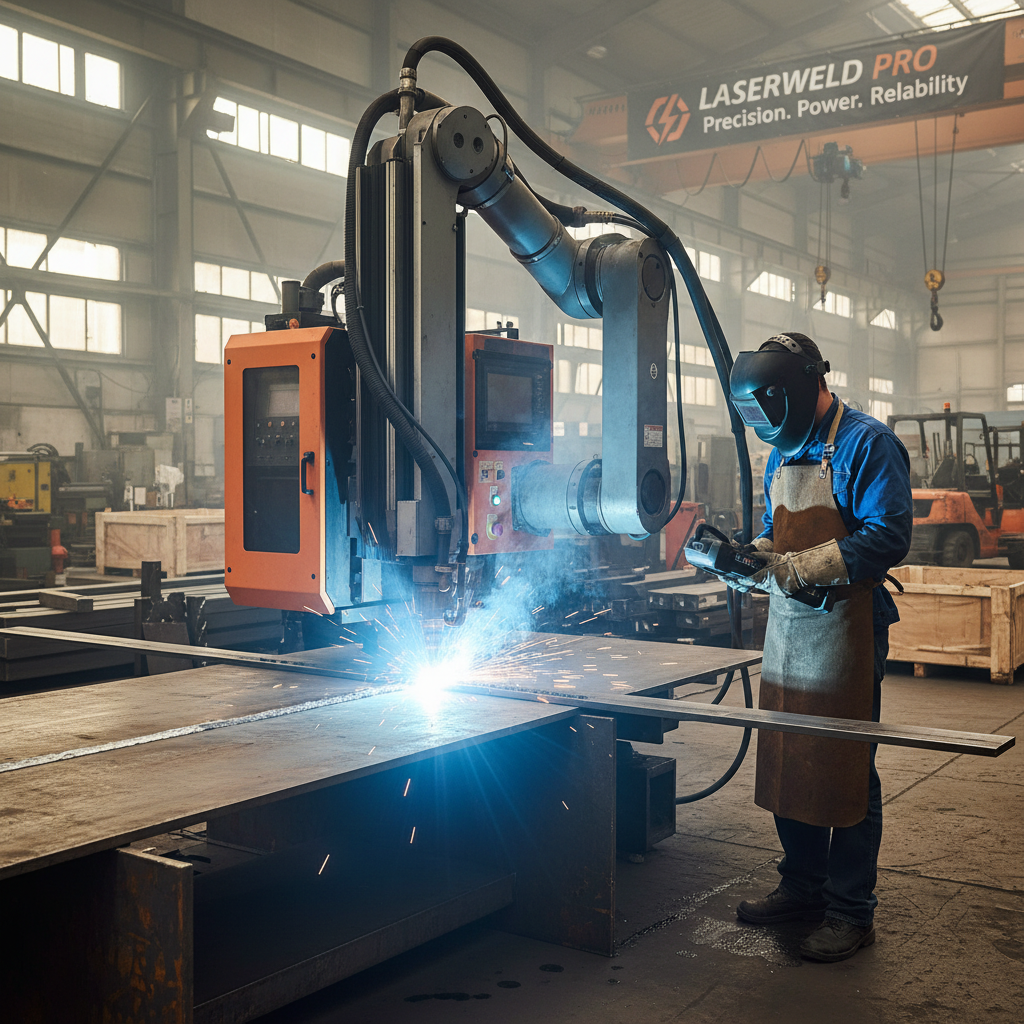
Safety is paramount. Operators must wear appropriate personal protective equipment (PPE), including welding helmets, gloves, and protective clothing, to shield against arc radiation, sparks, and hot metal. Ensure proper ventilation to remove welding fumes. Implement lockout/tagout procedures during maintenance. Regularly inspect equipment for damage and ensure all safety features are functioning correctly. Strict adherence to safety guidelines prevents accidents and ensures a safe working environment.
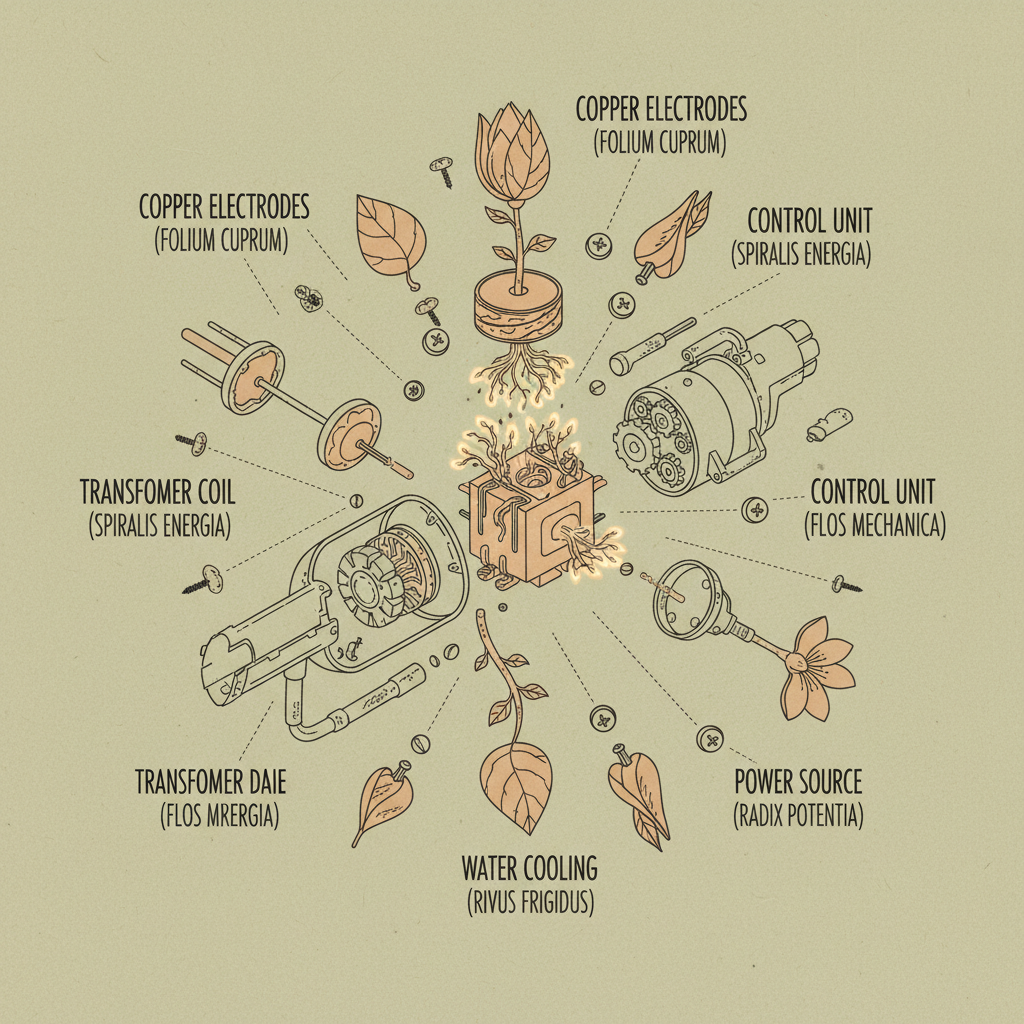
A typical maintenance schedule includes daily checks for loose connections and proper operation of safety features. Weekly maintenance involves cleaning electrodes, inspecting cables, and lubricating moving parts. Monthly checks should include verifying welding current accuracy and inspecting transformer oil levels. Annual preventative maintenance performed by qualified technicians should encompass a thorough inspection of all components, including the transformer, rectifier, and control system, to ensure optimal performance and longevity.
In conclusion, the spot projection welding machine represents a pivotal technology in modern manufacturing. Its ability to deliver consistent, high-strength welds with optimized efficiency makes it indispensable across diverse industries, from automotive and aerospace to medical and electronics. Understanding its core principles, applications, and future trends is essential for businesses seeking to enhance productivity, reduce costs, and maintain a competitive edge in today’s global marketplace.
Looking ahead, continued innovation in automation, digitalization, and sustainable welding practices will further solidify the role of spot projection welding in shaping the future of manufacturing. Investing in this technology and embracing its potential will be crucial for organizations aiming to achieve long-term success and drive sustainable growth. Visit our website at www.xdrmachinery.com to learn more about our advanced spot projection welding solutions.