• tel 8613931787312
  • address
    Botou Industrial Zone on the east side of National Highway 104, Botou City, Hebei Province
0%

Table of Contents

Look, I've been running around construction sites for over twenty years. You see a lot, you learn a lot. Right now, everyone’s talking about automation, right? More and more robots are being introduced to welding processes, and honestly, it’s a bit of a mixed bag. It’s not just about speed, it’s about consistency and minimizing rejects. But the thing is, a lot of these automated systems…they're just not built for the real world. The dust, the humidity, the guys dropping tools – a lab environment is a whole different beast.

To be honest, the biggest challenge I see isn't the tech itself, it's getting people to trust it. Guys who've been welding for twenty years aren't exactly eager to have a robot tell them how to do their job. It’s about showing them the benefits, and getting their input on the design. I once spent a week at a factory in Suzhou convincing a team that a new pneumatic system wouldn't steal their jobs… it was a long week.

And you know what? It all comes back to the basics. A good resistance spot welder for sale is still just a good resistance spot welder for sale. Doesn’t matter how many bells and whistles you add if the core components are junk.
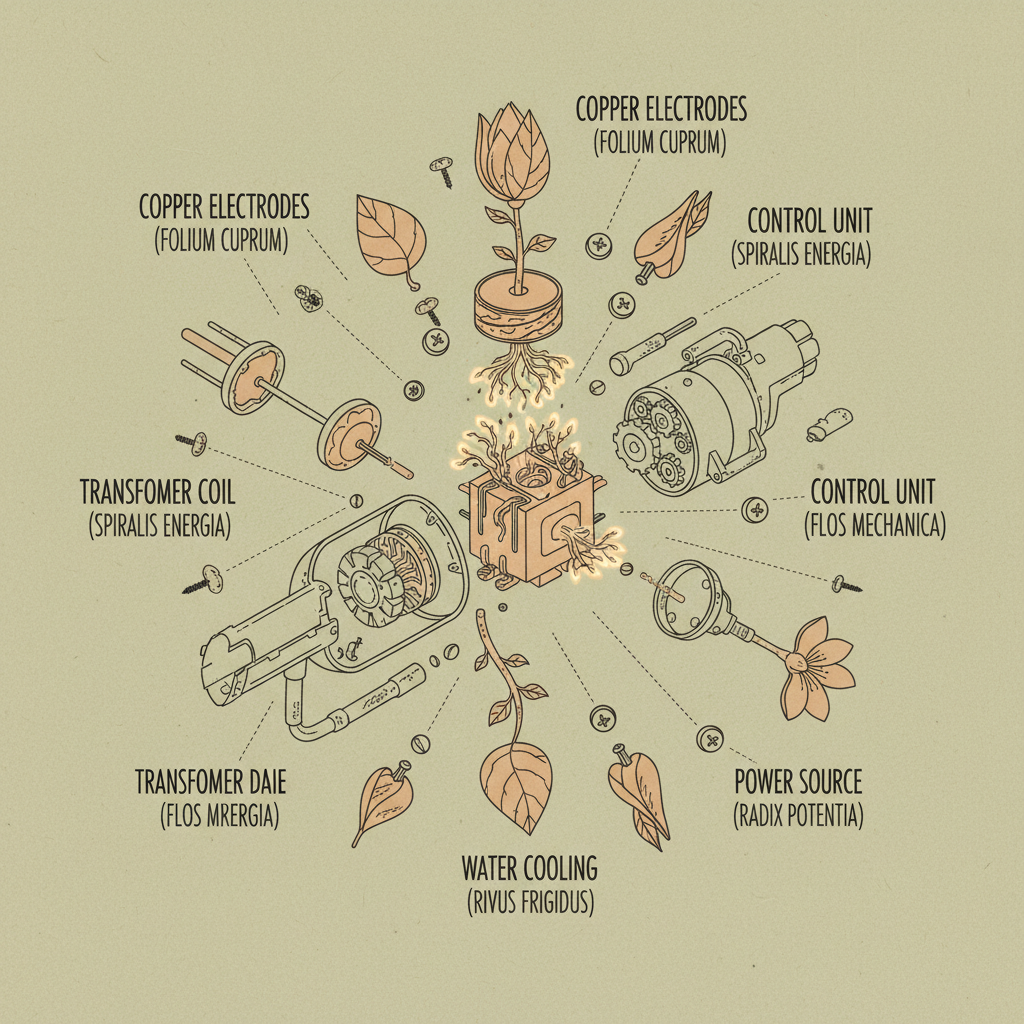
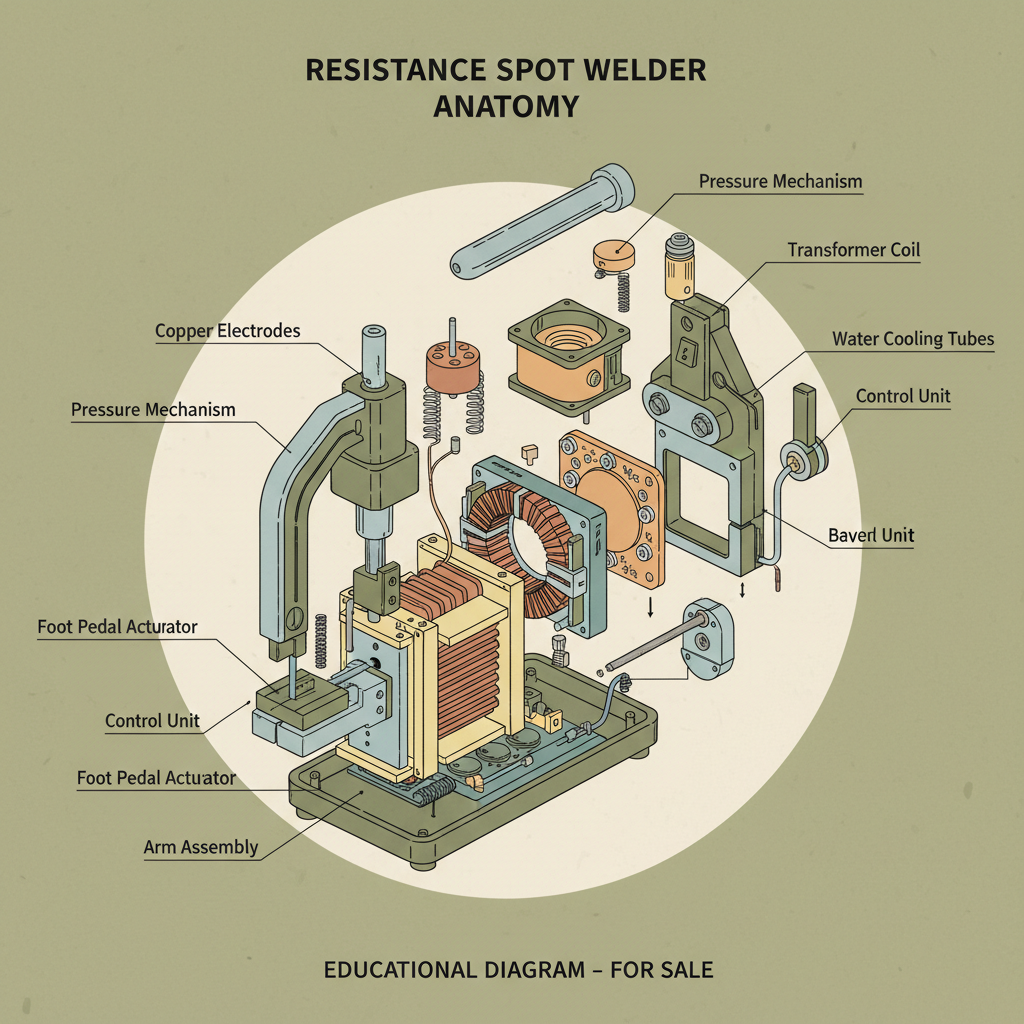
Finding the Right Resistance Spot Welder for Sale and Practical Welding Insights

The Current Landscape of Resistance Spot Welding

Finding the Right Resistance Spot Welder for Sale and Practical Welding Insights

Have you noticed the push for lighter materials? Everyone's trying to ditch the heavy steel for aluminum and even some composites. It changes everything. The current…well, the trend is towards precision. They want welders that can handle these different materials without requiring constant adjustments. It's also pushing manufacturers to focus on energy efficiency. These things chew through power, you know? And with energy costs going up… it’s a real concern.

The biggest players right now are still the Japanese and German manufacturers, but you're seeing more and more Chinese companies stepping up their game. They're offering competitive pricing, but the reliability... well, that's still a question mark sometimes. I encountered this at a factory in Dongguan last time, a brand new machine that broke down after a week. A complete disaster.

Common Design Pitfalls and Considerations

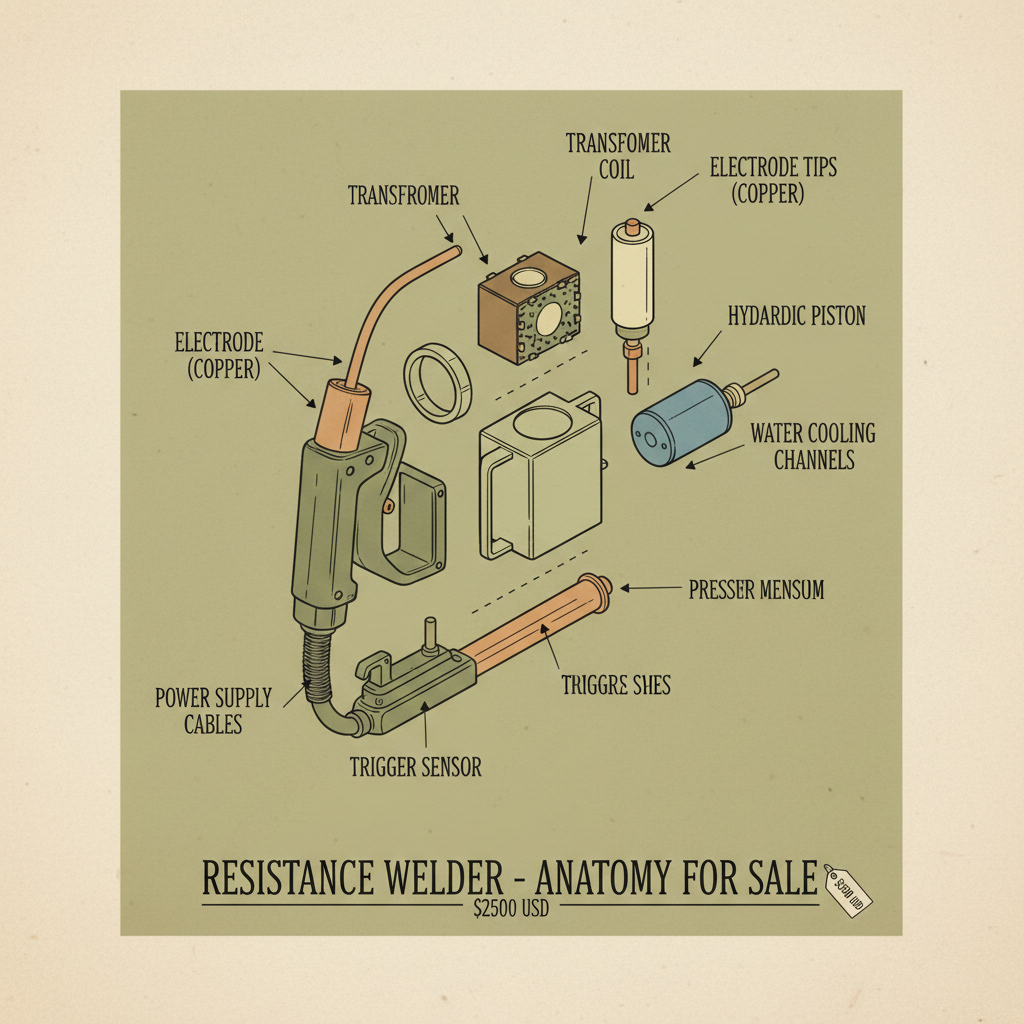
Strangely enough, the biggest mistake I see is over-engineering. People try to pack too much into a single machine, adding features nobody actually uses. Keep it simple, stupid – that's my motto. Another issue is neglecting the cooling system. These things get HOT. If the cooling isn't adequate, you’ll be replacing electrodes constantly. It's a money pit.

Then there's the electrode arm design. Too much flex, and you lose precision. Too little, and it puts excessive stress on the components. Finding the right balance is key. And don't even get me started on the control panels… they often aren't intuitive enough for the guys on the shop floor. They need something they can understand at a glance.

A lot of manufacturers also underestimate the importance of proper grounding. If the grounding is bad, you get inconsistent welds and a lot of headaches. It’s a basic thing, but it’s often overlooked.

Material Science: It's More Than Just Steel

The electrodes, man. That's where a lot of the magic happens. Copper alloys are standard, of course, but the specific alloy makes a huge difference. Some are better for mild steel, others for aluminum, and so on. You can tell a good electrode just by the feel of it—it’s got a certain weight, a certain smoothness. And the smell when it's working... a faint metallic tang. I know, it sounds weird, but after years on the shop floor, you develop a nose for these things.

The type of metal you’re welding affects everything. Aluminum, for instance, requires a different approach than steel. It’s softer, more prone to distortion. You need to control the heat input very carefully, or you'll end up with a warped mess. And stainless steel… that’s a whole other ballgame. You need the right gas shielding and a precise welding schedule to prevent oxidation.

I’ve seen guys trying to weld galvanized steel without proper ventilation. Bad idea. The fumes are toxic. Always wear a respirator, always. Seriously. It's not worth risking your health for a few bucks.

Real-World Testing and Quality Control

Forget the lab tests. I want to see how this thing performs under real-world conditions. I like to take a resistance spot welder for sale out to a job site, throw some dust and grime on it, and see if it still works. I also like to have the guys who actually use it run some test welds. Their feedback is invaluable.

We have a simple test: we weld a series of plates together, then try to pull them apart. If the weld holds, it passes. Sounds basic, right? It is. But it’s effective. We also do a visual inspection, looking for any signs of porosity or cracks.

Resistance Spot Welder Performance Metrics


How Users Actually Employ Resistance Spot Welders

You know, it’s funny. The engineers design these machines with a certain workflow in mind, but the guys on the shop floor always find a way to do things differently. I’ve seen them rigging up jigs and fixtures that would make the designers cringe. But if it works, it works, right?

A lot of times, they're using these welders for quick repairs and modifications. Not just for mass production. They might need to fix a broken bracket or weld on a new attachment. They're improvising all the time.

The Advantages and Disadvantages: A Practical View

Okay, the advantages are pretty clear: speed, consistency, relatively low skill requirement. A good operator can crank out hundreds of welds a day. But… they’re not perfect. They’re susceptible to electrical interference, which can mess with the weld quality. And they can be expensive to maintain. Those electrodes wear out, and you need to keep the cooling system clean.

Another downside is the limitations on material thickness. You can’t weld too thick or too thin. You need to find the sweet spot. And let's be real, they’re not pretty. These aren’t machines you’d put in a showroom. They’re workhorses.

Customization Options and Specific Applications

Anyway, I think the biggest advantage these days is customization. If you need a specific electrode configuration, or a different control system, most manufacturers will work with you. I remember last month, that small boss in Shenzhen who makes smart home devices insisted on changing the interface to , and the result was a two-week delay and a lot of frustration. It ended up not making any difference, frankly.

We've also done projects where we needed to integrate the welder into a robotic arm. That requires a lot of tweaking and programming, but it can significantly increase productivity. It's not always practical, though. Sometimes, the best solution is just a good old-fashioned manual welder.

But even then, there's room for customization. The clamp force, the welding current, the weld time… you can adjust all of these parameters to optimize the process for different materials and applications.

Summary of Key Customization Considerations

Application Scope Customization Parameter Complexity Level Estimated Cost
Automotive Body Panel Welding Electrode Material and Tip Geometry Medium $500 - $1500
Sheet Metal Fabrication Welding Current and Time Settings Low $100 - $300
Robotic Welding Integration Communication Protocol and Control Interface High $2000+
Welding of Dissimilar Metals Electrode Force and Cooling System Medium-High $800 - $2000
High-Volume Production Lines Automated Electrode Changer and Feed System High $3000+
Welding in Confined Spaces Compact Electrode Arm Design Medium $600 - $1800

FAQS

What’s the typical lifespan of a resistance spot welder electrode?

It depends heavily on the material you're welding and the current you're running, but generally, you're looking at anywhere from a few hundred to a few thousand welds. You’ll start to see signs of wear – mushrooming, pitting, cracks. Don’t push it. A worn electrode creates inconsistent welds and can damage your parts. And don't forget to regularly clean them to remove buildup. Dirty electrodes lead to poor contact and, again, inconsistent welds.

What are the common causes of weld defects in resistance spot welding?

Oh boy, where do I start? Poor surface preparation is a big one – dirt, rust, paint... it all interferes with the weld. Insufficient clamping force is another culprit. You need enough force to create a good electrical connection. And, of course, incorrect welding parameters – current, time, electrode force – can all lead to defects. Also, don’t forget about material inconsistencies. Different alloys weld differently.

How important is preventative maintenance for a resistance spot welder?

Crucial. Absolutely crucial. These machines get a beating. You need to regularly check the cooling system, the electrical connections, the electrode arms. Lubricate moving parts. Keep everything clean. A little preventative maintenance can save you a lot of headaches down the road. I’ve seen welders go down because someone neglected to clean the water filter in the cooling system. Simple stuff, but it matters.

Can a resistance spot welder be used on different types of metal?

Yes, but you need to adjust the settings and use the correct electrodes. Mild steel is the easiest. Aluminum is trickier – requires a different electrode material and a more precise welding schedule. Stainless steel needs special consideration to prevent oxidation. And some metals, like titanium, are really difficult to weld with resistance spot welding. You have to know your materials and understand how they respond to the process.

What safety precautions should be taken when operating a resistance spot welder?

Always wear proper PPE – safety glasses, gloves, a respirator. Resistance spot welding generates fumes and sparks. Make sure the machine is properly grounded. Be aware of the pinch points – the electrode arms can move quickly and cause injury. And never, ever touch the electrodes while the machine is energized. It's a shocking experience you won’t forget.

What’s the difference between AC and DC resistance spot welding?

AC is generally more common for higher-volume production. It's more forgiving and less prone to sticking. DC provides more precise control over the welding process and is often used for specialized applications, like welding dissimilar metals. It also tends to produce a narrower weld nugget. Both have their advantages and disadvantages. It really depends on the application.

Conclusion

So, what have we learned? Resistance spot welding is a vital process, constantly evolving, but still fundamentally reliant on solid engineering and a good understanding of materials. Automation is coming, but it’s not a magic bullet. It needs to be implemented thoughtfully, with input from the people who actually use the machines.

Ultimately, whether this thing works or not, the worker will know the moment he tightens the screw. If it holds, you're good to go. If it doesn’t... well, you’ve got a problem. And that's the bottom line. If you’re looking for a reliable resistance spot welder for sale, check out XDR Machinery – they’ve got a good reputation, and I’ve seen their machines hold up on some tough job sites.


Michael Johnson

Michael Johnson

Michael Johnson is a Quality Control Supervisor at Hebei Xindrui Machinery, responsible for ensuring all products meet rigorous quality standards. A meticulous professional with 10 years of experience in manufacturing, Michael oversees the inspection process for metal containers, from paint barrels to fire extinguisher boxes. He has implemented several new
Previous Finding the Right Resistance Welding Machine Price for Optimal Performance
Next Find a Durable Resistance Welder for Sale for Reliable Welding Solutions