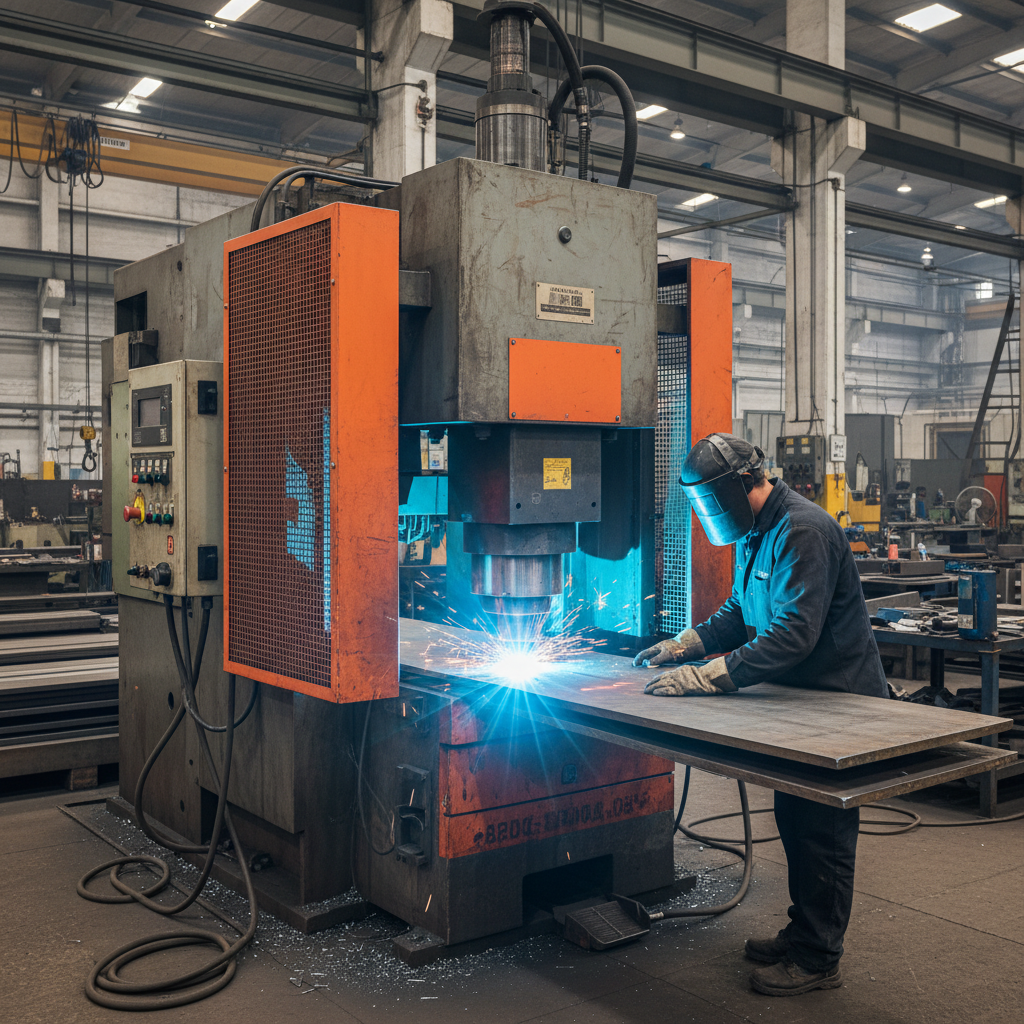
The global demand for precision joining technologies is steadily increasing, driven by advancements in industries like automotive, aerospace, and medical device manufacturing. Central to this growth is the micro resistance welder, a versatile tool for creating high-integrity welds on small and intricate components. Understanding the principles, applications, and future trends surrounding this technology is crucial for professionals and businesses seeking to innovate and maintain a competitive edge in today's rapidly evolving market.
Micro resistance welding offers significant advantages over traditional welding methods, especially when dealing with delicate materials and tight tolerances. Its ability to produce precise, localized heat minimizes distortion and material waste, making it a cost-effective and environmentally responsible solution. This technique is particularly vital in sectors where component reliability and miniaturization are paramount.
Ultimately, the successful implementation of a micro resistance welder hinges on a thorough understanding of its capabilities and limitations, and its ability to integrate seamlessly into existing manufacturing processes. This knowledge empowers businesses to optimize production efficiency, improve product quality, and unlock new possibilities in design and functionality.
The Core Principles of micro resistance welder
At its core, micro resistance welder utilizes the heat generated by the resistance to the flow of electrical current through the materials being joined. This localized heating rapidly melts the metal at the interface, creating a strong and reliable weld. The precision of this process is dependent on carefully controlling parameters like current, pressure, and weld time.
The technique is particularly suited for welding dissimilar metals, offering a unique advantage in applications where traditional welding methods may be unsuitable. Proper surface preparation and electrode design are critical for achieving optimal weld quality and minimizing defects, making operator skill and machine calibration essential components of a successful operation.
The Global Landscape of micro resistance welder Technology
The market for micro resistance welder equipment is experiencing significant growth, particularly in Asia-Pacific, driven by the region's burgeoning electronics and automotive industries. North America and Europe also represent substantial markets, fueled by demand from aerospace, medical device, and defense sectors. According to recent reports, the global resistance welding market is projected to reach \$X billion by 2028, with micro resistance welding accounting for a significant portion of this growth.
This growth is directly correlated with the increasing miniaturization of electronic components and the demand for high-precision manufacturing processes. Factors like increasing automation, stricter quality control standards, and the need for lightweight materials are also driving adoption of this technology. Companies are increasingly seeking micro resistance welder solutions that offer improved efficiency, reliability, and cost-effectiveness.
The competitive landscape includes established manufacturers offering a range of equipment from benchtop units to fully automated production systems. Innovation focuses on areas such as advanced control algorithms, improved electrode materials, and integration with Industry 4.0 technologies like machine learning and predictive maintenance.
Defining micro resistance welder: A Modern Industrial Solution
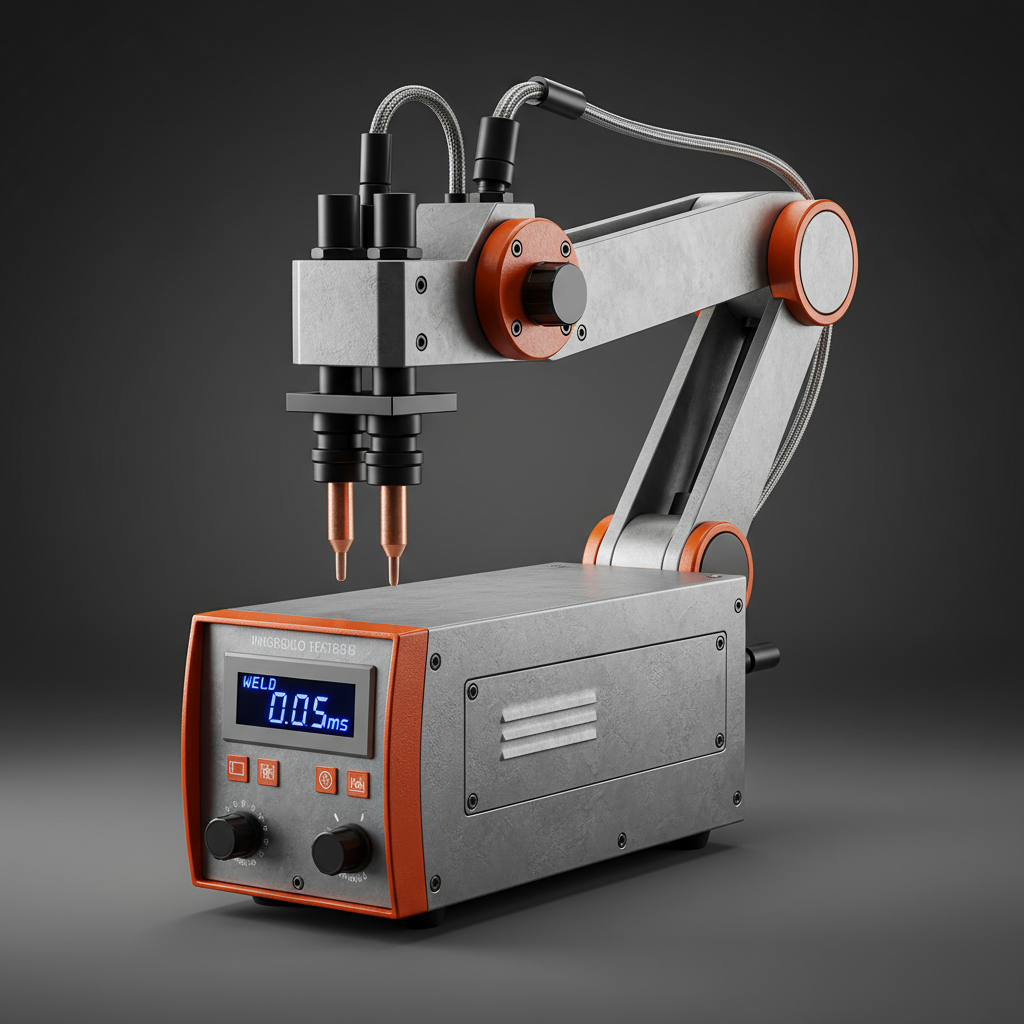
A micro resistance welder is a specialized welding system designed for joining small, often intricate metal components with exceptional precision. Unlike conventional resistance welding, which typically involves larger workpieces and higher currents, micro resistance welding focuses on localized heat generation to create welds with minimal thermal impact on surrounding areas.
This technique is essential in modern industry, particularly in the manufacturing of electronic devices, medical instruments, and automotive sensors. The ability to join dissimilar metals, create hermetic seals, and produce welds with minimal distortion makes it an indispensable process for applications requiring high reliability and performance. It’s a critical element in enabling advancements in areas like wearable technology and miniaturized medical implants.
The relevance extends beyond pure industrial needs, impacting humanitarian efforts. micro resistance welder can be used in the rapid prototyping and repair of critical medical equipment in resource-limited settings, demonstrating its versatility and potential for positive social impact.
Key Factors Influencing micro resistance welder Performance
Several factors directly impact the quality and reliability of welds produced by a micro resistance welder. Precise control of welding current is paramount, ensuring sufficient heat generation without damaging surrounding materials. Similarly, the application of consistent pressure is crucial for establishing good electrical contact and promoting proper fusion.
Electrode material and design also play a critical role. The choice of electrode material influences heat transfer, resistance to wear, and weld quality. Optimal electrode geometry ensures focused heat input and prevents localized overheating.
Key Performance Indicators for micro resistance welder
Global Applications and Real-World Use Cases
micro resistance welder finds widespread application in the automotive industry for joining sensors, actuators, and wiring harnesses. In the aerospace sector, it's used for welding critical components in avionics systems and engine control units. The medical device industry utilizes it extensively for fabricating surgical instruments, implants, and pacemakers.
In post-disaster relief operations, portable micro resistance welder units can be deployed for the rapid repair of damaged equipment and infrastructure, providing essential support to affected communities. Similarly, in remote industrial zones, these welders enable on-site maintenance and fabrication of custom parts, reducing downtime and logistical challenges.
Advantages and Long-Term Value of micro resistance welder
The advantages of utilizing a micro resistance welder are numerous. Cost efficiency is a major benefit, thanks to reduced material waste, minimal post-weld cleaning, and lower energy consumption compared to other welding techniques. Sustainability is enhanced by its ability to join dissimilar metals, promoting resource conservation and reducing the need for environmentally harmful materials.
From a social impact perspective, micro resistance welder empowers technicians and engineers with a versatile and reliable tool, fostering innovation and improving product quality. The inherent safety features of the process, such as localized heat input and minimal spatter, contribute to a safer working environment and increased peace of mind. These advantages collectively translate into long-term value for businesses and society.
Future Trends and Innovations in micro resistance welder
The future of micro resistance welder is intertwined with advancements in automation, machine learning, and materials science. Integration with robotic systems will enable fully automated welding processes, increasing efficiency and reducing human error. The development of new electrode materials with enhanced conductivity and wear resistance will further improve weld quality and longevity.
The increasing adoption of Industry 4.0 principles will drive the development of "smart" welding systems capable of real-time process monitoring, adaptive control, and predictive maintenance. Sustainability considerations will continue to push innovation towards more energy-efficient and environmentally friendly welding techniques.
Furthermore, research into novel welding parameters and waveform control strategies promises to expand the range of materials that can be effectively joined with this technology, paving the way for new applications in diverse industries.
Key Comparison of micro resistance welder Methods
| Welding Method |
Material Compatibility |
Precision Level (1-10) |
Automation Potential |
| Micro Resistance Welding A |
Steel, Stainless Steel |
9 |
High |
| Micro Resistance Welding B |
Aluminum, Copper |
7 |
Medium |
| Micro Resistance Welding C |
Titanium, Nickel Alloys |
8 |
Medium |
| Micro Resistance Welding D |
Dissimilar Metal Combinations |
6 |
Low |
| Micro Resistance Welding E |
High-Conductivity Materials |
10 |
High |
| Micro Resistance Welding F |
Micro-scale Components |
9 |
Medium |
FAQS
A micro resistance welder excels at joining a variety of metals, including steel, stainless steel, aluminum, copper, titanium, and nickel alloys. It’s particularly adept at welding dissimilar metals, which can be challenging with other welding methods. The ability to control heat input precisely minimizes distortion and allows for successful welding of sensitive materials. Careful consideration of material properties and appropriate electrode selection are critical for optimal results.
Setup time for a micro resistance welder typically ranges from a few minutes to around 30 minutes, depending on the complexity of the weld and the level of automation. Key factors influencing setup time include electrode selection, current and pressure adjustment, and workpiece fixturing. Modern machines often feature pre-programmed welding schedules and user-friendly interfaces to streamline the process, minimizing downtime and maximizing efficiency.
Regular maintenance of a micro resistance welder is crucial for sustained performance. This includes periodic electrode inspection and replacement, cleaning of welding surfaces, lubrication of moving parts, and checking electrical connections. Following the manufacturer's recommended maintenance schedule helps prevent breakdowns, ensures weld quality, and extends the lifespan of the equipment. Preventative maintenance is significantly more cost-effective than reactive repairs.
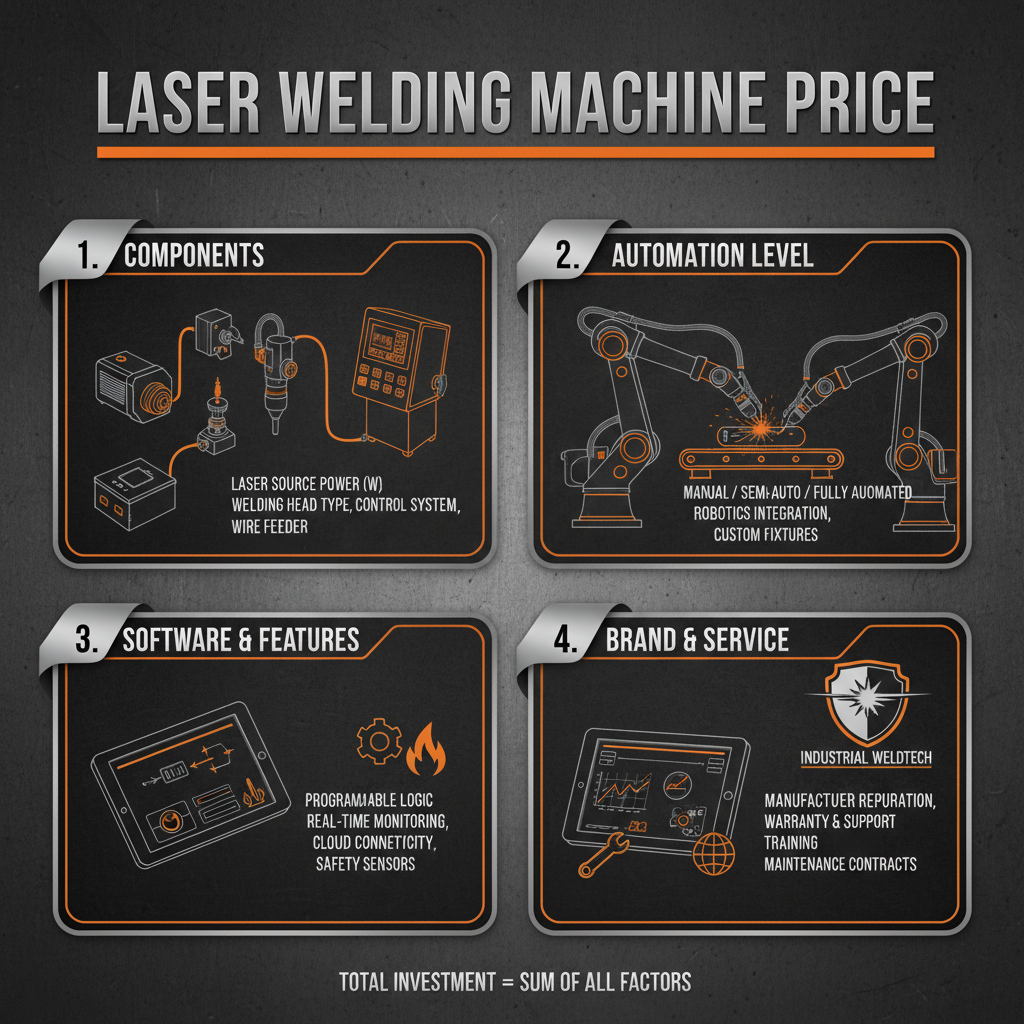
Both micro resistance welding and laser welding offer high precision, but they differ in cost and suitability for certain applications. Laser welding generally offers even finer precision but is significantly more expensive to purchase and maintain. Micro resistance welding provides a good balance of precision, cost-effectiveness, and versatility, making it a preferred choice for many applications, particularly those involving dissimilar metals or conductive materials.
Safety is paramount when operating a micro resistance welder. Essential precautions include wearing appropriate personal protective equipment (PPE) such as safety glasses and gloves, ensuring proper ventilation, and following all manufacturer’s safety guidelines. Avoiding contact with live electrical components and ensuring proper grounding are also critical for preventing accidents. Regular safety training for operators is highly recommended.
While versatile, micro resistance welding has limitations. It’s most effective on materials with good electrical conductivity. Welding very thick materials can be challenging. For non-conductive materials or applications requiring extremely deep penetration, other welding methods like laser welding or electron beam welding might be more appropriate. The choice depends on the specific material properties, weld requirements, and cost considerations.
Conclusion
In conclusion, the micro resistance welder represents a pivotal technology in modern manufacturing, offering a unique combination of precision, efficiency, and versatility. Its ability to join small, intricate components with high reliability has made it indispensable in a wide range of industries, from automotive and aerospace to medical device and electronics. The continued evolution of this technology, driven by automation and materials science advancements, promises even greater capabilities and expanded applications in the years to come.
As we look to the future, embracing innovations in micro resistance welding will be crucial for businesses seeking to optimize their production processes, improve product quality, and stay ahead of the competition. We invite you to explore our range of micro resistance welder solutions and discover how they can benefit your operations. Visit our website at www.xdrmachinery.com to learn more and connect with our team of experts.
 8613931787312
  Botou Industrial Zone on the east side of National Highway 104, Botou City, Hebei Province