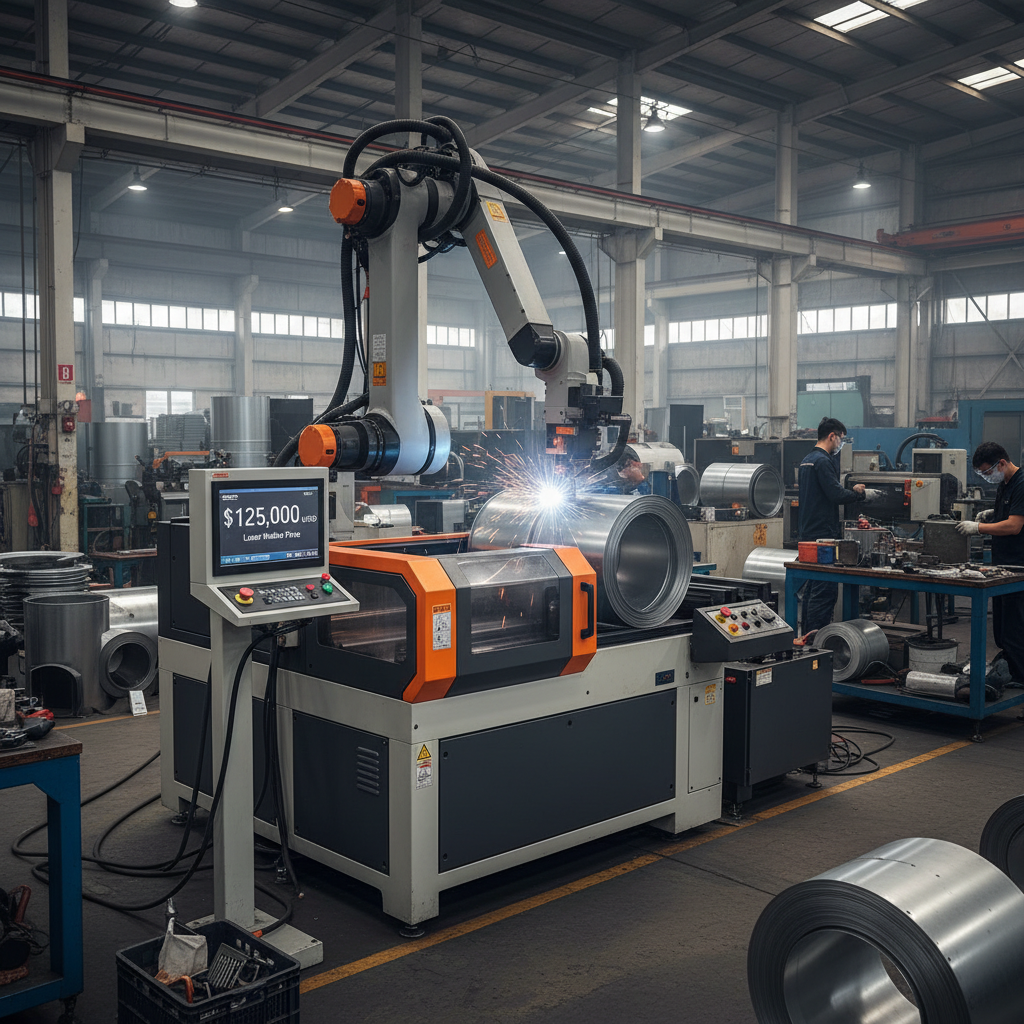
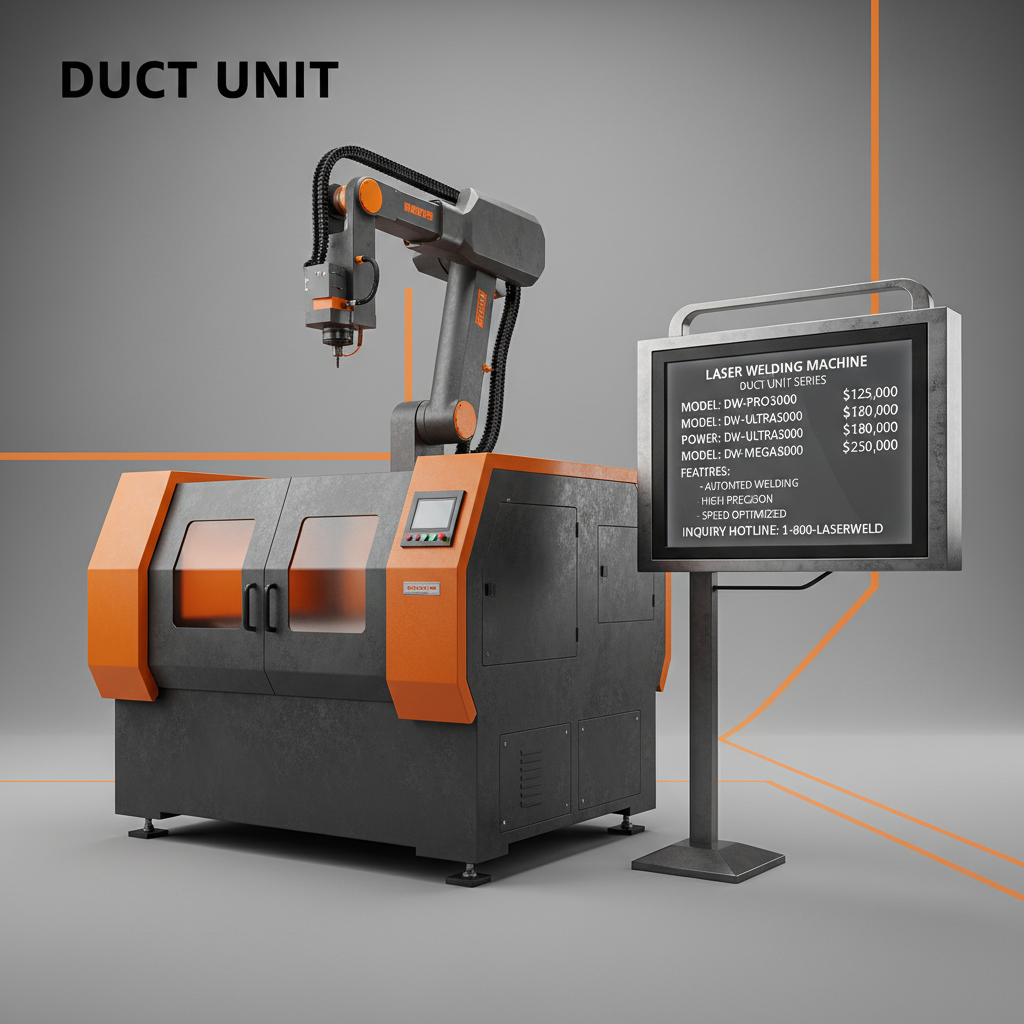
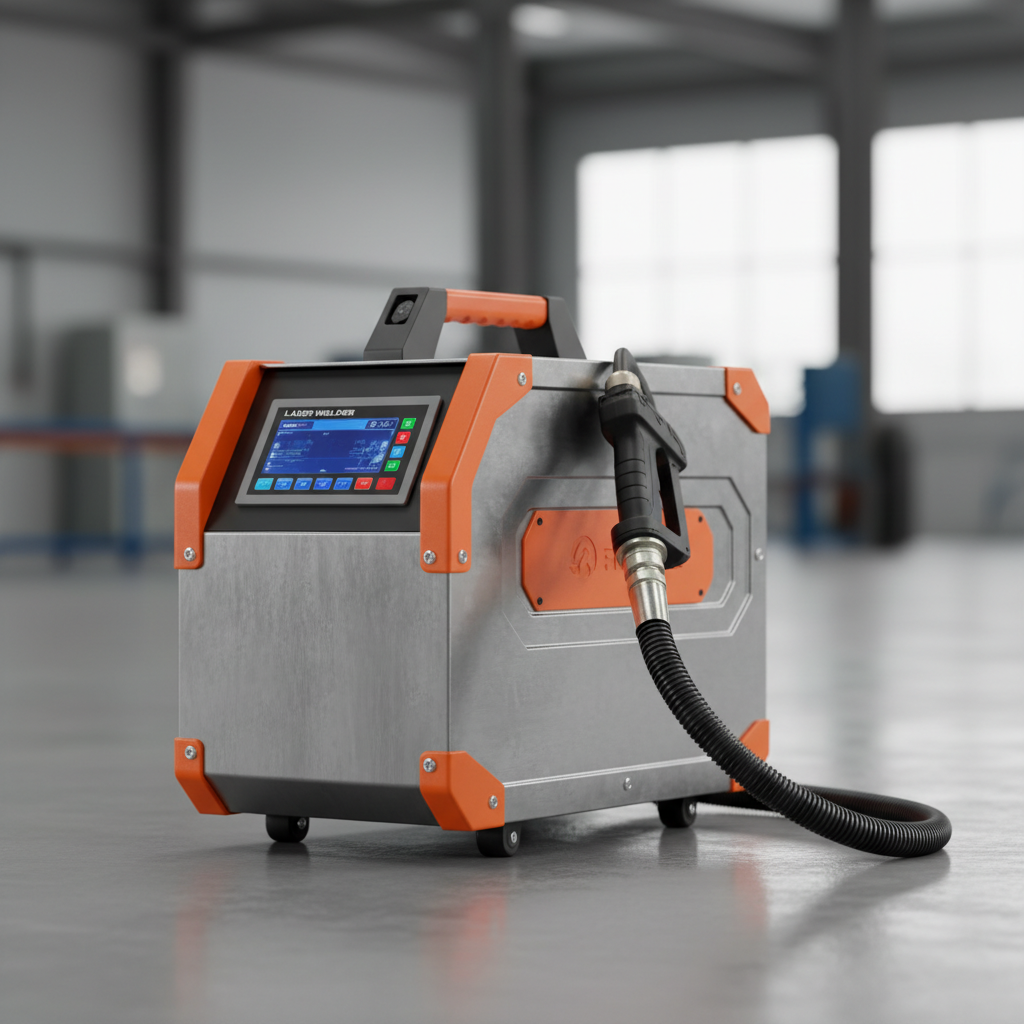
The global market for laser welding technology is experiencing robust growth, driven by increasing demand from automotive, aerospace, and electronics industries. Understanding the laser welder price is crucial for businesses seeking to invest in advanced manufacturing capabilities, as it directly impacts production costs, efficiency, and product quality. The variations in laser welder price reflect the diverse range of functionalities, power outputs, and automation levels available, necessitating informed decision-making for optimal returns.
Fluctuations in raw material costs, particularly for rare earth metals used in laser generation, significantly influence the laser welder price. Geopolitical factors and supply chain disruptions can also play a role, creating price volatility. Furthermore, the increasing integration of robotics and artificial intelligence into laser welding systems is pushing prices upward, but simultaneously offering enhanced productivity and precision.
Analyzing the laser welder price is not simply about finding the lowest cost option; it's about evaluating the total cost of ownership, including maintenance, operational expenses, and the potential for long-term benefits such as reduced scrap rates and improved weld integrity. Strategic investment in laser welding technology can provide a competitive edge, driving innovation and efficiency in a rapidly evolving manufacturing landscape.
The Importance of Understanding laser welder price
Accurately assessing the laser welder price is paramount for businesses making capital investment decisions. Ignoring this crucial factor can lead to overspending, suboptimal equipment selection, and ultimately, reduced profitability. Understanding the breakdown of costs associated with different types of laser welding systems – from fiber lasers to CO2 lasers – enables informed negotiations and ensures a strong return on investment.
The significance of the laser welder price extends beyond the initial purchase. It influences ongoing operational expenses like maintenance, power consumption, and the cost of consumables such as shielding gases and nozzles. Therefore, a holistic evaluation of the total cost of ownership is essential for long-term financial planning.
Defining laser welder price
Laser welder price refers to the total cost associated with acquiring a laser welding system, encompassing the machine itself, any necessary accessories, installation charges, and initial training. However, the definition often expands to include ongoing operational costs, such as maintenance contracts, consumable parts, and energy consumption.
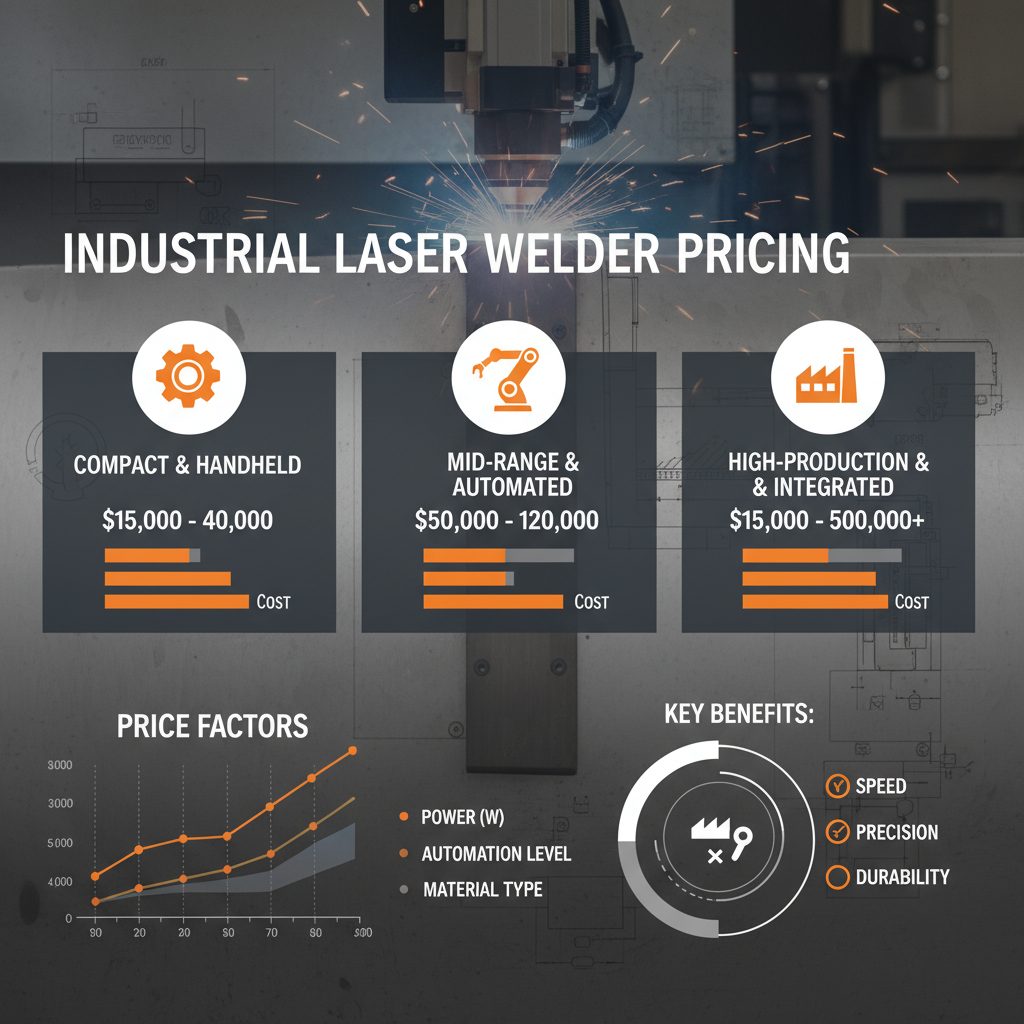
The laser welder price is heavily influenced by several key factors, including the laser’s power output (measured in kilowatts), the type of laser source (fiber, CO2, or Nd:YAG), the level of automation (manual, semi-automatic, or fully automated), and the inclusion of advanced features like seam tracking and real-time process monitoring.
Laser welding technology plays a critical role in modern manufacturing, offering unparalleled precision, speed, and versatility. From automotive assembly to aerospace component fabrication and microelectronics, these systems are essential for producing high-quality, durable products. A strategic understanding of laser welder price empowers businesses to harness these benefits efficiently.
Core Components Influencing laser welder price
The laser source itself is the single most significant factor impacting laser welder price. Fiber lasers generally command a higher initial cost than CO2 lasers but offer superior beam quality, efficiency, and maintenance requirements. The laser’s power output, directly related to its ability to weld thicker materials and at faster speeds, also contributes to the overall cost.
The control system and automation features are substantial contributors to the laser welder price. Sophisticated controllers with advanced programming capabilities, seam tracking systems, and integrated robotic arms all add to the initial investment. However, these features significantly enhance precision, repeatability, and productivity, leading to long-term cost savings.
Additional components such as the welding head, beam delivery system (fiber optic cable or mirrors), shielding gas system, and chiller also factor into the laser welder price. The quality and precision of these components directly influence the weld quality and overall system reliability.
Factors Affecting laser welder price
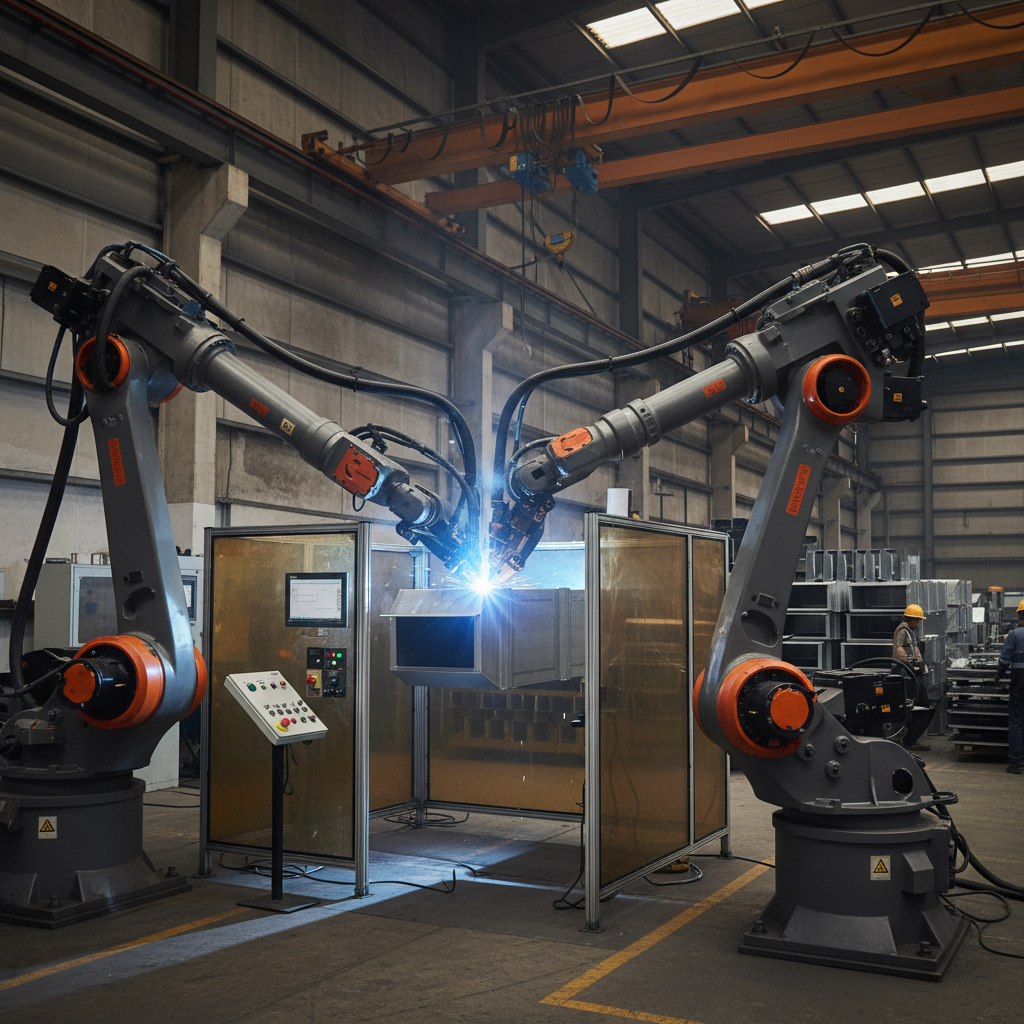
The level of automation significantly affects laser welder price. Manual systems are the least expensive, while fully automated robotic welding stations represent the highest investment. However, automation reduces labor costs and increases throughput, justifying the higher initial expenditure in many applications.
The complexity of the application also influences laser welder price. Welding exotic materials like titanium or nickel alloys requires more powerful and precise lasers, as well as specialized shielding gas systems, driving up the cost. Customization and integration with existing production lines can also add to the overall price.
Global Applications and laser welder price
The automotive industry is a major consumer of laser welding technology, utilizing it for manufacturing chassis components, exhaust systems, and body panels. The laser welder price in this sector is often justified by the need for high-speed, high-precision welding of lightweight materials.
Aerospace applications demand the highest levels of weld quality and reliability, requiring sophisticated laser welding systems. The laser welder price for aerospace-grade equipment is correspondingly higher due to stringent quality control requirements and the use of advanced materials.
Advantages and Long-Term Value of laser welder price
Investing in laser welding, despite the initial laser welder price, offers significant long-term advantages. Reduced material waste, improved weld quality, and increased production speed translate to lower overall manufacturing costs.
Laser welding provides a higher degree of precision and control compared to traditional welding methods, resulting in stronger, more reliable welds. This enhances product durability and reduces the risk of costly failures, adding significant value over the equipment’s lifespan.
The versatility of laser welding enables the joining of a wide range of materials, including dissimilar metals, opening up new design possibilities and expanding manufacturing capabilities.
Future Trends and the laser welder price
The integration of artificial intelligence (AI) and machine learning (ML) into laser welding systems is poised to revolutionize the industry, enabling real-time process optimization and predictive maintenance. These advancements are likely to drive up the laser welder price initially, but will deliver substantial long-term benefits.
Developments in beam shaping and control technologies are expanding the capabilities of laser welding, allowing for the creation of more complex geometries and the welding of even more challenging materials. These advancements will require investment in new equipment, influencing the laser welder price landscape.
The increasing demand for sustainable manufacturing practices is driving the development of more energy-efficient laser welding systems, reducing operational costs and minimizing environmental impact.
Factors Influencing Laser Welder Price and Long-Term Value
| Laser Technology Type |
Automation Level |
Material Compatibility |
Long-Term ROI Score (1-10) |
| Fiber Laser |
Fully Automated |
High (Steel, Aluminum, Titanium) |
9 |
| CO2 Laser |
Semi-Automated |
Medium (Steel, Plastics) |
7 |
| Nd:YAG Laser |
Manual |
Low (Limited Materials) |
5 |
| Fiber Laser (Compact) |
Semi-Automated |
Medium-High (Steel, Aluminum) |
8 |
| CO2 Laser (High Power) |
Automated |
Medium (Thick Steel Plates) |
6 |
| Hybrid Laser Welding |
Fully Automated |
Very High (Diverse Materials) |
10 |
FAQS
The laser source type (fiber, CO2, etc.), power output, level of automation, and included accessories are the primary drivers of laser welder price. Specialized features like seam tracking or robotic integration also add to the cost. Ultimately, the complexity of the system and its capabilities directly impact the price.
While automated systems have a higher initial laser welder price, they often result in lower total cost of ownership due to reduced labor requirements, increased production speeds, and improved weld quality, leading to less rework and scrap. The long-term savings typically outweigh the upfront investment.
A well-maintained laser welding system can have a lifespan of 10-15 years or even longer. Factors like usage intensity, maintenance schedules, and the quality of the initial components influence longevity. A longer lifespan improves the overall return on investment, making the initial laser welder price more justifiable.
Laser welding systems require regular maintenance, including cleaning optics, replacing consumable parts (nozzles, shielding gas), and performing preventative maintenance on the laser source and control system. These costs should be factored into the total cost of ownership. Regular maintenance extends the system’s lifespan and ensures optimal performance.
Welding thicker or more reflective materials (like aluminum or copper) requires higher laser power to achieve adequate penetration and weld quality. Higher power lasers are more expensive, resulting in a higher laser welder price. Selecting the appropriate laser power for the intended application is crucial for cost-effectiveness.
Depending on your location and industry, various government incentives, tax credits, or financing options may be available to help offset the laser welder price. It’s worth investigating available programs to reduce the initial investment and improve affordability. Contacting local economic development agencies can provide information on relevant resources.
Conclusion
Understanding the factors that influence laser welder price is essential for making informed investment decisions. Beyond the initial cost, businesses must consider the long-term benefits, including increased efficiency, improved weld quality, and reduced operational expenses. A strategic approach to laser welding technology can unlock significant competitive advantages.
As technology continues to evolve, incorporating AI, automation, and advanced beam control, the laser welder price landscape will undoubtedly change. Staying informed about these trends and proactively adapting to new innovations will be crucial for maximizing the return on investment and maintaining a leading edge in the manufacturing sector.
 8613931787312
  Botou Industrial Zone on the east side of National Highway 104, Botou City, Hebei Province