-
 8613931787312
 -
 Botou Industrial Zone on the east side of National Highway 104, Botou City, Hebei Province
8613931787312
Laser welding is becoming indispensable in modern manufacturing and fabrication. It’s not just a futuristic technology anymore; it’s a practical, efficient, and often necessary process for industries demanding high precision and quality. From automotive to aerospace, and increasingly in medical device manufacturing, understanding what is laser welding used for is crucial for anyone involved in material joining. The benefits extend beyond simply creating a weld; it’s about optimizing production, reducing waste, and enhancing the overall integrity of the final product. This process tackles challenges traditional welding methods struggle with, making it a game-changer for complex geometries and sensitive materials.
Globally, the demand for high-strength, lightweight materials is surging, driven by industries like automotive and aerospace aiming for fuel efficiency and improved performance. According to the International Institute of Welding, laser welding accounts for a significant and growing portion of advanced welding techniques adopted worldwide. Simultaneously, the rising need for automation and precision in manufacturing – particularly within regions like Germany, Japan, and the US – are bolstering the adoption of laser welding technology. However, challenges remain in terms of initial investment costs and the need for specialized training, limiting broader accessibility, particularly for smaller businesses and developing economies.
Simply put, what is laser welding used for is a fusion process that uses a highly concentrated laser beam as a heat source to melt and join materials together. Unlike traditional welding, which relies on filler metals and shielding gases in many applications, laser welding often operates without these additions, creating cleaner and more precise welds. It's a process where focused energy delivers a localized heat input, minimizing the heat-affected zone and resulting in stronger, more consistent joints. It’s really taken off because modern industries aren't just looking for 'good enough' - they need reliability and repeatability, something laser welding delivers in spades.
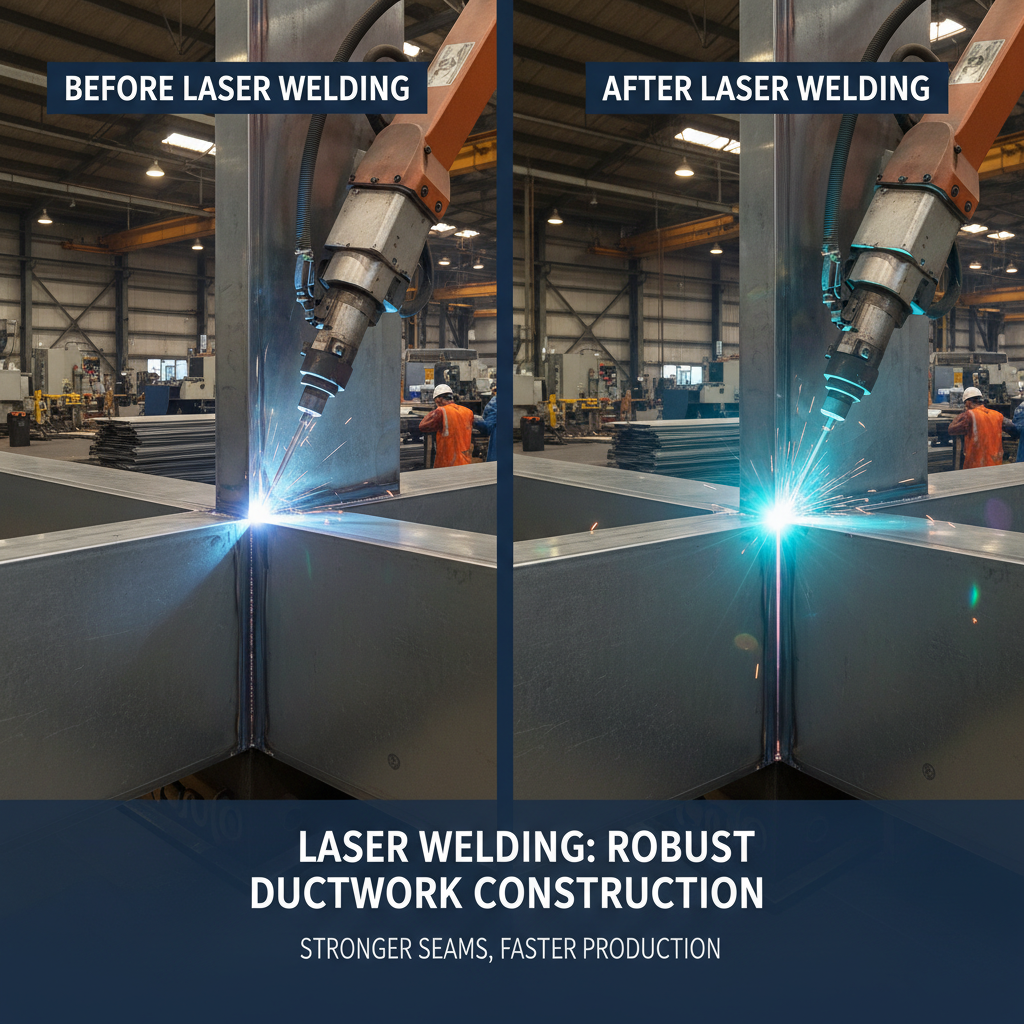
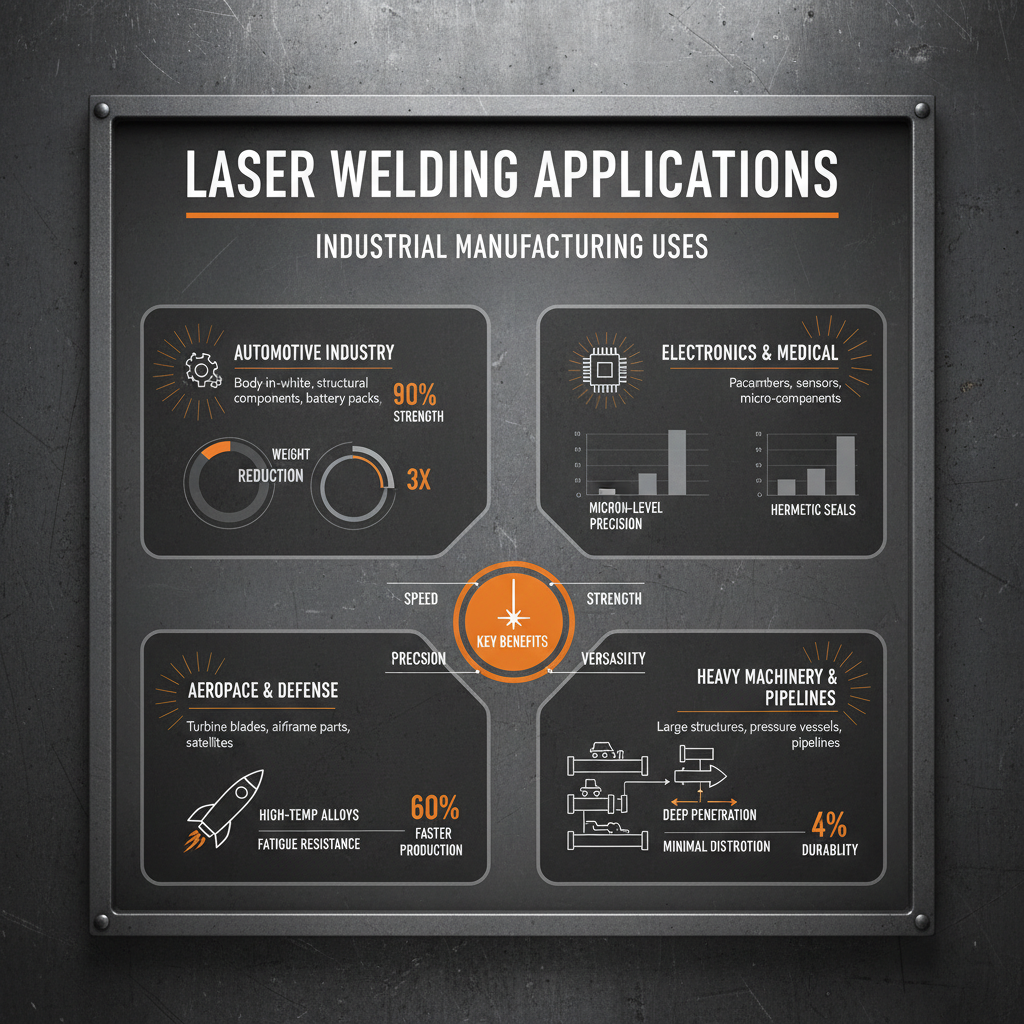
The beauty of laser welding, from a practical standpoint, lies in its precision. You're not dealing with the splatter and potential porosity issues you get with a stick or MIG weld. The focused energy allows for incredibly narrow weld beads, which means less distortion and a stronger final joint, especially in thinner materials. It’s really about control – controlling the heat input, the travel speed, and the laser parameters to get the perfect weld every time.
Another key aspect is the minimal heat-affected zone. With traditional methods, you get a wider area around the weld that's been affected by the heat, potentially weakening the material. Laser welding minimizes this, preserving the integrity of the surrounding material. As someone who's spent years on construction sites, seeing materials hold up under stress is critical, and this is where laser welding truly shines.
Laser welding excels with a wide range of materials, including stainless steel, carbon steel, aluminum, titanium, and nickel alloys. It also handles dissimilar metal combinations well. However, highly reflective materials like copper and gold require specific techniques to ensure effective absorption of the laser energy. Choosing the right laser type and parameters is key to achieving a successful weld with any material.
While the initial investment in laser welding equipment is higher than TIG welding, the long-term costs can be lower. Laser welding is typically faster, requiring less manual labor and reducing rework. Reduced material waste also contributes to cost savings. However, for very small-scale projects, TIG welding might be more cost-effective due to the lower upfront expense.
Operating a laser welding system requires specialized training. Technicians need to understand laser safety protocols, material properties, and process parameters. Training typically covers laser physics, beam control, shielding gas techniques, and quality control procedures. Certification programs are available to demonstrate competency and ensure safe and effective operation.
Laser welding involves significant safety hazards. The high-intensity laser beam can cause severe burns and eye damage. Proper eye protection (laser safety glasses) is crucial, as is wearing appropriate protective clothing. Enclosed welding systems and interlock mechanisms are essential to prevent accidental exposure. Regular safety audits and adherence to established protocols are paramount.
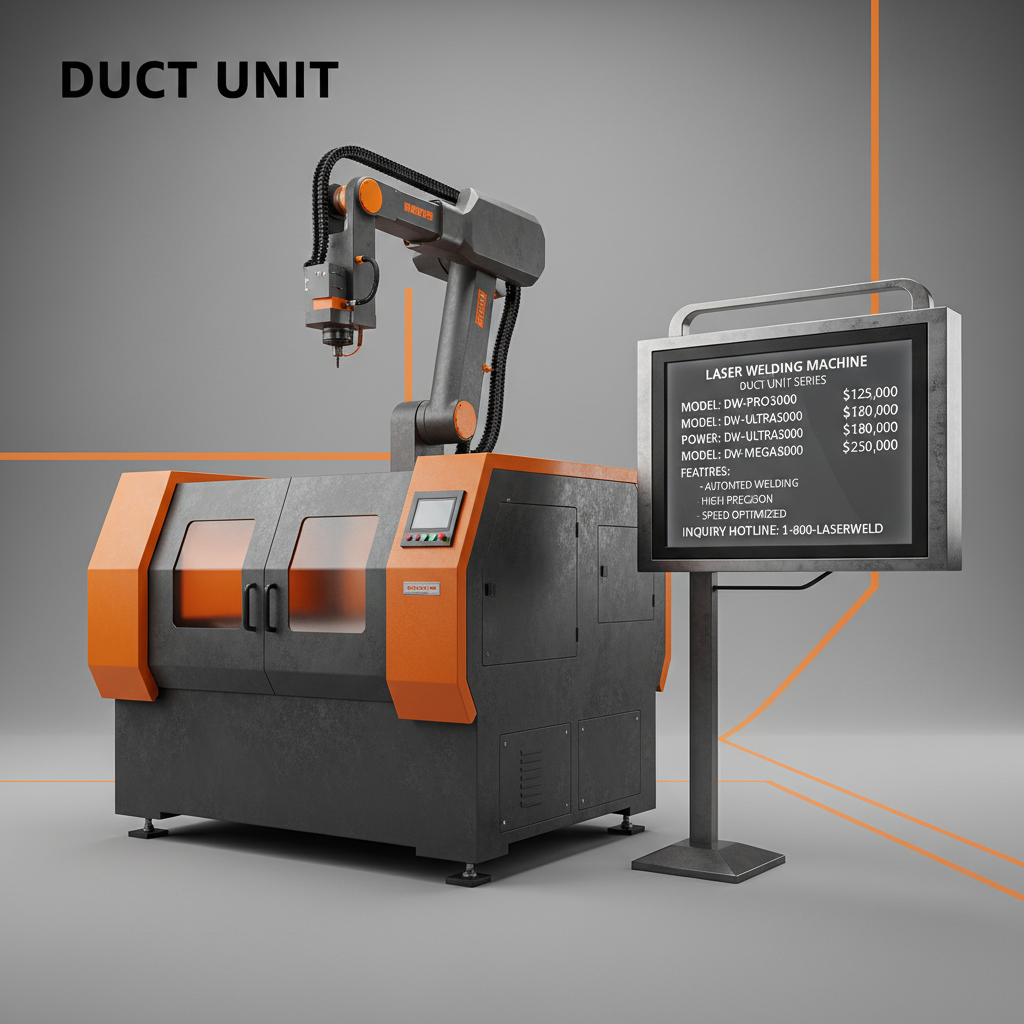
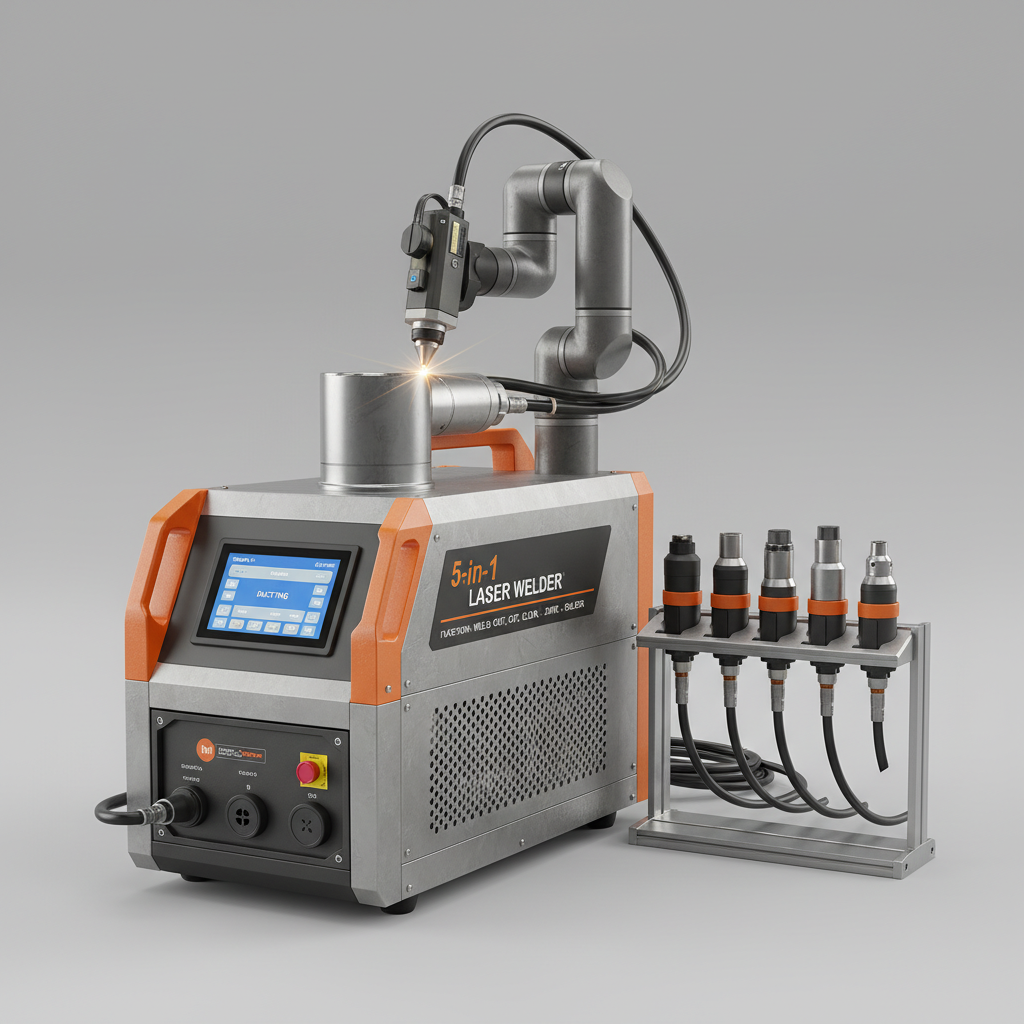
Laser welding integrates seamlessly into automated manufacturing lines. Robotic arms equipped with laser welding heads can perform repetitive welds with high precision and consistency. Integration with CNC machines and vision systems allows for complex geometries and real-time process control. This automation significantly increases production efficiency and reduces the risk of human error.
While versatile, laser welding isn’t a universal solution. Thick materials can be challenging to weld in a single pass, requiring multiple layers. Joint fit-up is critical, as gaps can lead to porosity. Reflective materials require specific techniques. And the initial cost of equipment and training can be a barrier for some businesses. It's crucial to assess the specific application and material requirements to determine if laser welding is the optimal choice.
what is laser welding used for has evolved from a niche technology to a mainstream manufacturing process, driven by demands for precision, speed, and quality. Its ability to join dissimilar materials, minimize heat-affected zones, and integrate seamlessly into automated systems makes it invaluable across diverse industries. Understanding its core principles, advantages, and future trends is essential for anyone involved in material joining and fabrication.
Looking ahead, continued innovation in laser technology, coupled with the increasing adoption of AI and machine learning, will unlock even greater potential. Embracing these advancements will be crucial for manufacturers seeking to remain competitive in a rapidly evolving global landscape. To learn more about how laser welding can optimize your production processes, visit our website: www.xdrmachinery.com