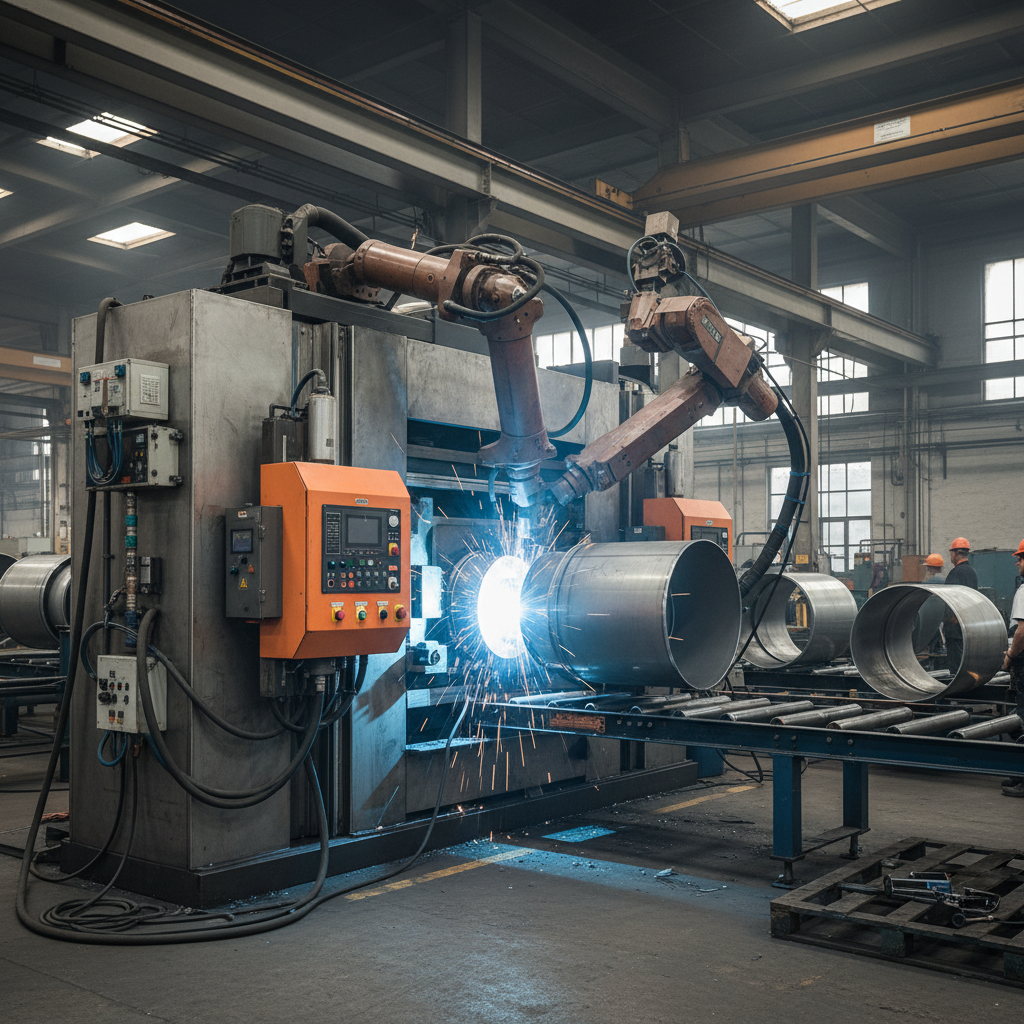
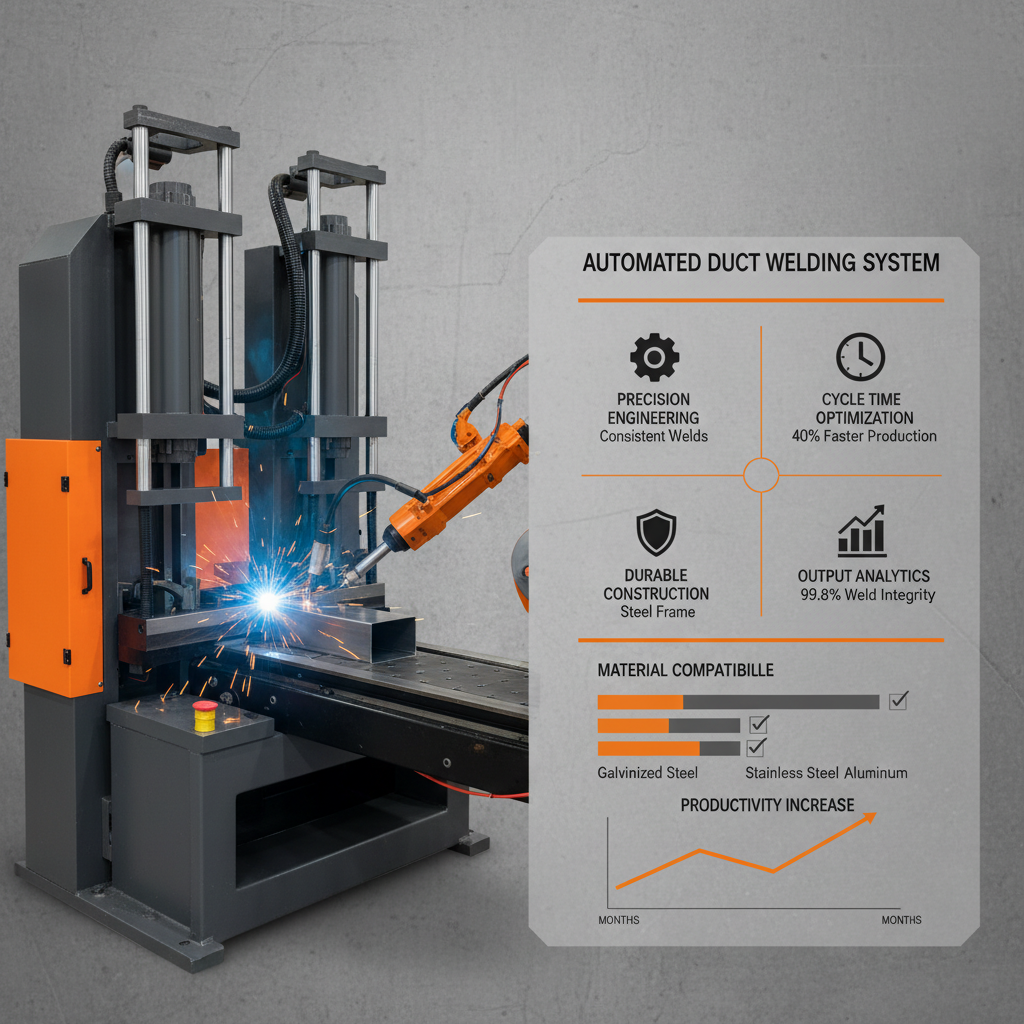
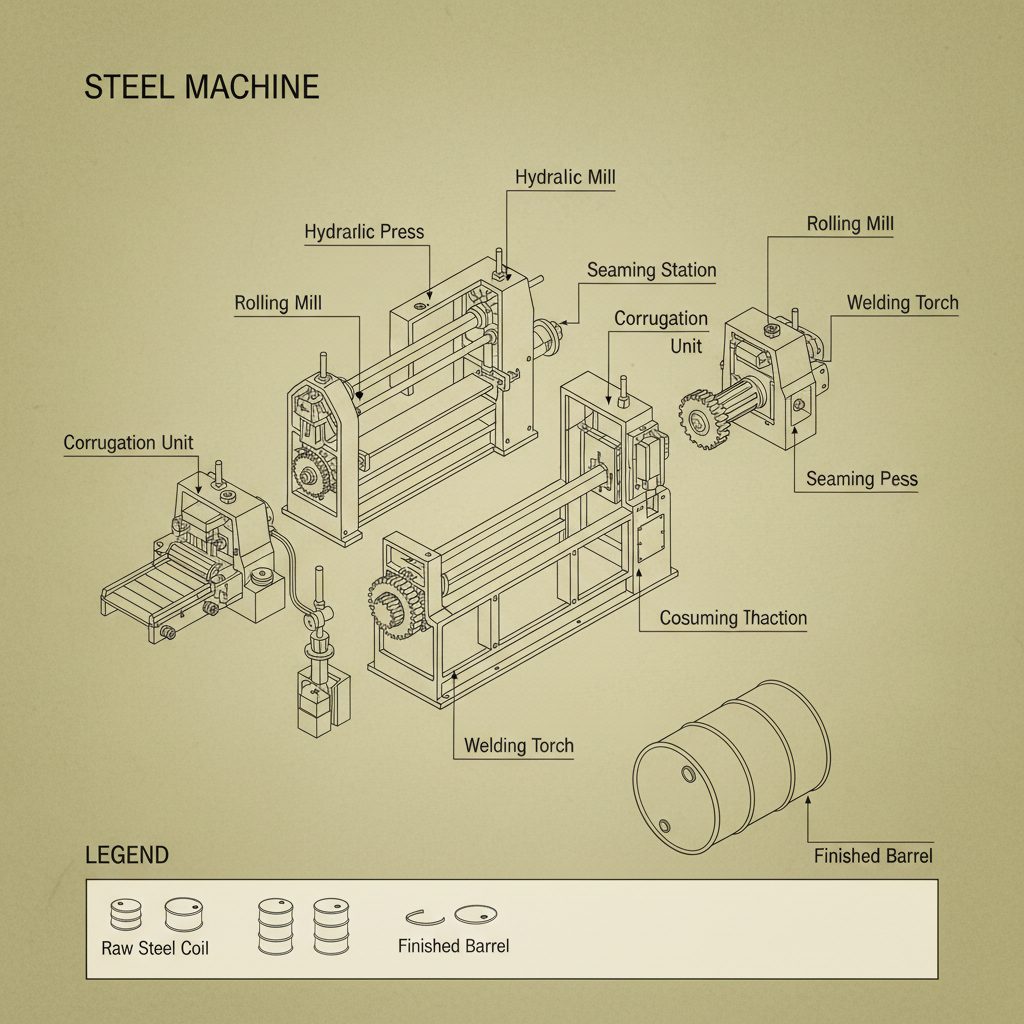
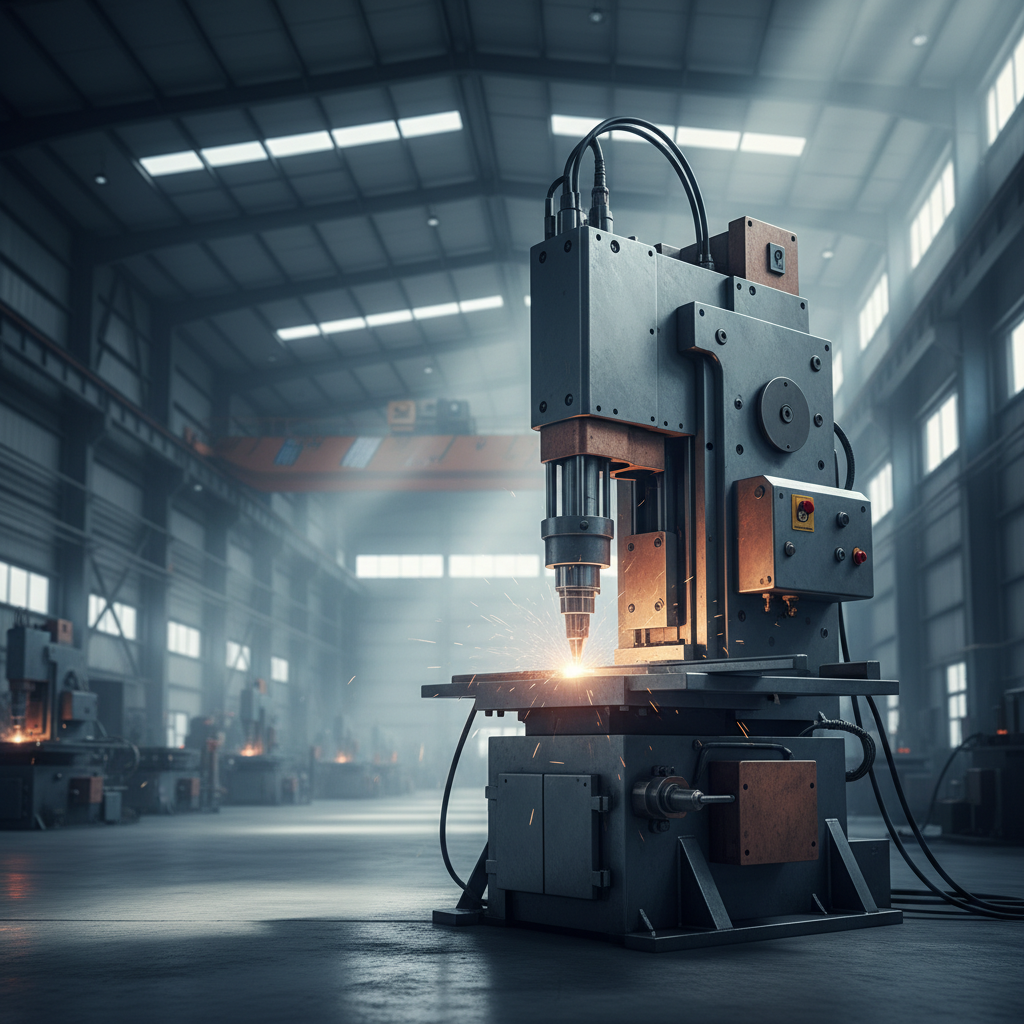
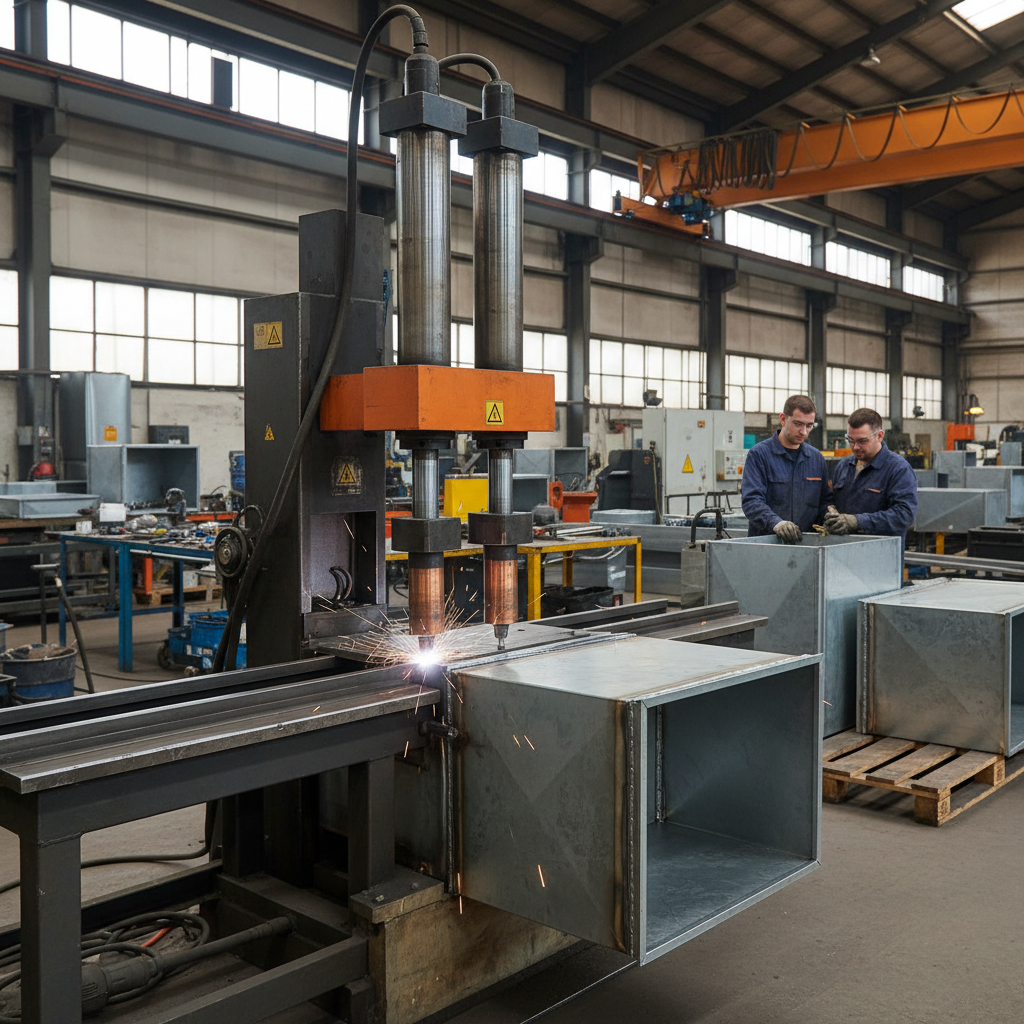
The realm of metal container manufacturing is undergoing a significant transformation driven by the demand for efficient, reliable, and automated welding solutions. At the heart of this evolution lies the automatic pneumatic welding machine, a technology that’s reshaping production lines worldwide. These machines aren’t just about speed; they represent a leap forward in precision, safety, and cost-effectiveness, impacting industries ranging from chemical storage to industrial packaging. Understanding their capabilities is crucial for businesses aiming to stay competitive in today’s global market.
The global metal container market is experiencing robust growth, fueled by increasing demand across diverse sectors like food and beverage, pharmaceuticals, and chemicals. According to recent reports, the industry is projected to reach [insert a realistic market size statistic and source here] by [year]. This growth underscores the critical need for advanced manufacturing technologies like the automatic pneumatic welding machine to meet escalating production demands. Challenges like labor shortages, stringent quality control requirements, and the need for environmentally sustainable practices are driving companies to embrace automation.
The adoption of automated welding solutions isn’t merely a technological upgrade; it's a strategic imperative. It directly addresses issues like inconsistent weld quality stemming from manual processes and the high costs associated with skilled labor. Furthermore, the increased precision and efficiency afforded by these machines reduce material waste and optimize overall production cycles. The automatic pneumatic welding machine is therefore becoming an essential component in modern metal container manufacturing facilities.
The Core Principles of automatic pneumatic welding machine
The core principle behind an automatic pneumatic welding machine is the consistent application of pressure and heat to fuse metal components together, facilitated by compressed air. This process differs significantly from manual welding, offering superior control and repeatability. The pneumatic system provides the force required for clamping, positioning, and applying the welding electrode to the workpiece, ensuring uniform weld quality.
The ability to automate this process allows manufacturers to achieve high-volume production with minimal human intervention, significantly reducing labor costs and improving overall efficiency. The precision and consistency of pneumatic welding also minimize defects, leading to higher product quality and reduced waste. This makes it an indispensable technology for manufacturing metal containers demanding high structural integrity.
Defining Automatic Pneumatic Welding Machine Technology
An automatic pneumatic welding machine utilizes compressed air to power the welding process, controlling the force and timing of the weld. Unlike traditional welding methods, it often employs resistance welding principles, where heat is generated by the resistance to the flow of electric current through the metal being joined. This provides a clean, efficient, and reliable welding solution for metal container manufacturing.
The ‘automatic’ aspect comes from the machine’s programmed control system. This system coordinates the movement of the welding head, the application of pressure, and the timing of the welding cycle, eliminating the need for a skilled operator to manually control these parameters. This leads to consistent weld quality and increased production speed.
The connection to modern industry lies in the demand for lean manufacturing and increased automation. As global competition intensifies, manufacturers are seeking ways to optimize their processes and reduce costs. The automatic pneumatic welding machine represents a key enabling technology for achieving these goals, particularly in sectors where large volumes of metal containers are produced.
Key Components and Operational Dynamics
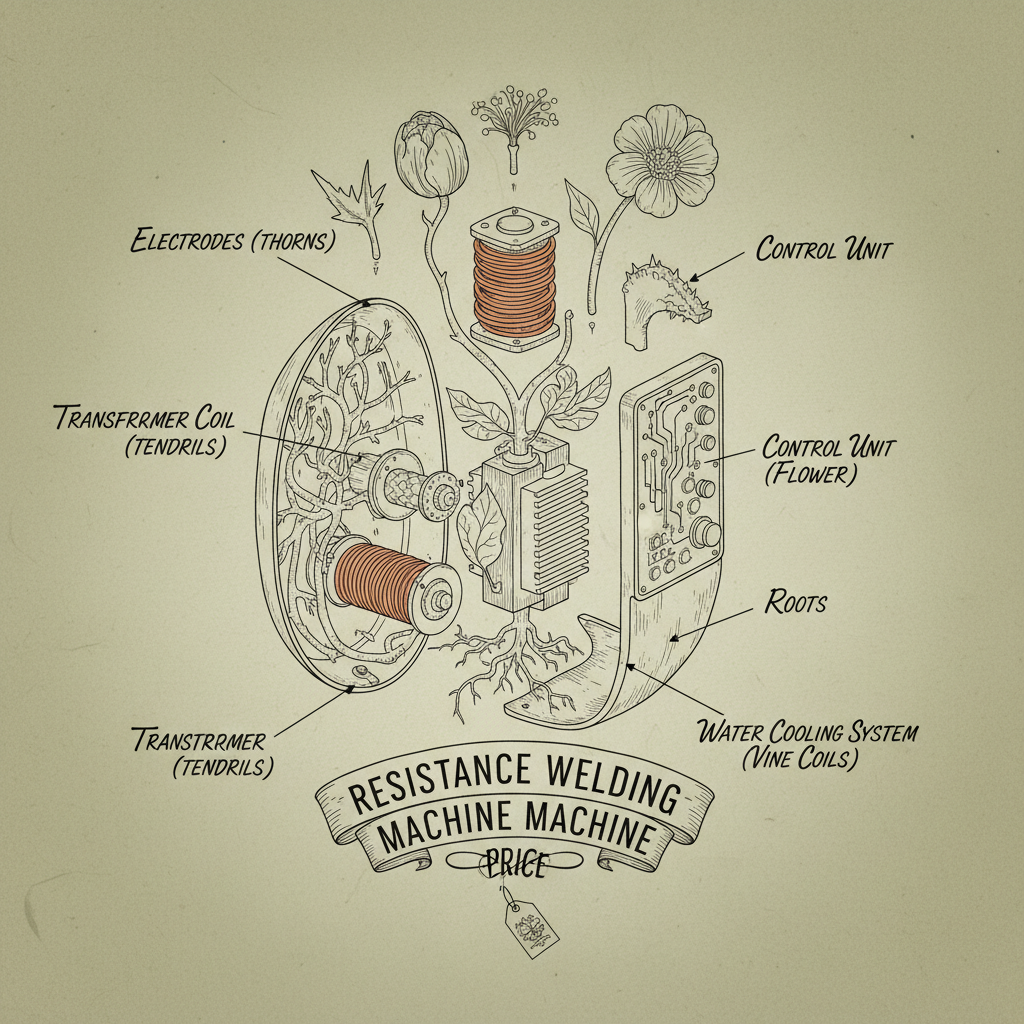
Several key components contribute to the functionality of an automatic pneumatic welding machine. These include the pneumatic cylinder, which provides the clamping force; the welding transformer, which generates the welding current; the electrodes, which conduct the current to the workpiece; and the control system, which manages the entire process. The precise coordination of these components is vital for achieving high-quality welds.
The operational dynamics are centered around a programmed sequence. The machine first positions the workpiece using pneumatic clamps. Then, the welding transformer delivers a controlled current to the electrodes, generating heat at the joint. The pneumatic system ensures consistent pressure throughout the weld cycle, creating a strong and reliable bond. After the weld is complete, the machine automatically releases the workpiece, ready for the next cycle.
Understanding these components and the operational flow is critical for maintenance, troubleshooting, and optimizing performance. Regular inspection and calibration of these elements ensure the machine operates at peak efficiency and delivers consistent weld quality. Proper maintenance is essential for maximizing the lifespan and return on investment of the automatic pneumatic welding machine.
Global Applications and Industry Impact of automatic pneumatic welding machine
The automatic pneumatic welding machine finds extensive application in the manufacturing of various metal containers, including steel drums, pails, and other packaging solutions. It's a critical component in the chemical, food processing, pharmaceutical, and paint industries, where containers must meet stringent safety and quality standards.
Regions with significant manufacturing bases, such as China, India, and Germany, have witnessed widespread adoption of this technology. In Europe, the demand for high-quality, durable containers drives investment in advanced welding solutions. North America also sees substantial use, particularly in industries requiring robust packaging for hazardous materials.
In post-disaster relief operations, the rapid production of durable metal containers for water storage and sanitation is crucial. Automatic pneumatic welding machines enable manufacturers to quickly scale up production to meet emergency needs. Similarly, in remote industrial zones with limited access to skilled labor, these machines offer a reliable and efficient solution for container manufacturing.
Performance Metrics of Automatic Pneumatic Welding Machine Types
Advantages and Long-Term Value Proposition
The advantages of deploying an automatic pneumatic welding machine are numerous. Cost reduction through minimized labor and material waste is a primary benefit. The increased production speed directly translates to higher output and faster turnaround times. Furthermore, the consistent weld quality reduces the risk of product defects and improves overall reliability.
The long-term value extends beyond immediate cost savings. Automated welding contributes to enhanced safety by reducing operator exposure to hazardous welding fumes and sparks. The precision and control of the machine also promote sustainability by minimizing material consumption and energy usage. Investing in this technology is therefore a strategic move towards a more efficient, safe, and environmentally responsible manufacturing process.
Future Trends and Innovations in Pneumatic Welding
Several exciting trends are shaping the future of pneumatic welding. Integration with Industry 4.0 technologies, such as real-time data analytics and predictive maintenance, will enable manufacturers to optimize machine performance and prevent downtime. The development of more sophisticated control systems with enhanced AI capabilities will further improve weld quality and process automation.
Furthermore, the exploration of new materials and welding techniques is ongoing. Researchers are investigating the use of lighter, more sustainable materials and developing innovative welding processes that reduce energy consumption and minimize environmental impact. These advancements will position the automatic pneumatic welding machine as a cornerstone of sustainable manufacturing practices.
The push for digitalization will also lead to greater connectivity between welding machines and other factory systems. This will enable seamless data exchange, improved process control, and enhanced collaboration across the entire manufacturing value chain.
Challenges and Solutions in Automatic Pneumatic Welding
Despite its many advantages, the implementation of automatic pneumatic welding machines can present certain challenges. These include the initial investment cost, the need for specialized training for maintenance personnel, and the potential for disruptions during integration with existing production lines.
However, these challenges can be mitigated through careful planning and strategic investment. Manufacturers can explore financing options and leasing arrangements to reduce the upfront cost. Investing in comprehensive training programs for maintenance staff ensures the machine is properly operated and maintained. Phased integration, starting with pilot projects, can minimize disruptions to existing production processes.
Table: Comparison of common challenges and solutions regarding automatic pneumatic welding machines.
Comparison of Challenges and Solutions for Automatic Pneumatic Welding Machine Implementation
| Challenge |
Impact on Production |
Potential Solution |
Implementation Cost (1-10) |
| High Initial Investment |
Delays project start |
Leasing options, financing plans |
6 |
| Lack of Trained Personnel |
Reduced machine efficiency |
Comprehensive training programs, OEM support |
7 |
| Integration with Existing Systems |
Production Line Downtime |
Phased implementation, system compatibility assessment |
5 |
| Maintaining Weld Quality |
Increased reject rates |
Regular calibration, quality control checks |
4 |
| Component Wear and Tear |
Unexpected machine failures |
Preventative maintenance schedules, spare parts inventory |
6 |
| Data Security Concerns |
Potential data breaches |
Robust cybersecurity measures, data encryption |
8 |
FAQS
Cycle times for an automatic pneumatic welding machine depend heavily on container size, material thickness, and weld configuration. Generally, you can expect cycle times ranging from 3 to 15 seconds per weld. Advanced machines with optimized programming and efficient pneumatic systems can achieve even faster cycle times, maximizing production throughput. These speeds dramatically outperform manual welding processes, particularly for high-volume production runs.
Preventative maintenance is crucial for maximizing the lifespan of an automatic pneumatic welding machine. Regularly scheduled inspections, lubrication of moving parts, and replacement of worn components significantly reduce the risk of unexpected breakdowns. Ignoring maintenance can lead to costly repairs and downtime, impacting production schedules. A well-maintained machine will consistently deliver high-quality welds for years, ensuring a strong return on investment.
Automatic pneumatic welding machines are highly versatile and can effectively weld a range of metals commonly used in container manufacturing. These include mild steel, stainless steel, galvanized steel, and aluminum. The specific welding parameters, such as current, pressure, and time, must be adjusted based on the material being welded to achieve optimal results. Compatibility is a key consideration when selecting a machine for your specific application.
Safety is paramount in any industrial setting, and automatic pneumatic welding machines are typically equipped with several safety features. These include emergency stop buttons, safety guards to prevent access to moving parts, and light curtains to detect intrusions. Many machines also incorporate thermal overload protection and automatic shut-off mechanisms to prevent accidents. Always adhere to manufacturer's safety guidelines during operation.
While automatic pneumatic welding machines significantly reduce the need for highly skilled welders, some level of operator training is essential. Operators need to understand the machine’s control interface, how to load and unload workpieces, and how to perform basic troubleshooting. Maintenance personnel require more specialized training to perform routine inspections, calibrations, and repairs. Comprehensive training programs are often provided by the machine manufacturer.
Automation with an automatic pneumatic welding machine generally leads to a significant reduction in overall production costs. This is achieved through reduced labor costs, minimized material waste due to increased precision, faster cycle times, and decreased reject rates. Although the initial investment can be substantial, the long-term cost savings typically outweigh the initial expense, making automation a cost-effective solution for metal container manufacturing.
Conclusion
In conclusion, the automatic pneumatic welding machine is a transformative technology for metal container manufacturing. Its ability to enhance efficiency, improve weld quality, reduce costs, and promote sustainability makes it an indispensable asset for businesses seeking to thrive in today's competitive landscape. By understanding the core principles, applications, and future trends of this technology, manufacturers can unlock significant benefits and achieve long-term success.
Looking ahead, continued innovation in pneumatic welding technology will further solidify its role as a key enabler of advanced manufacturing. Investing in this technology not only optimizes current production processes but also positions businesses for future growth and resilience. To learn more about how an automatic pneumatic welding machine can revolutionize your metal container manufacturing operations, visit our website: www.xdrmachinery.com.
 8613931787312
  Botou Industrial Zone on the east side of National Highway 104, Botou City, Hebei Province