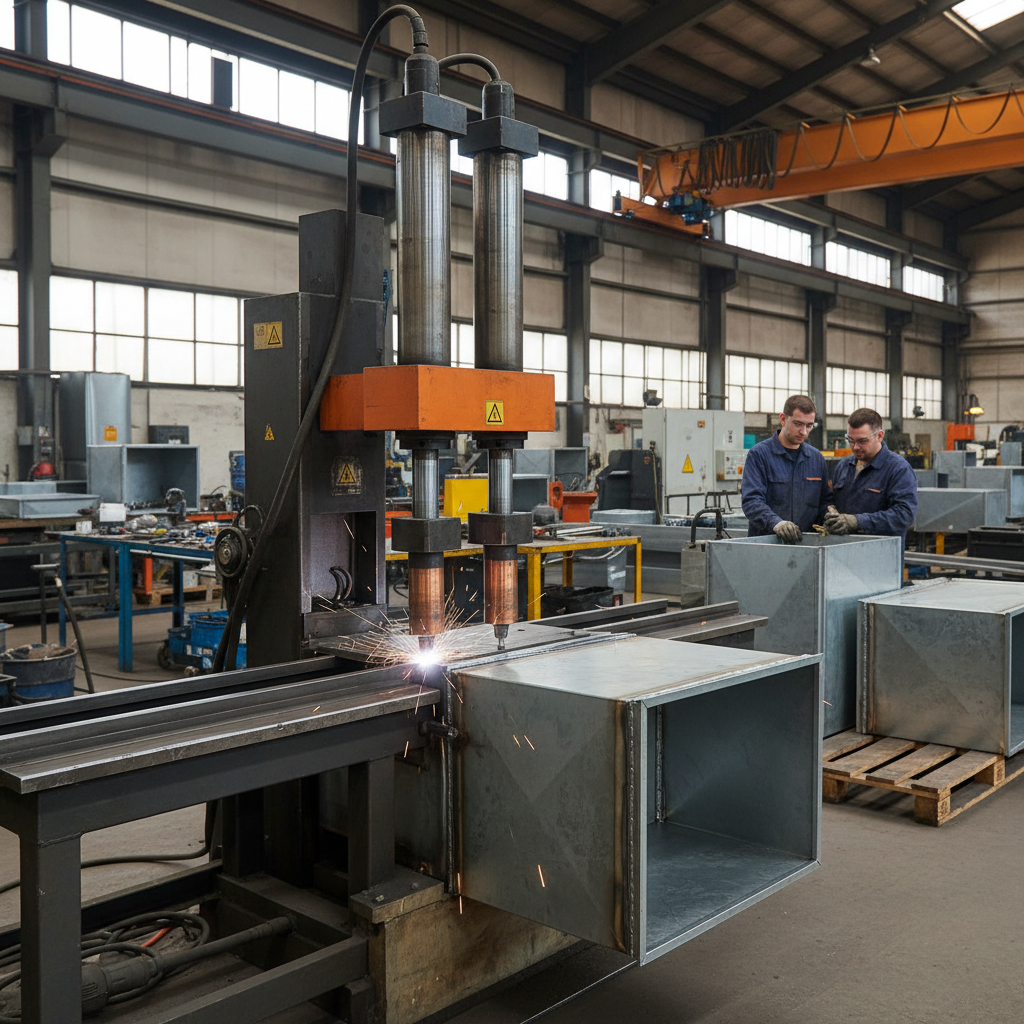
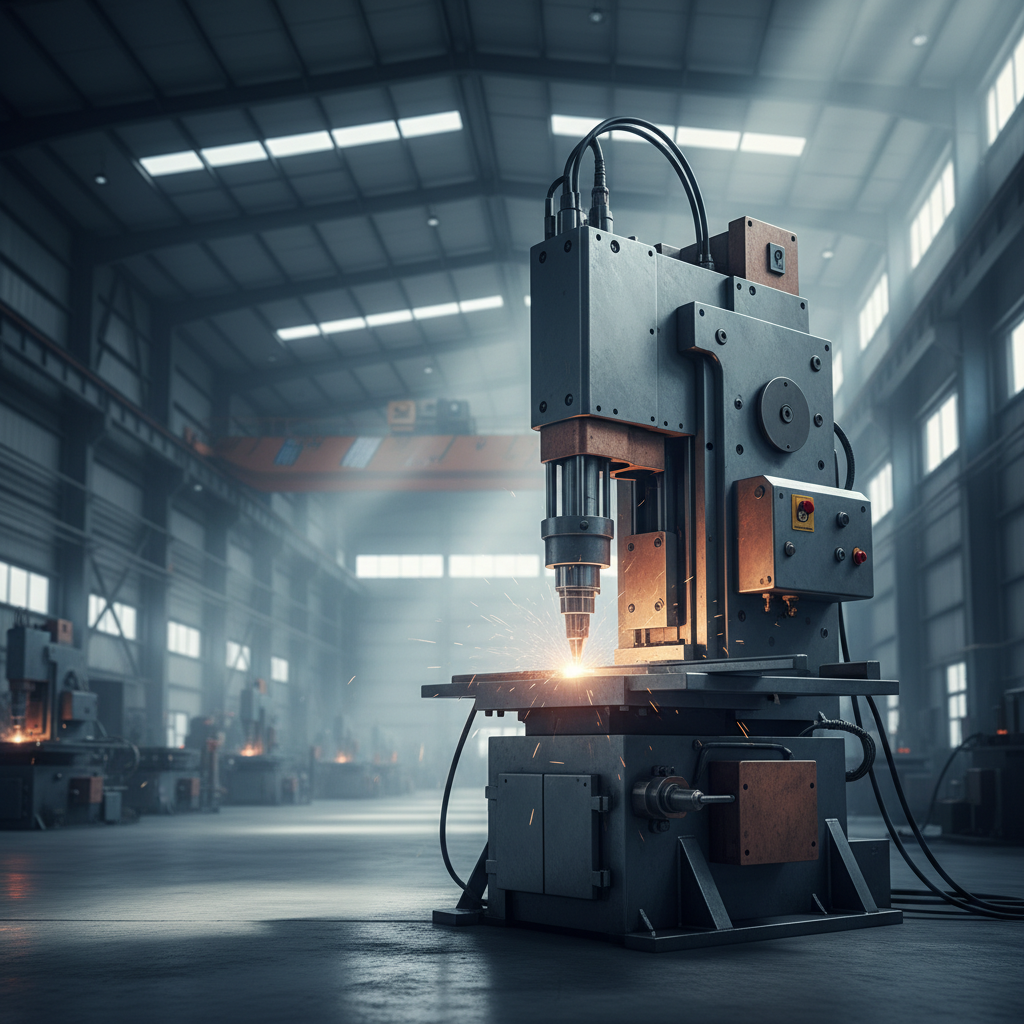
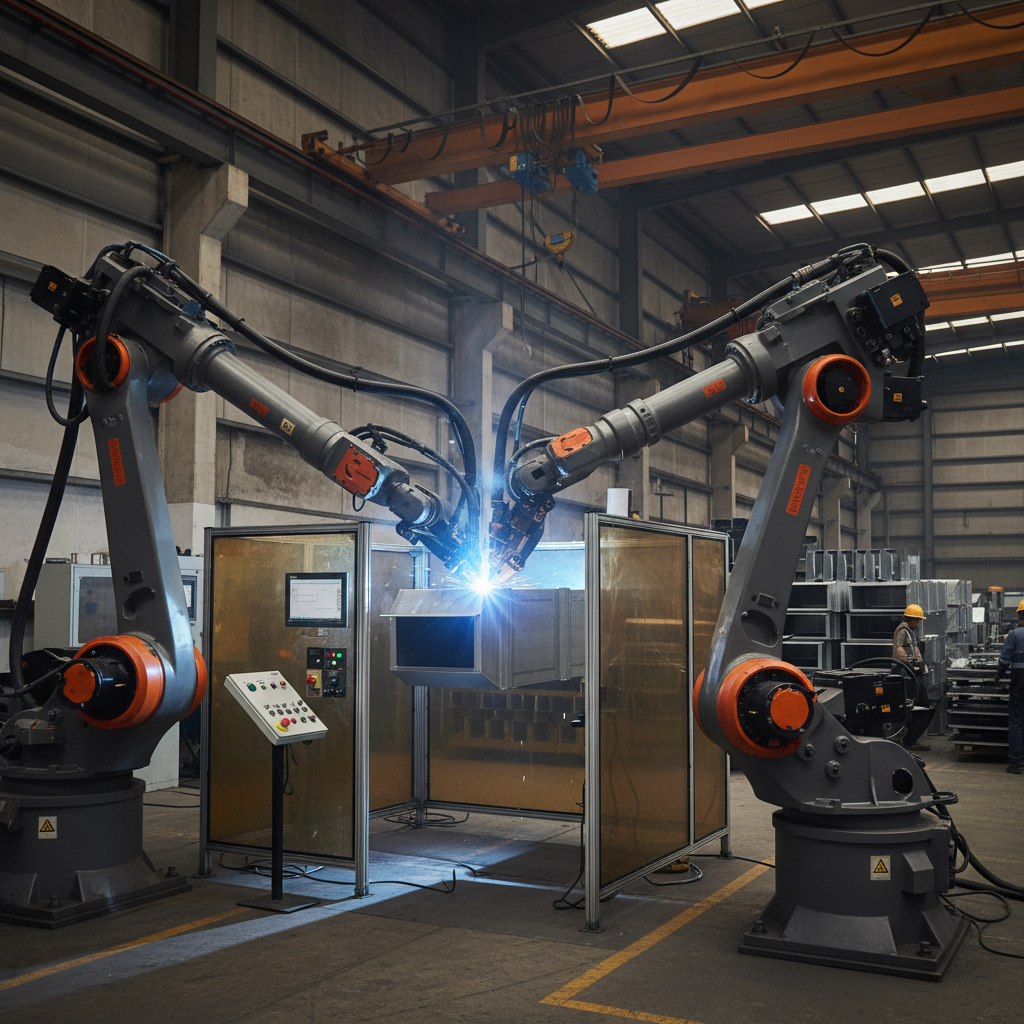
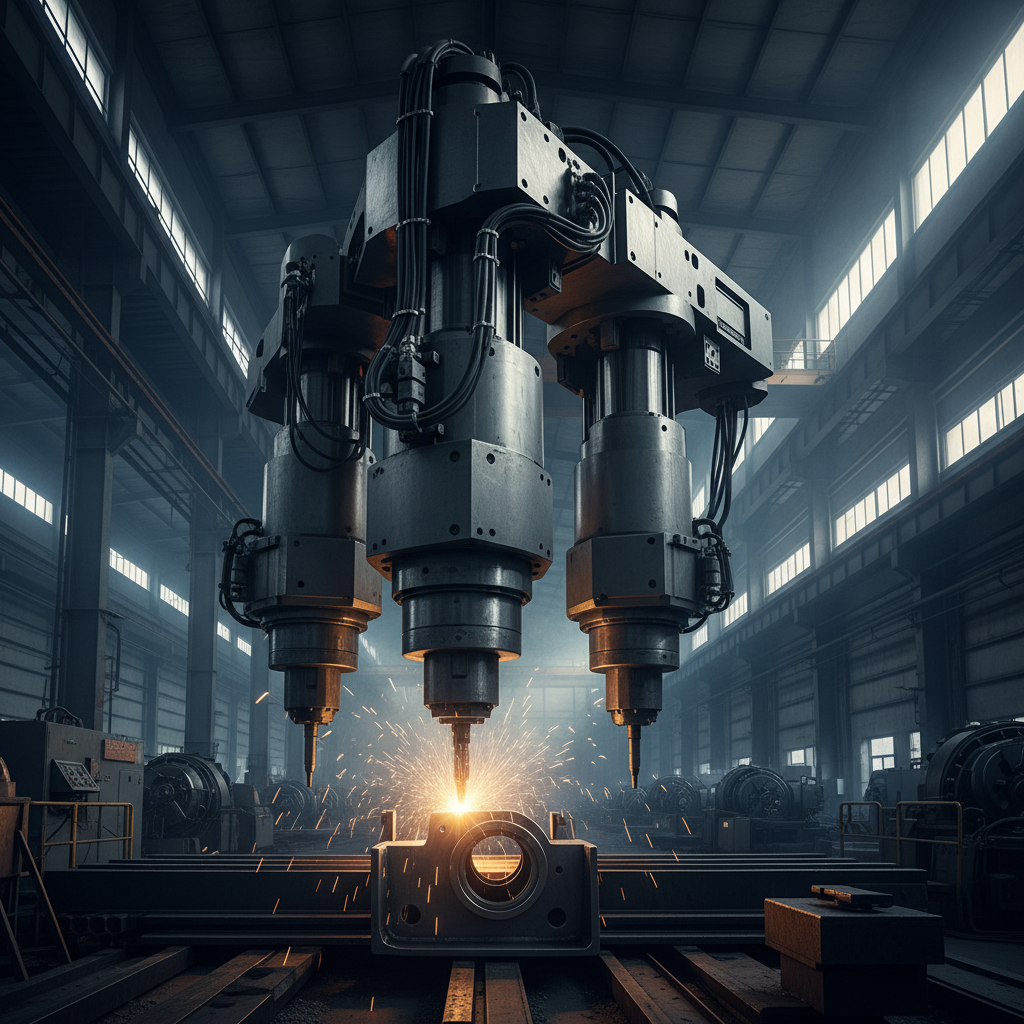
Pneumatic welding machines represent a cornerstone of modern metal fabrication, particularly within the container manufacturing sector. Globally, the demand for efficient and reliable welding solutions is driven by escalating infrastructure projects, robust industrial growth, and the increasing need for durable metal containers across diverse industries like food processing, chemical storage, and transportation. Understanding the nuances of pneumatic welding is crucial for manufacturers seeking to optimize production processes, enhance weld quality, and maintain a competitive edge.
The application of pneumatic welding machine technology is not limited to large-scale industrial operations. It plays a significant role in smaller workshops and specialized fabrication businesses, enabling customized metalwork with precision and speed. This versatility, coupled with advancements in automation and control systems, has positioned pneumatic welding as a key enabling technology for various manufacturing sectors worldwide. According to the International Welding Institute, pneumatic welding accounts for approximately 25% of total welding processes globally.
Addressing challenges in container manufacturing – such as maintaining weld integrity, minimizing material waste, and ensuring consistent output – necessitates the adoption of advanced welding techniques. Pneumatic welding, with its precision and adaptability, offers a solution to these concerns, allowing manufacturers to meet stringent quality standards while optimizing operational efficiency. The growing focus on sustainable manufacturing practices further emphasizes the importance of efficient welding processes like those offered by pneumatic systems.
The Core Principles of Pneumatic Welding Machine
At its core, a pneumatic welding machine utilizes compressed air to deliver consistent and controlled force to the welding process. This method distinguishes itself through its ability to provide rapid clamping pressure, making it ideal for applications demanding speed and precision. The pneumatic system facilitates repeatable welding cycles, reducing the risk of defects and ensuring consistent weld quality in mass production scenarios.
The precision offered by pneumatic controls is particularly beneficial when dealing with thin-gauge metals or intricate weld geometries. By regulating air pressure and weld timing, operators can achieve optimal weld parameters, minimizing distortion and maximizing structural integrity. This level of control translates to reduced rework, improved efficiency, and enhanced product reliability.
The Global Impact and Applications of Pneumatic Welding
The global demand for pneumatic welding machines is experiencing steady growth, fueled by expanding manufacturing sectors in emerging economies and the continued need for high-quality welding solutions in developed nations. Regions like Asia-Pacific, particularly China and India, are witnessing significant investment in metal fabrication infrastructure, driving demand for automated and efficient welding technologies. These machines are critical for industries producing metal containers, automotive components, and construction materials.
Pneumatic welding finds widespread application in diverse sectors. In the container manufacturing industry, these machines are integral to the production of metal barrels, drums, and tanks used for storing and transporting liquids and solids. The automotive industry utilizes pneumatic welding for body panel assembly and chassis fabrication, demanding high precision and repeatability. The construction sector relies on pneumatic welding for structural steel welding and the creation of durable metal frameworks.
Moreover, the increasing adoption of lean manufacturing principles and the push for automation are further propelling the demand for pneumatic welding machines. Companies are actively seeking solutions that enhance productivity, reduce labor costs, and improve product quality, making pneumatic welding a key component of their modern manufacturing strategies.
Understanding the Key Components of a Pneumatic Welding Machine
A typical pneumatic welding machine comprises several key components that work in harmony to deliver reliable and precise welding results. These include the air compressor, which generates the compressed air that powers the system; the pneumatic cylinder, responsible for applying force to the welding electrode; the welding transformer, which converts electrical energy into welding current; and the control system, which regulates the welding process parameters.
Furthermore, safety features like emergency stop buttons, safety guards, and overload protection are integral to the design, ensuring operator safety and preventing equipment damage. The welding electrode itself is a critical component, chosen based on the type of metal being welded and the desired weld characteristics. Different electrode materials and geometries influence the weld strength, penetration, and appearance.
The control system often incorporates programmable logic controllers (PLCs) that allow for precise control over welding parameters such as weld current, weld time, and clamping pressure. Modern pneumatic welding machines may also feature digital displays and data logging capabilities, enabling operators to monitor the welding process and track performance metrics.
Performance Metrics and Efficiency in Pneumatic Welding Machine Operations
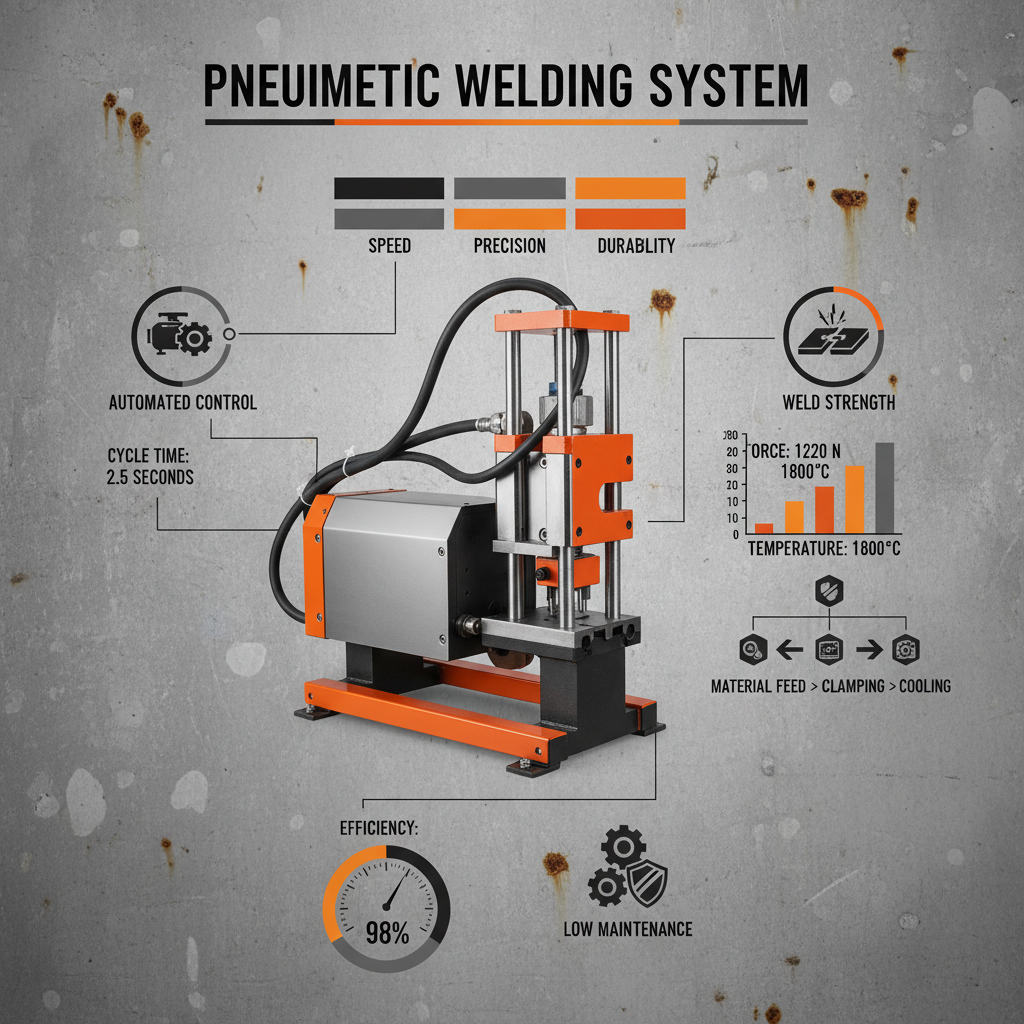
Evaluating the performance of a pneumatic welding machine requires careful consideration of several key metrics. Weld strength, measured in tensile or shear force, is paramount, indicating the integrity and durability of the weld. Weld penetration, the depth to which the weld fuses the metal, is also crucial, ensuring adequate bonding between the parts.
Efficiency is another important factor, encompassing cycle time, material utilization, and energy consumption. A high-performance machine minimizes cycle time, reducing production costs and maximizing throughput. Efficient material utilization minimizes waste, contributing to cost savings and environmental sustainability.
Comparison of Pneumatic Welding Machine Methods
Real-World Applications of Pneumatic Welding Machine Across Industries
In the metal container industry, pneumatic welding machine are extensively used in the production of steel drums, metal barrels, and large storage tanks. The precision and speed of pneumatic welding are crucial for creating strong, leak-proof seals essential for safe storage and transportation of liquids and chemicals.
The automotive sector relies heavily on these machines for welding car body panels, chassis components, and exhaust systems. The ability to achieve consistent weld quality is paramount for ensuring vehicle safety and structural integrity. Furthermore, the aerospace industry utilizes pneumatic welding for manufacturing aircraft components, demanding the highest levels of precision and reliability.
Long-Term Benefits and Return on Investment for Pneumatic Welding Machine
Investing in a high-quality pneumatic welding machine offers significant long-term benefits. Reduced labor costs through automation, improved weld quality minimizing rework, and increased production throughput all contribute to a substantial return on investment. The durability and reliability of these machines translate to lower maintenance costs and extended service life.
Beyond cost savings, pneumatic welding contributes to environmental sustainability by minimizing material waste and reducing energy consumption compared to traditional welding methods. The enhanced safety features incorporated into modern machines protect operators and reduce the risk of workplace accidents, fostering a safer and more productive work environment.
Ultimately, the adoption of pneumatic welding technology empowers manufacturers to enhance their competitiveness, improve product quality, and achieve sustainable growth.
Future Trends and Challenges in Pneumatic Welding Machine Technology
The future of pneumatic welding machines is poised for further innovation, driven by advancements in automation, digitalization, and materials science. Integration with robotic systems and artificial intelligence (AI) will enable even greater precision, flexibility, and efficiency. Digital twins and predictive maintenance technologies will optimize machine performance and minimize downtime.
However, challenges remain. The need for skilled operators to maintain and program these increasingly complex machines is a growing concern. Ensuring compatibility with new materials and adapting to evolving industry standards will also require continuous innovation. Furthermore, addressing concerns about energy efficiency and reducing the environmental impact of welding processes remains a priority.
The development of more compact, lightweight, and energy-efficient pneumatic welding machines will be crucial for expanding their applications in diverse industries and environments. The increasing demand for customized metal products will also drive the need for more flexible and adaptable welding solutions.
Summary of Key Challenges and Mitigation Strategies for Pneumatic Welding Machine Technology
| Challenge |
Impact on Pneumatic Welding |
Mitigation Strategy |
Severity (1-10) |
| Skill Gap in Operation & Maintenance |
Reduced efficiency, increased downtime |
Comprehensive training programs, remote diagnostic support |
8 |
| Material Compatibility Issues |
Poor weld quality, material defects |
Development of adjustable welding parameters, specialized electrodes |
6 |
| Energy Consumption |
High operating costs, environmental impact |
Implementation of energy-efficient components, optimized welding cycles |
7 |
| Integration with Automation Systems |
Complexity, potential compatibility issues |
Standardized communication protocols, modular machine design |
5 |
| Maintaining Weld Quality Consistency |
Increased defect rates, rework costs |
Real-time monitoring, automated quality control systems |
9 |
| Adaptation to Evolving Industry Standards |
Compliance issues, product recalls |
Continuous monitoring of standards, flexible machine design |
7 |
FAQS
Pneumatic welding machines offer several advantages, including faster welding speeds, increased precision, reduced material distortion, and improved weld quality. The controlled application of force through compressed air ensures consistent clamping pressure, minimizing defects and enhancing overall productivity. They are particularly well-suited for high-volume production environments and applications requiring repeatable weld cycles.
Pneumatic welding machines are versatile and can weld a wide range of metals, including steel, stainless steel, aluminum, and copper alloys. However, the specific type of electrode and welding parameters must be carefully selected based on the metal being welded to ensure optimal results. Proper preparation of the metal surface is also crucial for achieving a strong and reliable weld.
Regular maintenance is essential for ensuring the longevity and performance of a pneumatic welding machine. This includes inspecting and lubricating pneumatic cylinders, cleaning air filters, checking electrical connections, and replacing worn electrodes. Following the manufacturer’s recommended maintenance schedule is crucial for preventing downtime and maximizing equipment life.
The air compressor is a critical component of the pneumatic welding system. It must provide a consistent and adequate supply of compressed air to ensure optimal welding performance. Factors such as air pressure, air flow rate, and air quality significantly impact weld quality. Using a properly sized and maintained air compressor is essential for achieving reliable and consistent results.
Yes, safety is paramount when operating a pneumatic welding machine. Operators should wear appropriate personal protective equipment (PPE), including welding helmets, gloves, and safety glasses. Emergency stop buttons should be readily accessible, and safety guards should be in place to prevent accidental contact with moving parts. Proper training and adherence to safety procedures are essential for preventing accidents.
The lifespan of a pneumatic welding machine can vary depending on usage frequency, maintenance practices, and the quality of the machine. With proper care and maintenance, a well-built pneumatic welding machine can last for 10-15 years or even longer. Regular inspections and timely repairs can significantly extend the machine’s service life and maximize its return on investment.
Conclusion
In conclusion, pneumatic welding machines represent a vital technology within the metal fabrication industry, offering a compelling combination of speed, precision, and reliability. From container manufacturing to automotive assembly, these machines are instrumental in producing high-quality, durable products that underpin modern infrastructure and industrial operations. The ability to consistently deliver strong, leak-proof welds while optimizing efficiency makes them an indispensable asset for manufacturers seeking to remain competitive in today's demanding market.
Looking ahead, continuous innovation in automation, digitalization, and materials science will further enhance the capabilities of pneumatic welding technology. By embracing these advancements and addressing the challenges of skill gaps and energy efficiency, manufacturers can unlock even greater value from their investment and pave the way for a more sustainable and productive future. For more information and to explore our range of pneumatic welding solutions, visit our website at www.xdrmachinery.com.
 8613931787312
  Botou Industrial Zone on the east side of National Highway 104, Botou City, Hebei Province