The modern metal container manufacturing industry is undergoing a seismic shift toward precision and speed, where the automatic pneumatic double axis welding machine stands as a cornerstone of operational efficiency. By integrating synchronized pneumatic movements across two axes, these machines eliminate the variability of manual welding, ensuring that every seam in a metal barrel or ventilation duct is airtight and structurally sound. For global manufacturers, adopting such automation is no longer a luxury but a necessity to remain competitive in a market demanding tighter tolerances and higher throughput.
Beyond mere speed, the implementation of an automatic pneumatic double axis welding machine addresses critical safety and quality control challenges. Traditional spot or seam welding often suffers from inconsistent pressure application, leading to weak joints and product failure. By utilizing a double-axis pneumatic system, the machine ensures uniform force distribution and precise electrode positioning, which drastically reduces the rate of scrap and rework while protecting operators from the hazards associated with manual high-current welding.
Understanding the technical nuances and strategic deployment of the automatic pneumatic double axis welding machine allows enterprises to scale their production lines seamlessly. Whether it is integrated into a bucket making equipment production line or used as a standalone unit for specialized metal containers, this technology bridges the gap between artisanal metalwork and high-volume industrial output. This guide explores the global context, technical core, and future trajectory of these essential welding systems.
Global Relevance of Automatic Pneumatic Double Axis Welding Machine
In the global landscape of metal fabrication, the demand for standardized metal containers has surged, driven by the expansion of the chemical, food, and pharmaceutical packaging sectors. According to ISO quality standards, the integrity of a weld is the primary determinant of a container's safety and longevity. The automatic pneumatic double axis welding machine has become a critical tool in meeting these international benchmarks, providing the repeatability that manual processes simply cannot match.
Across industrial hubs in Asia, Europe, and North America, manufacturers are facing a chronic shortage of skilled certified welders. This labor gap has accelerated the adoption of pneumatic automation. By automating the double-axis movement, factories can maintain 24/7 production cycles with minimal supervision, ensuring that the output remains consistent regardless of the operator's experience level, thereby stabilizing the global supply chain for metal goods.
Defining the Automatic Pneumatic Double Axis Welding Machine
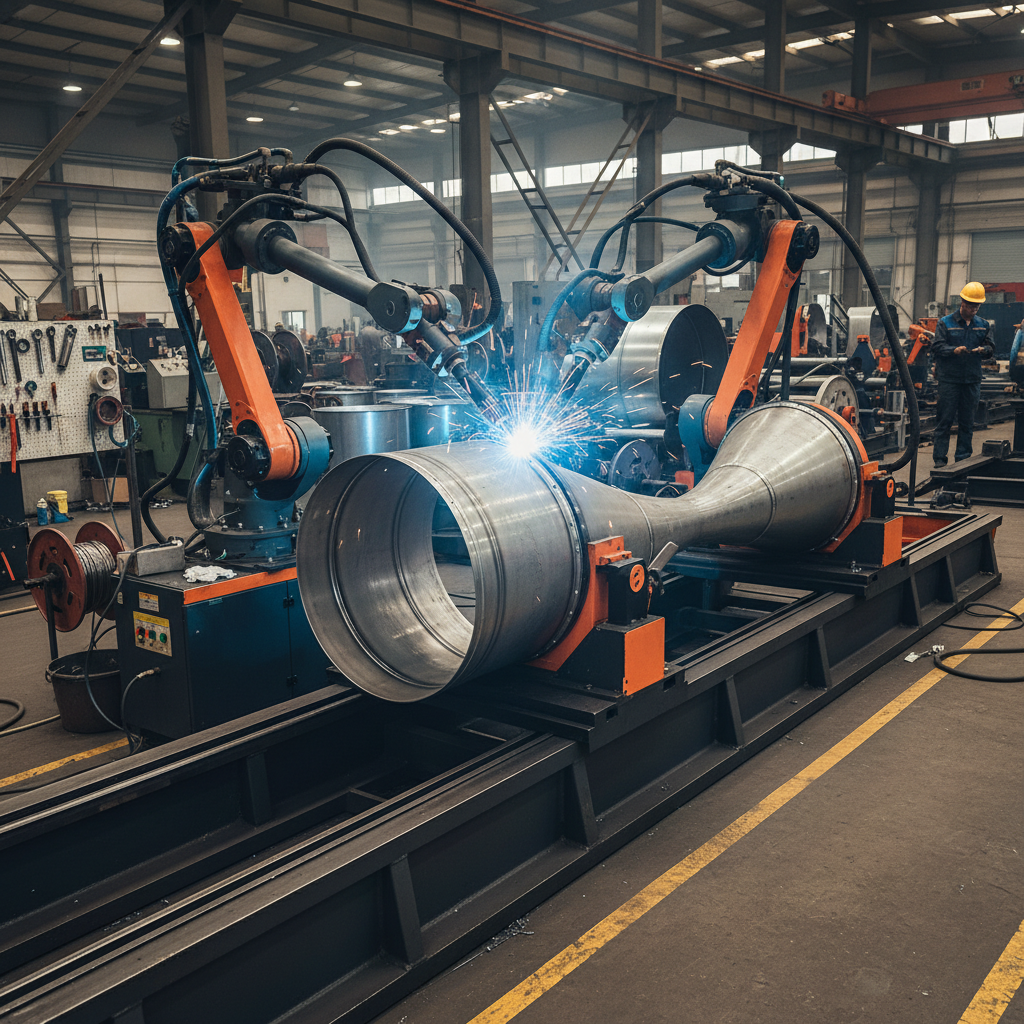
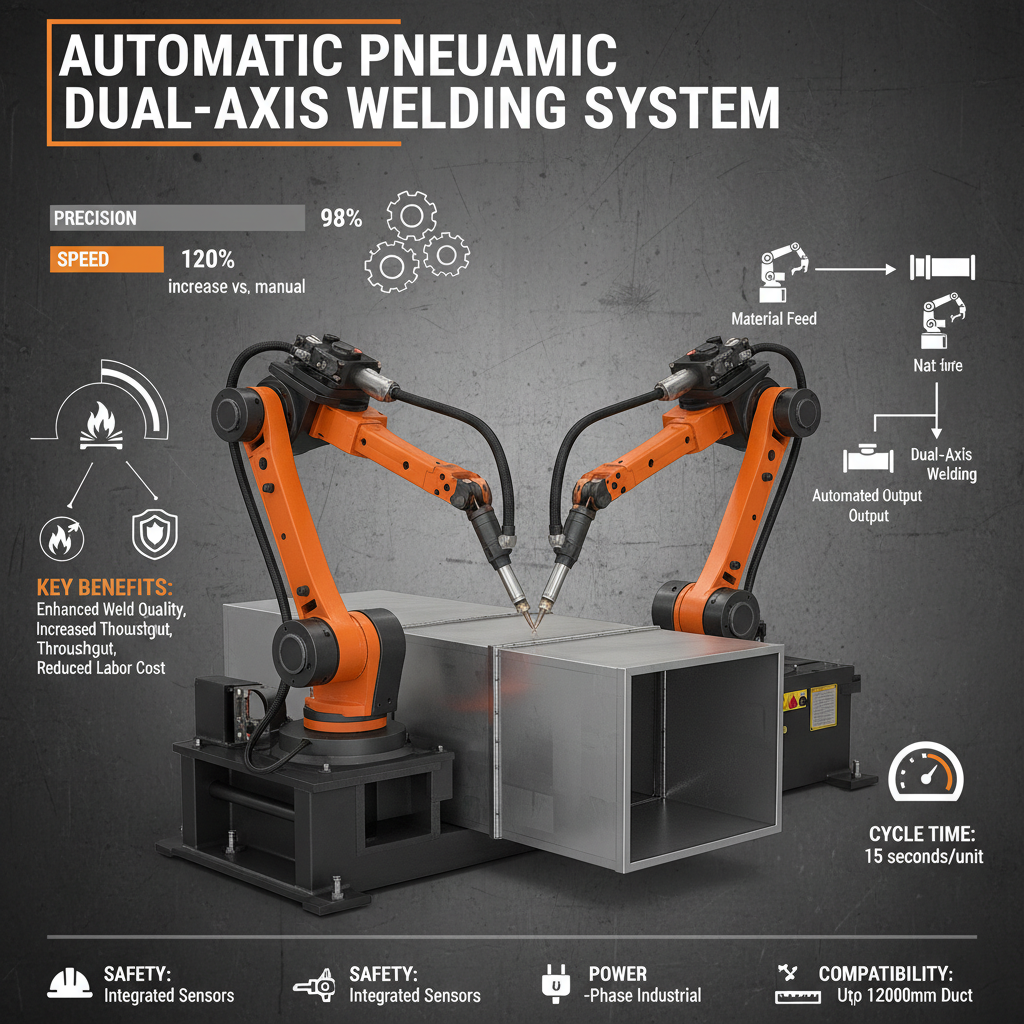
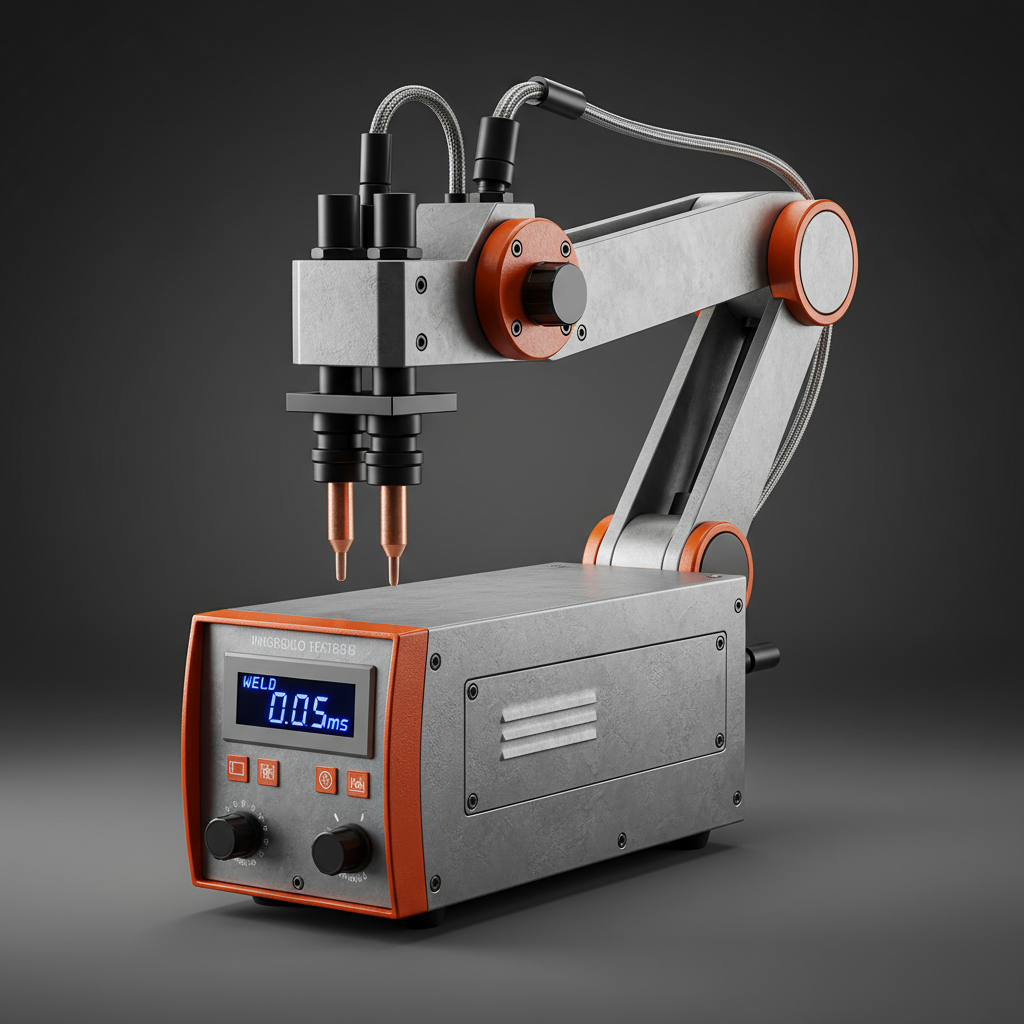
At its core, an automatic pneumatic double axis welding machine is a specialized piece of industrial equipment that uses compressed air to drive the movement and pressure of welding electrodes along two distinct axes—typically a vertical (Z-axis) for pressure and a horizontal or rotational (X/Y-axis) for positioning. This dual-axis synchronization allows the machine to precisely target welding points on complex geometries, such as the handles of metal buckets or the seams of corrugated elbows, without requiring manual repositioning between spots.
Unlike single-axis systems, the double-axis configuration provides a higher degree of freedom, enabling the machine to handle diverse workpiece shapes. This is particularly vital in the manufacture of metal ventilation ducts and pipes, where the weld must be perfectly aligned to prevent leaks. The "pneumatic" aspect ensures that the clamping force is consistent, which is essential for resistance welding where the pressure directly affects the electrical contact and the resulting weld nugget quality.
From a humanitarian and industrial perspective, this technology allows for the rapid production of essential goods, such as sterile medical containers or emergency water storage tanks. By lowering the barrier to high-quality metal fabrication, the automatic pneumatic double axis welding machine empowers regional manufacturers to produce durable, safe containers that meet global health and safety standards.
Core Components Driving Welding Precision
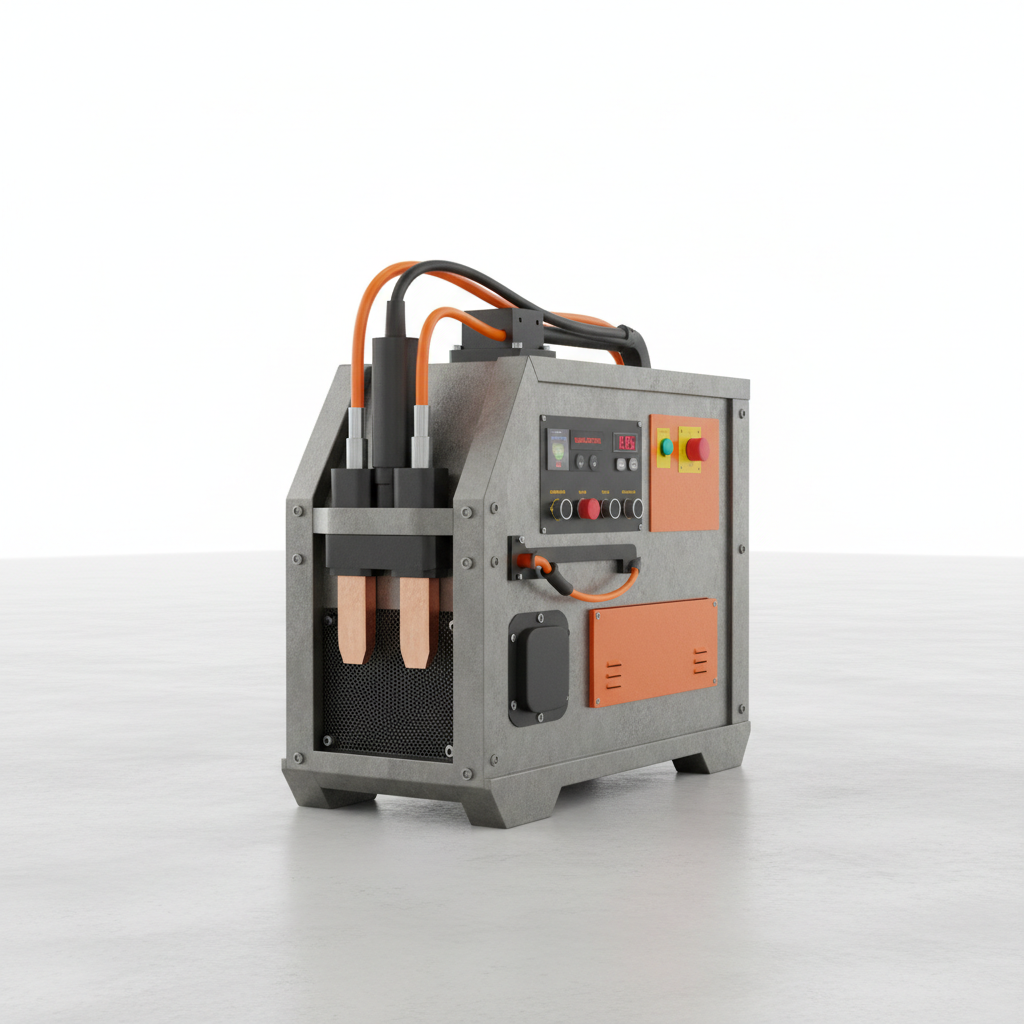
The efficiency of an automatic pneumatic double axis welding machine is rooted in its high-grade pneumatic cylinders. These components must be capable of delivering precise, repeatable strokes to ensure that the electrodes meet the metal surface with the exact same force every time. This prevents "burn-through" on thin-walled metal containers and ensures deep penetration on thicker materials.
Central to the operation is the PLC (Programmable Logic Controller) system, which orchestrates the timing between the two axes. In an automatic pneumatic double axis welding machine, the PLC ensures that the pneumatic clamp engages fully before the welding current is triggered, and that the axis shift occurs only after the weld has cooled sufficiently, preventing deformation of the metal part.
Furthermore, the electrode assembly and cooling system play a pivotal role. High-frequency welding generates significant heat; therefore, integrated water-cooling channels within the double-axis head prevent electrode degradation. This thermal management extends the lifespan of the consumables and maintains the precision of the weld, ensuring that the thousandth part produced is as perfect as the first.
Industrial Applications and Use Cases
The versatility of the automatic pneumatic double axis welding machine makes it indispensable across various product lines. In the production of metal barrels, these machines are used to attach handles and reinforce rims with pinpoint accuracy. The double-axis movement allows the machine to wrap around the curvature of the barrel, applying spot welds that are equidistant and uniform in strength, which is critical for transporting hazardous materials.
In the ventilation industry, specifically for metal ventilation pipes and corrugated elbows, the machine is employed to create airtight seals at joints. For instance, in large-scale HVAC installations for hospitals or data centers, any leak in the ductwork can compromise air filtration. Using an automatic pneumatic double axis welding machine ensures that the seam welding is continuous and void-free, meeting the strictest architectural codes.
Performance Efficiency of Various Welding Systems
Long-Term Value and Sustainability
Investing in an automatic pneumatic double axis welding machine provides tangible economic benefits through the drastic reduction of material waste. In traditional welding, "over-welding" or misalignment often leads to ruined sheets of expensive galvanized steel or stainless steel. By optimizing the weld path and pressure, these machines ensure a "first-time-right" manufacturing process, directly increasing the profit margins of the production line.
Beyond the balance sheet, there is a significant sustainability angle. Pneumatic systems, when paired with efficient air compressors, consume less energy per weld than some heavy-duty hydraulic alternatives. Moreover, the precision of the automatic pneumatic double axis welding machine leads to longer-lasting metal products. Containers that are welded with superior integrity have a longer lifecycle, reducing the frequency of replacement and the overall environmental footprint of the metal goods industry.
Future Trends in Pneumatic Welding Automation
The trajectory of the automatic pneumatic double axis welding machine is moving toward "Smart Manufacturing" or Industry 4.0. We are seeing the integration of IoT sensors that monitor pneumatic pressure and electrode wear in real-time. This allows for predictive maintenance, where the machine alerts the operator to replace a component before it causes a weld defect, effectively eliminating unplanned downtime.
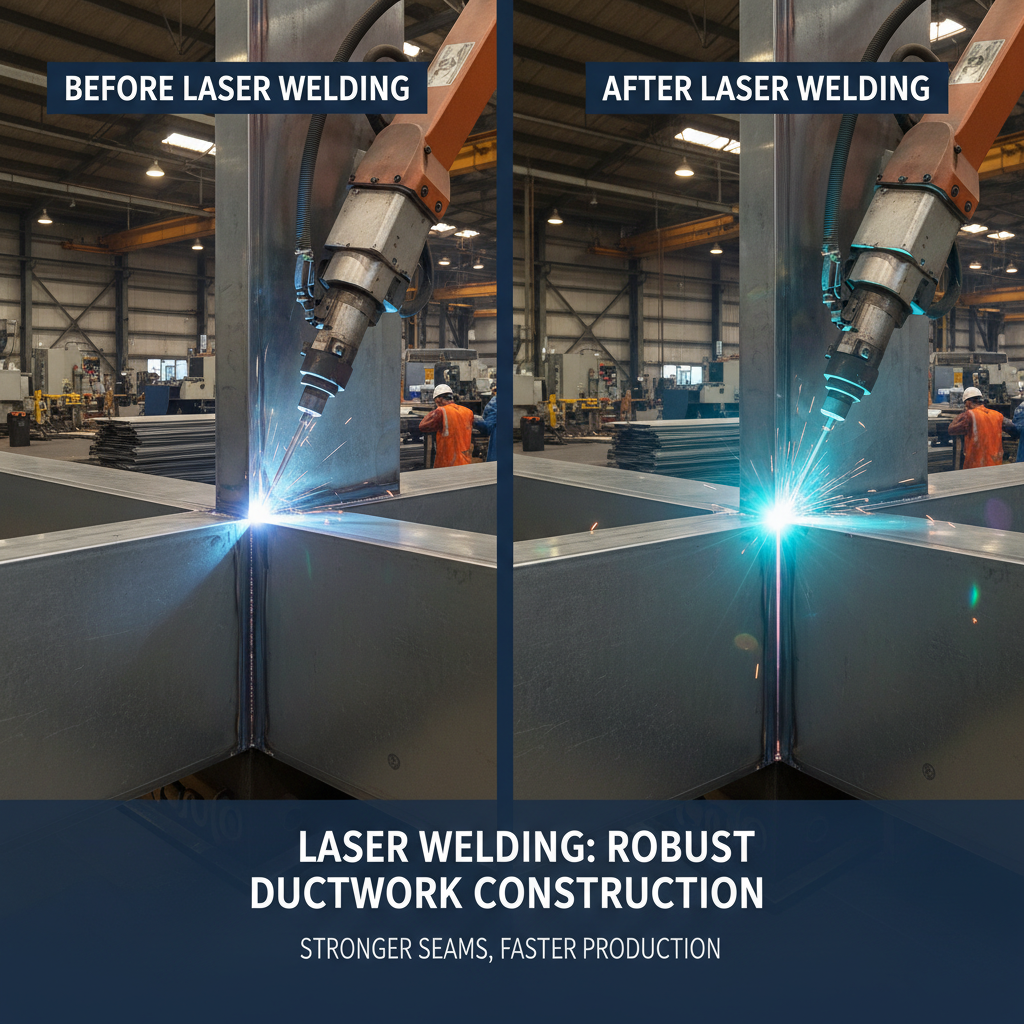
Another emerging trend is the hybridization of pneumatic movement with laser welding heads. While the pneumatic double axis provides the structural movement and clamping, a laser source provides the heat. This combination allows for the fabrication of ultra-thin metal containers that were previously impossible to weld without warping, expanding the possibilities for lightweight, high-strength metal packaging.
Digital twins are also becoming common in the setup phase. Engineers can now simulate the movement of an automatic pneumatic double axis welding machine in a virtual environment to optimize the axis coordinates for a new product design before a single piece of metal is cut. This reduces the commissioning time for new production lines from weeks to days.
Overcoming Challenges in Double Axis Welding
Despite its advantages, the use of an automatic pneumatic double axis welding machine is not without challenges. One common issue is "pneumatic drift," where fluctuations in the factory's air pressure can lead to slight variations in clamping force. To solve this, expert manufacturers implement precision pressure regulators and air reservoirs dedicated solely to the welding machine to ensure a constant, unwavering flow of power.
Another challenge is the complexity of initial calibration. Setting the "zero point" for two different axes requires precision. Modern solutions involve the use of digital encoders and touch-sensing probes that allow the machine to self-calibrate. By automating the alignment process, the automatic pneumatic double axis welding machine becomes accessible to factories that may not have a dedicated robotics engineer on staff.
Finally, electrode oxidation can impact weld quality over time. The solution lies in the implementation of automated electrode dressing systems. These systems periodically shave a small amount of material from the electrode tip, restoring its original geometry and ensuring that the current density remains optimal across every cycle.
Comparative Analysis of Double Axis Welding Performance Parameters
| Machine Configuration |
Weld Consistency (1-10) |
Setup Complexity |
Maintenance Cycle |
| Basic Pneumatic Single Axis |
6 |
Low |
Moderate |
| Standard Double Axis Model |
8 |
Medium |
Low |
| Precision Double Axis (PLC) |
10 |
High |
Very Low |
| Manual Foot-Pedal Welder |
4 |
Very Low |
High |
| Servo-Pneumatic Hybrid |
9 |
Very High |
Low |
| Custom Double Axis Line |
9 |
High |
Moderate |
FAQS
The primary difference lies in the range of motion and precision. A single axis machine typically only provides vertical pressure. An automatic pneumatic double axis welding machine adds a second dimension of movement (such as horizontal sliding or rotation), allowing it to reach multiple welding points on a single part without the operator having to manually move the workpiece. This drastically increases throughput and ensures perfectly spaced welds.
Yes, provided the pneumatic pressure is adjustable. Because pneumatic systems allow for fine-tuned control over the clamping force, an automatic pneumatic double axis welding machine can be calibrated to avoid piercing or warping thin-gauge metals. By adjusting the PLC timing and the pneumatic regulator, you can achieve high-quality spot welds even on delicate metal containers.
Maintenance mainly focuses on three areas: the pneumatic system, the electrical contacts, and the electrodes. Users should regularly check for air leaks in the hoses, lubricate the pneumatic cylinders, and dress the electrodes to maintain a flat contact surface. Using a high-quality air filtration system to prevent moisture from entering the pneumatic valves is the best way to extend the machine's lifespan.
Absolutely. Most automatic pneumatic double axis welding machines are designed with modular interfaces, making them compatible with conveyor systems and other bucket making equipment. By syncing the machine's PLC with the overall line controller, the welding process can be fully synchronized with the material feed and ejection stages, creating a seamless fully automatic production flow.
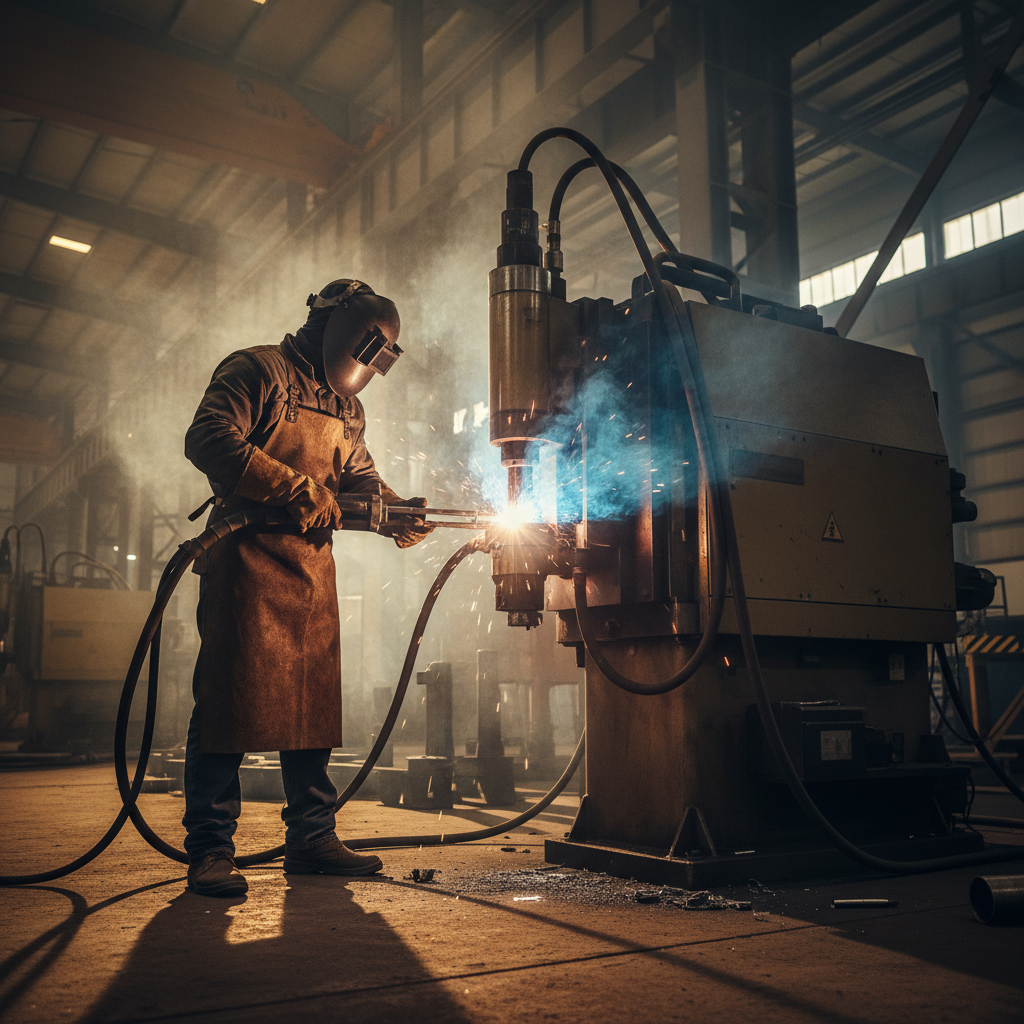
Safety is improved by removing the operator's hands from the "danger zone." In manual welding, the operator must hold the part and trigger the weld, risking burns or electrical shocks. With the automatic pneumatic double axis welding machine, the pneumatic clamps secure the part, and the welding cycle is triggered via a safe distance (like a foot pedal or button), significantly reducing the risk of workplace injuries.
With proper maintenance, these machines are built for industrial longevity, typically lasting 10-15 years. The pneumatic components are robust and easily replaceable. The core frame and PLC systems are designed for millions of cycles. The primary "wear" items are the electrodes, which are consumables and intended to be replaced frequently without affecting the overall machine life.
Conclusion
The transition to an automatic pneumatic double axis welding machine represents a strategic leap for any manufacturer in the metal container industry. By combining the raw power of pneumatic clamping with the precision of double-axis automation, businesses can solve the dual challenges of labor shortages and quality inconsistency. From increasing production speeds to reducing material waste and enhancing operator safety, the long-term value of this technology is evident in both the product quality and the bottom line.
As the industry moves toward a more sustainable and digitally integrated future, the role of automated welding will only grow. We recommend that manufacturers evaluate their current throughput bottlenecks and consider upgrading to double-axis systems to future-proof their operations. Embracing this innovation is the most reliable path to achieving international quality standards and maintaining a competitive edge in the global marketplace. Visit our website for more information: www.xdrmachinery.com
 8613931787312
  Botou Industrial Zone on the east side of National Highway 104, Botou City, Hebei Province