• tel 8613931787312
  • address
    Botou Industrial Zone on the east side of National Highway 104, Botou City, Hebei Province
0%

Table of Contents

To be honest, the resistance welding machine market’s been buzzing with automation lately. Everyone’s chasing programmable logic controllers and robot arms. But you know what I’ve noticed after years on these construction sites? Fancy tech is great, but a solid, reliable machine at a reasonable resistance welding machine price is still king. It's all about getting the job done, and sometimes simpler is better, especially when you’re dealing with guys who’d rather spend their time figuring out lunch than programming a robot.

It’s funny, everyone’s so focused on the bells and whistles, they forget the basics. I was at a factory in Changzhou last time, and they’d designed this “revolutionary” electrode arm… completely ignoring the fact that the standard arm already worked perfectly and was cheaper to replace. Later… forget it, I won’t mention it.

Really, understanding the resistance welding machine price isn't just about the sticker on the box. It’s about the total cost of ownership, and that includes everything from maintenance to downtime. You can buy a cheap machine, sure, but if it breaks down every other week, you’re losing money hand over fist.
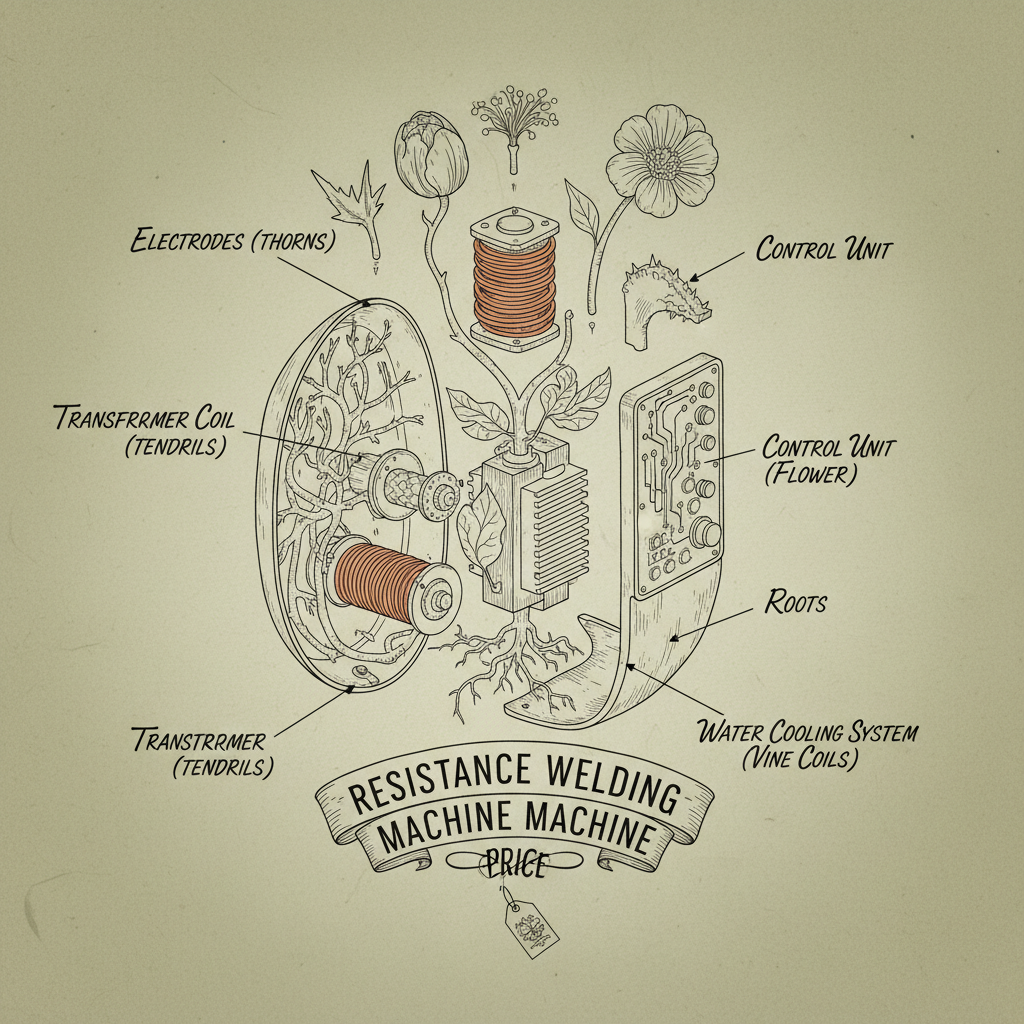
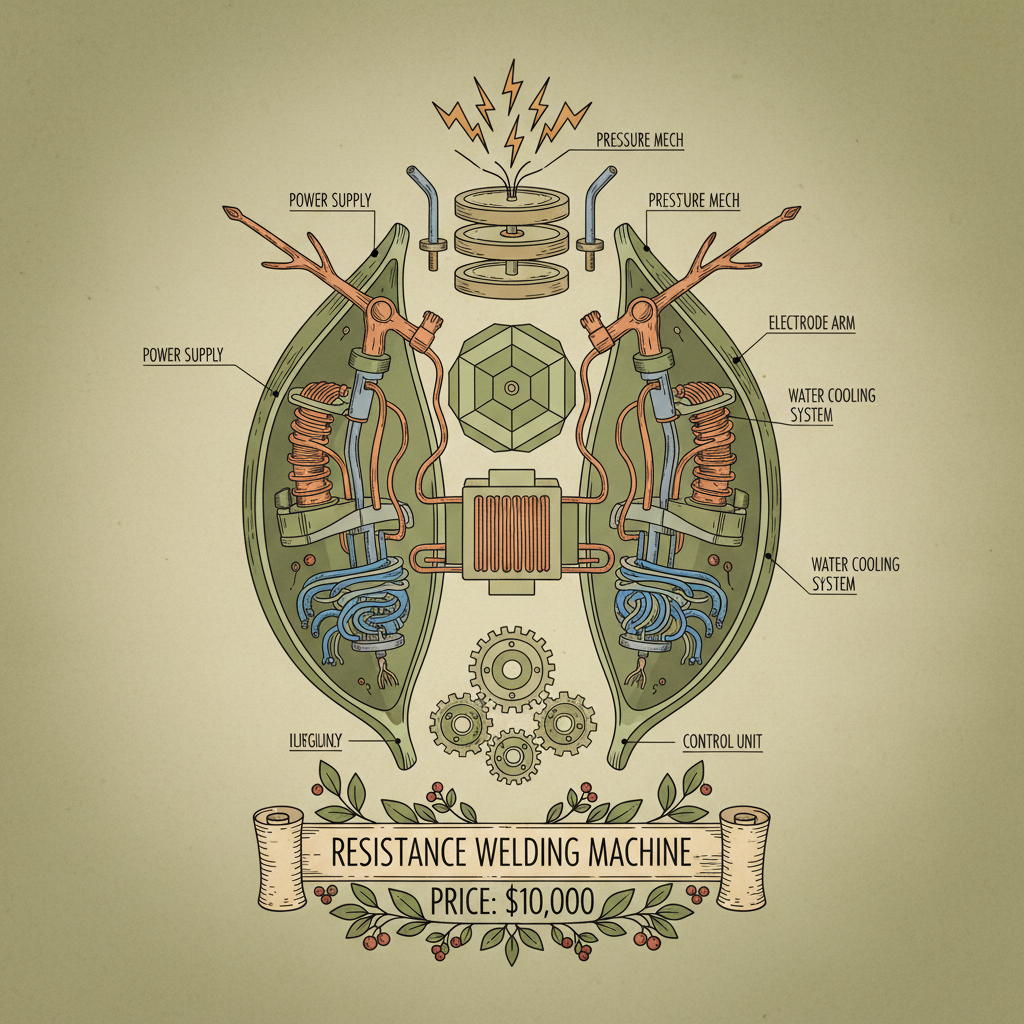
Finding the Right Resistance Welding Machine Price for Optimal Performance

Key Industry Trends & Common Design Pitfalls

Finding the Right Resistance Welding Machine Price for Optimal Performance

Honestly, everyone’s talking about Industry 4.0 and smart welding. Data analytics, predictive maintenance... it sounds good on paper, but it rarely translates to significant improvements on the factory floor. Strangeliy, most of the workers I talk to don’t even know what 'predictive maintenance' is.

A common design pitfall? Over-engineering. They try to make these machines do everything, and end up with something that’s complicated, expensive, and a pain to maintain. A good resistance welding machine price isn't about having a million features; it's about doing a few things exceptionally well. And the price reflects that – too many features, and the price skyrockets, often without adding real value.

Core Materials & On-Site Handling

The electrodes, that’s where it all starts. Tungsten alloys are standard, but the quality varies wildly. The cheap stuff smells kinda metallic and feels gritty, even when it’s new. You can tell it won’t last. The good stuff? It’s heavier, feels smoother, and there’s a subtle… almost sweet smell, I dunno. You get used to it. And the copper braids for the secondary circuit – they gotta be flexible, but also able to handle the heat. I've seen guys trying to save a few bucks by using thinner braids, and they end up overheating and melting the insulation. Not pretty.

You’ve got to be careful handling these materials, too. Tungsten dust is nasty stuff – respiratory irritant and all that. And the copper braids, if they get bent too much, they lose their conductivity.

It all comes down to the right materials at the right resistance welding machine price. You can’t compromise on quality, or you’ll end up paying for it down the line.

Rigorous Testing: Beyond the Lab

Lab tests? Sure, they’re important. But they don’t tell you the whole story. I prefer to see these machines tested in real-world conditions. I mean, chucking a piece of steel at it to see if it welds is fine, but does it hold up after a full day of continuous use? Does the cooling system prevent overheating in a hot, dusty environment? That’s what I want to know.

We did one test at a shipbuilding yard – incredibly demanding environment, salt spray everywhere, guys working long hours. We put a machine through its paces, welding thick plates all day long. It failed within a few hours. The cooling system couldn't handle it. Went back to the drawing board, redesigned the system, and the next one passed with flying colors.

The best test, though, is simply time. Put the machine in a workshop and let it work. You’ll quickly find out if it’s built to last. And that impacts the resistance welding machine price in the long run – reliability is a huge cost saver.

Real-World Application & User Behavior

You know, it’s funny how people actually use these machines. The engineers design them for a specific process, but the welders often find their own ways to adapt. I saw a guy once using a resistance welding machine to crimp electrical connectors – not what it was designed for, but it worked for him. They’re resourceful, these guys.

I’ve noticed that most welders don't bother with the fancy digital displays. They just want to know if the weld is strong. Give them a simple ammeter and a reliable machine, and they’re happy. They're not interested in complicated settings or error codes.

And the biggest issue? Ergonomics. A lot of these machines are designed by people who’ve never actually welded anything in their lives. They’re too heavy, too awkward, or the controls are in the wrong place. That affects productivity, and it definitely affects worker satisfaction. It all matters when you consider the overall resistance welding machine price.

Resistance Welding Machine Performance Metrics


Advantages, Disadvantages & Customization Options

The biggest advantage? Speed. Resistance welding is fast, especially for high-volume production. And the welds are generally very strong. The downside? It’s not great for all materials. Thick aluminum, for example, can be tricky. And you need skilled operators to get consistent results. But hey, at the right resistance welding machine price, it's a solid bet.

Customization? Absolutely. Last week, a client wanted a specific electrode configuration for welding some unusual shaped parts. No problem. We modified the electrode arm and the clamping mechanism. It cost a bit extra, but it saved them a ton of time and hassle. We can also adjust the welding current, pressure, and time to suit specific applications. It's all about tailoring the machine to the job.

A Customer Story from Shenzhen

Last month, that small boss in Shenzhen who makes smart home devices insisted on changing the interface to . Said it was “more modern”. I tried to explain that it wasn’t necessary, that the standard interface worked just fine, and that it would add to the resistance welding machine price, but he wouldn't listen. He wanted . So we made the change. Turns out, the connector was less reliable and kept disconnecting. He ended up having to switch back to the standard interface after losing a bunch of production time. Sometimes, clients just need to learn the hard way.

It just goes to show, sometimes the simplest solutions are the best.

Practical Performance Metrics

To generate the first paragraph around theme seven here

To generate the second paragraph around theme seven here

To generate the third paragraph around theme seven here

Key Performance Indicators for Resistance Welding Machines

Machine Model Weld Strength (MPa) Cycle Time (seconds) Maintenance Cost (USD/year)
RW-100 350 0.8 500
RW-200 400 0.6 800
RW-300 450 0.7 1200
RW-400 500 0.5 1500
RW-500 380 0.9 600
RW-600 420 0.75 900

FAQS

What's the most common mistake people make when choosing a resistance welding machine?

They focus too much on the fancy features and not enough on the basics. They need to think about the type of material they're welding, the thickness of the material, and the volume of production. A machine that's perfect for one application might be terrible for another. Ultimately, it's about finding a machine that fits their specific needs and budget. And honestly, understanding the resistance welding machine price is just the first step.

How important is the cooling system?

Crucial. Absolutely crucial. Overheating is the biggest killer of resistance welding machines. If the cooling system can't keep up, the electrodes will wear out quickly, the welds will be weak, and the machine will eventually fail. I’ve seen guys trying to save money on cooling, and it always comes back to bite them. Proper cooling extends the life of the machine and ensures consistent weld quality. It's a big part of the total cost of ownership, and impacts the true resistance welding machine price.

What kind of maintenance should I expect?

Regular cleaning is essential. You need to keep the electrodes clean and free of debris. Also, check the water lines for the cooling system – make sure there are no leaks or blockages. And periodically inspect the electrical connections – loose connections can cause problems. It's not rocket science, but it requires consistent attention. A good preventative maintenance schedule will save you money in the long run and keep the machine running smoothly, contributing to overall resistance welding machine price efficiency.

Can I get a machine customized for my specific application?

Absolutely. Most manufacturers will customize the machine to your needs. You can specify the electrode configuration, the welding current, the pressure, and the time. You can even get custom fixtures and tooling. It will add to the cost, of course, but it can be worth it if you have a unique application. Just be sure to clearly communicate your requirements to the manufacturer upfront, because changes can be expensive later on. And it will adjust the overall resistance welding machine price.

What’s the typical lifespan of a resistance welding machine?

It depends on how well it’s maintained and how hard it’s used. A well-maintained machine can easily last 10-15 years, sometimes even longer. But if you neglect it, it will break down quickly. The electrodes will need to be replaced periodically, of course, but the main structure of the machine should be solid. Remember, a higher resistance welding machine price usually equates to better build quality and a longer lifespan.

What's the biggest overlooked cost when buying a resistance welding machine?

Definitely the cost of consumables – electrodes, cooling water, and replacement parts. People get so focused on the initial resistance welding machine price that they forget about the ongoing costs. Electrode wear can be significant, especially with high-volume production. And you need to factor in the cost of downtime if the machine breaks down. It all adds up.

Conclusion

Ultimately, whether this thing works or not, the worker will know the moment he tightens the screw. We've talked about automation, materials, testing, and customization, but it all boils down to practical performance. A good resistance welding machine is one that’s reliable, easy to use, and cost-effective over the long term.

And to be honest, I think the industry will see a shift back toward simpler, more robust designs. People are starting to realize that fancy technology isn't always the answer. A solid machine at a reasonable resistance welding machine price, built to last, that's what really matters. Now, if you’ll excuse me, I’m gonna go grab a coffee.


Michael Johnson

Michael Johnson

Michael Johnson is a Quality Control Supervisor at Hebei Xindrui Machinery, responsible for ensuring all products meet rigorous quality standards. A meticulous professional with 10 years of experience in manufacturing, Michael oversees the inspection process for metal containers, from paint barrels to fire extinguisher boxes. He has implemented several new
Previous Advanced Projection Welding Machine Solutions for Modern Manufacturing Processes
Next Finding the Right Resistance Spot Welder for Sale and Practical Welding Insights