• tel 8613931787312
  • address
    Botou Industrial Zone on the east side of National Highway 104, Botou City, Hebei Province
0%

Table of Contents

Resistance spot welding machine technology is a cornerstone of modern manufacturing, playing a vital role in industries ranging from automotive and aerospace to electronics and appliance production. Its ability to create strong, localized welds quickly and efficiently makes it indispensable for assembling countless products we rely on daily. Understanding the principles and advancements in resistance spot welding machine technology is crucial for engineers, manufacturers, and anyone involved in material joining processes.

The global demand for resistance spot welding machine is steadily increasing, driven by the growth of these key industries, particularly the automotive sector's push for lightweighting and the increasing adoption of electric vehicles which require extensive battery pack assembly. According to industry reports, the resistance spot welding machine market is projected to reach significant growth in the coming years, indicating its continued importance in global manufacturing. This trend necessitates a deeper understanding of its capabilities, limitations, and future developments.

The precise and reliable nature of resistance spot welding machine, combined with its cost-effectiveness, makes it a preferred method for joining metal sheets. It provides a consistent and repeatable process, ensuring high product quality and reducing the need for secondary finishing operations. As manufacturing processes become more complex, the demand for advanced resistance spot welding machine solutions will only continue to rise.
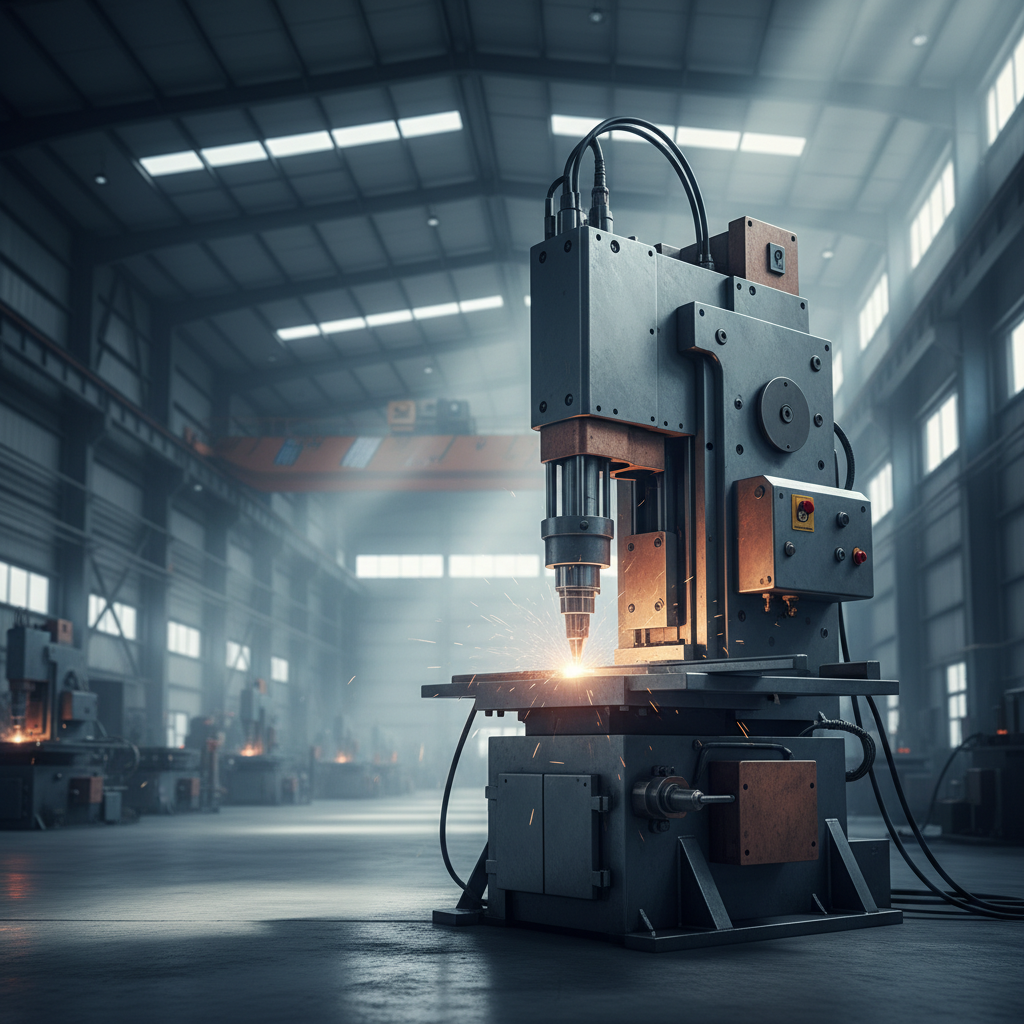
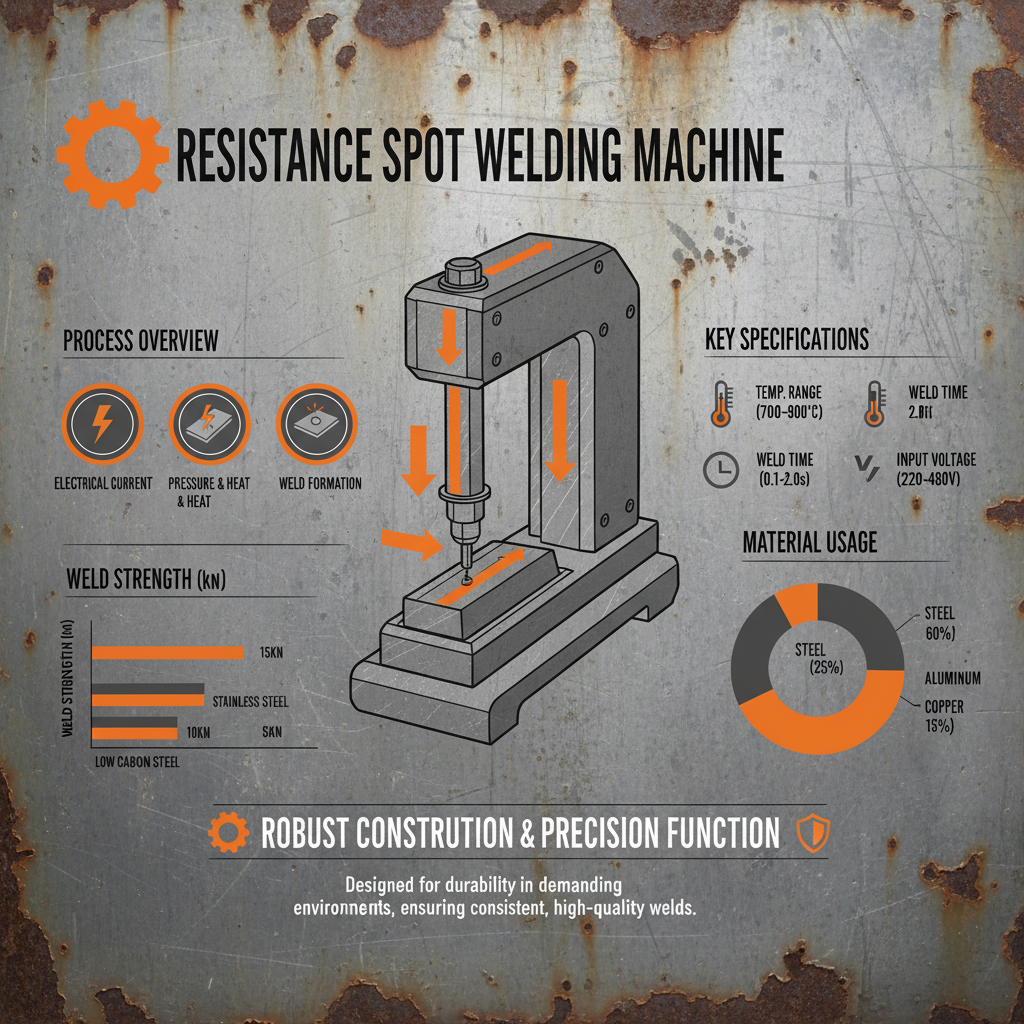
Advanced Resistance Spot Welding Machine Technology and Its Industrial Applications

The Fundamentals of resistance spot welding machine

Advanced Resistance Spot Welding Machine Technology and Its Industrial Applications

The core principle behind a resistance spot welding machine lies in generating heat through the resistance of the materials being joined. Electrical current is passed through the metal sheets held between copper alloy electrodes, concentrating the heat at the contact points. This localized heating melts the metal, creating a weld nugget.

Understanding the key variables – current, time, and electrode force – is crucial for achieving a quality weld. Precise control of these parameters ensures adequate heat generation without damaging the surrounding material. The quality of the resulting weld is directly tied to the careful calibration and maintenance of the resistance spot welding machine.

Global Relevance and Industry Context

Resistance spot welding machine is globally ubiquitous, forming the backbone of assembly lines in countless manufacturing facilities across continents. Major automotive manufacturing hubs like those in Germany, Japan, the United States, and China heavily rely on this technology. The increasing demand for automobiles, particularly electric vehicles, is driving significant investment in advanced resistance spot welding machine systems.

The aerospace industry also employs resistance spot welding machine extensively, particularly in the fabrication of aircraft structures and components. Similarly, the appliance industry utilizes it for assembling metal casings and frameworks. The ISO 15850 standard provides guidance on quality requirements for resistance spot welding, ensuring consistent and reliable welds across different industries.

Beyond these major sectors, resistance spot welding machine finds application in smaller-scale manufacturing operations, supporting the production of various metal products. The versatility and scalability of the technology make it adaptable to diverse manufacturing needs, contributing to its widespread adoption globally.

Defining resistance spot welding machine

A resistance spot welding machine is a specialized welding equipment that joins metal sheets by applying pressure and electric current through electrodes. The heat generated from the resistance of the metal to the current flow creates a localized weld. This process is a form of resistance welding, characterized by its efficiency and precision.

Unlike fusion welding techniques, resistance spot welding machine doesn't rely on melting a filler metal. Instead, it utilizes the heat generated within the workpieces themselves. This makes it particularly well-suited for high-volume production lines where speed and consistency are paramount. It is often used to create multiple welds quickly and reliably.

The process is instrumental in modern industrial manufacturing, enabling the creation of robust and durable assemblies. From vehicle chassis to appliance housings, resistance spot welding machine plays an invisible but vital role in producing the products we use every day.

Core Components and Key Factors

Several key components contribute to the functionality of a resistance spot welding machine. These include the power supply, electrodes, welding transformer, and control system. The power supply delivers the necessary electrical energy, while the electrodes focus the current and apply pressure. The transformer steps down the voltage to a level suitable for welding.

Important factors influencing weld quality include electrode material, electrode shape, welding current, welding time, and electrode force. Choosing the right electrode material ensures good conductivity and wear resistance. Adjusting the current, time, and force allows for precise control over heat input and weld nugget size.

resistance spot welding machine Performance Metrics


Real-World Applications of resistance spot welding machine

The automotive industry is arguably the largest consumer of resistance spot welding machine. It's used extensively in the body-in-white (BIW) process – the assembly of the car's frame and body. Multiple spot welds create a strong and rigid structure, vital for passenger safety.

In the aerospace sector, resistance spot welding machine is applied to join aluminum alloys in aircraft construction. This method provides lightweight and durable joints critical for maintaining fuel efficiency and structural integrity. Beyond these, the appliance industry uses it to produce metal casings and components for refrigerators, washing machines, and other household items.

Advantages and Long-Term Value

The advantages of utilizing a resistance spot welding machine are numerous. It's a fast, efficient, and cost-effective joining process, particularly suited for high-volume production. It requires minimal surface preparation and doesn't generate fumes or spatter like some other welding methods.

The long-term value comes from the reliability and durability of the welds, contributing to the longevity of the finished products. Properly executed resistance spot welding machine creates strong joints resistant to fatigue and corrosion, enhancing product safety and reducing maintenance costs.

Future Trends and Innovations in resistance spot welding machine

The future of resistance spot welding machine lies in automation, advanced control systems, and the integration of artificial intelligence (AI). Robotic resistance spot welding machine systems are becoming increasingly common, boosting production speeds and consistency.

Further innovations focus on adaptive welding control, which uses sensors and AI algorithms to adjust welding parameters in real-time based on material properties and joint conditions. This ensures optimal weld quality and minimizes defects. The development of more sustainable electrode materials is also a key area of research.

Moreover, the pursuit of hybrid welding techniques, combining resistance spot welding machine with other methods like laser welding, is gaining traction, allowing for more complex and versatile joining solutions.

FAQS

What are the primary factors affecting the strength of a resistance spot weld?

The strength of a resistance spot weld is influenced by several factors, including welding current, time, electrode force, electrode material, and the material properties of the sheets being joined. Maintaining optimal parameters for each material combination is vital for achieving a strong and reliable weld. Proper surface preparation is also crucial to minimize contaminants and ensure good electrical contact.

How often should resistance spot welding machine electrodes be maintained or replaced?

Electrode maintenance is essential for consistent weld quality. Electrodes should be dressed or re-tipped regularly to remove build-up and maintain the desired shape. Replacement frequency depends on usage and material being welded, but generally, electrodes should be replaced when they show significant wear, erosion, or cracking. Regular inspection is critical.

What types of materials can be effectively joined using resistance spot welding machine?

Resistance spot welding machine is most commonly used to join steel, stainless steel, and aluminum alloys. However, it can also be used with other metals, provided they have sufficient electrical conductivity. The choice of electrode material and welding parameters must be adjusted based on the specific materials being joined to ensure optimal weld quality.

What safety precautions should be taken when operating a resistance spot welding machine?

Safety is paramount when operating a resistance spot welding machine. Always wear appropriate personal protective equipment (PPE), including welding gloves, safety glasses, and a face shield. Ensure the machine is properly grounded and follow lockout/tagout procedures during maintenance. Be aware of potential hazards such as electrical shock, burns, and exposure to fumes.

How does resistance spot welding machine compare to other welding processes in terms of cost-effectiveness?

Resistance spot welding machine is generally more cost-effective than many other welding processes, particularly for high-volume production. It requires less filler metal, has faster cycle times, and reduces the need for post-weld finishing. However, the initial investment in equipment can be substantial, and skilled operators are required for optimal performance.

What is adaptive welding control and how does it improve resistance spot welding machine?

Adaptive welding control utilizes sensors and AI algorithms to monitor weld parameters in real-time and automatically adjust them to maintain optimal weld quality. This technology compensates for variations in material properties, electrode wear, and other factors that can affect weld performance. It leads to improved consistency, reduced defects, and increased process efficiency.

Conclusion

In conclusion, resistance spot welding machine remains a vital technology for modern manufacturing, offering a cost-effective, efficient, and reliable solution for joining metal sheets. Its widespread application across diverse industries underscores its importance in producing countless products we rely on daily. The ongoing advancements in automation, control systems, and materials are further enhancing its capabilities and solidifying its position as a cornerstone of industrial assembly.

Looking ahead, the integration of AI and the development of sustainable practices will shape the future of resistance spot welding machine. Manufacturers should prioritize investment in advanced equipment and operator training to harness the full potential of this technology and stay competitive in a rapidly evolving global market. For more information and to explore our range of resistance spot welding machine solutions, visit our website: www.xdrmachinery.com.


David Chen

David Chen

David Chen serves as the Sales and Marketing Manager for Hebei Xindrui Machinery, focusing on the North American market. With a background in international business and a strong understanding of packaging and metal product industries, David is responsible for expanding the company’s reach within the US. He joined Xindrui in
Previous Optimizing Manufacturing Processes with Advanced Resistance Welder Electrodes
Next Advanced Resistance Spot Welding Equipment for Modern Manufacturing Solutions