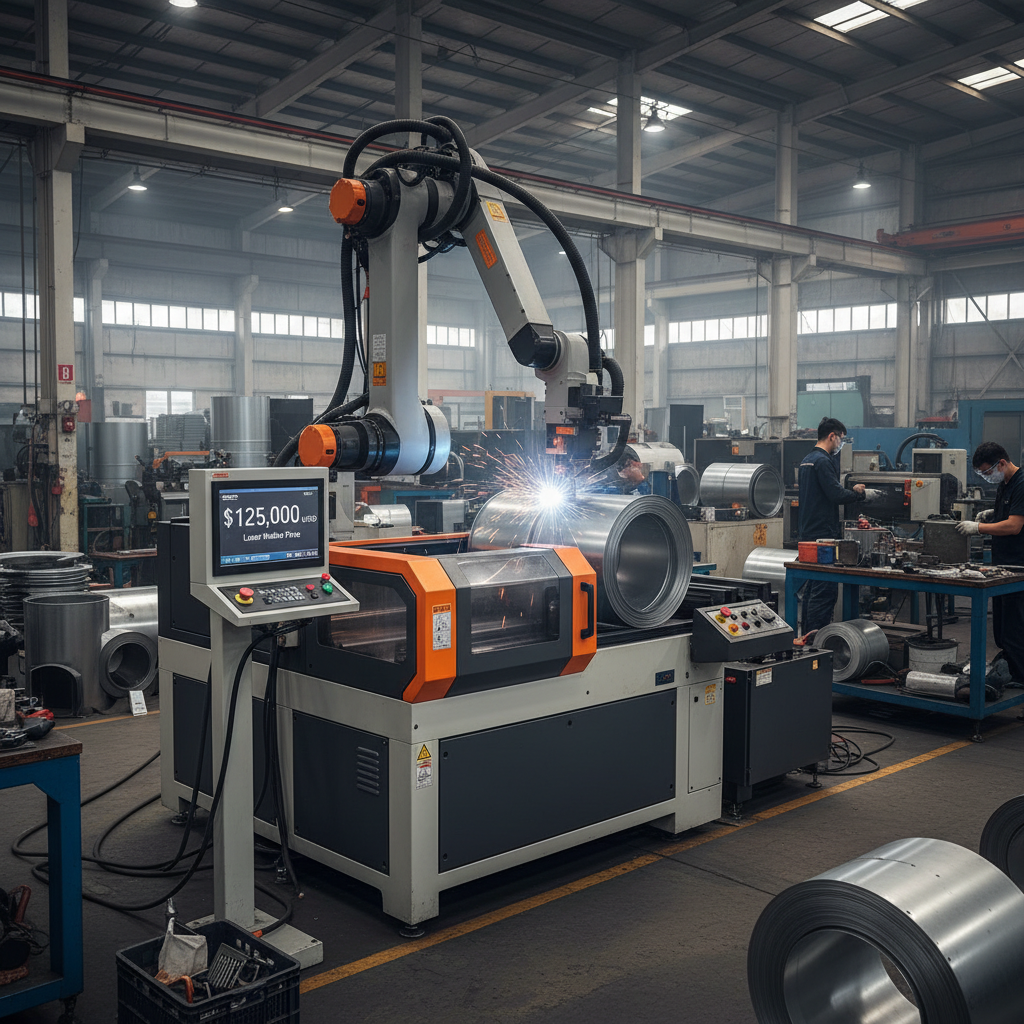
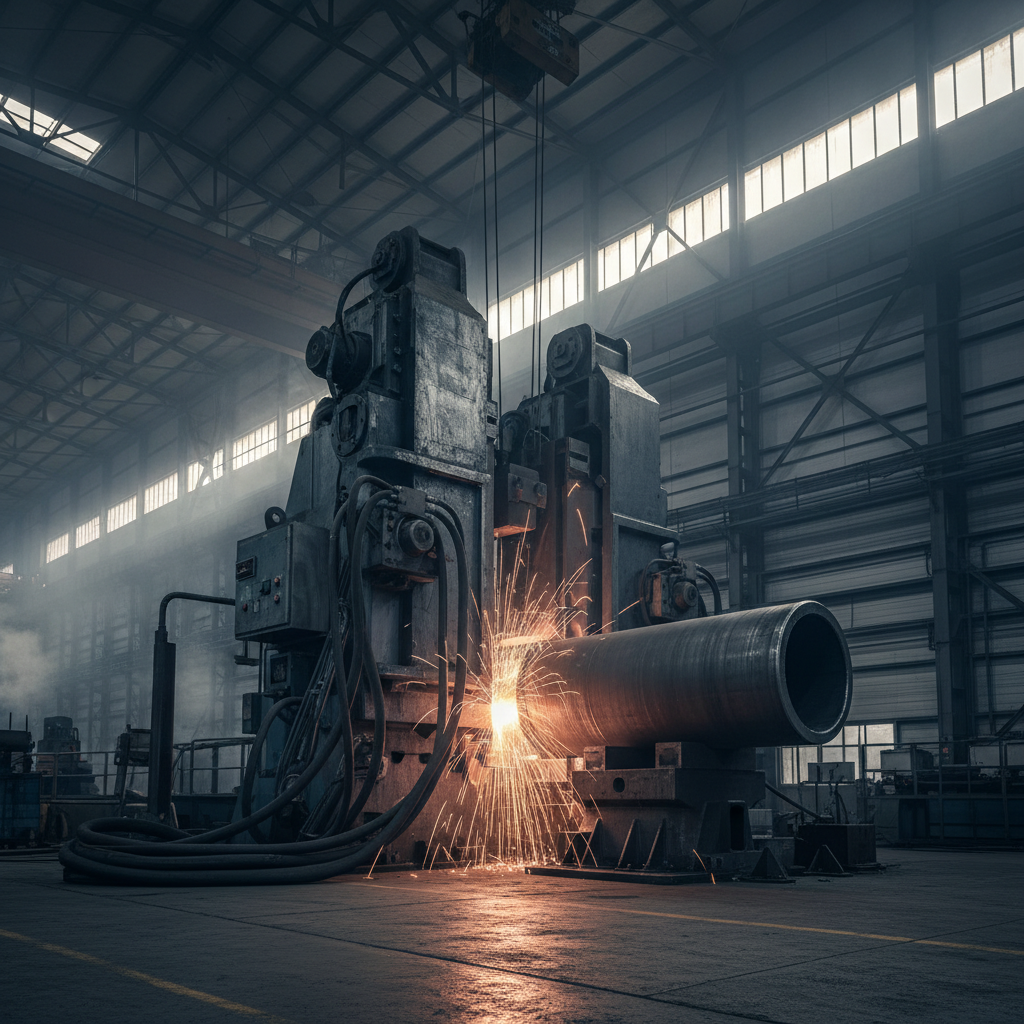
Projection welders represent a crucial technology in modern manufacturing, offering a precise and efficient method for joining metal components. Their ability to deliver concentrated heat and pressure makes them indispensable across diverse industries, from automotive and aerospace to electronics and medical device production. Understanding the principles, applications, and emerging trends in projection welder technology is therefore vital for engineers, manufacturers, and researchers seeking to optimize production processes and enhance product quality.
The global demand for welded structures continues to rise, driven by infrastructure development, increased automotive production, and advancements in technology requiring robust and reliable joining solutions. This surge in demand necessitates innovative welding techniques like projection welding, which excels in high-volume production environments. However, challenges such as material compatibility and electrode wear require ongoing research and development to unlock the full potential of this technology.
Beyond industrial applications, understanding the nuances of projection welding empowers professionals to implement cost-effective and high-quality manufacturing practices, contributing to economic growth and technological advancement. The technology’s inherent precision and ability to automate processes directly translate into improved efficiency and reduced material waste, making it an increasingly attractive solution for businesses of all sizes.
The Fundamentals of Projection Welder Technology
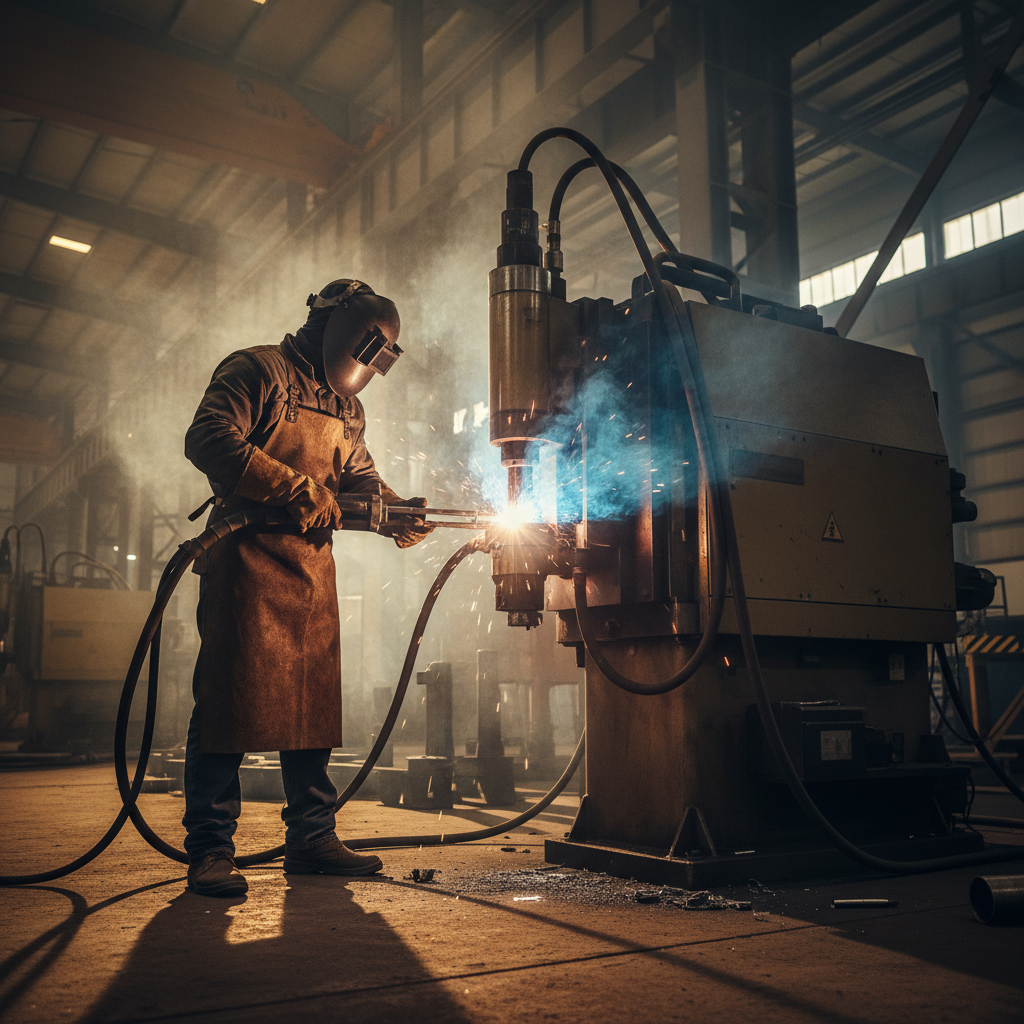
Projection welding is a resistance welding process where heat is concentrated at predetermined points, or "projections," on the workpieces. These projections are created either by embossing or by using specially designed die castings. The process relies on precisely controlled current, pressure, and time to fuse the materials together. projection welder equipment typically involves a welding power source, electrodes, and a clamping mechanism to apply force.
The fundamental advantage of projection welding lies in its capability to simultaneously weld multiple points, significantly increasing production rates. This is particularly valuable in scenarios requiring the joining of numerous components, like in the automotive industry or when assembling complex electronic devices. Its versatility in handling various metal combinations and thicknesses also contributes to its widespread adoption.
Core Principles of Projection Welding
At its core, projection welding functions on the principles of electrical resistance heating. When current flows through the materials to be joined, resistance causes localized heat generation at the projections. This heat melts the metal at these points, and the applied pressure facilitates fusion. The shape and size of the projections are critical, as they dictate the concentration of current and the resulting weld strength.
Precise control of welding parameters—current, pressure, time, and projection design—is essential for achieving optimal weld quality. Insufficient current results in weak welds, while excessive current can cause expulsion of molten metal and potentially damage the equipment. Careful calibration of these parameters ensures a consistent and reliable welding process.
Understanding the materials being welded is also paramount. Different metals exhibit varying electrical resistance and thermal conductivity, necessitating adjustments to the welding schedule. The process is highly adaptable and can weld similar or dissimilar metals, but a thorough understanding of their properties is crucial for success.
Key Factors Influencing Projection Welding Quality
Several factors directly impact the quality and reliability of projection welds. Electrode material and design play a crucial role in current distribution and heat dissipation. Proper electrode maintenance, including cleaning and surface treatment, is essential to prevent arcing and ensure consistent welds.
Surface preparation is equally vital. Clean, oxide-free surfaces promote better electrical contact and reduce the likelihood of weld defects. The accuracy of projection formation significantly affects the weld strength; inconsistent projections can lead to uneven heating and weak joints. Utilizing well-maintained tooling and precise forming techniques is therefore essential.
Finally, the welding schedule—current, pressure, and time—must be carefully optimized for the specific materials and component geometry. A properly designed schedule ensures sufficient heat input and adequate fusion without causing excessive expulsion or material degradation. Monitoring and adjusting these parameters based on real-time feedback is critical for maintaining weld quality.
Practical Applications of Projection Welding
The versatility of projection welder technology is evident in its widespread application across numerous industries. In the automotive sector, it is extensively used for welding nuts, bolts, and brackets to vehicle bodies and chassis components, creating strong and reliable connections.
The electronics industry utilizes projection welding to join electrical contacts, terminals, and lead frames, enabling the creation of miniaturized and high-performance electronic devices. Aerospace applications leverage the process for welding critical structural components, demanding exceptional weld integrity and fatigue resistance.
Beyond these core sectors, projection welding finds applications in the production of appliances, medical devices, and furniture, highlighting its adaptability and cost-effectiveness in diverse manufacturing environments. Its ability to handle high-volume production runs makes it an ideal solution for companies seeking to streamline their operations and improve productivity.
Projection Welder Performance Metrics
Advantages and Long-Term Value of Projection Welding
The benefits of employing projection welding extend beyond immediate production efficiencies. Cost savings are significant, stemming from reduced material waste, lower labor costs associated with automation, and minimized post-weld finishing requirements. Furthermore, the process is inherently repeatable, leading to consistent weld quality and reduced scrap rates.
The long-term reliability of projection welds contributes to enhanced product durability and reduced warranty claims, bolstering brand reputation and customer satisfaction. The process’s adaptability to various materials and geometries further increases its value proposition, making it a versatile solution for a broad range of manufacturing applications.
Emerging Trends in Projection Welder Technology
Advancements in projection welder technology are focused on improving process control, increasing automation, and enhancing weld quality. Integration of sensors and data analytics enables real-time monitoring of welding parameters, allowing for dynamic adjustments and predictive maintenance.
The development of advanced electrode materials and coatings is extending electrode lifespan and reducing maintenance requirements. Furthermore, research into hybrid welding techniques, combining projection welding with other processes like laser welding, is opening up new possibilities for joining complex materials and geometries.
Sustainable manufacturing practices are also driving innovation in projection welding, with a focus on reducing energy consumption and minimizing waste. The adoption of energy-efficient power sources and optimized welding schedules contribute to a greener and more environmentally responsible manufacturing process.
Troubleshooting and Maintenance of Projection Welders
Maintaining a projection welder requires a proactive approach to prevent downtime and ensure consistent performance. Regular inspection of electrodes for wear and tear is crucial, as is cleaning and lubrication of moving parts. Addressing minor issues promptly can prevent them from escalating into major repairs.
Common troubleshooting steps include verifying the welding schedule, checking the electrode alignment, and inspecting the surface preparation of the workpieces. Electrical connections should be checked for looseness or corrosion, and the cooling system should be monitored to ensure adequate temperature control.
Preventive maintenance schedules, including periodic calibration and component replacement, are essential for maximizing the lifespan and reliability of the equipment. Training personnel on proper operation and maintenance procedures is also critical for ensuring safe and efficient operation.
Common Projection Welder Issues and Solutions
| Issue |
Potential Cause |
Severity Level (1-5) |
Recommended Solution |
| Weak Welds |
Insufficient Current or Pressure |
3 |
Adjust Welding Schedule |
| Arcing |
Contaminated Electrodes or Workpieces |
4 |
Clean Electrodes and Workpieces |
| Expulsion of Molten Metal |
Excessive Current |
3 |
Reduce Welding Current |
| Inconsistent Weld Quality |
Uneven Projection Formation |
2 |
Improve Projection Forming Process |
| Electrode Wear |
High Current Density or Abrasive Materials |
4 |
Replace Electrodes Regularly |
| Machine Overheating |
Cooling System Malfunction |
5 |
Inspect and Repair Cooling System |
FAQS
Projection welding offers several advantages over spot welding, notably the ability to weld multiple points simultaneously, leading to faster cycle times and increased production efficiency. It also excels in joining dissimilar metals and can achieve higher weld strengths due to the concentrated heat and pressure applied to defined projections. Furthermore, projection welding minimizes electrode wear compared to spot welding, reducing maintenance costs.
Projection welding is particularly effective with low-carbon and alloy steels, stainless steels, and aluminum alloys. The materials must be conductive to allow for efficient heat generation through electrical resistance. While it can join dissimilar metals, careful consideration must be given to their thermal and electrical properties to optimize the welding schedule. Material thickness typically ranges from 0.5mm to 6mm, though specialized techniques can handle greater thicknesses.
Projection design is critical for achieving optimal weld quality. The size, shape, and number of projections directly influence the current density, heat input, and weld strength. Smaller, well-defined projections concentrate heat effectively, while larger projections distribute it over a wider area. Proper projection design ensures consistent heating and prevents expulsion of molten metal, leading to robust and reliable welds.
Regular maintenance is essential for ensuring the longevity and performance of a projection welding machine. Key tasks include cleaning and inspecting electrodes for wear, lubricating moving parts, checking electrical connections, and monitoring the cooling system. Periodic calibration of the welding parameters is also crucial for maintaining consistent weld quality. Following a preventative maintenance schedule will minimize downtime and maximize equipment lifespan.
Operating a projection welder requires strict adherence to safety protocols. Always wear appropriate personal protective equipment (PPE), including welding helmets, gloves, and safety glasses. Ensure the machine is properly grounded to prevent electrical shock. Maintain a clean and organized workspace free of flammable materials. Never operate the machine without proper training and authorization, and always follow the manufacturer’s safety guidelines.
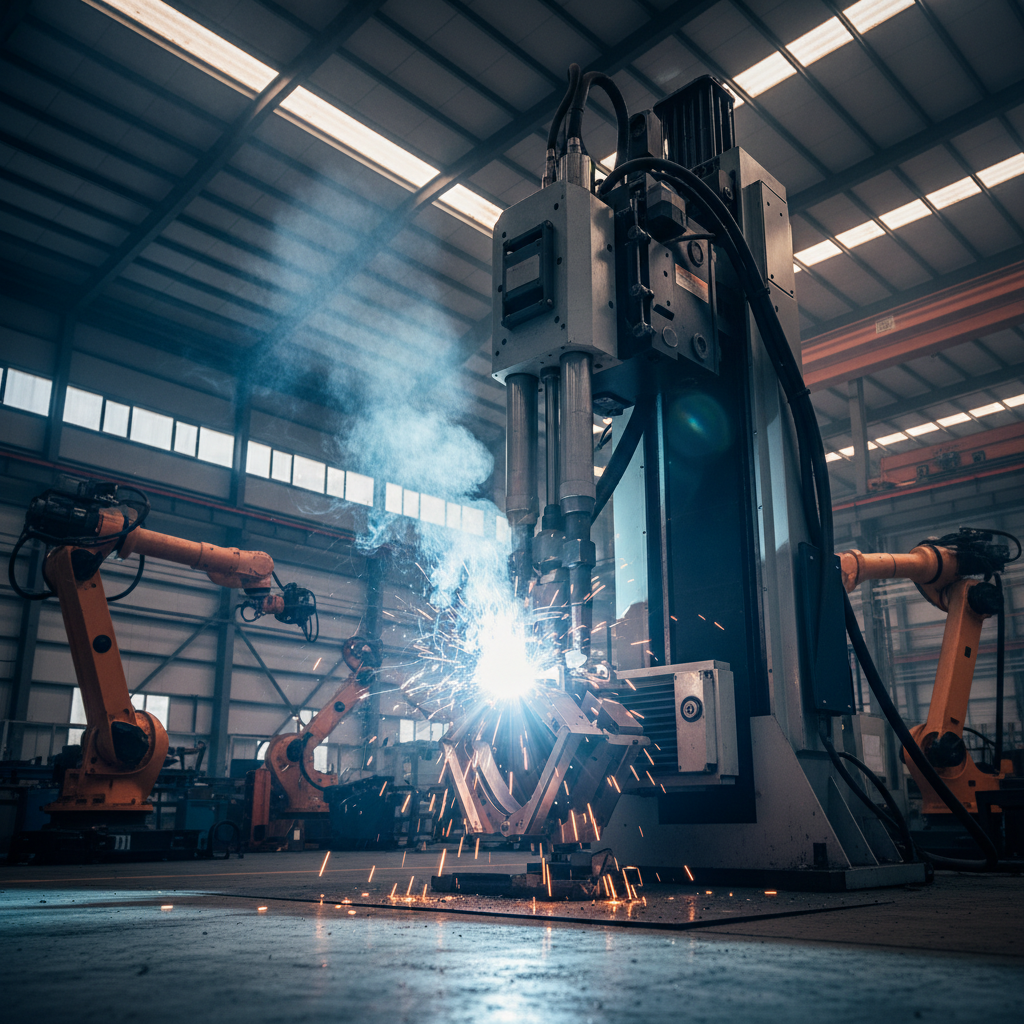
Yes, projection welding is highly amenable to automation. Robotic systems can be integrated to handle material loading, welding parameter control, and post-weld inspection, significantly increasing production rates and reducing labor costs. Automated projection welding systems offer improved consistency, reduced defects, and enhanced overall efficiency, making them a valuable investment for high-volume manufacturing applications.
Conclusion
Projection welding stands as a cornerstone of modern manufacturing, offering a versatile and efficient method for joining metal components. Its ability to deliver concentrated heat and pressure, coupled with its adaptability to various materials and geometries, makes it an indispensable technology across a diverse range of industries. From automotive and aerospace to electronics and medical device production, projection welder solutions continue to drive innovation and enhance product quality.
Looking ahead, advancements in automation, data analytics, and electrode materials promise to further elevate the performance and sustainability of projection welding. By embracing these emerging trends and prioritizing preventative maintenance, manufacturers can unlock the full potential of this technology, achieving greater efficiency, reliability, and cost-effectiveness. We encourage you to explore our range of projection welder equipment to discover how we can help optimize your welding processes and achieve your manufacturing goals.
 8613931787312
  Botou Industrial Zone on the east side of National Highway 104, Botou City, Hebei Province