Projection spot welding machine technology has become increasingly vital across a diverse range of industries, from automotive manufacturing and aerospace engineering to electronics assembly and even specialized applications in medical device production. Its ability to create strong, reliable welds quickly and efficiently makes it a cornerstone of modern manufacturing processes, enabling the mass production of high-quality components. Understanding the intricacies of projection spot welding machine, its applications, and its future trends is crucial for professionals seeking to optimize their manufacturing workflows and stay competitive in a rapidly evolving market.
The demand for robust and precise welding solutions continues to grow globally, driven by factors such as increasing automation, the rise of electric vehicles (requiring advanced battery pack assembly), and the need for lighter, stronger materials in various applications. This escalating demand emphasizes the importance of projection spot welding machine, offering a cost-effective and adaptable approach to joining metal parts. Data from the International Welding Society highlights a consistent annual growth in the adoption of automated welding technologies, with projection welding experiencing a particularly significant uptick.
Ultimately, mastering the principles behind projection spot welding machine empowers businesses to improve product quality, reduce manufacturing costs, and enhance overall operational efficiency. This knowledge is essential for ensuring sustainable growth and innovation in a competitive global landscape.
Introduction to Projection Spot Welding Machine
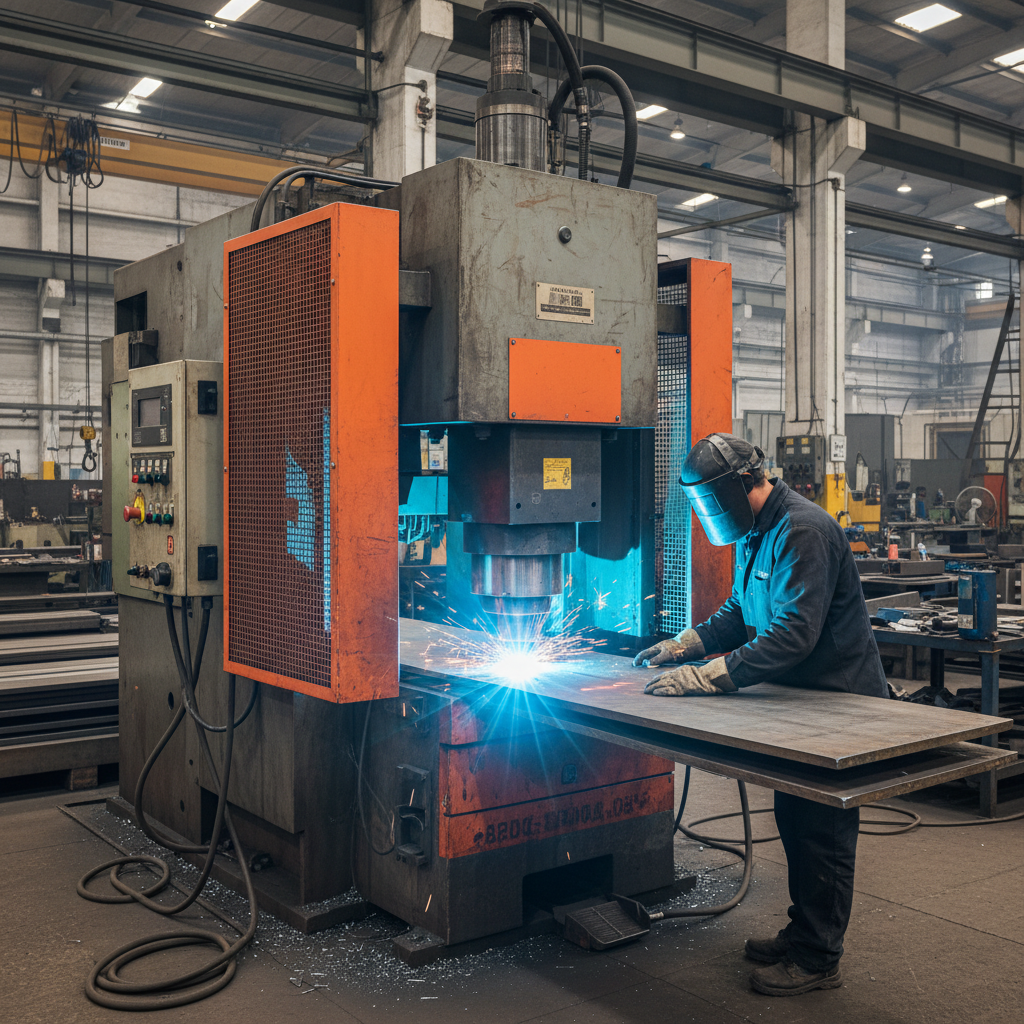
A projection spot welding machine utilizes precisely shaped welding electrodes to concentrate heat and pressure onto predetermined points (projections) on the workpiece. This localized heating quickly raises the temperature of the projections, causing the metal to fuse together, creating a strong and reliable weld. The process is particularly well-suited for joining multiple parts simultaneously, making it ideal for high-volume production.
This method distinguishes itself from conventional spot welding by allowing for the joining of multiple points in a single operation, significantly enhancing efficiency. Its ability to weld dissimilar metals and handle varying material thicknesses adds to its versatility. A well-maintained projection spot welding machine delivers consistent weld quality and minimizes the need for post-weld finishing.
Defining Projection Spot Welding Machine
A projection spot welding machine is an automated welding system designed to join metal components by applying focused pressure and electric current to raised projections on one or both of the parts being joined. Unlike conventional spot welding, which relies on direct contact between the electrodes and the workpiece, projection welding uses specially designed electrodes that correspond to the shape of the projections. This allows for a more controlled and precise welding process.
The process is vital in industries demanding consistent and high-strength welds, such as automotive manufacturing, where it's extensively used in the assembly of vehicle frames, chassis components, and safety-critical parts. Projection spot welding machine contributes to the structural integrity and safety of vehicles by providing robust and reliable joints.
Furthermore, this technology addresses the need for efficient metal joining in modern industrial production, offering a significant advantage over traditional welding methods in terms of speed, consistency, and material compatibility. The ability to weld multiple points simultaneously makes it particularly valuable in high-volume production scenarios.
Core Components and Operational Factors
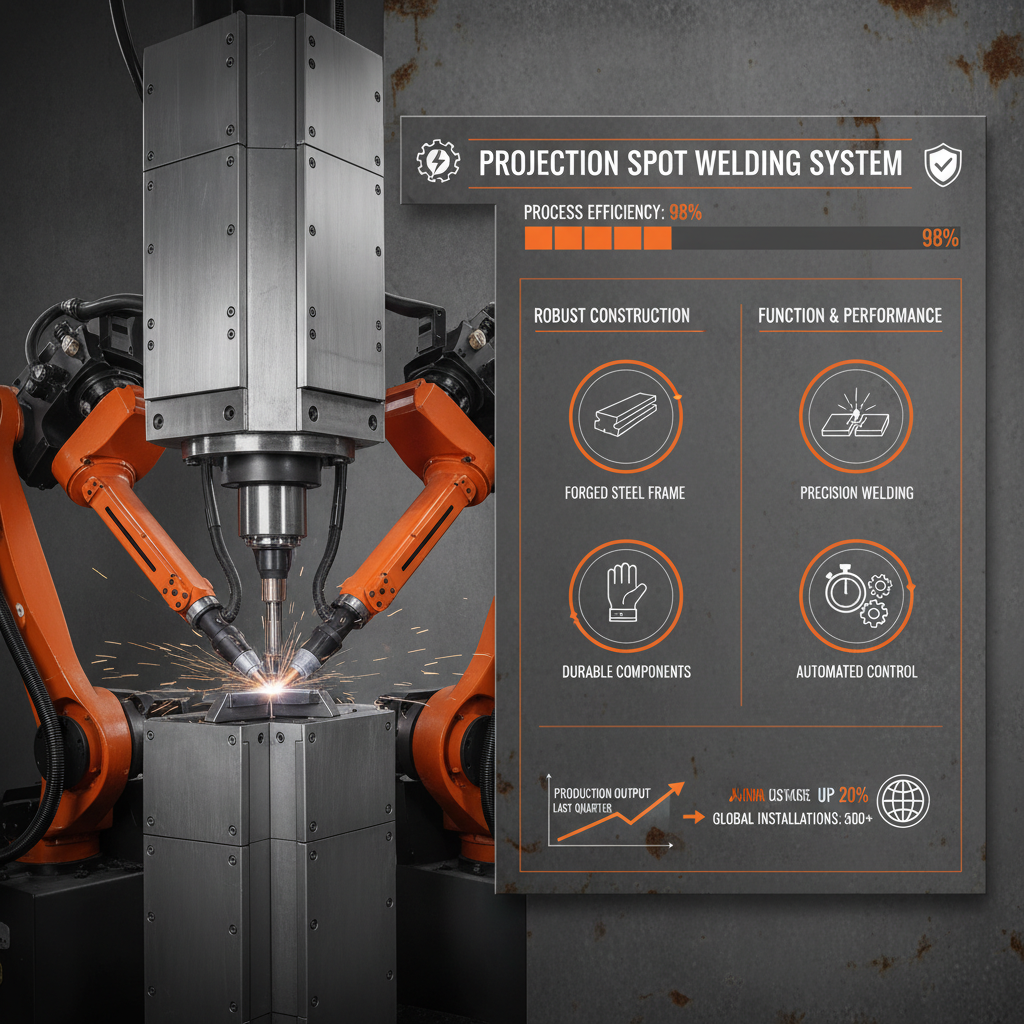
Several key components work in concert to ensure the optimal performance of a projection spot welding machine. These include the welding power supply, which provides the necessary electrical current; the electrodes, meticulously designed to match the projection shapes; a robust clamping system to securely hold the workpieces; and a sophisticated control system to manage the welding parameters such as current, weld time, and pressure. Accurate control of these parameters is critical for achieving consistent weld quality.
Operational factors significantly influence the outcome of the welding process. These include the material composition of the workpieces, the size and shape of the projections, the surface condition of the materials, and the alignment of the electrodes. Careful consideration of these factors is crucial for preventing defects such as incomplete fusion, expulsion, or distortion. Regular electrode maintenance and inspection are also essential for maintaining weld integrity.
The choice of projection design – whether it’s a domed, pointed, or flat projection – depends on the specific application and the materials being joined. Domed projections are generally preferred for their ability to provide a stable arc and consistent weld quality, while pointed projections are useful for materials that require a higher level of concentrated heat. Ultimately, understanding these components and operational factors is paramount for maximizing the efficiency and reliability of a projection spot welding machine.
Key Performance Indicators of Projection Spot Welding Machine
Evaluating the performance of a projection spot welding machine requires monitoring several key indicators. These include weld strength, penetration depth, weld nugget size, and the incidence of defects such as expulsion or porosity. Higher weld strength and penetration depth generally indicate a more robust weld, while minimizing defects ensures long-term reliability.
Furthermore, cycle time – the duration of a single welding operation – is a crucial metric for assessing production efficiency. Reducing cycle time without compromising weld quality is a primary goal for optimizing manufacturing processes. Measuring and tracking these KPIs allows for continuous improvement and process optimization.
Projection Spot Welding Machine Performance Metrics
Global Applications and Industrial Use Cases
Projection spot welding machine finds extensive application across numerous industries worldwide. In the automotive sector, it's crucial for assembling car bodies, chassis, and exhaust systems. The aerospace industry relies on this technology for joining aircraft components, ensuring structural integrity and safety. The electronics industry utilizes projection welding for creating robust connections in circuit boards and electronic assemblies.
Furthermore, the medical device industry employs projection spot welding machine for manufacturing surgical instruments and implants, where precision and biocompatibility are paramount. From large-scale automotive plants in Germany and the US to electronics manufacturing hubs in Asia, this technology is indispensable for modern manufacturing.
Advantages and Long-Term Value Proposition
The advantages of utilizing a projection spot welding machine are substantial. It offers high welding speeds, enabling increased production throughput. Its ability to weld multiple points simultaneously reduces labor costs and minimizes cycle times. Projection welding delivers consistent weld quality with minimal distortion, reducing the need for costly post-weld finishing operations.
Long-term, investment in projection spot welding machine translates to increased profitability, enhanced product reliability, and a competitive edge in the market. Reduced material waste, lower energy consumption, and increased process efficiency contribute to a sustainable and environmentally responsible manufacturing operation. The inherent reliability of projection welds also leads to increased customer satisfaction and brand loyalty.
Future Trends and Technological Advancements
The future of projection spot welding machine is poised for significant advancements, driven by ongoing research and development. Integration with Industry 4.0 principles, including data analytics and machine learning, will enable real-time process monitoring and optimization, further improving weld quality and efficiency. The development of adaptive welding control systems will automatically adjust parameters based on material variations and process conditions.
Moreover, the increasing adoption of lightweight materials, such as aluminum and magnesium alloys, will necessitate the development of specialized electrodes and welding parameters tailored to these materials. The exploration of new electrode materials with enhanced thermal conductivity and wear resistance will also play a crucial role in extending the lifespan of tooling and reducing maintenance costs. The focus on sustainability will drive the development of energy-efficient welding technologies and environmentally friendly electrode materials.
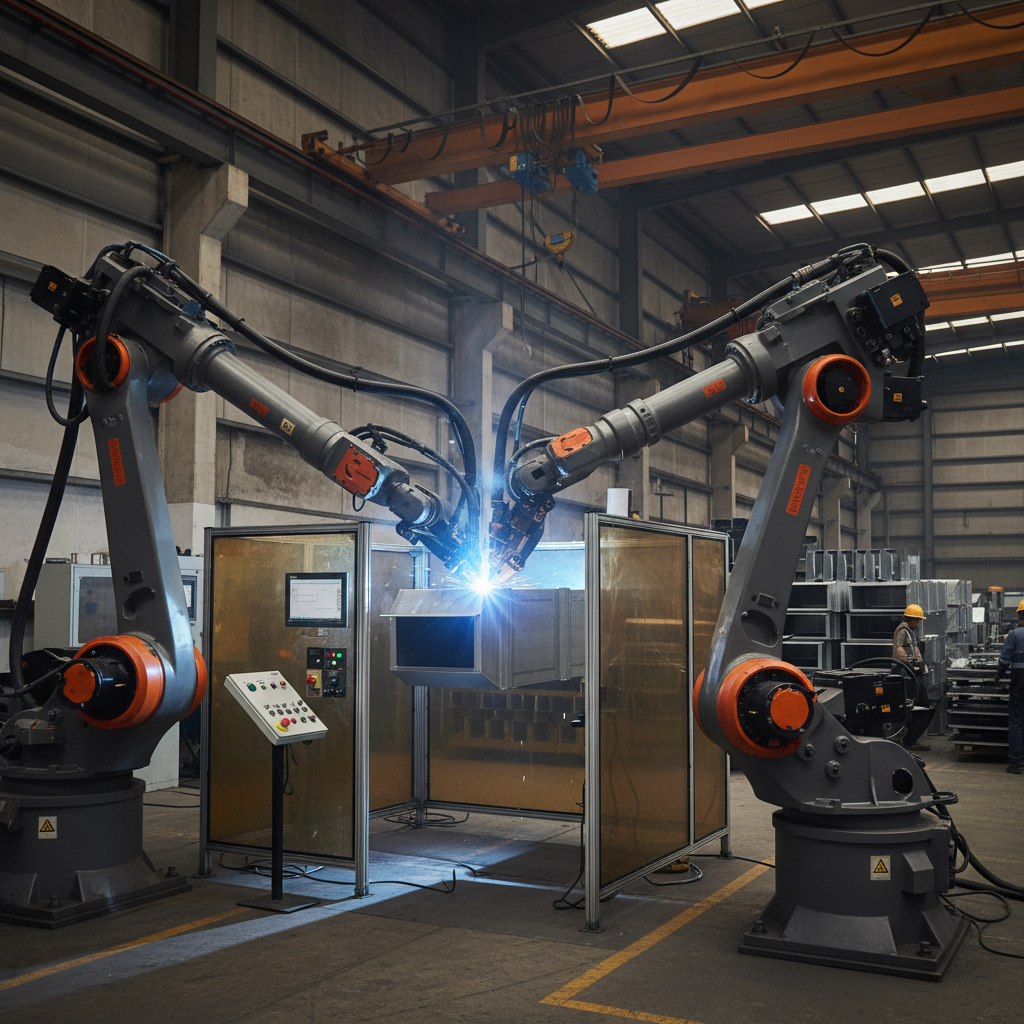
Advanced robotic integration promises to unlock greater levels of automation and precision in projection welding, opening up new possibilities for complex assemblies and intricate applications. These innovations will ensure that projection spot welding machine remains a vital component of modern manufacturing for years to come.
FAQS
Projection welding differs from traditional spot welding by utilizing pre-formed projections on one or both workpieces to concentrate the welding current. This eliminates the need for direct electrode-to-workpiece contact, offering better control over weld location, increased weld strength, and the ability to weld multiple points simultaneously. Traditional spot welding relies on direct contact, which can lead to arc instability and inconsistent weld quality. Projection welding excels in high-volume production and applications requiring precise weld placement.
Projection spot welding is highly versatile, but it works best with materials that can readily form projections, such as low-carbon steel, stainless steel, and aluminum alloys. The material's thickness also plays a role, with optimal results typically achieved with materials ranging from 0.5mm to 6mm. While other materials can be welded, careful consideration of electrode design and welding parameters is crucial for achieving acceptable results.
Regular maintenance is vital for ensuring the longevity and performance of a projection spot welding machine. This includes routine cleaning of electrodes to remove buildup, inspection for wear and tear, and calibration of the welding power supply and control system. Proper lubrication of moving parts and periodic checks of the clamping system are also essential. Following the manufacturer’s recommended maintenance schedule will minimize downtime and prevent costly repairs.
Electrode design is paramount in projection welding. The shape, size, and material of the electrodes directly influence the concentration of heat and pressure, impacting weld strength, penetration, and overall quality. Electrodes must accurately match the shape of the projections to ensure uniform contact and consistent welding. Selecting the appropriate electrode material is also crucial to prevent sticking and maintain conductivity.
Operating a projection spot welding machine requires adherence to strict safety protocols. Always wear appropriate personal protective equipment (PPE), including welding helmets, gloves, and protective clothing. Ensure proper ventilation to avoid inhaling fumes. Follow lockout/tagout procedures during maintenance. Never operate the machine if it is damaged or malfunctioning, and ensure all safety guards are in place. Proper training and awareness are essential.
Yes, projection spot welding can be used to join dissimilar metals, but it requires careful consideration of material properties and welding parameters. The selection of appropriate electrodes and precise control of current, pressure, and weld time are crucial for achieving a successful weld. Compatibility of the metals and their thermal expansion coefficients must also be factored into the process.
Conclusion
In conclusion, projection spot welding machine represents a cornerstone of modern manufacturing, offering a highly efficient, reliable, and versatile method for joining metal components. Its ability to deliver consistent weld quality, reduce production costs, and accommodate a wide range of materials and applications makes it indispensable across various industries, including automotive, aerospace, and electronics. Understanding the core principles, operational factors, and emerging trends in projection welding is critical for staying competitive in today's rapidly evolving industrial landscape.
Looking ahead, the integration of Industry 4.0 technologies, the development of advanced electrode materials, and the increasing demand for sustainable manufacturing practices will drive further innovation in projection spot welding machine. Embracing these advancements will empower businesses to optimize their welding processes, enhance product quality, and unlock new levels of efficiency. To learn more about how a projection spot welding machine can benefit your operations, visit our website: www.xdrmachinery.com.
 8613931787312
  Botou Industrial Zone on the east side of National Highway 104, Botou City, Hebei Province