-
 8613931787312
 -
 Botou Industrial Zone on the east side of National Highway 104, Botou City, Hebei Province
8613931787312
The field of welding, particularly resistance welding, is a cornerstone of modern manufacturing and infrastructure. Central to many advanced welding processes is the chief resistance welder, a critical component ensuring the precision, efficiency, and reliability of joining metals. Understanding the nuances of this technology is paramount for industries ranging from automotive and aerospace to shipbuilding and electronics, impacting global supply chains and economic growth.
Resistance welding, and by extension the chief resistance welder itself, addresses a significant challenge in manufacturing: the need for fast, consistent, and high-quality joins without the need for filler materials or extensive post-weld processing. This efficiency directly translates to reduced production costs and faster turnaround times, crucial factors in today's competitive global marketplace. Moreover, advancements in this technology are increasingly focused on sustainability, minimizing waste and energy consumption.
The growing demand for lightweight materials, driven by industries like automotive and aerospace aiming for fuel efficiency, necessitates robust and reliable joining methods. The chief resistance welder plays a vital role in integrating these materials, offering solutions where traditional welding techniques may fall short. This makes a thorough understanding of its capabilities and advancements essential for maintaining a competitive edge in these sectors.
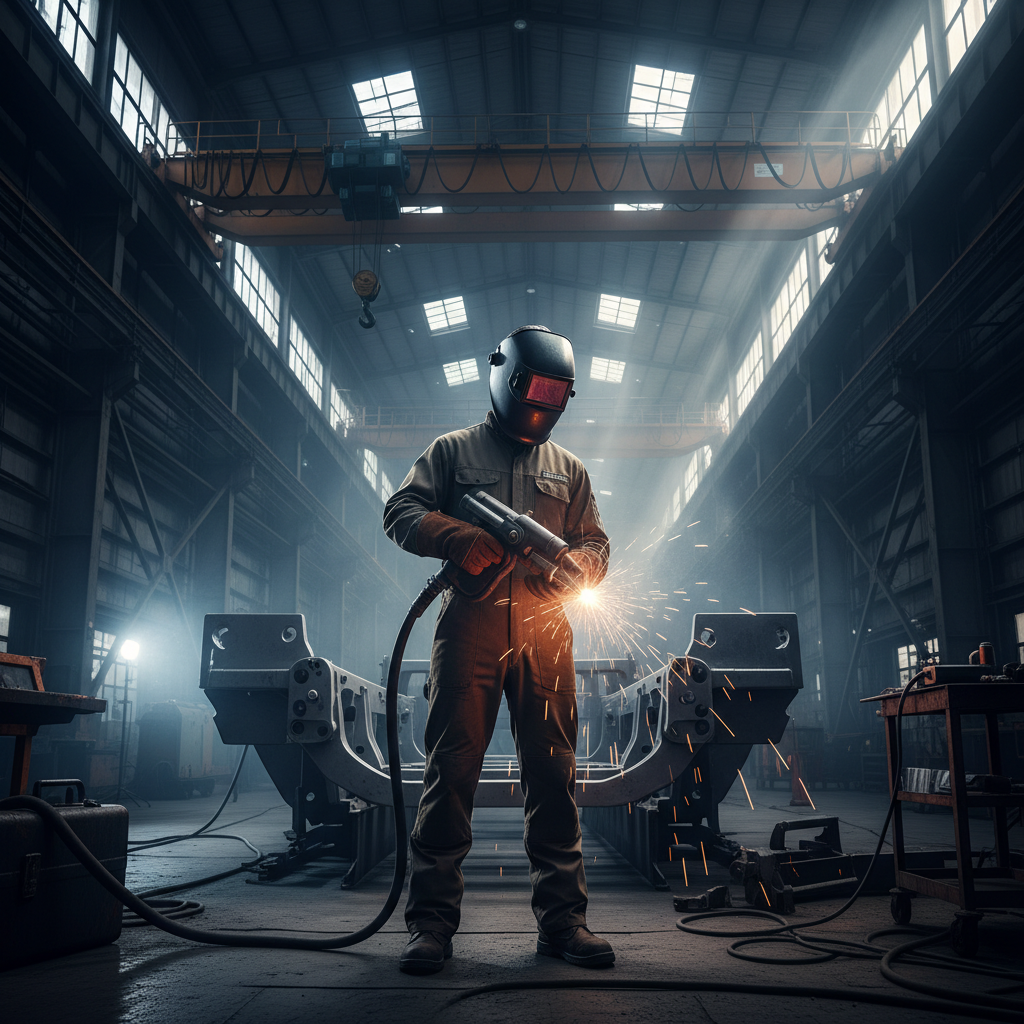
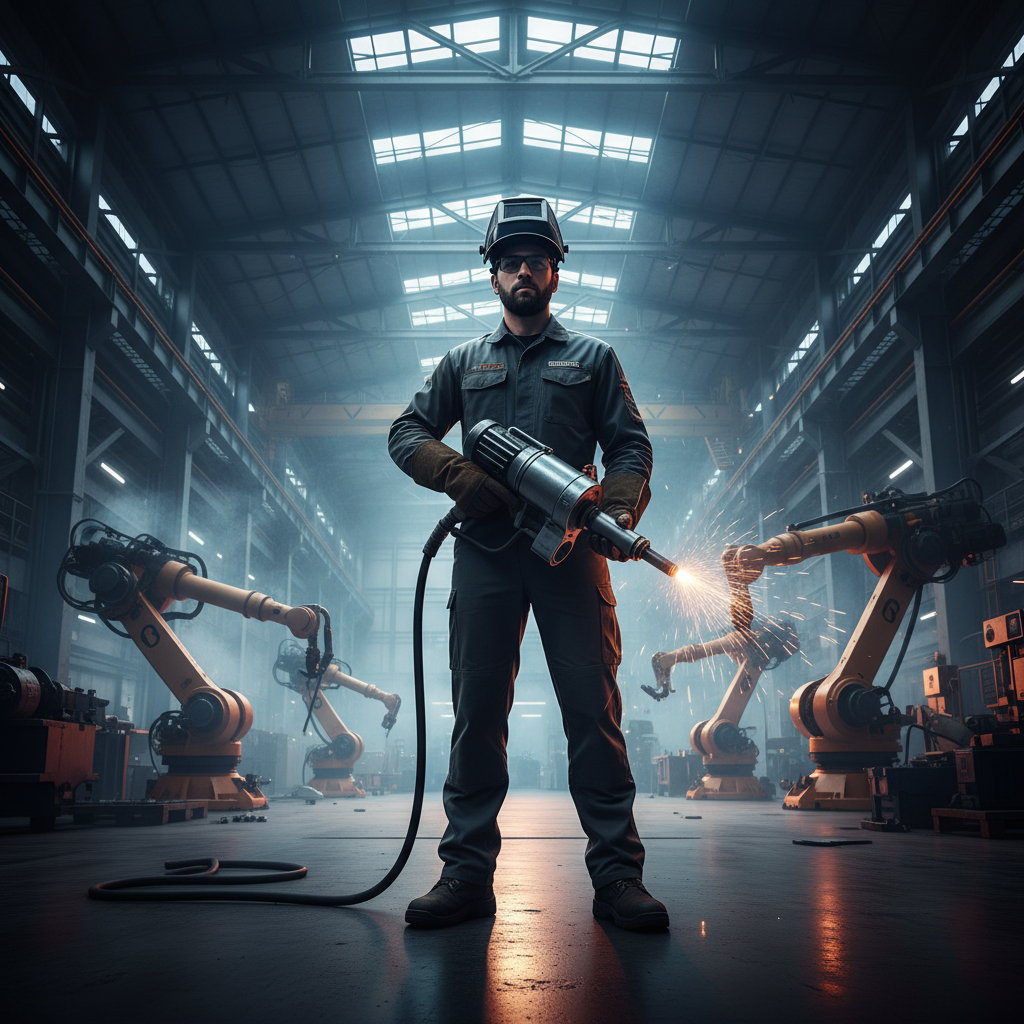
The chief resistance welder isn't merely a machine; it's the central control point for an entire resistance welding process. It orchestrates the precise application of pressure and electric current to create a weld, ensuring consistent and repeatable results. This level of control is critical for industries demanding high structural integrity, like the automotive sector where safety is paramount.
The operator of a chief resistance welder is responsible for monitoring critical parameters like weld time, current, and pressure, adjusting them to achieve optimal weld quality. Skillful operation directly impacts the final product's strength, durability, and overall performance, making the operator a crucial link in the manufacturing chain.
Chief resistance welders are extensively used in automotive manufacturing for joining body panels, assembling chassis components, and attaching reinforcements. They are valued for their speed, precision, and ability to create strong, consistent welds on sheet metal, crucial for vehicle safety and structural integrity. The technology also plays a role in joining components like suspension parts and exhaust systems, enabling efficient and reliable vehicle production.
Resistance welding, when properly controlled, produces welds with excellent strength and ductility, often comparable to or exceeding those created by other methods like MIG or TIG welding. However, achieving optimal quality requires precise control over welding parameters like current, pressure, and time. Chief resistance welders equipped with advanced monitoring systems can consistently deliver high-quality welds, reducing the risk of defects and ensuring long-term reliability.
Regular maintenance is crucial for maintaining the performance and longevity of a chief resistance welder. Key maintenance tasks include inspecting and cleaning welding electrodes, checking and lubricating moving parts, inspecting electrical connections, and calibrating the control system. Following the manufacturer's recommended maintenance schedule is essential for preventing breakdowns and ensuring consistent weld quality.
Chief resistance welders are primarily used for joining ferrous metals like steel and stainless steel. However, with appropriate modifications and electrode selection, they can also be used to weld aluminum, copper, and other conductive materials. The ability to weld dissimilar metals depends on the compatibility of the materials and the specific capabilities of the welding machine.
Operating a chief resistance welder requires adherence to strict safety precautions. These include wearing appropriate personal protective equipment (PPE) such as welding gloves, eye protection, and hearing protection. Ensure proper ventilation to avoid inhaling fumes, and never operate the machine with wet hands or in a damp environment. Following the manufacturer’s safety guidelines and receiving proper training are essential for safe operation.
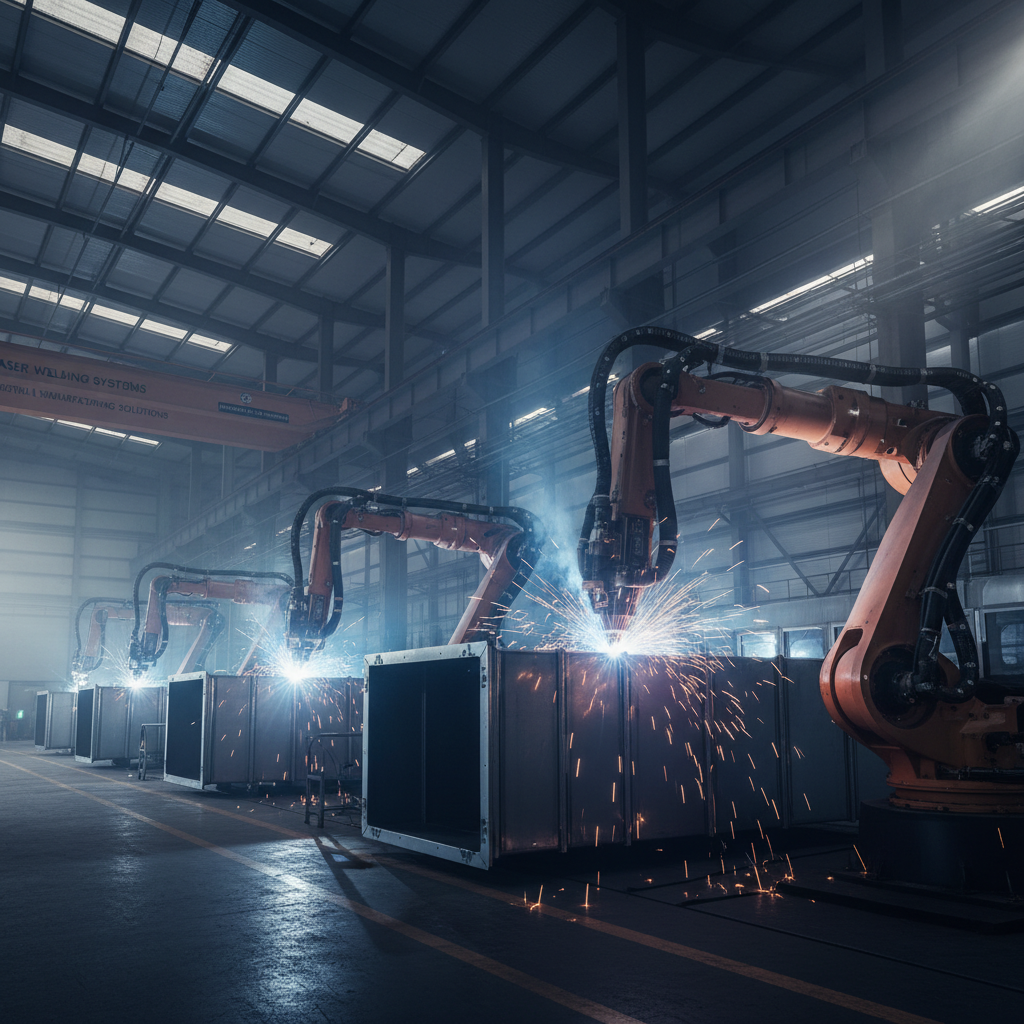
Automation is transforming chief resistance welding, increasing efficiency, precision, and consistency. Robotic resistance welding systems can handle repetitive tasks with greater accuracy and speed than manual operation, reducing labor costs and improving product quality. Integration with Industry 4.0 technologies, such as data analytics and predictive maintenance, further enhances the capabilities of automated welding systems, enabling optimized performance and reduced downtime.
In conclusion, the chief resistance welder stands as a pivotal technology in modern manufacturing, offering a compelling combination of speed, efficiency, and reliability. Its ability to create strong, consistent welds with minimal post-processing makes it indispensable across a wide range of industries, from automotive and aerospace to shipbuilding and electronics. Understanding the core principles, key performance indicators, and emerging trends in this field is essential for staying competitive in today's rapidly evolving manufacturing landscape.
Looking ahead, continued innovation in automation, sensor technology, and material science will further enhance the capabilities of chief resistance welder systems, paving the way for more sustainable, efficient, and high-quality manufacturing processes. Investing in advanced welding technologies and operator training will be crucial for organizations seeking to optimize their production capabilities and maintain a competitive edge. Visit our website at www.xdrmachinery.com to explore our range of welding solutions.