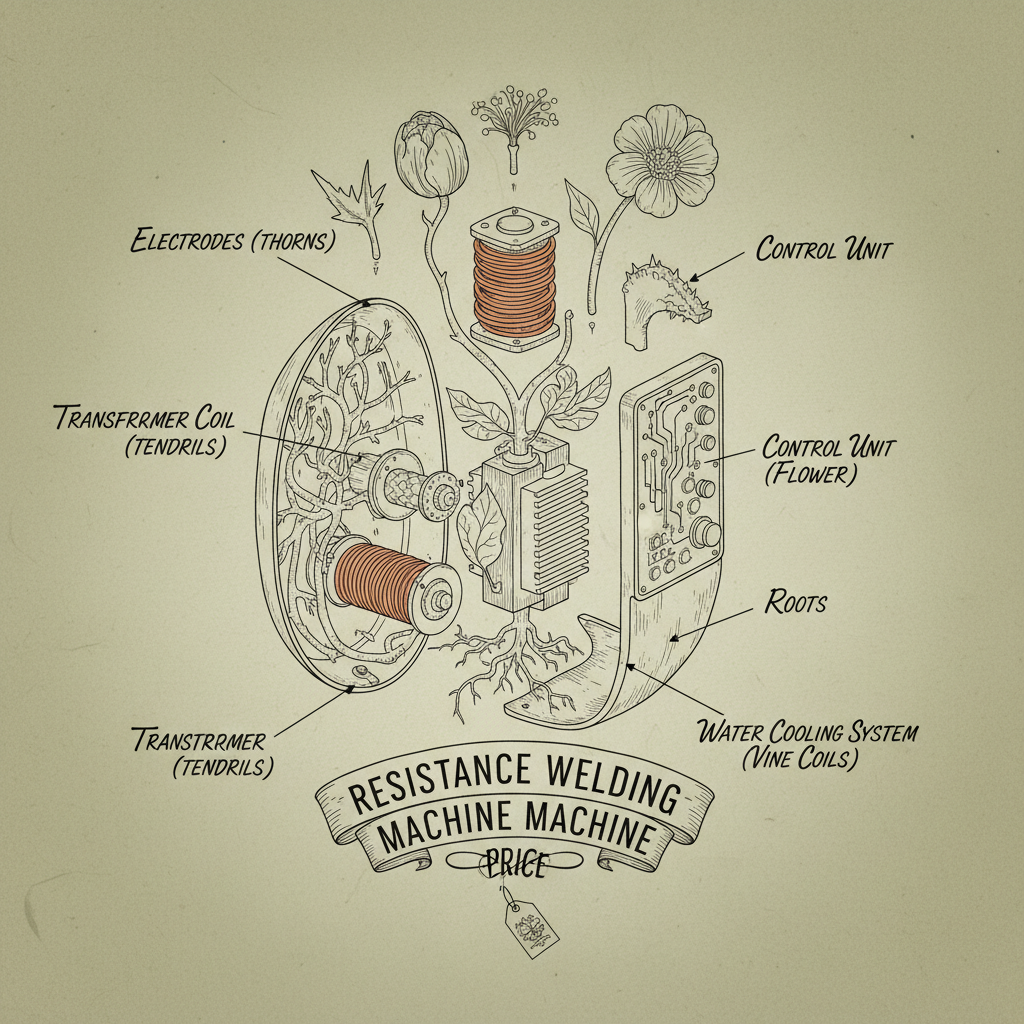
Resistance welder electrodes are critical components in a vast array of manufacturing processes, fundamentally enabling the joining of metal parts through localized heating and pressure. Their significance extends across numerous industries, from automotive and aerospace to electronics and appliance manufacturing. Properly selected and maintained resistance welder electrodes directly impact weld quality, production efficiency, and overall manufacturing costs. Understanding the nuances of these electrodes is paramount for engineers, technicians, and anyone involved in welding operations seeking to optimize their processes.
The global demand for resistance welding solutions is consistently driven by growth in manufacturing sectors worldwide, particularly in emerging economies. According to recent reports, the resistance welding market is projected to reach significant growth in the coming years, fueled by the increasing adoption of lightweight materials and the need for automated welding processes. This increasing demand underscores the importance of innovation in resistance welder electrode technology, focusing on durability, conductivity, and resistance to wear and tear.
The effectiveness of resistance welding is profoundly linked to the quality of its electrodes. A failure in electrode performance can result in poor weld integrity, increased scrap rates, and costly downtime. Consequently, a deeper understanding of resistance welder electrodes is vital to maintaining the robustness and reliability of modern industrial processes.
Introduction to Resistance Welder Electrodes
Resistance welder electrodes are the conductive interfaces facilitating the welding process. Their design and material composition play a significant role in determining the strength, quality, and longevity of the resulting welds. Selecting the appropriate electrode for a specific application involves considering factors such as the type of metal being joined, the required weld current, and the desired electrode lifespan. resistance welder electrodes selection directly impacts operational efficiency.
The importance of these electrodes often extends beyond the immediate welding task. Proper maintenance, including cleaning and re-machining, contributes to consistent weld quality and minimizes the need for premature replacement. Investing in high-quality resistance welder electrodes and implementing a robust maintenance program can yield substantial long-term cost savings and improved production outcomes.
Defining Resistance Welder Electrodes
Resistance welder electrodes are specialized tools crafted from materials possessing high electrical conductivity and mechanical strength. They serve as the current pathway and apply pressure to create a weld joint between two or more metal pieces. Unlike fusion welding processes, resistance welding relies on the heat generated by the resistance to the flow of electric current through the workpiece and the electrodes themselves.
The fundamental principle relies on Joule heating (I²R), where the electrical current (I) flowing through the resistance (R) of the materials generates heat. This localized heating melts the metal at the joint interface, and the applied pressure forges a strong, permanent bond. This process doesn't require filler metals, making it a clean and efficient joining method.
Resistance welding, therefore, represents a crucial element in modern industrial production, enabling rapid and reliable assembly in diverse sectors. The selection of suitable resistance welder electrodes is paramount to achieving desired weld properties and maintaining operational efficiency.
Core Components of Effective Electrodes
Effective resistance welder electrodes comprise several key features. First, the material is critical – typically copper alloys, possessing a balance of conductivity and strength. The geometry, including shape and size, is also vital, designed to focus current density and withstand significant pressure. Proper electrode surface preparation is essential for minimizing contact resistance and ensuring consistent current flow.
Furthermore, the electrode's cooling system is crucial, especially in high-production environments. Efficient cooling prevents overheating and extends electrode lifespan. Finally, the method of electrode retention – how the electrode is secured in the welding machine – plays a role in maintaining consistent pressure and preventing movement during the welding cycle.
The interplay of these components dictates the overall performance of the electrode, influencing weld quality, production speed, and long-term cost-effectiveness. resistance welder electrodes are designed based on a complex set of calculations and engineering considerations to ensure optimal results for specific applications.
Key Factors Influencing Electrode Performance
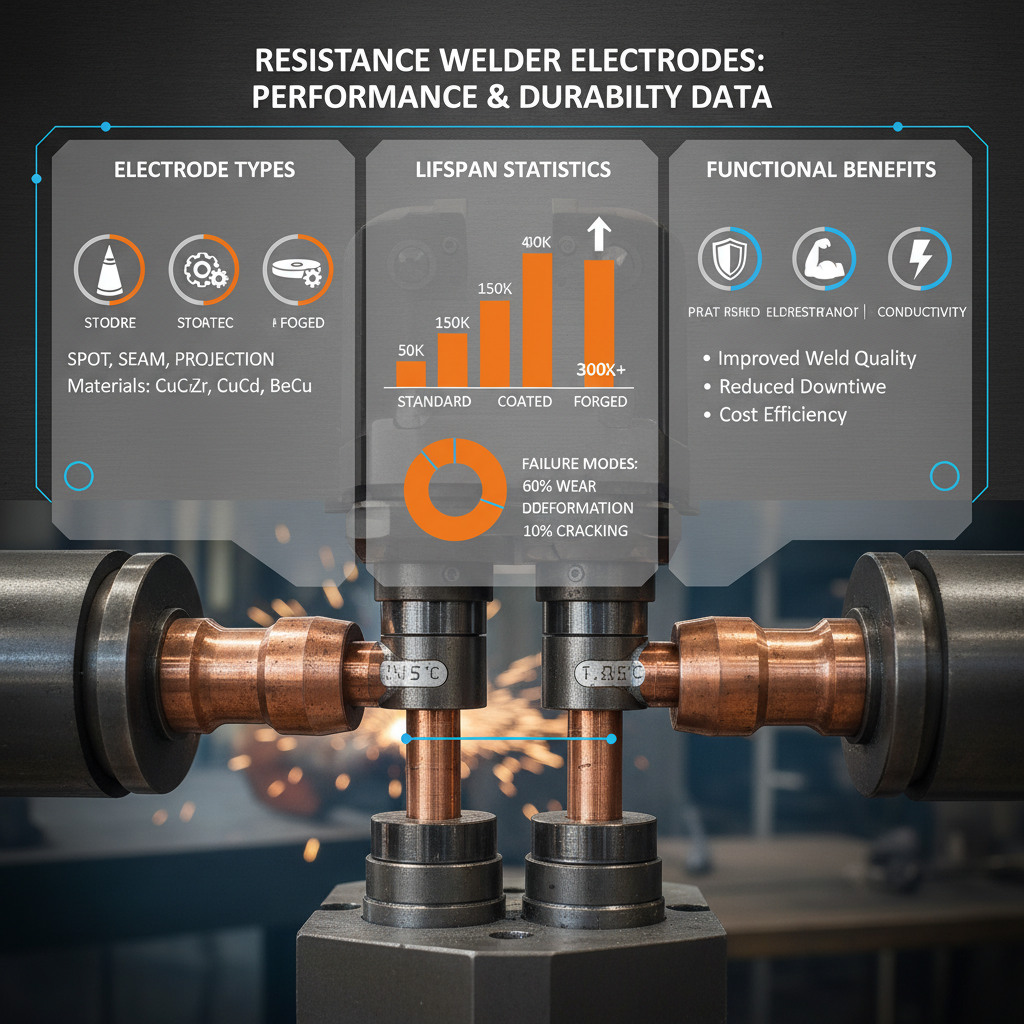
Several factors significantly influence the performance and lifespan of resistance welder electrodes. Durability is paramount, directly impacting the frequency of electrode replacement and associated downtime. A highly durable electrode can withstand repeated thermal cycling and mechanical stress without significant degradation.
Conductivity also plays a vital role. Higher conductivity minimizes heat generation within the electrode itself, improving efficiency and reducing wear. Resistance to welding spatter is another key consideration, as spatter can erode the electrode surface and compromise its performance.
Electrode Performance Comparison
Global Applications & Industry Impact
Resistance welder electrodes are integral to a diverse range of industries. The automotive sector heavily relies on them for body panel assembly, chassis construction, and exhaust system manufacturing. In the aerospace industry, these electrodes are used in the production of aircraft structures, ensuring the structural integrity of critical components.
Furthermore, the electronics industry utilizes resistance welding for joining metal housings, connectors, and other delicate components. The appliance manufacturing sector also relies on this process for assembling various household devices. Across these industries, the consistent performance of resistance welder electrodes directly translates to higher production rates and improved product quality.
Advantages and Long-Term Value
The use of resistance welder electrodes offers numerous tangible benefits. Cost efficiency is a major advantage, stemming from the process's speed, minimal material waste, and reduced need for skilled labor. Sustainability is another key benefit, as resistance welding generates minimal fumes and requires no filler metals, reducing environmental impact.
From a social impact perspective, resistance welding contributes to safer working conditions by eliminating the hazards associated with open flames and toxic fumes. Reliability is enhanced through consistent weld quality, minimizing the risk of structural failures and ensuring long-term product performance. These advantages contribute to a substantial return on investment for manufacturers.
The long-term value extends beyond immediate cost savings. The durability and consistent performance of these electrodes translate to reduced downtime, increased production capacity, and enhanced product reputation.
Future Trends and Innovations
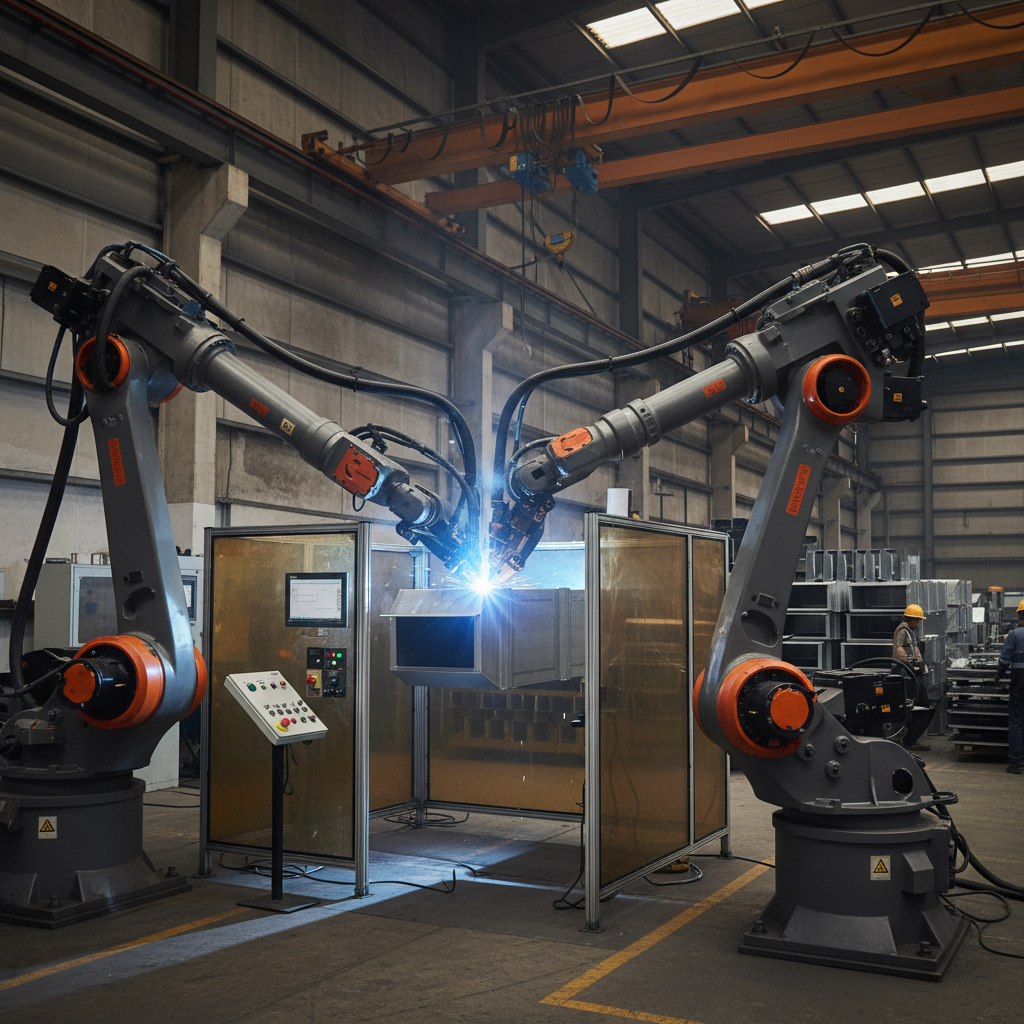
The future of resistance welder electrodes is being shaped by several key trends. Advancements in materials science are leading to the development of electrodes with improved conductivity, wear resistance, and thermal stability. Integration with automation and robotics is enabling more precise and efficient welding processes, further enhancing productivity.
The increasing focus on sustainability is driving the development of environmentally friendly electrode materials and manufacturing processes. Digitalization, including the use of sensors and data analytics, is allowing for real-time monitoring of electrode performance and predictive maintenance, minimizing downtime and optimizing weld quality.
These innovations are poised to revolutionize the resistance welding industry, paving the way for even more efficient, reliable, and sustainable manufacturing processes.
Summary of Key Electrode Attributes
| Electrode Material |
Conductivity Rating (1-10) |
Wear Resistance Score (1-10) |
Application Suitability |
| Copper Alloy A |
9 |
7 |
Low-Carbon Steel Welding |
| Copper Alloy B |
8 |
8 |
Stainless Steel Welding |
| Tungsten Alloy |
6 |
9 |
High-Strength Alloy Welding |
| Aluminum Bronze |
7 |
6 |
Galvanized Steel Welding |
| Beryllium Copper |
9.5 |
7.5 |
Precision Welding Applications |
| Chrome Zirconium Copper |
8.5 |
8.5 |
High-Volume Production Welding |
FAQS
The lifespan of resistance welder electrodes varies significantly based on the material being welded, the welding current used, and the frequency of operation. Generally, electrodes can last from a few hundred to several thousand welds before requiring re-machining or replacement. Consistent monitoring of electrode wear and regular maintenance are crucial to maximizing lifespan. The proper application and material choice dramatically impact how long resistance welder electrodes remain effective.
Resistance welder electrodes should be cleaned regularly, ideally after every shift or every 100-200 welds. Cleaning removes surface buildup, such as welding spatter and oxides, which can impede current flow and reduce weld quality. Using a dedicated electrode cleaning tool or a wire brush is recommended. Proper cleaning ensures consistent contact and optimal performance.
Premature electrode wear can stem from several factors, including excessive welding current, improper electrode geometry, poor surface preparation, and contamination. Also, welding dissimilar metals or materials with high impurity levels can accelerate wear. Regular inspection and adjustments to welding parameters can mitigate these issues.
Common materials include copper alloys (such as copper-chromium-zirconium and copper-aluminum-zirconium), tungsten alloys, and aluminum bronze. Each material offers a unique combination of conductivity, strength, and wear resistance. The best choice depends on the specific welding application and the materials being joined.
Electrode shape (e.g., button, wheel, mushroom) depends on the joint geometry and the desired weld characteristics. Button electrodes are versatile for spot welding, while wheel electrodes are suited for seam welding. Mushroom electrodes provide a larger contact area. Consulting with a welding expert is recommended to determine the optimal shape for your specific application.
Yes, many resistance welder electrodes can be re-machined to restore their original geometry and remove surface defects. Re-machining extends electrode lifespan and reduces costs. However, there's a limit to how many times an electrode can be re-machined before it becomes too small or structurally compromised.
Conclusion
In conclusion, resistance welder electrodes are essential components underpinning a vast array of industrial processes. Their performance directly impacts weld quality, production efficiency, and overall manufacturing costs. A thorough understanding of electrode materials, geometry, and maintenance practices is crucial for optimizing welding operations and achieving reliable, high-quality results.
Looking ahead, advancements in materials science, automation, and digitalization will continue to shape the future of resistance welding. Embracing these innovations will enable manufacturers to further enhance productivity, reduce costs, and improve the sustainability of their operations. For premium quality and expert guidance on resistance welder electrodes, visit our website today.
 8613931787312
  Botou Industrial Zone on the east side of National Highway 104, Botou City, Hebei Province