Laser welding machine manufacturers are at the forefront of modern industrial fabrication, offering precise, efficient, and reliable welding solutions across a diverse range of sectors. The global demand for these machines is driven by the increasing need for automation, improved product quality, and reduced manufacturing costs. Understanding the capabilities and nuances of different manufacturers is crucial for businesses seeking to optimize their welding processes.
The landscape of laser welding machine manufacturers is rapidly evolving, with continuous innovation in laser technology, automation, and software control. This growth is fueled by the expansion of industries such as automotive, aerospace, electronics, and medical device manufacturing, all of which require high-precision welding capabilities. Choosing the right manufacturer means accessing cutting-edge technology and reliable support.
Investment in advanced laser welding solutions is no longer simply a manufacturing upgrade, but a strategic imperative for companies striving for competitiveness in a global market. The ability to produce high-quality welds with speed and consistency directly translates into enhanced product performance, reduced waste, and faster time-to-market, all underpinned by the expertise of leading laser welding machine manufacturers.
The Role of Laser Welding Machine Manufacturers in Global Industry
Laser welding machine manufacturers are pivotal in supporting the growth of numerous sectors, acting as key enablers of advanced manufacturing techniques. Their innovations directly impact production efficiency, product quality, and the overall competitiveness of industries ranging from automotive and aerospace to medical and electronics. They represent a significant portion of the global advanced machinery market.
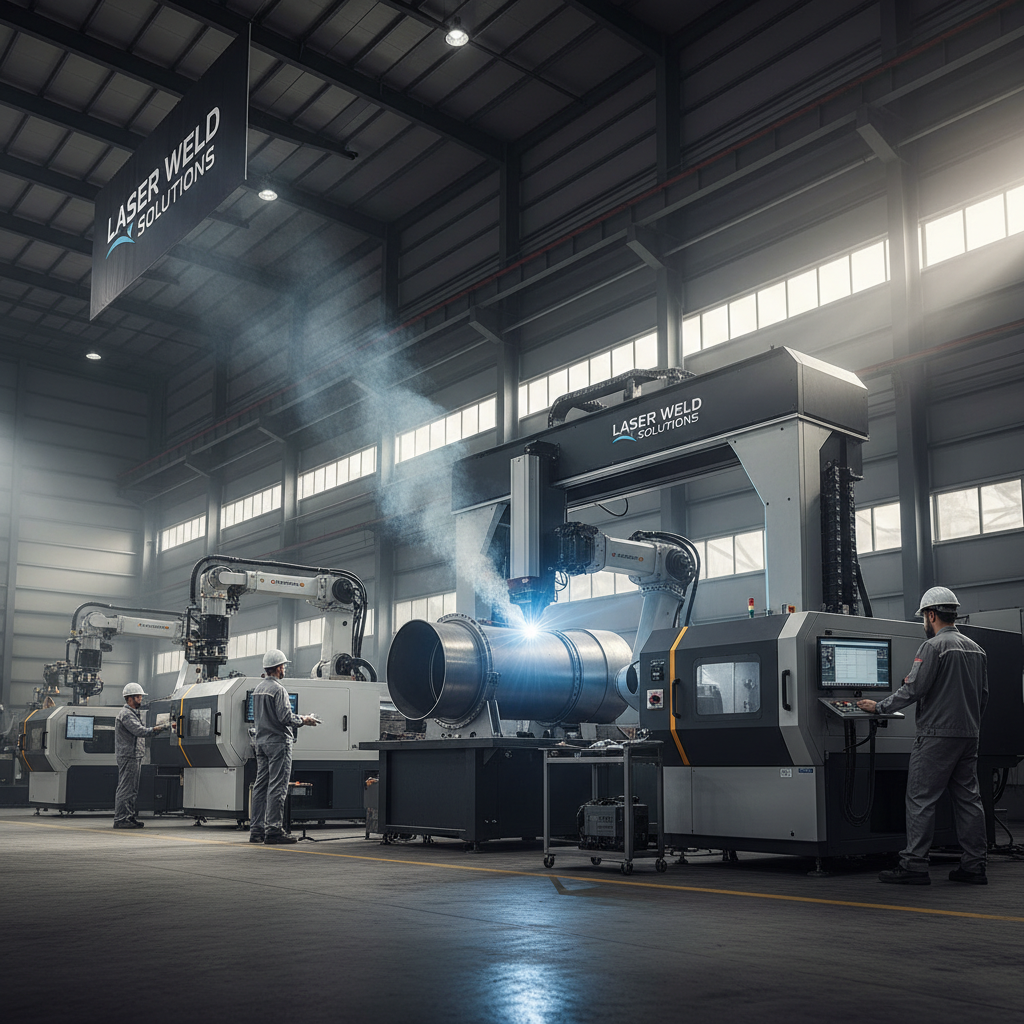
These manufacturers don't merely supply machines; they provide comprehensive solutions, including system integration, training, and ongoing support. The ongoing demand for precision and automation ensures their continued relevance and drives a continuous cycle of research, development, and improvement in laser welding technology. A key role for laser welding machine manufacturers is providing customization for specialized applications.
Defining Laser Welding Machine Manufacturers
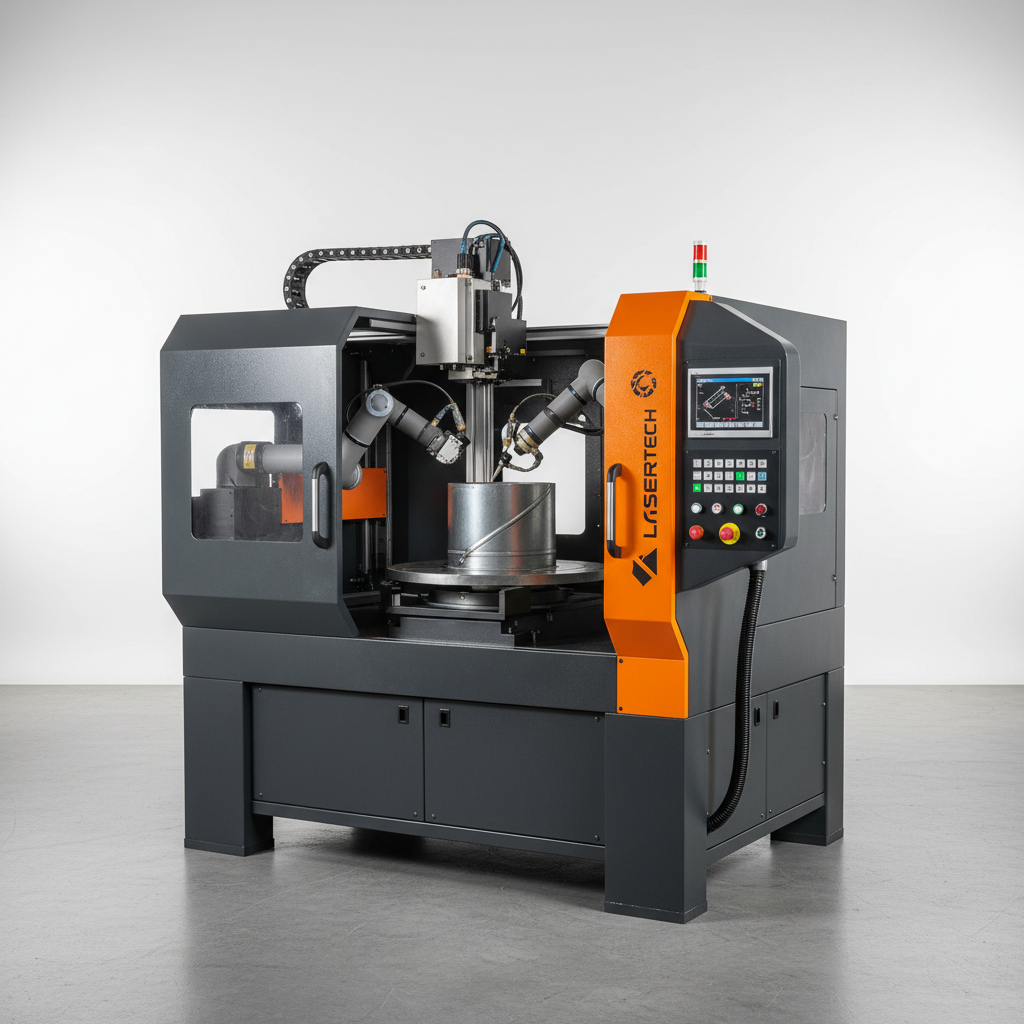
Laser welding machine manufacturers specialize in the design, development, and production of welding systems that utilize a highly focused laser beam to melt and fuse materials together. Unlike traditional welding methods, laser welding offers several advantages, including high precision, minimal heat-affected zones, and the ability to join dissimilar metals. They encompass a broad spectrum of companies, from large multinational corporations to specialized niche players.
These manufacturers cater to a wide range of industrial needs, offering machines with varying power levels, automation capabilities, and application-specific features. Their products are integral to modern manufacturing processes, contributing to the creation of durable, high-quality products in industries where precision and reliability are paramount. Their technologies are improving the quality of welds across many industries.
The core competency of a laser welding machine manufacturer lies in their expertise in laser technology, optics, motion control, and software integration. They must possess a deep understanding of materials science and welding processes to deliver effective and reliable solutions to their customers. Many manufacturers also provide custom-engineered solutions for unique applications.
Key Characteristics of Leading Manufacturers
Leading laser welding machine manufacturers distinguish themselves through several key characteristics. First is a commitment to innovation, consistently investing in research and development to push the boundaries of laser welding technology. This includes exploring new laser sources, beam delivery systems, and automation techniques.
Secondly, superior build quality and reliability are crucial. The machines need to withstand demanding industrial environments and deliver consistent performance over extended periods. This requires using high-quality components and employing rigorous quality control processes. Offering robust customer support is also a major differentiator for these companies.
Finally, a strong understanding of customer needs and the ability to provide customized solutions are essential. This involves collaborating closely with clients to identify their specific welding challenges and developing tailored systems that address those challenges effectively. laser welding machine manufacturers excel in providing such solutions.
Performance Metrics and Capabilities
Evaluating laser welding machine manufacturers requires considering a range of performance metrics. Welding speed is a key factor, particularly in high-volume production environments. Penetration depth and weld quality, assessed through visual inspection and non-destructive testing, are also critical.
Furthermore, the versatility of the machine in handling different materials and thicknesses is an important consideration. Manufacturers often specify the capabilities of their machines in terms of material compatibility (e.g., steel, aluminum, titanium) and maximum weldable thickness.
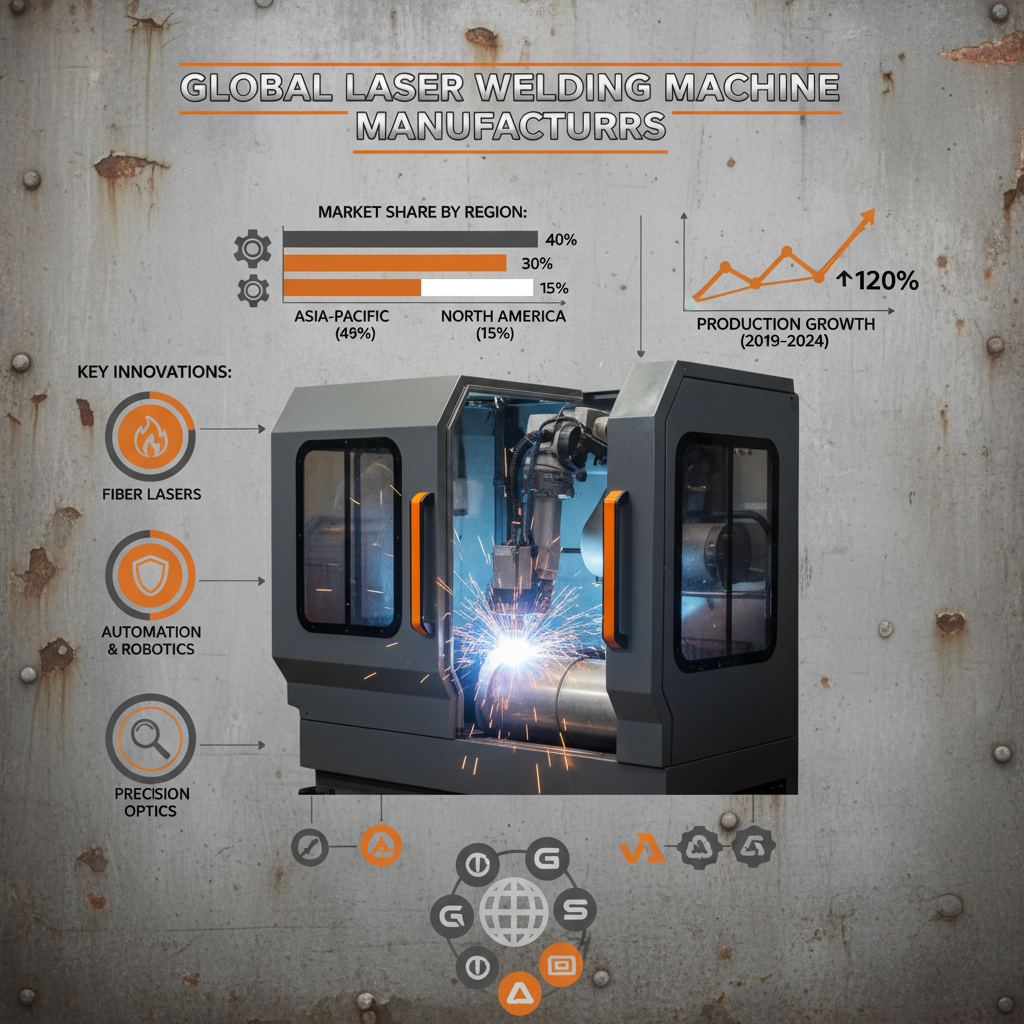
Comparative Performance of Laser Welding Machine Manufacturers
Global Applications and Industry Impact
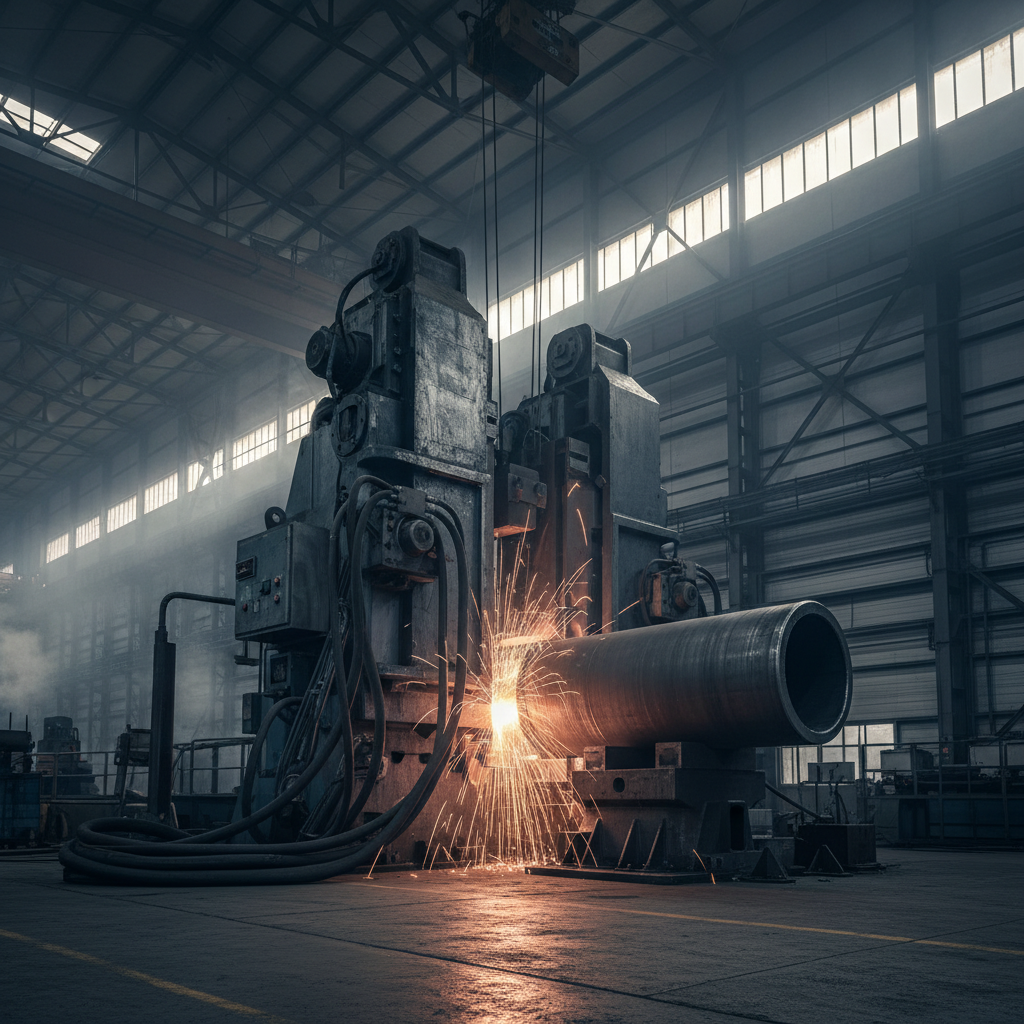
The applications of laser welding are incredibly diverse. In the automotive industry, it’s used for welding body panels, transmission components, and exhaust systems. The aerospace sector relies on laser welding for critical structural components and engine parts, where precision and strength are paramount.
The electronics industry employs laser welding for joining micro-components and creating hermetic seals in sensitive devices. Medical device manufacturing utilizes laser welding for producing implants, surgical instruments, and precision medical equipment. These diverse applications demonstrate the broad impact of laser welding machine manufacturers on global manufacturing.
Benefits and Long-Term Value Proposition
The benefits of investing in laser welding technology extend beyond immediate production gains. The precision and minimal heat input of laser welding result in reduced distortion and material waste, lowering overall costs. The ability to join dissimilar metals opens up new design possibilities and expands material choices.
Furthermore, the automation capabilities of laser welding machines increase productivity and reduce labor costs. The long-term reliability and low maintenance requirements contribute to a lower total cost of ownership. These factors combine to create a compelling value proposition for businesses seeking to enhance their manufacturing processes.
Future Trends and Innovation in Manufacturing
The future of laser welding machine manufacturers lies in continued innovation and adaptation to emerging industry needs. We are seeing a growing trend towards intelligent welding systems that incorporate machine learning and artificial intelligence to optimize welding parameters in real-time. This leads to improved weld quality, reduced defects, and increased efficiency.
Another key trend is the development of more powerful and versatile laser sources, such as fiber lasers and disc lasers. These lasers offer improved beam quality, higher welding speeds, and greater flexibility in terms of material compatibility. Sustainability is also a growing concern, driving manufacturers to develop more energy-efficient and environmentally friendly welding solutions.
The integration of laser welding with other advanced manufacturing technologies, such as 3D printing and robotics, is also expected to play a significant role in shaping the future of the industry. The convergence of these technologies will enable the creation of highly automated and flexible manufacturing processes.
Summary of Key Trends in Laser Welding Machine Manufacturing
| Trend Category |
Description |
Impact on Manufacturers |
Expected Timeline |
| AI-Powered Optimization |
Real-time adjustment of welding parameters using machine learning. |
Requires investment in software development and data analytics. |
2-5 years |
| Advanced Laser Sources |
Adoption of fiber and disc lasers for enhanced performance. |
Increased R&D costs but potential for higher productivity. |
1-3 years |
| Sustainability Initiatives |
Development of energy-efficient welding systems and processes. |
Enhances brand reputation and reduces operating costs. |
Ongoing |
| Robotic Integration |
Seamless integration of laser welding machines with robotic arms. |
Requires expertise in robotics and automation. |
3-5 years |
| Remote Monitoring & Diagnostics |
Utilizing IoT sensors for remote machine health monitoring. |
Improved preventative maintenance and reduced downtime. |
2-3 years |
| Additive Manufacturing Integration |
Combining laser welding with 3D printing for hybrid manufacturing. |
Opens up new possibilities for complex part creation. |
5+ years |
FAQS
When choosing a laser welding machine manufacturer, assess their experience, reputation, technology portfolio, and after-sales support. Consider your specific application requirements – materials, thickness, welding speed – and ensure the manufacturer can provide a solution tailored to your needs. Investigate their commitment to innovation and their ability to provide ongoing training and maintenance. A reliable laser welding machine manufacturers offers more than just equipment.
Laser welding can effectively join a wide range of materials, including various steels (carbon, stainless, alloy), aluminum alloys, titanium, nickel alloys, copper, and even dissimilar metal combinations. The specific laser parameters need to be optimized based on the material properties and desired weld characteristics. Some manufacturers specialize in welding specific materials, so choose accordingly.
Fiber lasers generally offer higher beam quality, faster welding speeds, and better absorption in many materials, especially metals. CO2 lasers are more versatile for non-metal materials but often have lower efficiency and require more maintenance. Fiber lasers are increasingly becoming the preferred choice for many industrial applications, but CO2 lasers still have a niche in specific sectors.
The level of training depends on the complexity of the machine and the operator’s prior experience. Basic operation typically requires a few days of training covering safety procedures, machine setup, parameter optimization, and troubleshooting. More advanced applications, such as programming and maintenance, may require more extensive training programs offered by the laser welding machine manufacturers.
Laser welding machines generate intense light and heat. Essential safety precautions include wearing appropriate laser safety glasses, ensuring proper ventilation, implementing interlock systems to prevent accidental exposure, and following the manufacturer’s safety guidelines. Regular maintenance and inspection of safety equipment are crucial to prevent accidents.
The ROI varies depending on factors like machine cost, application, production volume, and labor savings. However, laser welding typically offers a relatively quick ROI due to increased welding speed, reduced material waste, improved weld quality, and lower operating costs. Many companies see a full return on investment within 1-3 years.
Conclusion
In conclusion, laser welding machine manufacturers are vital partners in driving innovation and efficiency across a multitude of industries. Their continued development of advanced technologies, coupled with a commitment to customer support and safety, is essential for meeting the evolving demands of modern manufacturing. The precision, speed, and reliability offered by laser welding contribute significantly to product quality and cost reduction.
Looking ahead, the integration of AI, automation, and sustainable practices will further enhance the capabilities and value proposition of laser welding solutions. Companies that embrace these advancements and partner with leading laser welding machine manufacturers will be well-positioned to thrive in a competitive global market. Visit our website at www.xdrmachinery.com to learn more.
 8613931787312
  Botou Industrial Zone on the east side of National Highway 104, Botou City, Hebei Province