-
 8613931787312
 -
 Botou Industrial Zone on the east side of National Highway 104, Botou City, Hebei Province


Spring Plate Bending Machine: A Guide for B2B Buyers
Understanding the Value of a Spring Plate Bending Machine
Spring Plate Bending Machine technology is, frankly, a bit of a hidden workhorse in a lot of industries. It’s not always the glamorous part of manufacturing, but when you need precision forming of metal – especially those tricky spring plates – it's absolutely essential. You know, those seemingly simple components that end up in everything from automotive suspensions to electrical connectors. I’ve spent a good chunk of my career observing how these machines have evolved, and the leaps in efficiency and accuracy over the last decade are really something.
Table of Contents
- Spring Plate Bending Machine Overview
- Benefits & Use Cases
- Cost, Maintenance & User Experience
- Sustainability & Market Trends
Spring Plate Bending Machine Overview
Essentially, a spring plate bending machine utilizes a combination of controlled force and precisely shaped tooling to form flat metal sheets into curved or angled shapes. It’s more sophisticated than just manually bending metal, of course. We’re talking about CNC controls, servo motors, and feedback systems that ensure repeatability and accuracy. Many engineers I’ve spoken with emphasize the importance of the machine’s rigidity. The frame has to be robust to withstand the forces involved, otherwise you’ll get inconsistencies. Here's a quick look at some key specs:
| Specification | Value | Notes |
|---|---|---|
| Max. Bending Force | 100-500 tons | Dependent on model |
| Max. Plate Thickness | Up to 12mm | Material dependent |
| Control System | CNC | User-friendly interface |
Benefits & Use Cases
Where are these machines showing up? Everywhere, honestly. Automotive is huge – think suspension components, seat frames, structural elements. Electrical engineering relies on them for connectors, housings, and shielding. And you’ll find them in appliance manufacturing, furniture production, even aerospace (though the tolerances are much tighter there). The key benefit is the ability to create complex shapes consistently and efficiently. It’s a lot faster and more accurate than manual bending, which minimizes waste and reduces the need for secondary operations. I recently spoke to a plant manager at a small automotive supplier; they were able to reduce scrap by almost 15% after upgrading their bending machine.
Cost, Maintenance & User Experience
Okay, the big question: cost. A decent spring plate bending machine isn’t cheap – expect to pay anywhere from $50,000 to $200,000+ depending on capacity and features. But consider the total cost of ownership. Reduced scrap, increased throughput, and lower labor costs can quickly offset the initial investment. Maintenance is generally straightforward – regular lubrication, inspection of hydraulic lines, and software updates. Many modern machines have built-in diagnostics to help identify potential issues early. Here’s how some vendors stack up:
| Vendor | Price Range | Support | Features |
|---|---|---|---|
| XDR Machinery | $60,000 - $150,000 | Excellent | CNC, Auto-lubrication |
| Acme Forming | $75,000 - $200,000+ | Good | Advanced sensors |
| Beta Machines | $50,000 - $120,000 | Average | Basic CNC functions |
Sustainability & Market Trends
Oddly enough, sustainability is becoming a bigger factor. The push for lighter-weight materials, like high-strength steels and aluminum alloys, is driving demand for more precise bending machines. These machines can handle those materials efficiently, minimizing waste. There's also increasing interest in automation and integration with other manufacturing systems, which sort of ties into the broader Industry 4.0 trend. The market is steady, I suppose, with continued growth expected in emerging economies. Regulations around energy efficiency and waste reduction are also pushing manufacturers to invest in newer, more efficient equipment.
Frequently Asked Questions about Spring Plate Bending Machine
- What is Spring Plate Bending Machine and how does it work?
- A Spring Plate Bending Machine uses controlled force and tooling to accurately bend metal sheets into various shapes. It utilizes CNC controls for precise and repeatable results, ensuring consistent quality in production.
- What are the main benefits of using Spring Plate Bending Machine in industrial applications?
- The primary advantages include increased precision, higher production speeds, reduced material waste, and lower labor costs. These machines can handle a wide range of materials and thicknesses, making them versatile for various applications.
- How does Spring Plate Bending Machine compare to traditional alternatives?
- Compared to manual bending or older machines, Spring Plate Bending Machines offer significantly improved accuracy, repeatability, and efficiency. CNC control allows for complex geometries and reduces the need for skilled labor and post-processing operations.
- What industries can benefit most from Spring Plate Bending Machine implementation?
- Industries such as automotive, aerospace, electrical engineering, appliance manufacturing, and furniture production greatly benefit from the precision and efficiency of Spring Plate Bending Machines.
Conclusion
Ultimately, a Spring Plate Bending Machine isn’t just a piece of equipment; it’s an investment in efficiency, quality, and long-term productivity. Choosing the right machine, and a reliable partner like XDR Machinery, can make all the difference. Visit our website: https://www.xdrmachinery.com
- Precision matters – don't cut corners.
-
Guide to Spartan Steel Bending Machine Price and Cost FactorsNewsApr.16,2026
-
Analyzing the Spartan Bending Machine Price and Buyer GuideNewsApr.09,2026
-
Understanding Small Bending Machine Price and Choosing the Right OptionNewsApr.07,2026
-
Comprehensive Guide to Sheet Metal Bending Machine Price and SelectionNewsApr.04,2026
-
Comprehensive Guide to Roofing Sheet Bending Machine Price and SelectionNewsMar.31,2026
-
Comprehensive Guide to Profile Bending Machine Price and SelectionNewsMar.28,2026
-
Comprehensive Guide to Press Bending Machine Price and Purchasing ConsiderationsNewsMar.26,2026
-
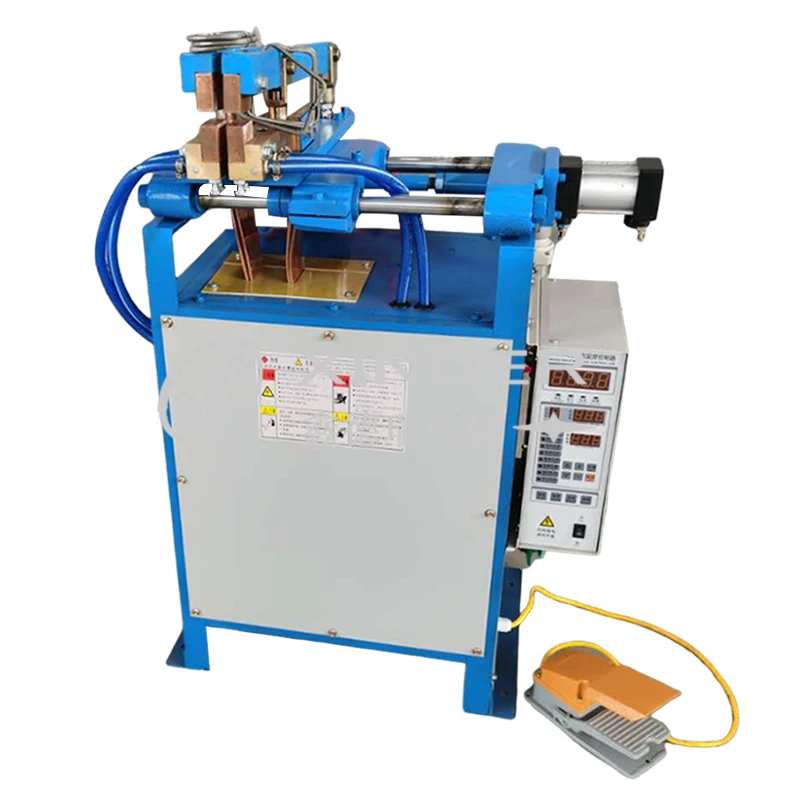 Pneumatic Handle Welding MachineSep . 13, 2024
 -
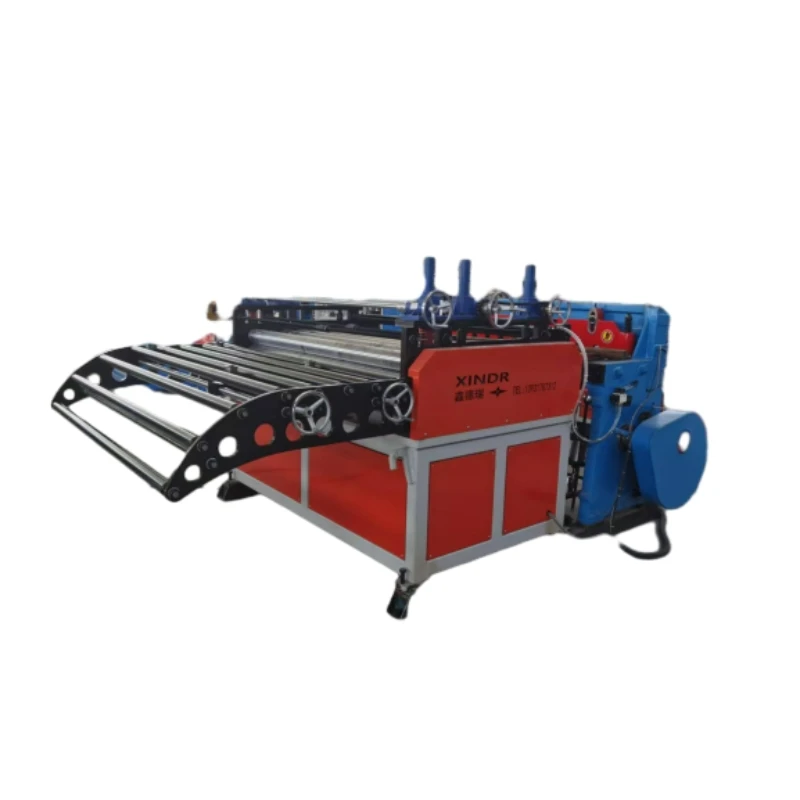 Fully Automatic Kaiping Production LineOct . 17, 2024
 -
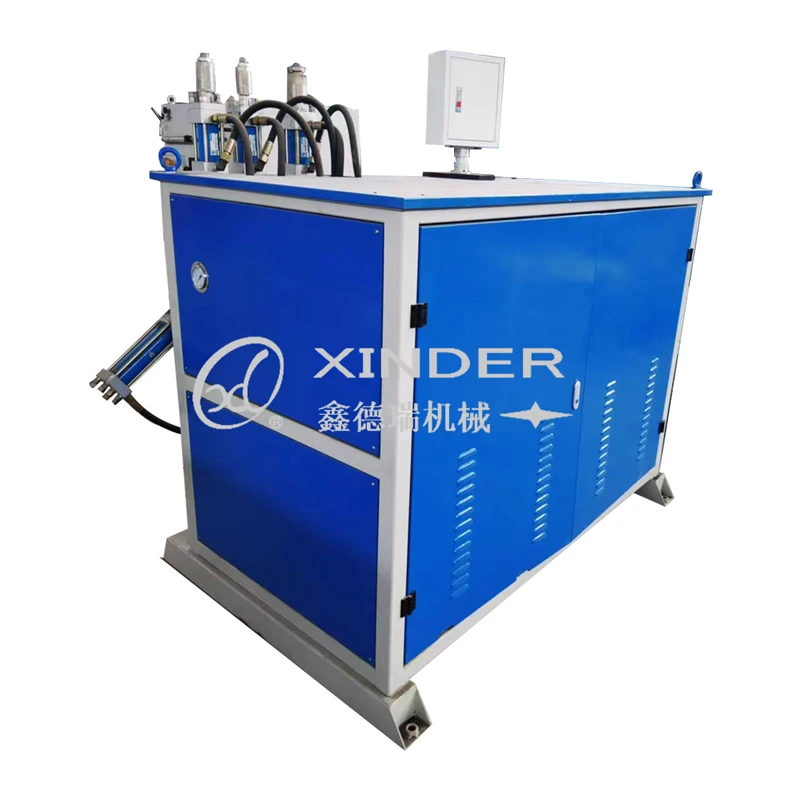 Fully Automatic Metal Bucket Lifting HeadphonesSep . 14, 2024