-
 8613931787312
 -
 Botou Industrial Zone on the east side of National Highway 104, Botou City, Hebei Province


Comprehensive Guide to Stainless Steel Bending Machines for Global Markets
SS Bending Machine: A Comprehensive Guide for Global Trade
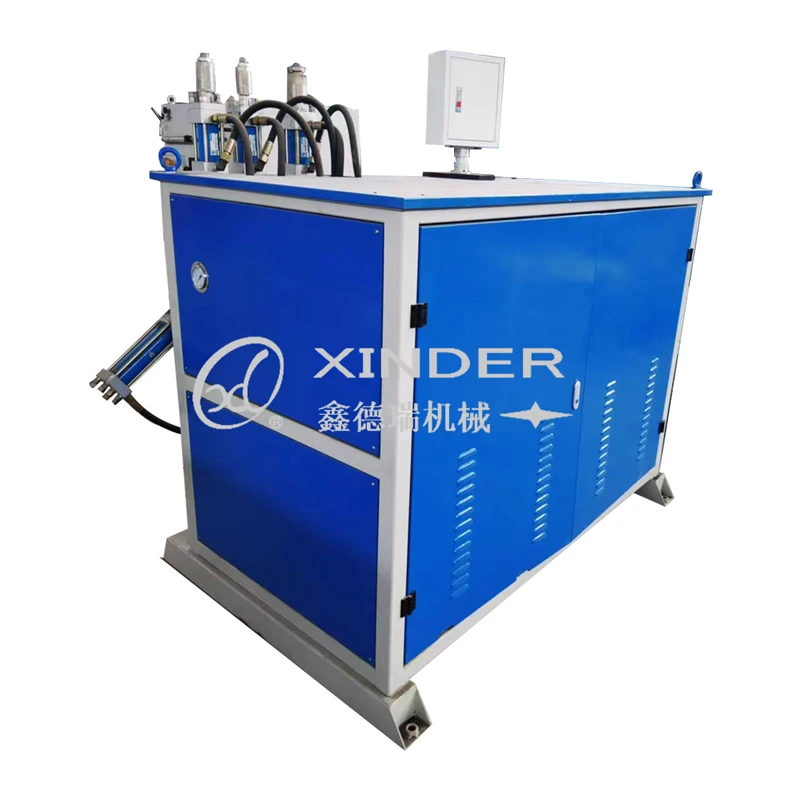
The SS bending machine is a crucial piece of equipment for businesses involved in stainless steel fabrication, serving a wide range of industries from construction to automotive. This article delves into the features, applications, and benefits of these machines, with a focus on considerations for international buyers. Whether you are importing or exporting, understanding the nuances of these machines is key to a successful operation. Choosing the right SS bending machine can significantly enhance productivity and profitability.
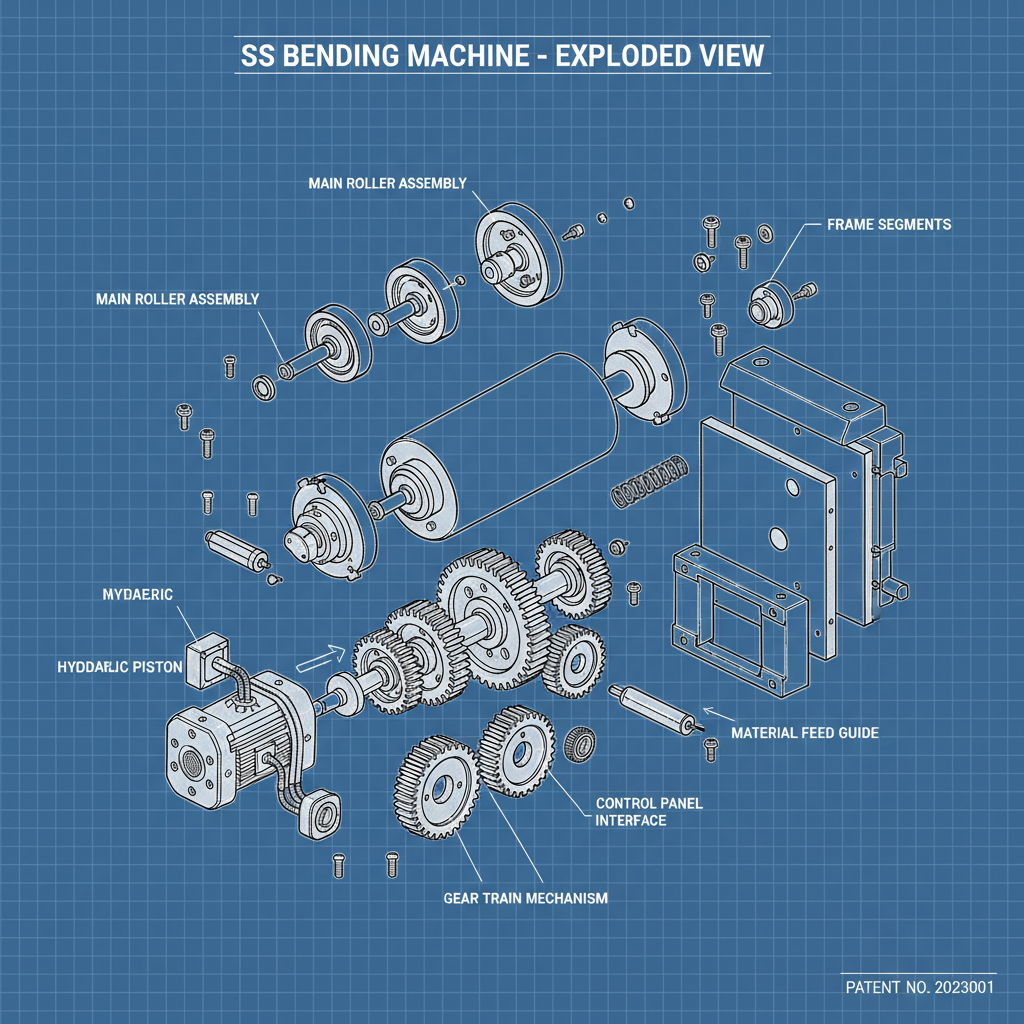
Understanding the Core Functionality of SS Bending Machines
At its core, an SS bending machine is designed to precisely and efficiently bend stainless steel sheets, tubes, and profiles into desired shapes. These machines utilize a variety of techniques, including rotary draw bending, compression bending, and roll bending, each suited for different applications and materials. The precision offered by these machines is particularly vital when working with stainless steel, as the material can be prone to cracking or distortion if not handled correctly. Factors like the thickness of the steel, the bending radius, and the machine’s capabilities all play a crucial role in achieving a quality bend. XDR Machinery offers a wide array of SS bending machines to meet diverse needs.
Key Benefit: Precise and efficient bending of stainless steel, minimizing material waste and maximizing production output.
Types of SS Bending Machines: A Detailed Overview
Different applications require different types of SS bending machines. Here’s a breakdown of the most common types:
- Rotary Draw Bending: Ideal for creating smooth, accurate bends in tubes and pipes.
- Compression Bending: Suitable for smaller radius bends and heavier materials.
- Roll Bending: Best for creating large radius curves in sheets and plates.
- Press Brake Bending: Used for bending sheets and plates with varying thicknesses.
Selecting the correct machine is dependent on the shape and size of the stainless steel you intend to bend, as well as the volume of production you anticipate.
Choosing the Right Machine:
• Consider the material thickness and type.
• Determine the required bending radius.
• Assess your production volume.
• Evaluate the level of automation needed.
SS Bending Machine vs. Traditional Bending Methods
Compared to traditional bending methods like manual hammering or using basic bending tools, SS bending machines offer significant advantages. They deliver increased precision, repeatability, and speed. Manual bending often leads to inconsistencies and can be physically demanding. Machines minimize material waste and reduce the risk of human error, resulting in higher-quality products and lower production costs. XDR Machinery’s machines are engineered for efficiency and reliability.
Applications Across Industries
SS bending machines are integral to a diverse array of industries. These include:
- Construction: Fabricating stainless steel railings, handrails, and structural components.
- Automotive: Creating exhaust systems, chassis components, and decorative trim.
- Food & Beverage: Producing hygienic piping systems, tanks, and processing equipment.
- Pharmaceutical: Manufacturing stainless steel components for sterile environments.
- Art & Design: Creating sculptures, furniture, and architectural features.
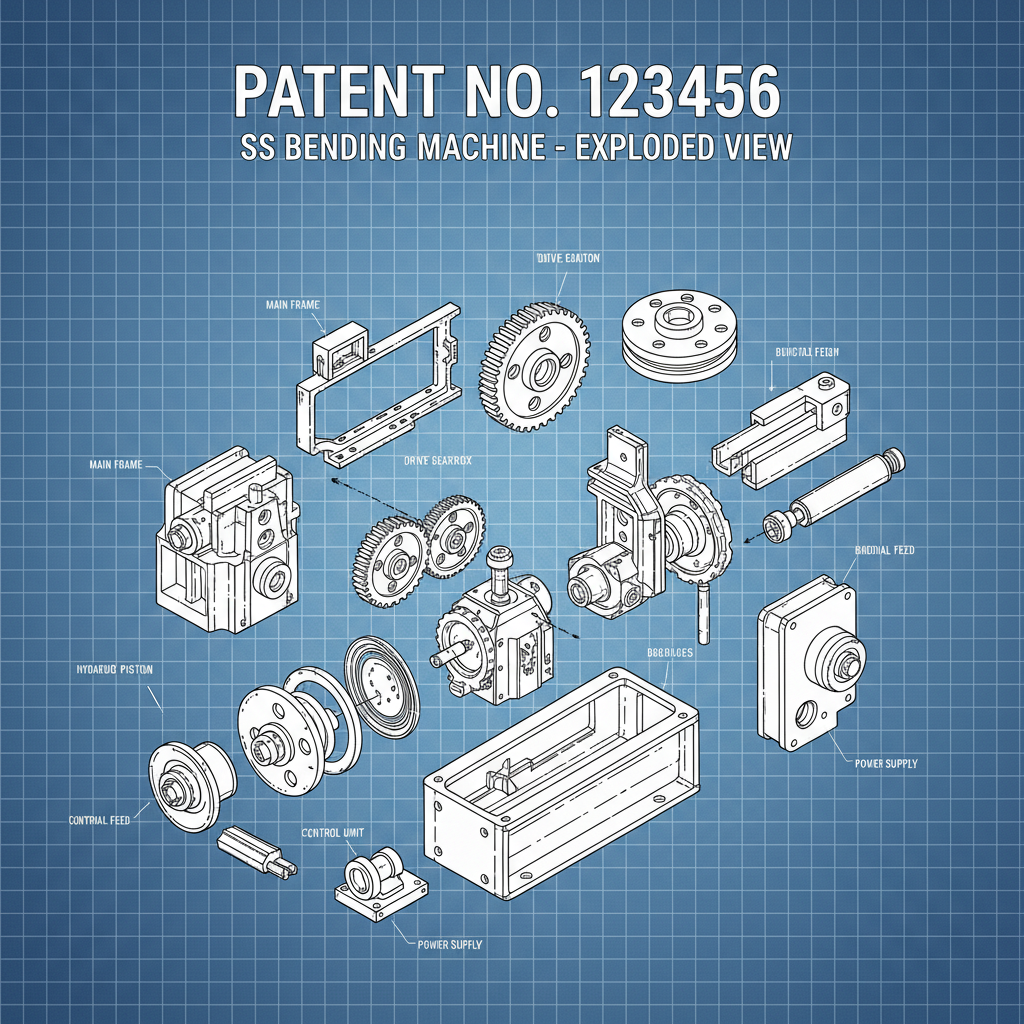
Key Specifications to Consider When Purchasing
When selecting an SS bending machine, consider the following specifications:
Conclusion: Investing in a Quality SS Bending Machine
Investing in a high-quality SS bending machine is a strategic move for businesses operating in stainless steel fabrication. It boosts efficiency, improves product quality, and reduces production costs. XDR Machinery offers a range of solutions designed to meet diverse needs and ensure a solid return on investment.
Frequently Asked Questions (FAQs)
What is the typical lead time for an SS bending machine order?
Lead times vary depending on the machine’s complexity and current production schedule. Generally, standard machines have a lead time of 4-8 weeks, while customized machines may take 8-12 weeks or longer. It's always best to confirm the current lead time with XDR Machinery’s sales team when placing your order. Factors such as international shipping and customs clearance can also affect the overall delivery time.
What kind of after-sales support does XDR Machinery offer?
XDR Machinery provides comprehensive after-sales support, including installation guidance, operator training, spare parts availability, and technical assistance. They offer remote troubleshooting and can dispatch technicians for on-site repairs if necessary. A detailed user manual and troubleshooting guide are included with each machine.
What are the import/export considerations for an SS bending machine?
Import and export regulations vary by country. Buyers are responsible for understanding and complying with local customs regulations, including tariffs, import duties, and documentation requirements. XDR Machinery can provide assistance with export documentation, but buyers should consult with a customs broker or freight forwarder for specific guidance.
-
Guide to Spartan Steel Bending Machine Price and Cost FactorsNewsApr.16,2026
-
Analyzing the Spartan Bending Machine Price and Buyer GuideNewsApr.09,2026
-
Understanding Small Bending Machine Price and Choosing the Right OptionNewsApr.07,2026
-
Comprehensive Guide to Sheet Metal Bending Machine Price and SelectionNewsApr.04,2026
-
Comprehensive Guide to Roofing Sheet Bending Machine Price and SelectionNewsMar.31,2026
-
Comprehensive Guide to Profile Bending Machine Price and SelectionNewsMar.28,2026
-
Comprehensive Guide to Press Bending Machine Price and Purchasing ConsiderationsNewsMar.26,2026
-
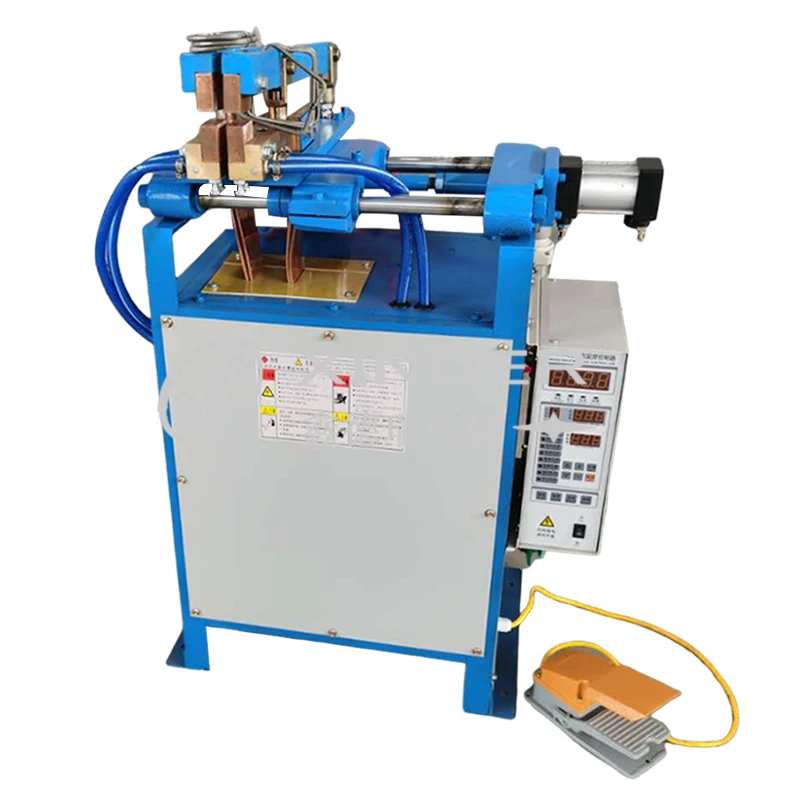 Pneumatic Handle Welding MachineSep . 13, 2024
 -
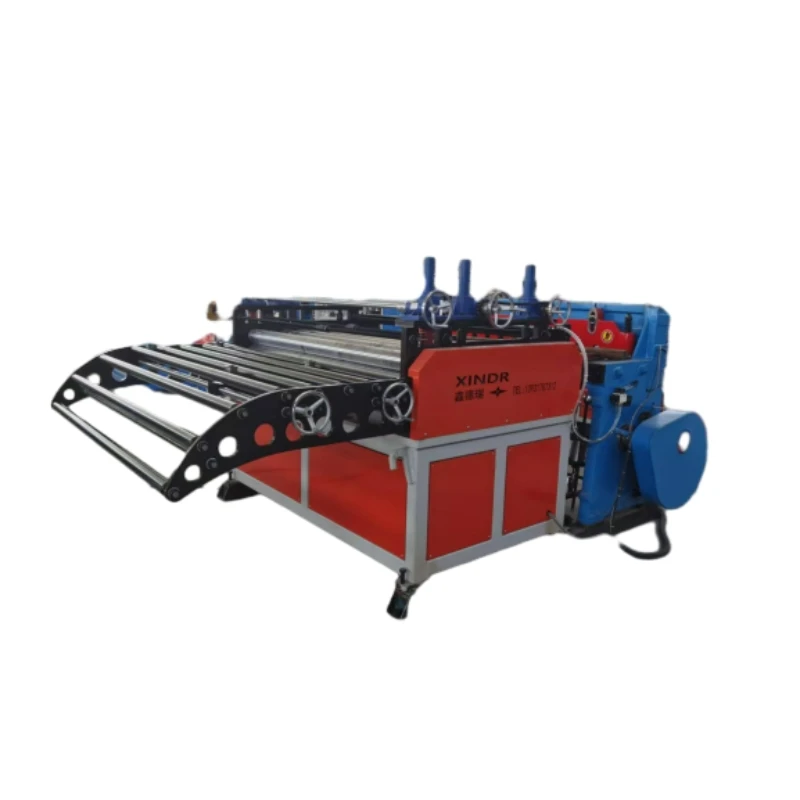 Fully Automatic Kaiping Production LineOct . 17, 2024
 -
 Fully Automatic Metal Bucket Lifting HeadphonesSep . 14, 2024