-
 8613931787312
 -
 Botou Industrial Zone on the east side of National Highway 104, Botou City, Hebei Province


Jan . 24, 2026 17:55
Back to list
Spring Patti Bending Machines: A Buyer's Guide
Understanding Spring Patti Bending Machines: A Practical Guide
You know, I’ve spent a good chunk of my career around metal fabrication, and there's a certain elegance to a well-designed bending machine. It's not flashy, but it's fundamental to so much of what we build. Lately, there’s been a real push for more precise, repeatable bending, particularly in industries like automotive and appliance manufacturing. Folks need tight tolerances and consistent quality, and that's where machines like the spring patti bender really shine. Frankly, a lot of shops are upgrading from older hydraulic models; the electromechanical systems are just offering more control and, honestly, less mess. It’s a move towards smarter, more efficient production, I suppose.Key Features & Specifications
The core of a spring patti bender lies in its ability to precisely control the bending process. It’s not just about applying force; it's about how that force is applied. We're talking about sophisticated servo-motor controls, integrated sensors, and robust frame construction. I've noticed a trend toward machines built with heavier-gauge steel – it reduces deflection and improves accuracy over the long haul. And the software… the software is key. Modern machines often feature offline programming capabilities, allowing for quick setup changes and complex bend sequences. Here’s a breakdown of typical specs:| Parameter | Value | Description |
|---|---|---|
| Bending Capacity | Up to 10mm thick steel | Material dependent |
| Bending Angle | 0-180 degrees | Programmable accuracy |
| Control System | CNC with touchscreen interface | Offline programming available |
| Power Requirements | 400V, 3-phase | May vary by model |
Vendor Landscape & Choosing the Right Machine
Okay, so you’re in the market. There are a few key players. XDR Machinery (https://www.xdrmachinery.com) is, of course, a strong contender—their machines are known for their build quality and responsiveness to customer needs. I've worked with their equipment before. There’s also Eurobend, who focuses on high-volume production, and AMADA, a long-established name in the industry. Oddly enough, the best fit really depends on your specific requirements. Are you doing short runs of complex parts, or long runs of simpler bends? This affects everything from the control system you need to the level of automation.| Vendor | Strengths | Weaknesses | Typical Price Range |
|---|---|---|---|
| XDR Machinery | Build Quality, Customer Support | Can be pricier | $30,000 - $70,000+ |
| Eurobend | High-Volume Production, Automation | Less flexible for small runs | $50,000 - $100,000+ |
| AMADA | Established Reputation, Wide Range | Can be complex to operate | $40,000 - $80,000+ |
Final Thoughts
At the end of the day, a spring patti bending machine is an investment. A good machine, properly maintained, will pay for itself many times over in increased efficiency and product quality… it’s about finding the right fit.Latest News
-
Analyzing the Spartan Bending Machine Price and Buyer GuideNewsApr.09,2026
-
Understanding Small Bending Machine Price and Choosing the Right OptionNewsApr.07,2026
-
Comprehensive Guide to Sheet Metal Bending Machine Price and SelectionNewsApr.04,2026
-
Comprehensive Guide to Roofing Sheet Bending Machine Price and SelectionNewsMar.31,2026
-
Comprehensive Guide to Profile Bending Machine Price and SelectionNewsMar.28,2026
-
Comprehensive Guide to Press Bending Machine Price and Purchasing ConsiderationsNewsMar.26,2026
-
Comprehensive Guide to Plate Bending Machine Price and Optimal SelectionNewsMar.24,2026
related products
-
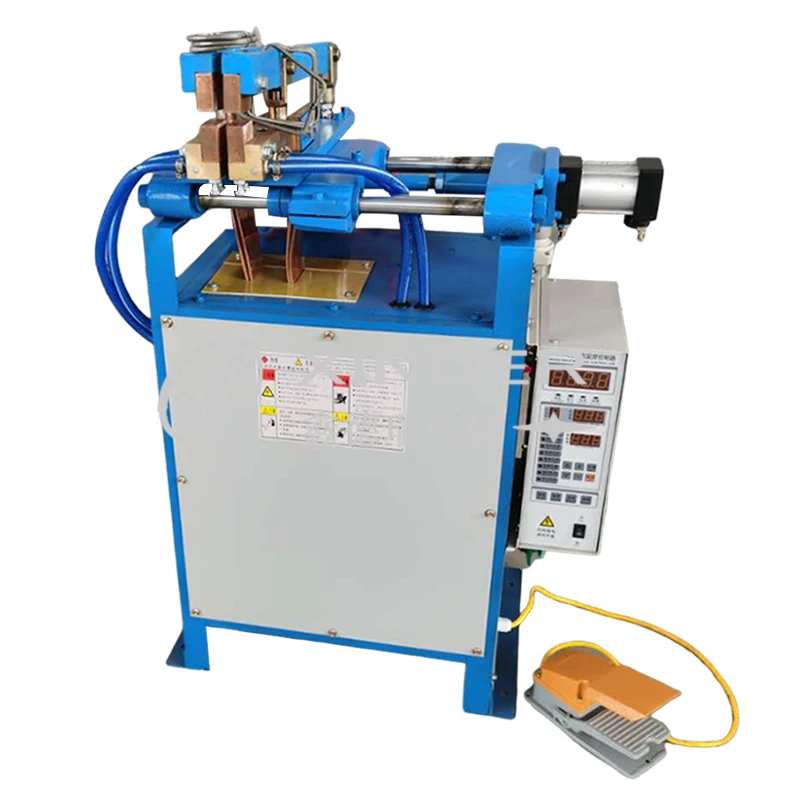 Pneumatic Handle Welding MachineSep . 13, 2024
 -
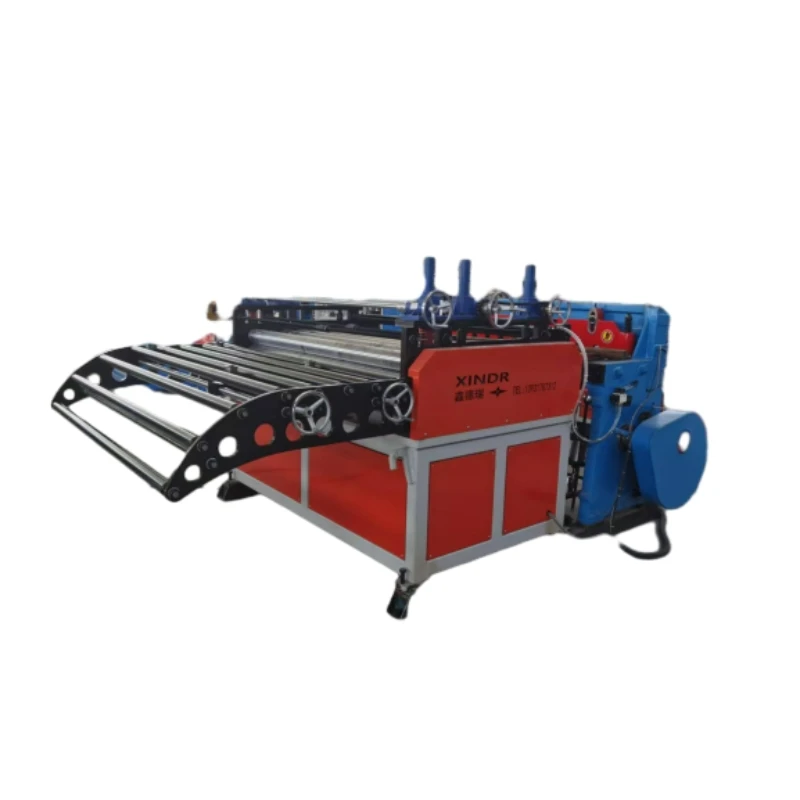 Fully Automatic Kaiping Production LineOct . 17, 2024
 -
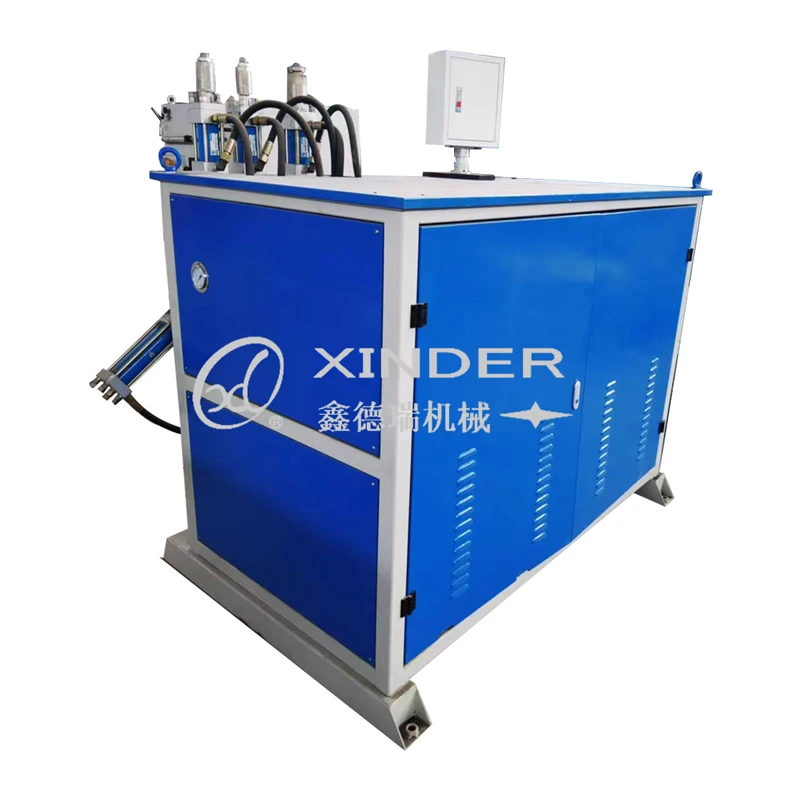 Fully Automatic Metal Bucket Lifting HeadphonesSep . 14, 2024