-
 8613931787312
 -
 Botou Industrial Zone on the east side of National Highway 104, Botou City, Hebei Province


Understanding Can Welding Machines: Essential Tools for Metal Packaging
In the manufacturing world, packaging plays a crucial role in preserving products and ensuring their safe transport. Among various packaging types, metal cans are widely used for food, beverages, chemicals, and other products due to their durability and excellent sealing properties. A vital piece of equipment in this industry is the can welding machine, also known as a can welder or tin can welding machine. This article will explore what these machines are, how they work, and their applications across industries.
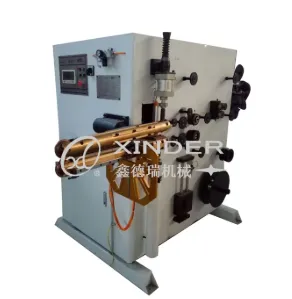
What Is a Can Welding Machine and How Does It Work?
A can welding machine is a specialized device designed to join metal cans' components securely, typically the can body and lid, through welding techniques. This process ensures airtight sealing, preventing contamination and preserving the contents.
Types of Can Welding Machines
The term can welder generally refers to machines used in the welding or sealing of metal cans. These machines vary depending on the welding method:
Resistance Welding: The most common method where heat generated by electrical resistance fuses metal parts together.
Laser Welding: A high-precision technique that uses focused laser beams for welding thin metal sheets without deforming the can.
Ultrasonic Welding: Uses high-frequency ultrasonic vibrations to bond metal parts, often used for delicate or thin tin cans.
Components and Operation
A typical tin can welding machine consists of the following parts:
Welding Head: Applies pressure and electrical current or energy source.
Conveyor System: Transports cans into the welding station.
Control System: Manages welding parameters such as current, pressure, and time.
Cooling System: Prevents overheating of the weld area.
During operation, the can body is placed under the welding head along with the lid or end, and welding parameters are activated to fuse the parts together. The result is a strong, leak-proof joint that meets packaging standards.
Applications of Can Welders in Various Industries
The can welding machine is indispensable in many industries due to the widespread use of metal cans. Here are some notable sectors that rely heavily on this equipment:
Food and Beverage Industry
The food and beverage sector is the largest consumer of tin can welding machines. Cans provide excellent protection from oxygen and light, preserving food quality and shelf life. For example, soda cans, canned vegetables, soups, and pet foods require airtight sealing that can welders provide. The welding process also supports high-speed production lines, essential for meeting massive consumer demands.
Chemical and Pharmaceutical Industries
In chemicals and pharmaceuticals, safety and contamination prevention are paramount. The can welder ensures secure sealing of hazardous materials or sensitive pharmaceuticals, maintaining product integrity during storage and transportation. Metal cans are preferred for their chemical resistance and durability, and welding machines guarantee consistent sealing quality.
Automotive and Industrial Applications
Some automotive fluids, paints, and lubricants are packaged in metal cans to protect them from external elements. Can welding machines are employed to seal these containers reliably, preventing leaks that could cause environmental hazards or product waste. Similarly, industrial lubricants and specialty chemicals benefit from the robust sealing that tin can welding machines offer.
Advantages and Considerations of Using Tin Can Welding Machines
Investing in a high-quality tin can welding machine offers several benefits, but manufacturers should also consider some challenges.
Advantages
High Efficiency and Speed: Automated can welders integrate easily into production lines, allowing fast processing and increased output.
Consistent Quality: Welding machines produce uniform, reliable seals reducing product loss and recalls.
Versatility: Suitable for various can sizes and materials including aluminum, tinplate, and steel.
Durability of Seals: Welded seams provide strong mechanical and airtight joints, ensuring product longevity.
Cost-Effective: Reduced waste and less need for manual labor lower overall production costs.
Considerations
Initial Investment: High-quality can welding machines can require significant capital expenditure.
Maintenance: Regular upkeep is needed to maintain welding head performance and avoid downtime.
Material Compatibility: Welding parameters must be optimized based on can material to prevent defects.
Training: Operators require proper training to handle machine settings and troubleshoot issues.
A can welding machine or can welder is a critical asset in the manufacturing and packaging industries. Whether it's the high-speed sealing of beverage cans or the secure packaging of chemical products, these machines ensure product safety and quality through reliable welding processes. The tin can welding machine remains a cornerstone technology that supports efficient, consistent, and cost-effective metal packaging solutions worldwide.
Investing in the right welding equipment, understanding its applications, and maintaining operational efficiency can significantly impact a company’s production success and product integrity. As technology advances, innovations in can welding machines promise even higher precision, faster speeds, and greater versatility, meeting the evolving needs of modern packaging industries.
-
Guide to Spartan Steel Bending Machine Price and Cost FactorsNewsApr.16,2026
-
Analyzing the Spartan Bending Machine Price and Buyer GuideNewsApr.09,2026
-
Understanding Small Bending Machine Price and Choosing the Right OptionNewsApr.07,2026
-
Comprehensive Guide to Sheet Metal Bending Machine Price and SelectionNewsApr.04,2026
-
Comprehensive Guide to Roofing Sheet Bending Machine Price and SelectionNewsMar.31,2026
-
Comprehensive Guide to Profile Bending Machine Price and SelectionNewsMar.28,2026
-
Comprehensive Guide to Press Bending Machine Price and Purchasing ConsiderationsNewsMar.26,2026
-
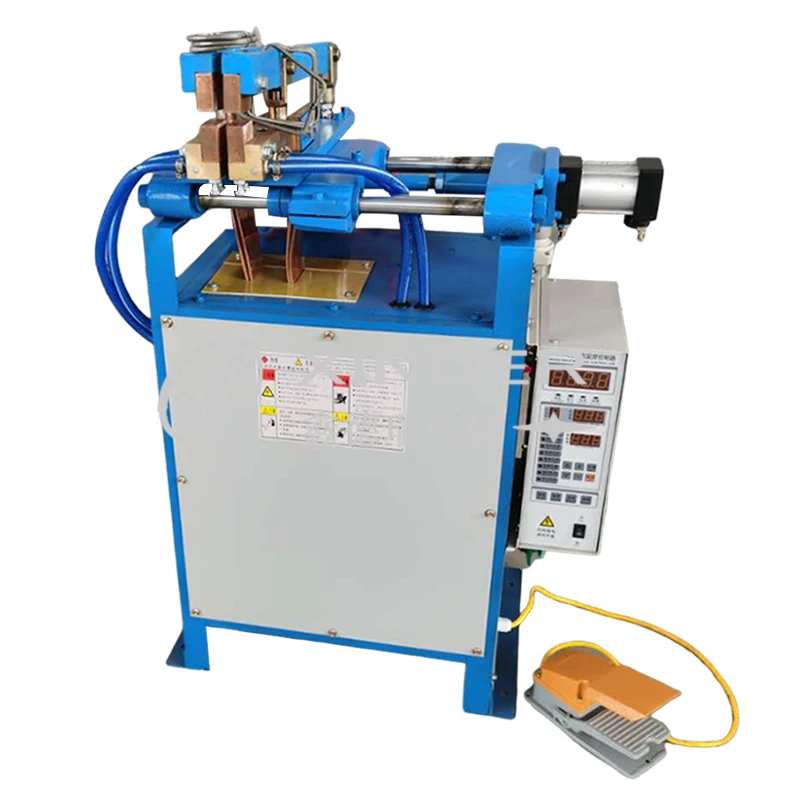 Pneumatic Handle Welding MachineSep . 13, 2024
 -
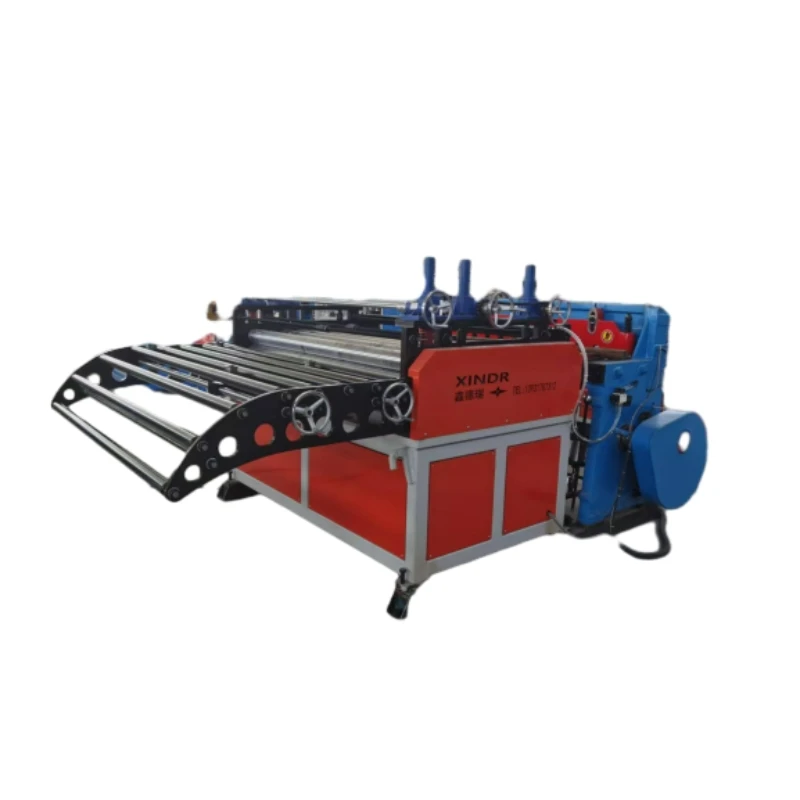 Fully Automatic Kaiping Production LineOct . 17, 2024
 -
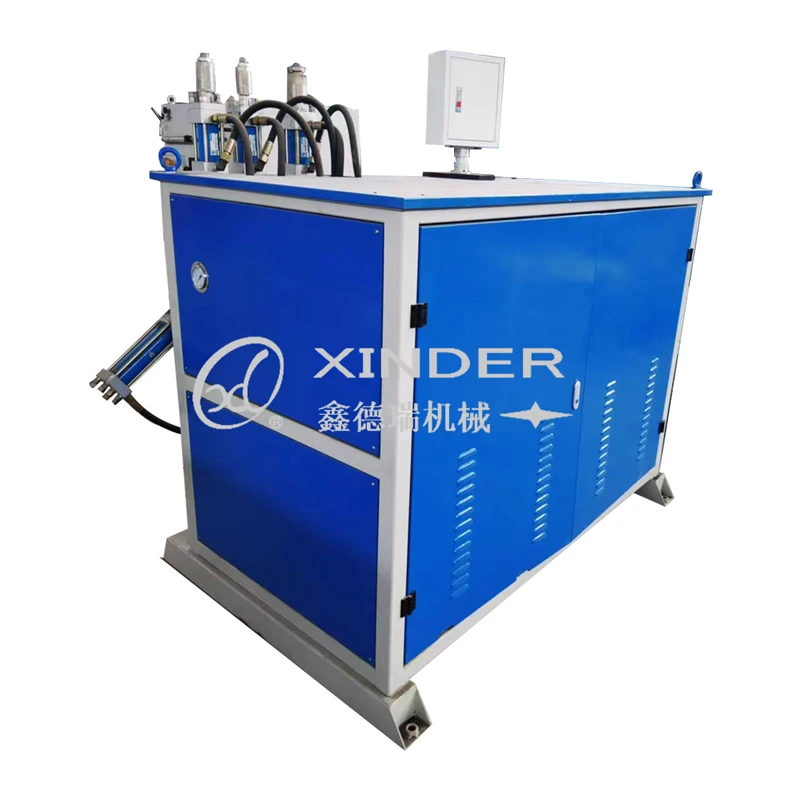 Fully Automatic Metal Bucket Lifting HeadphonesSep . 14, 2024