-
 8613931787312
 -
 Botou Industrial Zone on the east side of National Highway 104, Botou City, Hebei Province


Precision in Packaging: The Role of Can Welding Machines in Modern Manufacturing
In the packaging industry, the durability and integrity of containers are essential, especially when dealing with food, chemicals, or industrial products. One of the critical processes in the production of metal containers is welding. As technology has advanced, the can welding machine, can welder, and tin can welding machine have become vital tools in ensuring consistent quality, strength, and leak-proof performance in metal can manufacturing. This article explores their functions, benefits, and key considerations for industrial use.
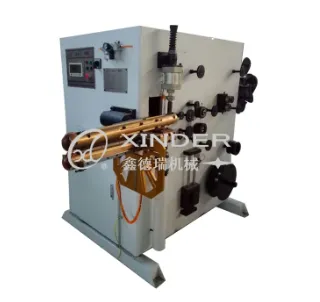
What Is a Can Welding Machine?
A can welding machine is a specialized piece of equipment used to weld the body of cylindrical metal cans, typically made from tinplate or other light-gauge steel. This machine joins the two edges of a rolled metal sheet to form a strong, sealed cylinder, which is later topped and bottomed to create a complete can.
Can welding is most commonly done using resistance welding techniques such as:
Lap seam welding: Uses rotating copper electrodes to produce a continuous weld along the can’s seam.
Butt welding: Joins two edges end-to-end with high heat and pressure.
The result is a seamless, durable bond that ensures structural stability and leak resistance—especially critical in cans that will hold liquids or be subjected to pressure, such as aerosol containers or canned beverages.
The can welding machine plays a critical role in mass production lines for:
Food and beverage cans
Paint cans and chemical containers
Aerosol cans
Oil and lubricant cans
Advantages and Applications of a Can Welder
A can welder refers broadly to the machine or operator responsible for welding metal cans. In industrial environments, the term often denotes a semi-automatic or fully automatic machine dedicated to high-speed can body production.
Benefits of using a can welder include:
Consistent weld quality: Automated control ensures each weld is uniform and reliable.
High production speed: Modern welders can handle thousands of cans per hour.
Low maintenance: Welds are clean, reducing the need for post-processing.
Cost-efficiency: Reduces material waste and labor costs over time.
Automated can welders are often part of a larger production line that includes body forming, welding, coating (lacquering), curing ovens, and seam protection systems. With integration, a plant can achieve smooth, continuous manufacturing with minimal downtime.
Key industries relying on can welders include:
Canned food and beverage manufacturing
Industrial coatings and paint packaging
Chemical and solvent storage
Personal care and aerosol product packaging
Spotlight on the Tin Can Welding Machine
The tin can welding machine is a highly specialized type of equipment tailored specifically for welding tinplate cans. Tinplate, a thin sheet of steel coated with tin, offers excellent corrosion resistance and is widely used in food packaging due to its non-reactive surface and preservation capabilities.
Key features of a tin can welding machine:
Micro-controlled weld timing: Delivers exact current flow for strong, consistent seams.
Speed adjustment: Capable of producing small cans (like sardine cans) or large containers (like 5L oil cans).
In-line coating systems: Apply protective lacquer to the inner seam to prevent corrosion or food contamination.
Compact design: Can be integrated easily into existing production lines.
Tin can welders must balance the need for strength with the requirement for clean, food-safe welds. Machines often include inspection units to detect defects like pinholes or weak seams, ensuring every tin can welding machine output meets strict industry and safety standards.
Whether for human consumption, pharmaceuticals, or volatile materials, tin can integrity is non-negotiable. This is why investing in a reliable tin can welding machine is a top priority for serious manufacturers.
From simple cylindrical cans to complex, high-pressure containers, welding is a cornerstone of can manufacturing. The can welding machine, can welder, and tin can welding machine each play a vital role in ensuring product safety, production efficiency, and long-term cost savings.
As market demands grow for durability, hygiene, and sustainability in packaging, the precision and automation offered by modern welding machines have become essential. Businesses looking to scale or improve quality control would benefit significantly from adopting or upgrading their welding technology.
-
Guide to Spartan Steel Bending Machine Price and Cost FactorsNewsApr.16,2026
-
Analyzing the Spartan Bending Machine Price and Buyer GuideNewsApr.09,2026
-
Understanding Small Bending Machine Price and Choosing the Right OptionNewsApr.07,2026
-
Comprehensive Guide to Sheet Metal Bending Machine Price and SelectionNewsApr.04,2026
-
Comprehensive Guide to Roofing Sheet Bending Machine Price and SelectionNewsMar.31,2026
-
Comprehensive Guide to Profile Bending Machine Price and SelectionNewsMar.28,2026
-
Comprehensive Guide to Press Bending Machine Price and Purchasing ConsiderationsNewsMar.26,2026
-
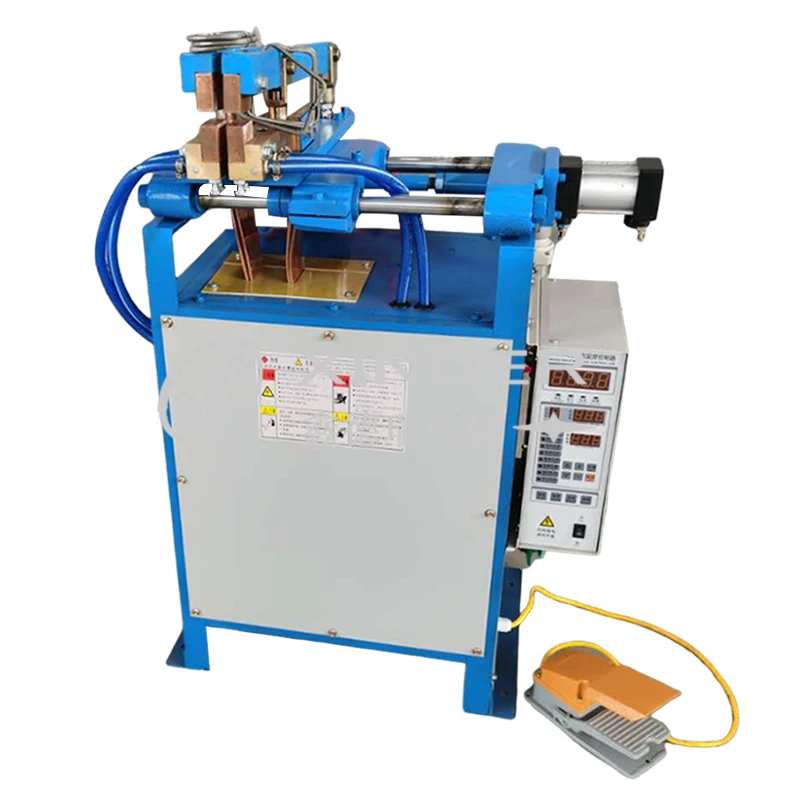 Pneumatic Handle Welding MachineSep . 13, 2024
 -
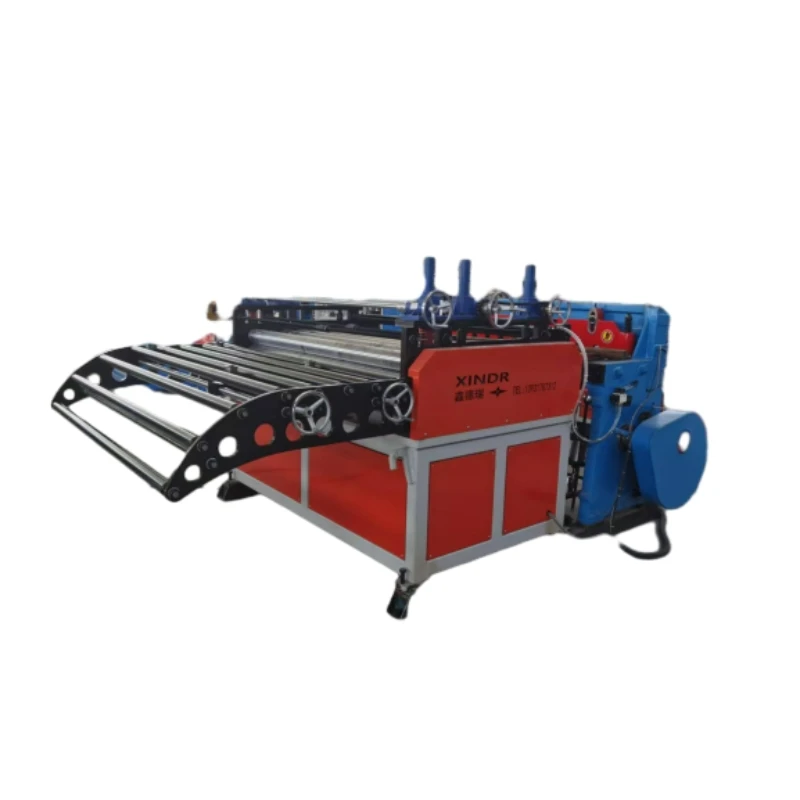 Fully Automatic Kaiping Production LineOct . 17, 2024
 -
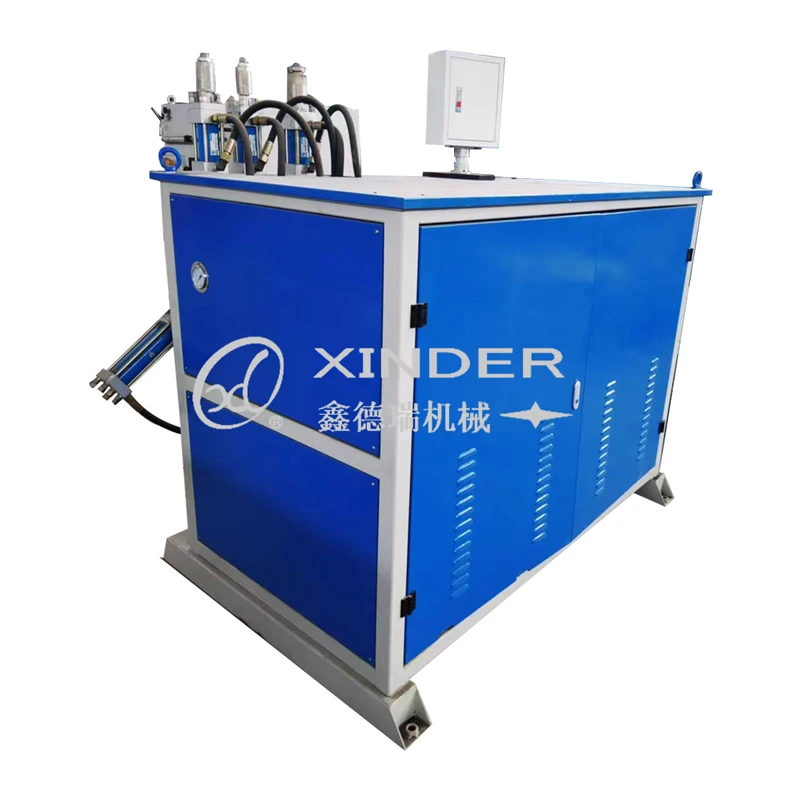 Fully Automatic Metal Bucket Lifting HeadphonesSep . 14, 2024