-
 8613931787312
 -
 Botou Industrial Zone on the east side of National Highway 104, Botou City, Hebei Province


Precision and Power: Choosing the Right Tube Bending Solution for Your Business
Tube bending is a vital process across a range of industries including automotive, construction, aerospace, furniture, and HVAC. Whether you are fabricating custom exhaust systems or constructing industrial piping, the efficiency and accuracy of your bending equipment can determine the success of your operation. From manual tools to advanced CNC systems, today’s market offers everything from basic tube benders to sophisticated automatic tube bending machines. In this article, we explore the types, benefits, and applications of modern bending machines, including the growing use of electric benders.
What Is a Tube Bender and How Does It Work?
A tube bender is a machine or tool designed to permanently bend metal or plastic tubes without compromising their strength or structural integrity. These tools vary from simple hand-held devices for light-duty work to industrial-grade machines used in mass production environments.
The basic working principle involves clamping a tube and then applying force around a die or former to achieve the desired angle and radius. Common methods include rotary draw bending, compression bending, and roll bending. Depending on the material and intended use, the right tube bender will ensure smooth, wrinkle-free bends with minimal deformation.
Applications include:
Automotive exhaust pipes
Hydraulic and fuel lines
Architectural railings
Air conditioning and refrigeration tubing
Choosing the right tube bender depends on factors like tube diameter, wall thickness, bend radius, and production volume.
Advantages of Electric Benders for Modern Fabrication
The introduction of the electric bender has brought precision and control to a new level. Unlike manual or hydraulic systems, electric models use servo motors to control each movement, offering unmatched accuracy, consistency, and repeatability.
Key benefits of an electric bender include:
High precision: Servo-driven systems allow precise angle control, ideal for complex geometries.
Clean operation: No hydraulic fluids or potential leaks.
Energy efficiency: Only uses power when operating, reducing energy consumption.
Quiet performance: Significantly quieter than hydraulic systems.
Electric models are particularly popular in industries where component accuracy and cycle speed are critical, such as in aerospace assemblies, bicycle frames, and medical device tubing. These machines are also favored for prototyping due to their ease of setup and programmability.
Some advanced models feature touchscreen interfaces, automatic spring-back compensation, and integration with CAD/CAM systems, making them a smart choice for tech-forward manufacturers.
Scaling Up: The Power of Automatic Tube Bending Machines
When it comes to large-scale, high-speed production, nothing matches the capability of an automatic tube bending machine. These machines automate every step of the bending process—from feeding and rotating the tube to bending and unloading—allowing for seamless, hands-free operation.
A typical automatic tube bending machine includes:
Servo-controlled axis for bending, feeding, and rotation
Programmable logic controllers (PLC)
Real-time monitoring and fault detection systems
Support for multi-stack tooling to enable complex bends
These machines are ideal for industries with high-volume requirements and tight tolerances, such as automotive exhaust systems, shipbuilding pipelines, and structural framework production.
Advantages include:
High productivity: Cycle times are significantly reduced.
Repeatability: Each bend is identical, ensuring uniformity across batches.
Labor savings: Minimal operator involvement leads to lower labor costs.
Error reduction: Advanced software minimizes material waste and bending errors.
For businesses looking to automate and scale operations, investing in an automatic tube bending machine is a forward-thinking solution that delivers long-term value.
Tube bending has evolved far beyond manual tools and basic jigs. Today’s market offers a wide spectrum of machines designed for every level of production—from the classic tube bender for small shops to the high-speed automatic tube bending machine used in industrial environments. Meanwhile, the electric bender bridges the gap by offering precision, cleanliness, and efficiency for both mid-sized and complex bending tasks.
Whether you are just starting out or upgrading your production line, choosing the right tube bending equipment is crucial for maintaining quality, reducing costs, and staying competitive.
-
Guide to Spartan Steel Bending Machine Price and Cost FactorsNewsApr.16,2026
-
Analyzing the Spartan Bending Machine Price and Buyer GuideNewsApr.09,2026
-
Understanding Small Bending Machine Price and Choosing the Right OptionNewsApr.07,2026
-
Comprehensive Guide to Sheet Metal Bending Machine Price and SelectionNewsApr.04,2026
-
Comprehensive Guide to Roofing Sheet Bending Machine Price and SelectionNewsMar.31,2026
-
Comprehensive Guide to Profile Bending Machine Price and SelectionNewsMar.28,2026
-
Comprehensive Guide to Press Bending Machine Price and Purchasing ConsiderationsNewsMar.26,2026
-
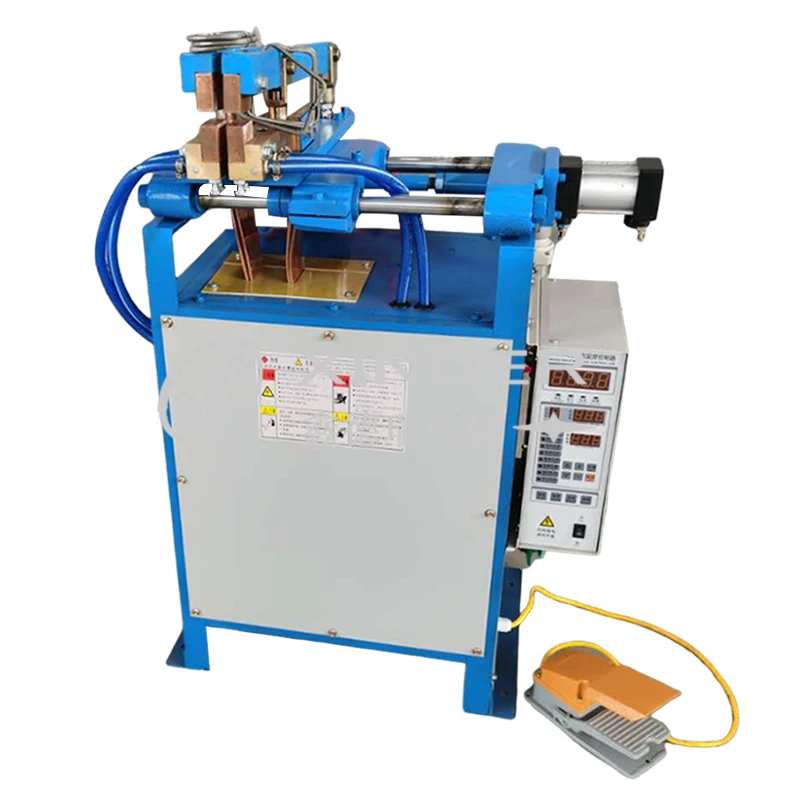 Pneumatic Handle Welding MachineSep . 13, 2024
 -
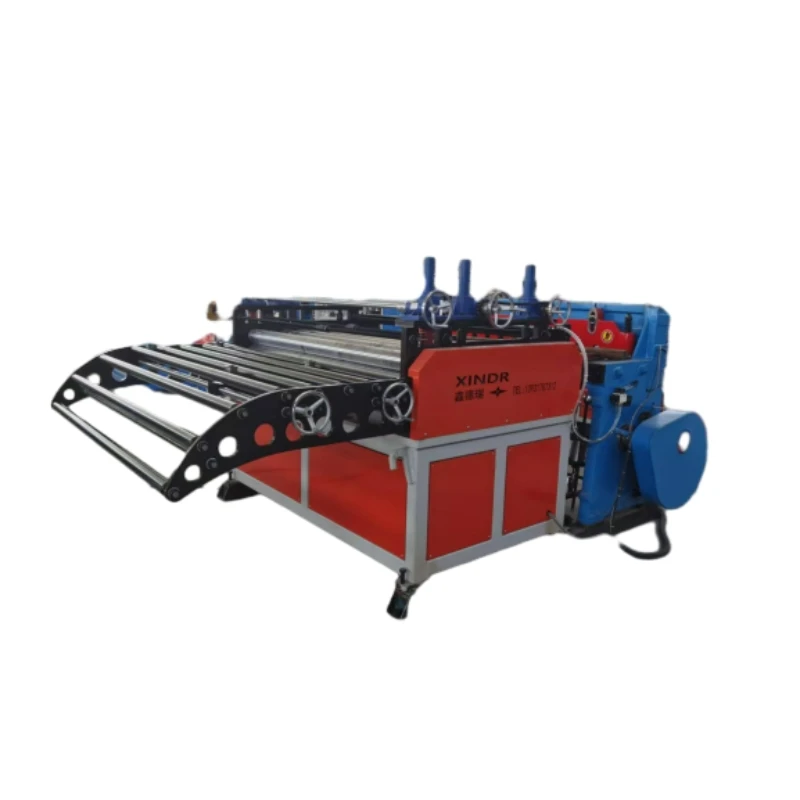 Fully Automatic Kaiping Production LineOct . 17, 2024
 -
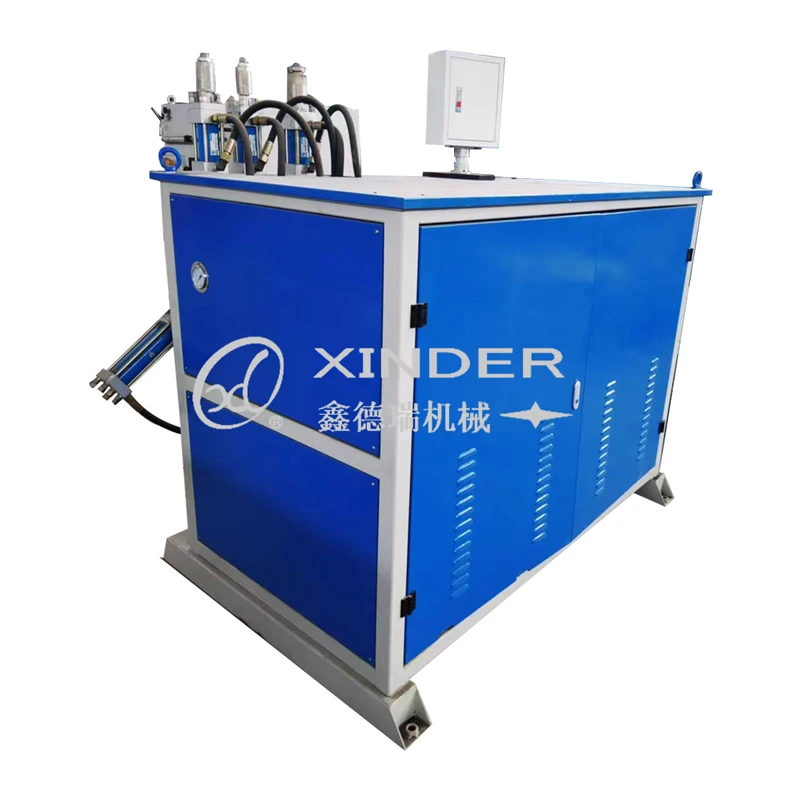 Fully Automatic Metal Bucket Lifting HeadphonesSep . 14, 2024