-
 8613931787312
 -
 Botou Industrial Zone on the east side of National Highway 104, Botou City, Hebei Province


Modernizing Manufacturing with the Right Barrel Production Line
As global demand for safe, durable, and cost-effective storage solutions grows, the need for efficient barrel production line systems becomes more critical than ever. Whether used for chemicals, oil, food, or pharmaceuticals, steel barrels play a crucial role in transportation and storage. To meet the growing and diverse demand, manufacturers must invest in reliable barrel making machines, understand the market for equipment, and choose the right steel barrel making machine for their operations.
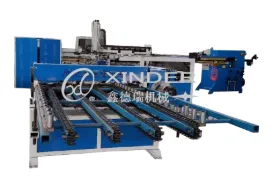
Understanding the Barrel Production Line Process
A complete barrel production line consists of a series of automated or semi-automated machines that handle everything from blank feeding and rolling to seam welding, flanging, corrugation, beading, painting, and leakage testing. The goal is to ensure every barrel is strong, leak-proof, and meets international safety standards.
These systems are especially critical in large-scale manufacturing environments where production efficiency, speed, and consistency are vital. Modern barrel production lines often include:
Barrel rolling machines
Welding and seaming units
Flanging and beading machines
Curing and drying ovens
Surface coating and testing equipment
Each step is designed to ensure that the final barrel can withstand mechanical stress, corrosion, and handling during shipping and storage.
Choosing the Right Barrel Making Machine
At the heart of any production system is the barrel making machine—a general term that can refer to various types of equipment depending on the stage of production. These machines can be customized based on production scale, barrel size (usually 55-gallon or 200-liter drums), and desired features such as anti-corrosion coatings or lock rings.
A typical barrel making machine setup might include:
Sheet cutting and rounding machines
Longitudinal seam welding machines
Flanging machines
Corrugation and beading machines
Top and bottom seaming systems
When selecting a barrel making machine, manufacturers must consider several factors:
Production capacity (barrels per hour/day)
Automation level (manual, semi-automatic, or fully automatic)
Maintenance and service availability
Energy consumption and space requirements
For companies entering the market or expanding operations, understanding the barrel making machine price is essential. Prices can vary significantly depending on capacity, brand, automation, and country of origin.
Investing in Steel Barrel Making Machines: Quality and Durability
The most commonly used materials in industrial barrel production are cold-rolled steel and galvanized steel. As such, investing in a reliable steel barrel making machine is vital for long-term success. These machines are engineered to handle heavy-duty operations, often around the clock, and must deliver consistent output without compromising quality.
Key advantages of a steel barrel making machine include:
High structural integrity for industrial-grade barrels
Compatibility with anti-corrosive coatings
Support for UN-certified and hazardous material containers
Long lifespan with proper maintenance
The choice of equipment directly influences your product's durability and market competitiveness. Many top-tier manufacturers offer modular steel barrel making machines that allow gradual upgrades as production scales up.
Additionally, newer systems now feature digital controls, remote diagnostics, and energy-efficient motors, helping reduce labor costs and environmental impact over time.
The demand for industrial packaging solutions like steel drums continues to rise, driven by sectors like petrochemicals, agriculture, food processing, and pharmaceuticals. Investing in a high-performance barrel production line is not just a matter of increasing volume—it's a step toward consistency, compliance, and profitability.
Whether you're evaluating a new barrel making machine, analyzing the barrel making machine price, or upgrading to a more robust steel barrel making machine, the key lies in aligning equipment capabilities with production goals and market requirements.
-
Guide to Spartan Steel Bending Machine Price and Cost FactorsNewsApr.16,2026
-
Analyzing the Spartan Bending Machine Price and Buyer GuideNewsApr.09,2026
-
Understanding Small Bending Machine Price and Choosing the Right OptionNewsApr.07,2026
-
Comprehensive Guide to Sheet Metal Bending Machine Price and SelectionNewsApr.04,2026
-
Comprehensive Guide to Roofing Sheet Bending Machine Price and SelectionNewsMar.31,2026
-
Comprehensive Guide to Profile Bending Machine Price and SelectionNewsMar.28,2026
-
Comprehensive Guide to Press Bending Machine Price and Purchasing ConsiderationsNewsMar.26,2026
-
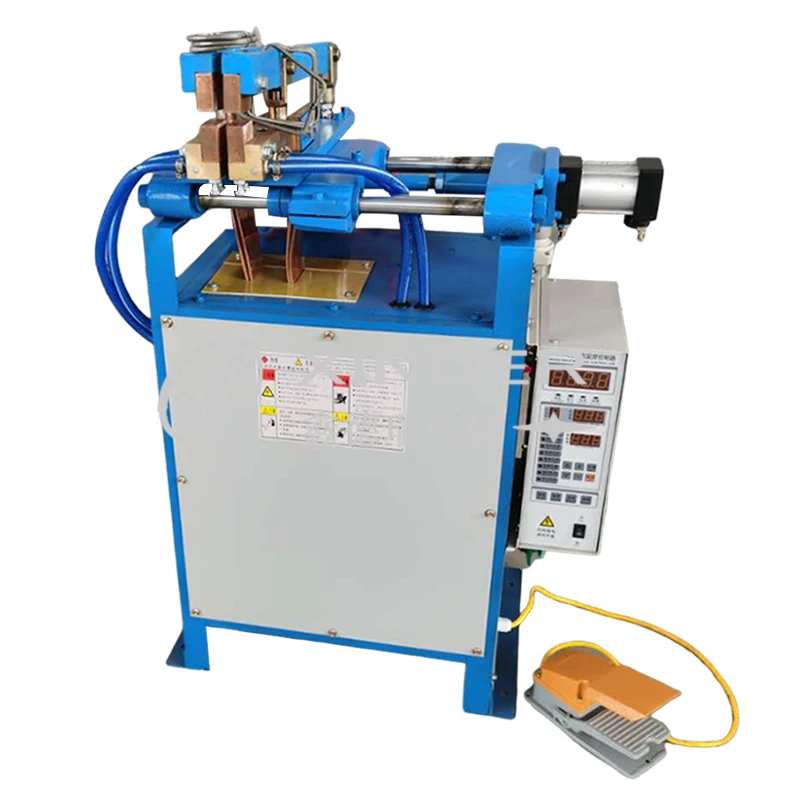 Pneumatic Handle Welding MachineSep . 13, 2024
 -
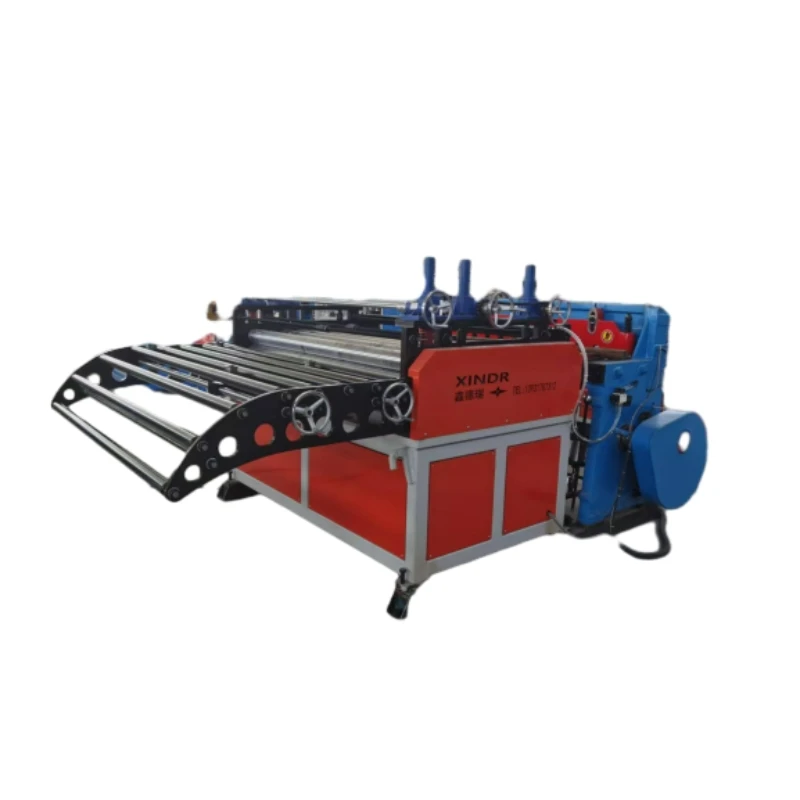 Fully Automatic Kaiping Production LineOct . 17, 2024
 -
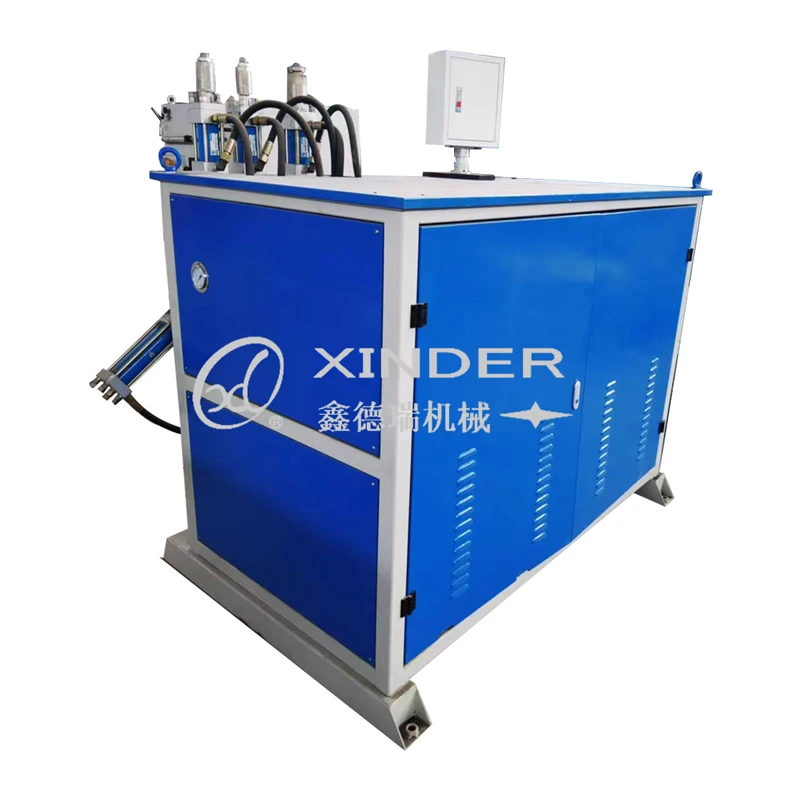 Fully Automatic Metal Bucket Lifting HeadphonesSep . 14, 2024