-
 8613931787312
 -
 Botou Industrial Zone on the east side of National Highway 104, Botou City, Hebei Province


Choosing the Right Pipe Cutting Machine for Your Industry Needs
Pipe cutting is a critical process in many industries such as construction, plumbing, manufacturing, and shipbuilding. Whether you're working with metal, plastic, or composite materials, selecting the right pipe cutting machine can dramatically impact productivity, precision, and cost-efficiency. This article explores several common types of pipe cutting equipment, including the laser pipe cutting machine, plasma pipe cutter, plastic pipe cutters, and hydraulic pipe cutter.
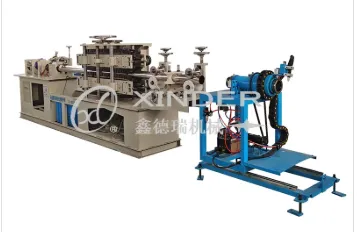
Advanced Technologies: Laser and Plasma Pipe Cutting
In recent years, advanced cutting technologies have become more accessible to small and medium businesses. Two of the most powerful tools in this category are the laser pipe cutting machine and the plasma pipe cutting machine.
The laser pipe cutting machine is known for its high precision, clean cuts, and minimal waste. It uses a focused laser beam to melt and vaporize material, making it ideal for complex designs or thin-walled pipes. Industries that require fine tolerances—like aerospace, automotive, or medical equipment manufacturing—often rely on laser systems.
On the other hand, the plasma pipe cutter and plasma pipe cutting machine are widely used in heavy industries such as construction and metal fabrication. These machines utilize a high-velocity jet of ionized gas (plasma) to cut through electrically conductive materials like steel, stainless steel, and aluminum. Plasma cutting is typically faster than laser for thick materials, although it may not achieve the same precision.
Manual vs. Hydraulic Pipe Cutters: When Simplicity Wins
Not all jobs require high-tech solutions. For many field workers and plumbers, simpler tools such as plastic pipe cutters or the hydraulic pipe cutter offer reliable performance at a much lower cost.
Plastic pipe cutters are handheld tools designed to cut PVC, CPVC, PEX, and other plastic piping. They are especially useful for residential plumbing or irrigation systems. Available in ratcheting and scissor-style designs, these tools are affordable, portable, and easy to use—even in tight spaces.
For tougher materials, a hydraulic pipe cutter may be the best choice. These cutters use hydraulic force to slice through large-diameter pipes, including metal. They're commonly used in utilities and heavy industry for underground pipework or in environments where sparks and heat (as generated by plasma or laser) would be dangerous.
Selecting the Best Pipe Cutting Machine for Your Needs
Choosing the right pipe cutting machine starts with understanding your material type, job scale, and precision requirements. Here's a quick comparison:
|
Machine Type |
Ideal For |
Pros |
Cons |
|
Laser Pipe Cutting Machine |
Thin-walled metal, high-precision work |
Extreme precision, clean edges |
High cost, maintenance requirements |
|
Plasma Pipe Cutter |
Thick conductive metals |
Fast, affordable, versatile |
Less precise than laser, rougher edges |
|
Plasma Pipe Cutting Machine |
Industrial pipe cutting |
Automated, efficient for large volumes |
Requires power and ventilation |
|
Plastic Pipe Cutters |
PVC, CPVC, PEX |
Portable, inexpensive, easy to use |
Not suitable for metal |
|
Hydraulic Pipe Cutter |
Large-diameter or thick pipes |
No heat/sparks, powerful, reliable |
Heavier, slower than plasma or laser |
Each pipe cutting machine serves a distinct purpose. If your operation focuses on volume and speed with thick metals, a plasma pipe cutting machine is likely ideal. For delicate, precision-demanding tasks, the laser pipe cutting machine reigns supreme. Meanwhile, plastic pipe cutters and hydraulic pipe cutters remain indispensable for maintenance crews and fieldwork.
Investing in the right equipment not only boosts efficiency but also enhances safety and product quality. Whether you're cutting metal, plastic, or composites, understanding the strengths and limitations of each pipe cutting machine is the first step toward smarter workflows and better outcomes.
-
Guide to Spartan Steel Bending Machine Price and Cost FactorsNewsApr.16,2026
-
Analyzing the Spartan Bending Machine Price and Buyer GuideNewsApr.09,2026
-
Understanding Small Bending Machine Price and Choosing the Right OptionNewsApr.07,2026
-
Comprehensive Guide to Sheet Metal Bending Machine Price and SelectionNewsApr.04,2026
-
Comprehensive Guide to Roofing Sheet Bending Machine Price and SelectionNewsMar.31,2026
-
Comprehensive Guide to Profile Bending Machine Price and SelectionNewsMar.28,2026
-
Comprehensive Guide to Press Bending Machine Price and Purchasing ConsiderationsNewsMar.26,2026
-
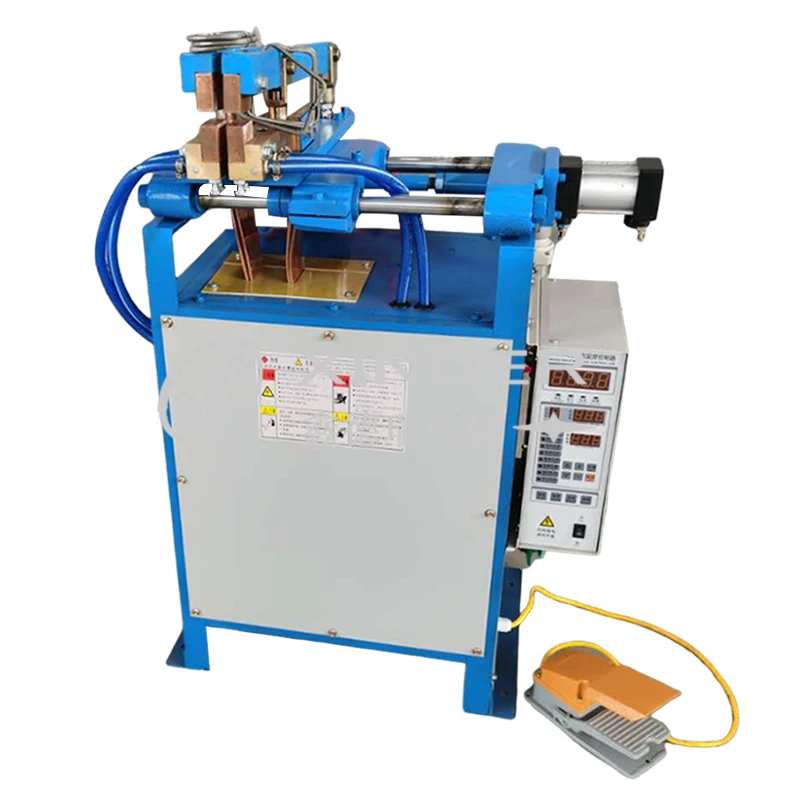 Pneumatic Handle Welding MachineSep . 13, 2024
 -
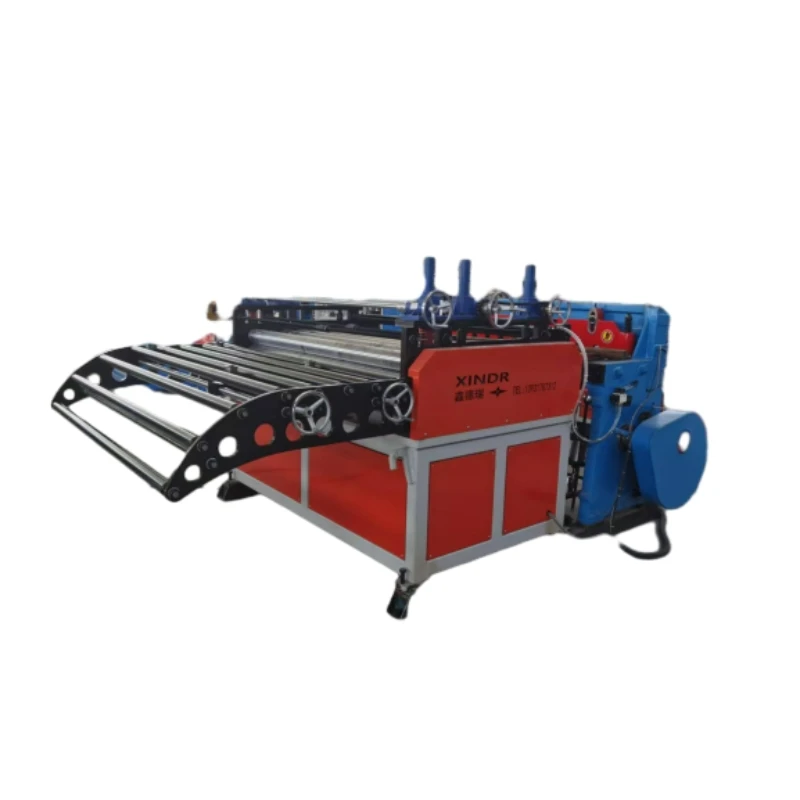 Fully Automatic Kaiping Production LineOct . 17, 2024
 -
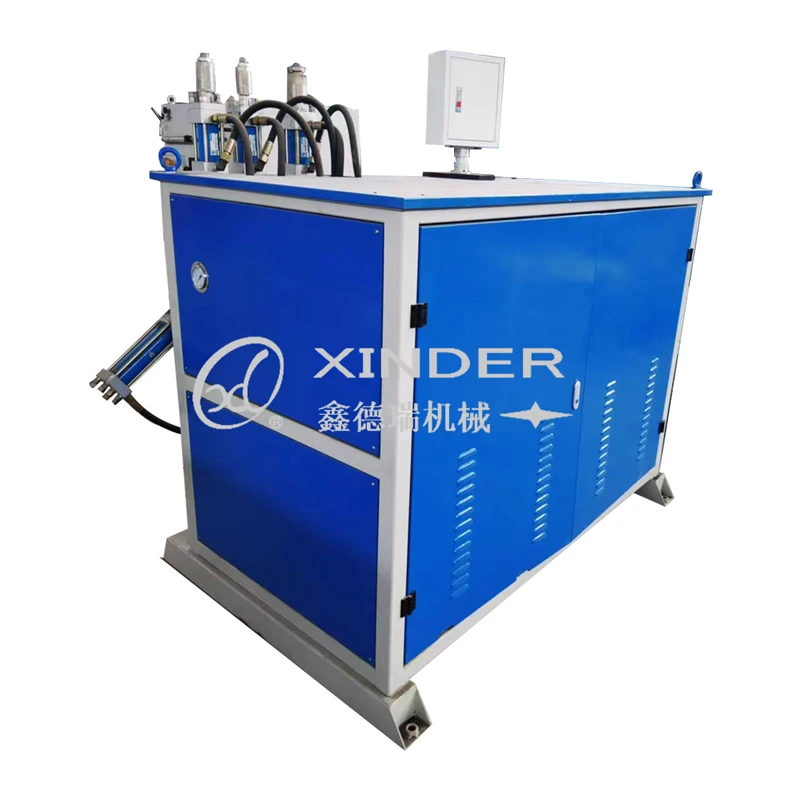 Fully Automatic Metal Bucket Lifting HeadphonesSep . 14, 2024