-
 8613931787312
 -
 Botou Industrial Zone on the east side of National Highway 104, Botou City, Hebei Province


Essential Guide to Cutting & Bending Machine for Metal Fabrication
Cutting & Bending Machine: The Backbone of Modern Metal Fabrication
Having spent over a decade in the industrial equipment sector, I can tell you that cutting & bending machines aren’t just devices; they’re the quiet heroes in tons of metalworking shops worldwide. They shape, slice, and sculpt metal sheets with a precision that often feels almost surgical. Frankly, if you’re serious about metal fabrication, understanding these machines is crucial.
I suppose what strikes me most is how much these machines have evolved. Back in my early days, the crude mechanical models felt temperamental. Now, thanks to advances in design and automation, the typical cutting & bending machine delivers efficiency and repeatability that keep any metal shop—and by extension, their customers—competitive.
You know, the core function is pretty straightforward: metal sheets get cut into shapes and then bent into the required forms. But the subtlety lies in the specs—how much pressure the machine exerts, its bending radius capability, the thickness and type of metals it handles, and, obviously, the control system. Many engineers say that the CNC control panels are the game changers these days, granting precision and reducing human error.
Oddly enough, one of the things I noticed during factory visits was the sheer variety of models tailored for different segments—from small workshops needing simple angle bends to large-scale manufacturers demanding multi-axis, high-tonnage machines. This variety ultimately affects your choice, depending on the complexity of parts you need.
Key Specifications of a Typical Cutting & Bending Machine
| Specification | Typical Range |
|---|---|
| Cutting Length | 1000mm to 6000mm |
| Bending Force | 30 Ton to 400 Ton |
| Max Sheet Thickness (Steel) | 0.5mm to 25mm |
| Bending Length | 1000mm to 6000mm |
| Control Type | Manual / Semi-Automatic / CNC |
| Power Supply | 220V / 380V / 415V |
I remember a client from a sheet metal workshop once telling me how upgrading to a CNC-enabled cutting & bending machine really transformed their workflow. No more guesswork with manual setups, fewer mistakes, and faster turnaround times. It’s the kind of practical impact that counts.
Of course, not all machines are created equal. Price points, build quality, after-sales service, and features vary depending on the manufacturer. Which brings me to a quick vendor comparison—helpful if you’re shopping around.
Vendor Comparison: Cutting & Bending Machines
| Feature | XDR Machinery | Vendor B | Vendor C |
|---|---|---|---|
| Max Bending Force (Ton) | 400 | 350 | 300 |
| CNC Control Accuracy | ±0.01 mm | ±0.03 mm | ±0.05 mm |
| After-Sales Support | 24/7 Technical Assistance | Business Hours Only | Limited Warranty |
| Price Range | $$$ | $$ | $ |
| Customization Options | High | Medium | Low |
So, if I had to distill it down: investing in a high-quality cutting & bending machine is more than just buying hardware. You're securing reproducibility, quality, and speed for your fabrication projects. And honestly, there’s something satisfying about watching a flat steel plate smoothly transform into a complex shape, all thanks to the quiet power of these machines.
If you're considering stepping up your production game, I suggest looking closely at the specs that really matter for your application and, of course, paying attention to after-sales support. Machines are one thing, but the people behind them make a real difference.
In real terms, whether you're running a small custom shop or a large factory, the right cutting & bending machine shapes your success. That’s no exaggeration.
References:
1. “Modern Sheet Metal Fabrication,” Industrial Equipment Journal, 2022.
2. CNC Machine Tool Performance Reports, 2023.
3. XDR Machinery User Testimonials, 2023.
-
Guide to Spartan Steel Bending Machine Price and Cost FactorsNewsApr.16,2026
-
Analyzing the Spartan Bending Machine Price and Buyer GuideNewsApr.09,2026
-
Understanding Small Bending Machine Price and Choosing the Right OptionNewsApr.07,2026
-
Comprehensive Guide to Sheet Metal Bending Machine Price and SelectionNewsApr.04,2026
-
Comprehensive Guide to Roofing Sheet Bending Machine Price and SelectionNewsMar.31,2026
-
Comprehensive Guide to Profile Bending Machine Price and SelectionNewsMar.28,2026
-
Comprehensive Guide to Press Bending Machine Price and Purchasing ConsiderationsNewsMar.26,2026
-
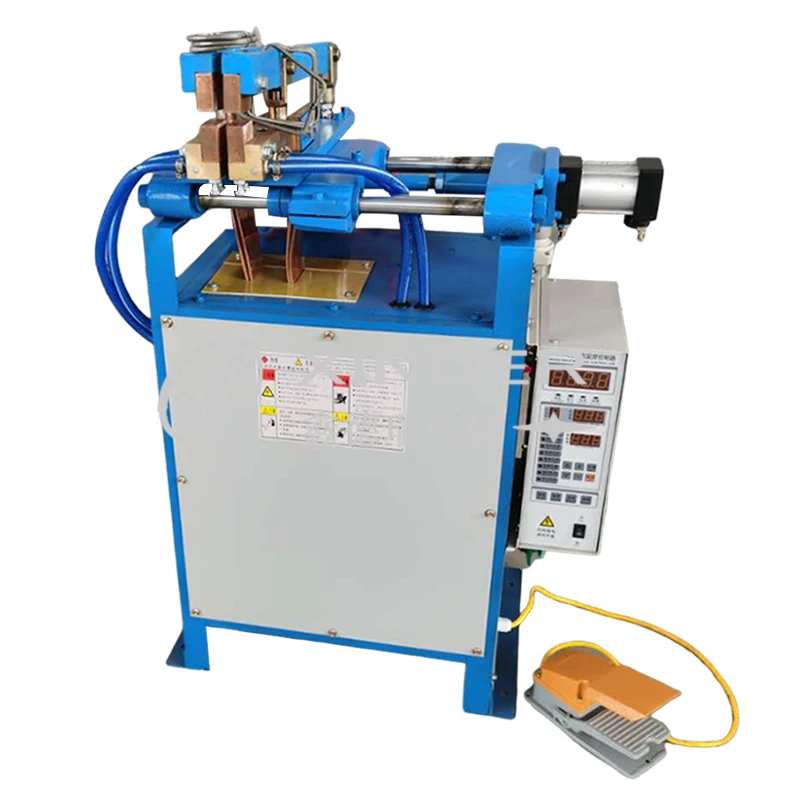 Pneumatic Handle Welding MachineSep . 13, 2024
 -
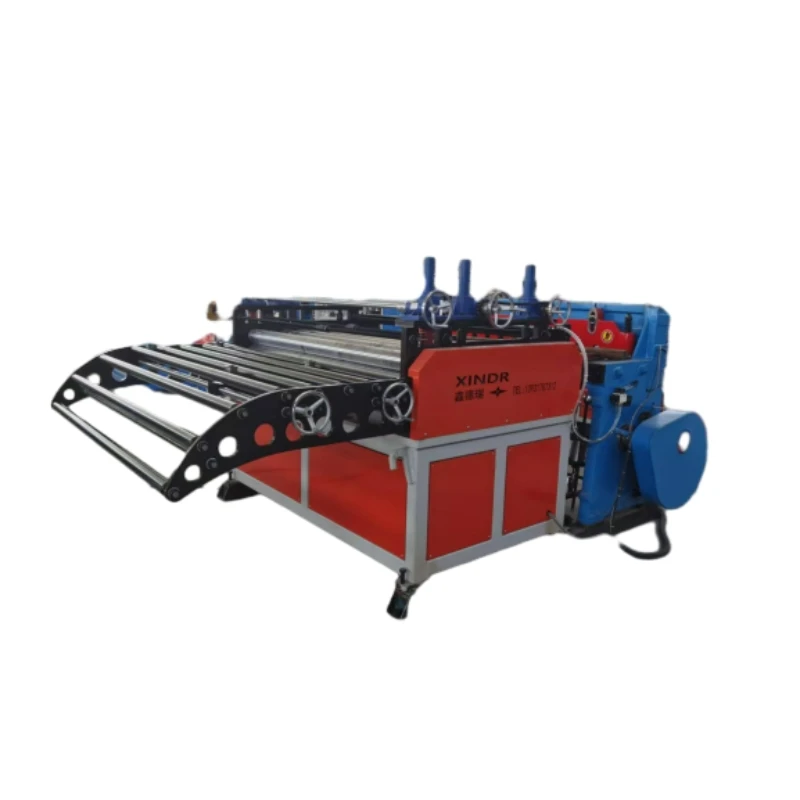 Fully Automatic Kaiping Production LineOct . 17, 2024
 -
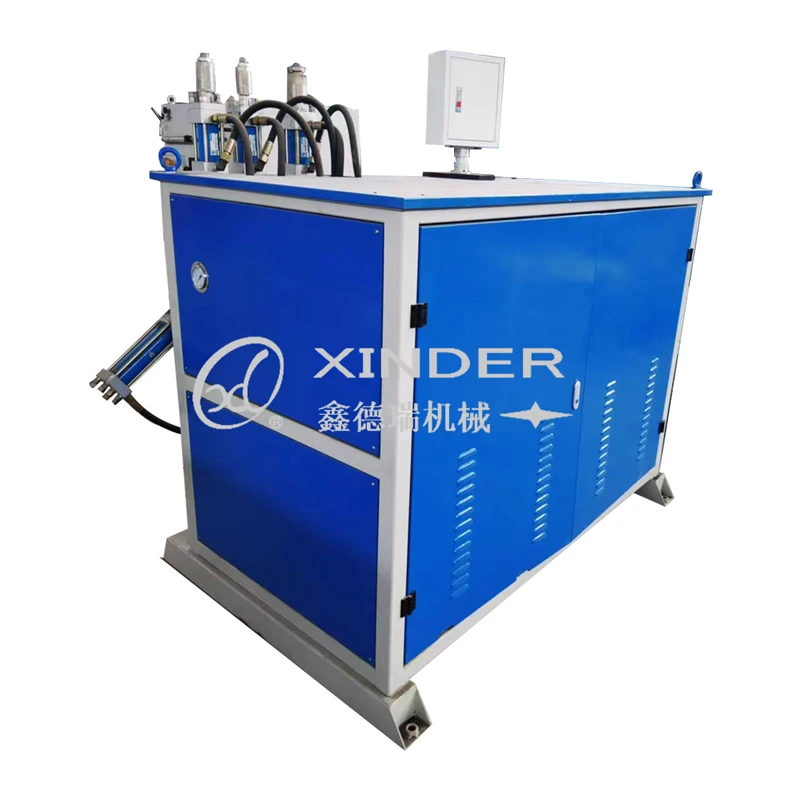 Fully Automatic Metal Bucket Lifting HeadphonesSep . 14, 2024