-
 8613931787312
 -
 Botou Industrial Zone on the east side of National Highway 104, Botou City, Hebei Province


Cnc Wire Bending Machine: Precision, Productivity & Sustainability | XDR Machinery
Cnc Wire Bending Machine is a key solution in the industry, specifically within manufacturing, automotive, and construction sectors. This article explores how XDR Machinery supports professionals with durable, high-performance products, and explains why this product is an ideal choice for businesses in these sectors.
Table of Contents
- Cnc Wire Bending Machine Overview
- Benefits & Use Cases of Cnc Wire Bending Machine
- Cost, Maintenance & User Experience
- Sustainability & Market Trends
Cnc Wire Bending Machine Overview
In essence, a Cnc Wire Bending Machine is an automated device designed to bend wire into precise shapes and configurations using computer numerical control (CNC) technology. Unlike manual or semi-automatic wire bending methods, CNC machines bring a whole new level of accuracy, repeatability, and speed to wire forming tasks. Frankly, in industries where even slight deviations can cause big headaches later, this precision is a game-changer.
Technically speaking, these machines utilize servo motors and CNC software to manipulate wire—ranging from small diameters like 0.5mm up to 12mm thick—in multiple axes. Take XDR Machinery’s model, for example: it supports high-speed bending with up to 20 bending stations, capable of complex angles and shapes. There’s also onboard programming software that lets operators design and simulate parts before production, so costly trial and error is minimized. Oddly enough, this blend of hardware and software means that even first-time users can get impressive results—provided they’ve got a bit of patience to master the controls.
| Specification | XDR Model WBM-5000 |
|---|---|
| Max Wire Diameter | 12 mm |
| Bending Stations | 20 |
| Max Bending Speed | 3000 bends/hr |
| Control System | CNC with integrated GUI |
| Material Compatibility | Steel, Copper, Aluminum |
Benefits & Use Cases of Cnc Wire Bending Machine
When it comes to real-world use, these machines shine in sectors demanding high-volume, precision wire parts—think automotive components, household appliances, and even construction reinforcements. What I noticed talking to engineers is how the CNC wire bending machines allow rapid switching between product designs. You can literally go from a car door component one minute to a wire shelf bracket the next, all with minimal setup time.
Some standout features typical for XDR’s model include multi-axis bending capabilities, automatic wire feeding to reduce manual handling, and real-time error detection—crucial for avoiding downtime. Plus, the software’s flexibility means businesses can create almost any geometry without juggling multiple machines. Compared to traditional hydraulic or manual bending setups, this equals a big efficiency and quality boost. Oddly enough, the intuitive human-machine interface helps reduce training time too, which always surprises folks who expect CNC to be overly complex.
| Feature/Aspect | XDR Machinery | Competitor A | Competitor B |
|---|---|---|---|
| Max Wire Diameter | 12 mm | 10 mm | 8 mm |
| Bending Stations | 20 | 18 | 15 |
| Software Usability | Advanced GUI, user friendly | Standard CNC software | Basic controls |
| Maintenance | Modular parts for quick service | Regular, more time consuming | Higher costs, less availability |
| Price Range | Mid to high | High | Mid |
Cost, Maintenance & User Experience
Looking at the numbers, the initial investment in a CNC wire bending machine might seem steep if you’re used to manual or semi-automatic bending methods. But here’s the kicker: the total cost of ownership often comes out better over time due to reduced waste, higher throughput, and fewer labor hours required. Customers I spoke with in the automotive sector at XDR Machinery’s recent expo reported up to 30% lower production costs within the first year.
Plus, durability isn’t just a marketing buzzword here. These machines are built with heavy-duty components designed to withstand demanding factory environments. And honestly, the feedback from operators tends to highlight how “built to last” these units feel. Maintenance schedules are transparent, and XDR’s modular parts simplify repairs — which means less downtime and, frankly, less stress.
Sustainability & Market Trends
Sustainability isn’t just a buzzword anymore—especially in manufacturing. CNC wire bending machines align well with eco-conscious production because they minimize material waste thanks to precise wire usage. Companies striving to meet stricter environmental regulations find that using CNC technology helps not only due to efficiency but also from the standpoint of repeatability and consistency, which reduces scrap percentages.
Market trends also show a rising demand for automation and smarter production lines. With Industry 4.0 gaining traction, these machines are increasingly integrated with IoT capabilities, enabling remote monitoring and even predictive maintenance. Oddly enough, embracing these tech advances doesn’t overwhelm the user—the interfaces are getting friendlier by the day.
Frequently Asked Questions about Cnc Wire Bending Machine
- What is Cnc Wire Bending Machine and how does it work?
- It's an automated system that bends wire into precise shapes by following computer instructions. The wire is fed through rollers and bent by motors controlled via CNC software, allowing for highly repeatable and complex wire shapes without much manual intervention.
- What are the main benefits of using Cnc Wire Bending Machine in industrial applications?
- Key advantages include improved accuracy, higher production speeds, reduced waste, lower labor costs, and the ability to handle complex bending tasks that manual methods simply can’t manage efficiently.
- How does Cnc Wire Bending Machine compare to traditional alternatives?
- Compared to manual or hydraulic machines, CNC wire bending machines offer far greater precision and repeatability, faster changeovers, and better integration with modern manufacturing workflows, including Industry 4.0 environments.
- What industries can benefit most from Cnc Wire Bending Machine implementation?
- Automotive manufacturing, construction (especially rebar bending), furniture production, electronics, and appliance manufacturing are among the primary sectors that find these machines invaluable for improving efficiency and quality.
Conclusion on Cnc Wire Bending Machine from china
To wrap it up, the Cnc Wire Bending Machine from China, especially models by XDR Machinery, represents a potent blend of precision engineering, software flexibility, and robust design. They offer a significant business advantage through enhanced productivity and consistency. If you’re considering upgrading or automating your wire bending processes, it really makes sense to explore these machines in depth.
- Recap the value of Cnc Wire Bending Machine.
- - Visit our website: https://www.xdrmachinery.com
Reflecting on this, the industry’s shift toward CNC technology isn’t just about machines—it’s about smarter, leaner production that’s more sustainable and scalable. It feels like a natural evolution, and for decision-makers, there’s clearly much to gain here.
-
Guide to Spartan Steel Bending Machine Price and Cost FactorsNewsApr.16,2026
-
Analyzing the Spartan Bending Machine Price and Buyer GuideNewsApr.09,2026
-
Understanding Small Bending Machine Price and Choosing the Right OptionNewsApr.07,2026
-
Comprehensive Guide to Sheet Metal Bending Machine Price and SelectionNewsApr.04,2026
-
Comprehensive Guide to Roofing Sheet Bending Machine Price and SelectionNewsMar.31,2026
-
Comprehensive Guide to Profile Bending Machine Price and SelectionNewsMar.28,2026
-
Comprehensive Guide to Press Bending Machine Price and Purchasing ConsiderationsNewsMar.26,2026
-
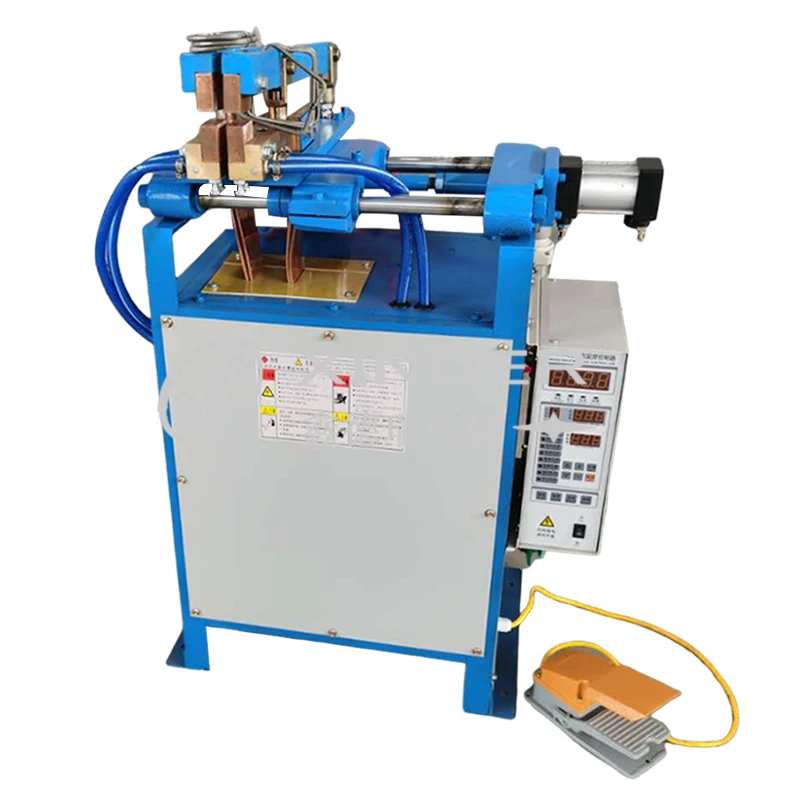 Pneumatic Handle Welding MachineSep . 13, 2024
 -
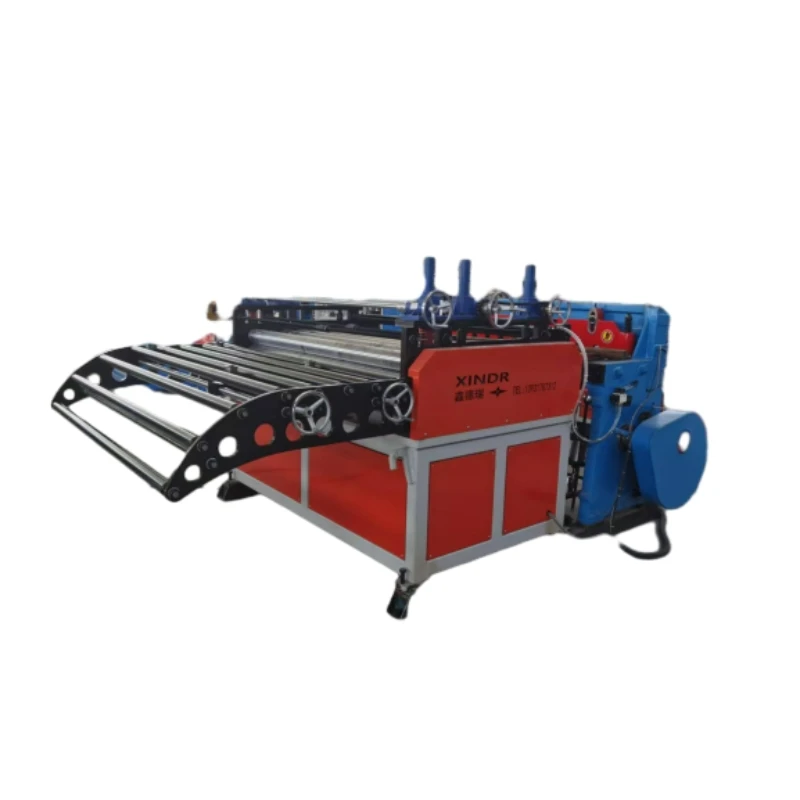 Fully Automatic Kaiping Production LineOct . 17, 2024
 -
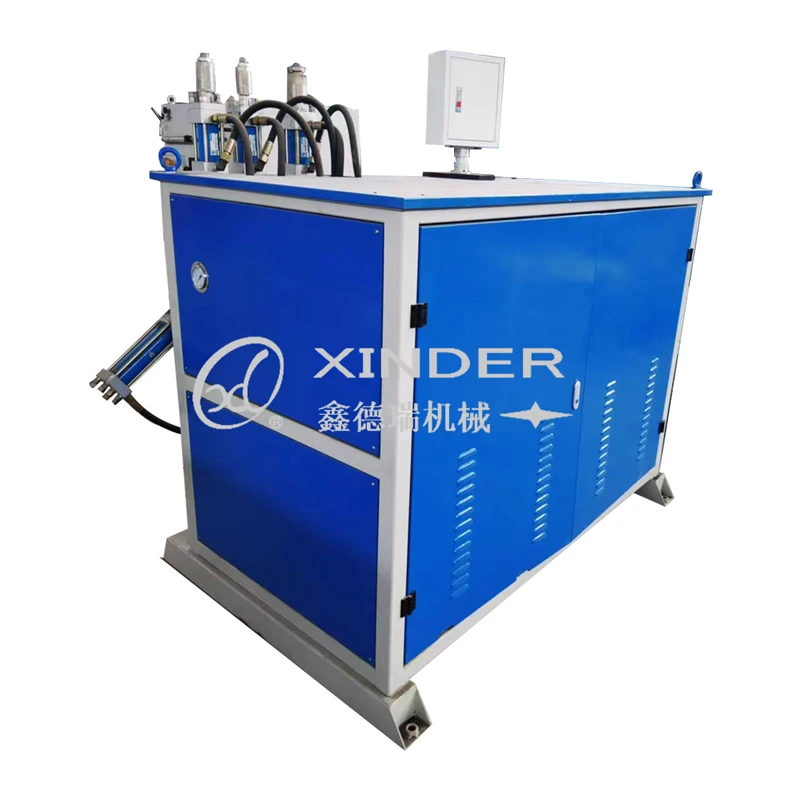 Fully Automatic Metal Bucket Lifting HeadphonesSep . 14, 2024