-
 8613931787312
 -
 Botou Industrial Zone on the east side of National Highway 104, Botou City, Hebei Province


Cutting Bending Machine – Precision Metal Fabrication Solutions
Cutting Bending Machine: Essential Tech in Industrial Fabrication
Having spent well over a decade around industrial equipment and workshop floors, I’ve come to appreciate the subtle yet powerful role cutting bending machines play in metal fabrication. They’re these unsung heroes — working silently, bending and cutting sheet metals with precision that other machines often can’t match. Whether you’re shaping pipes, automotive parts, or steel profiles for buildings, the cutting bending machine is likely your best bet.
Now, you might ask why this specific machine stands out among countless others on the factory floor. In real terms, it’s about versatility paired with consistent accuracy. I noticed early on that unlike manual methods or separate cutting and bending tools, this integrated machine reduces setup times and handling errors — that alone saves hours in production runs.
Over the years, I’ve worked with several models and brands, each designed with different materials and bending thicknesses in mind. Some machines boast the ability to cut steel plates up to 12mm thick, while others specialize in more delicate aluminum alloys. It’s always fascinating to see how manufacturers balance the machine’s power with finesse — especially around minimizing metal fatigue and clean cuts.
| Specification | Typical Value |
|---|---|
| Max Cutting Length | 3000 mm |
| Max Bending Thickness | 6 mm (steel) |
| Bending Angle Range | 0-135° |
| Cutting Speed | 5-12 m/min |
| Power Supply | 380V/50Hz 3 Phase |
What I truly admire about these machines, especially from vendors like XDR Machinery, is the customization options. It’s not just “plug and play.” You can tailor blade configurations, bending tools, and even CNC controls to your specific project needs. In one instance, a client of mine required ultra-smooth edges for aerospace-grade aluminum panels — the machine’s programmable settings made that achievable without expensive post-processing.
Of course, no machine is complete without rigorous testing on real materials. I've always been impressed by how reputable vendors send sample-cut/bent pieces with specifications reports. This kind of transparency means you’re not just buying a spec sheet, but actual proven performance.
Talking about vendors reminds me of the typical industry landscape. There’s a dozen or so key players — some focused on budget models, others on high-end tech. To keep things straightforward, here’s a quick comparison based on my experience and what I gathered from user feedback over the years:
| Vendor | Price Range | Customization | Support Service | Best Use Case |
|---|---|---|---|---|
| XDR Machinery | $$$ | High – CNC control, blades, tooling | Excellent customer & onsite support | Medium-large industrial series |
| AlphaFab | $$ | Moderate – standard tooling sets | Good, mostly remote | Small to medium workshops |
| MegaCut | $$$$ | Very High – full system integration | Comprehensive onsite & online | High volume, complex projects |
Oddly enough, while many engineers swear by high-end, fully automated setups, I’ve seen a surprising number of smaller shops prefer XDR’s approach — a good balance between automation and hands-on control. In fact, one friend of mine runs a fabricating shop with limited staff and credits that machine for his steady growth over the last few years.
If you’re considering your next upgrade or investing freshly in cutting and bending capabilities, I would strongly advise visiting the factory floor or arranging live demos. Seeing a machine in action — how it handles scrap material, noise levels, and then actual precision — tells you far more than any brochure ever could.
In conclusion, there’s a certain rhythm to working alongside a cutting bending machine. It’s not just about metal, angles, or speed — it’s the trust that the machine will do right by the materials and by your deadlines. And frankly, when that trust is earned, it’s one of the few things that keeps day shifts running smoothly.
References:
1. Insights from 12+ years in industrial fabrication (personal experience)
2. XDR Machinery official technical specifications and user reviews
3. Industry forums & fabricators' community discussions (2022-2023)
-
Guide to Spartan Steel Bending Machine Price and Cost FactorsNewsApr.16,2026
-
Analyzing the Spartan Bending Machine Price and Buyer GuideNewsApr.09,2026
-
Understanding Small Bending Machine Price and Choosing the Right OptionNewsApr.07,2026
-
Comprehensive Guide to Sheet Metal Bending Machine Price and SelectionNewsApr.04,2026
-
Comprehensive Guide to Roofing Sheet Bending Machine Price and SelectionNewsMar.31,2026
-
Comprehensive Guide to Profile Bending Machine Price and SelectionNewsMar.28,2026
-
Comprehensive Guide to Press Bending Machine Price and Purchasing ConsiderationsNewsMar.26,2026
-
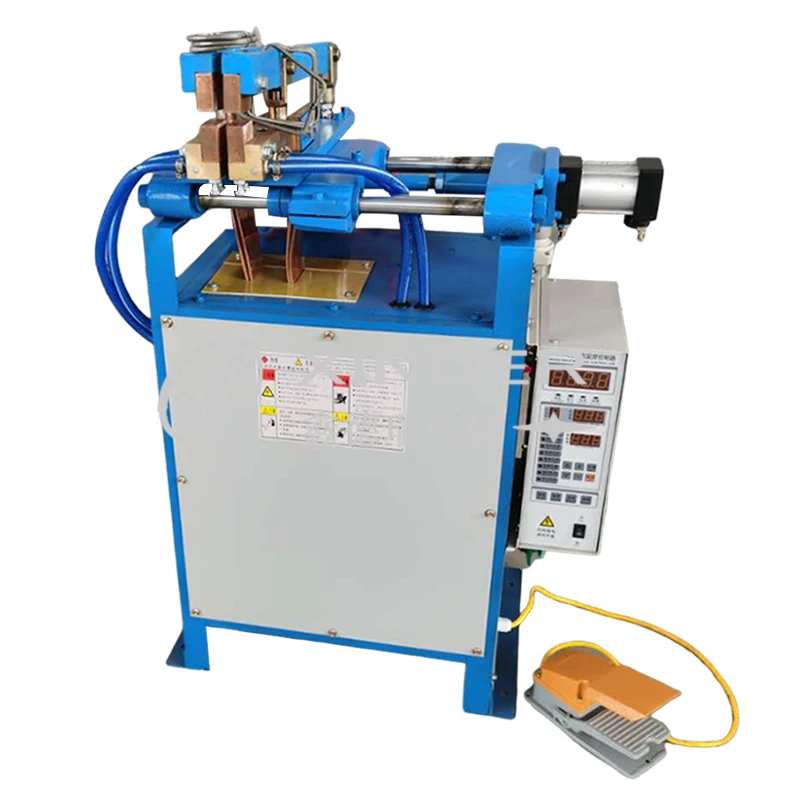 Pneumatic Handle Welding MachineSep . 13, 2024
 -
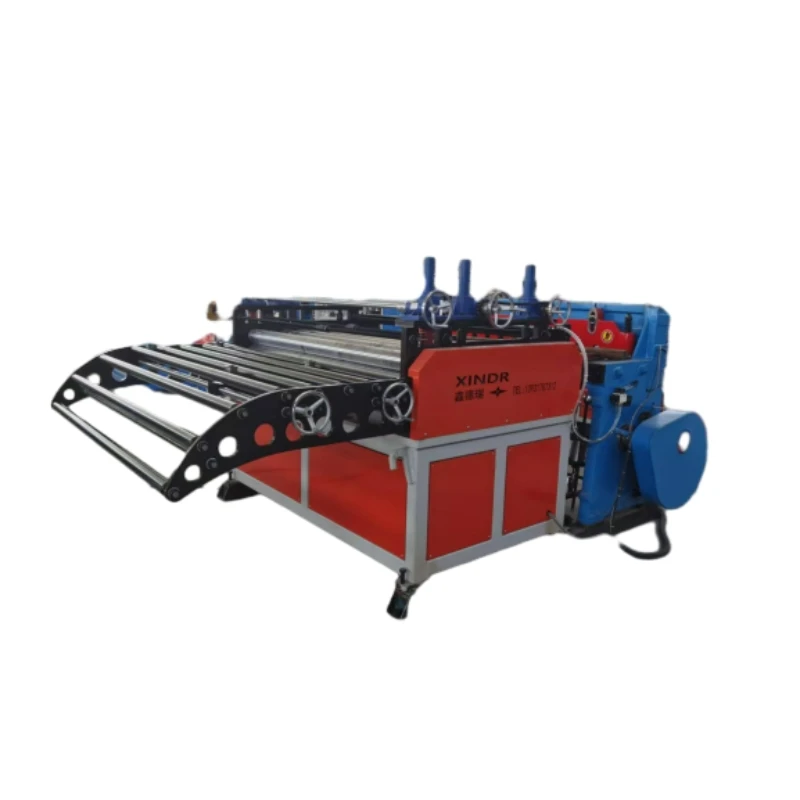 Fully Automatic Kaiping Production LineOct . 17, 2024
 -
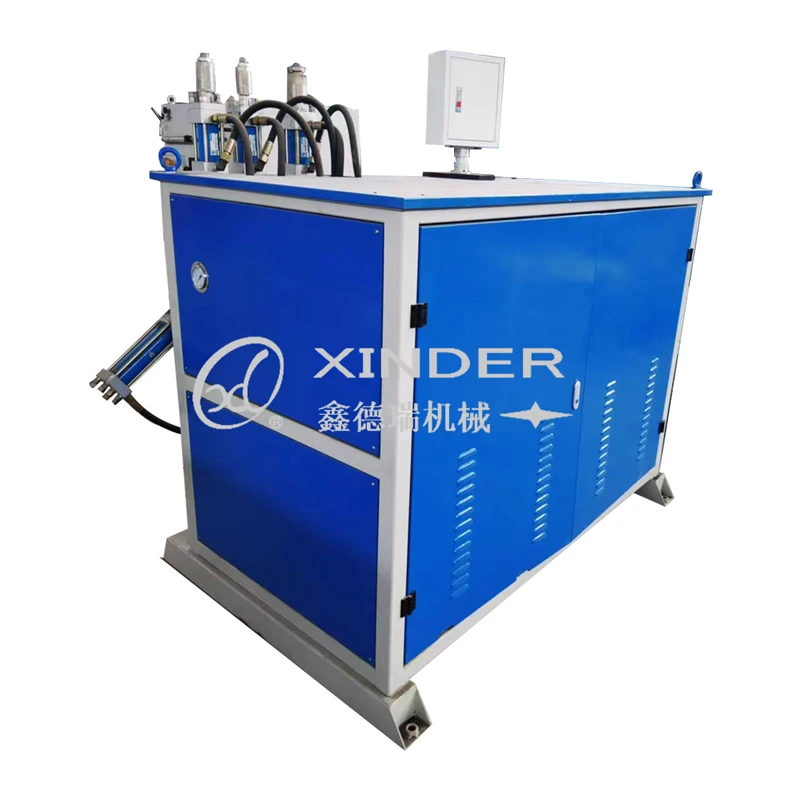 Fully Automatic Metal Bucket Lifting HeadphonesSep . 14, 2024