-
 8613931787312
 -
 Botou Industrial Zone on the east side of National Highway 104, Botou City, Hebei Province


Comprehensive Guide to 4 Roller Bending Machines: Global Impact & Technical Insights
Understanding the 4 Roller Bending Machine: Essential Insights for Modern Industry
It’s funny how a seemingly simple piece of equipment like the 4 roller bending machine plays such a pivotal role in worldwide manufacturing and construction. At its core, this machine shapes metal into curves and cylinders—vital in everything from pipelines to structural components. Given the rapid pace of industrial expansion across Asia, Europe, and the Americas, understanding this tool is not just a technical luxury; it’s a necessity. Besides productivity gains, the machine addresses environmental concerns by enabling more precise metal forming, ultimately reducing waste. So let’s take a dive — what exactly is a 4 roller bending machine, and why does it matter globally?
Global Industry Context: Why the 4 Roller Bending Machine Matters
On a global scale, industries such as oil and gas, shipbuilding, infrastructure, and renewable energy rely heavily on metal bending technologies. According to a recent ISO report, the demand for efficient metal forming has grown by over 20% in the past decade, spurred largely by infrastructural projects and carbon footprint reduction initiatives.
However, a persistent challenge remains: How to bend large, thick metal pipes or plates with minimal defects and maximal precision? Traditional methods risk excessive scrap material and inconsistent shapes, which translate into wasted resources and higher costs. The 4 roller bending machine addresses this head-on by offering enhanced control and stability.
What is a 4 Roller Bending Machine?
The 4 roller bending machine is a specialized metal forming device that uses, as the name implies, four rollers arranged in a pattern to gradually bend metal sheets or pipes. The rollers can be adjusted to vary the bending radius, allowing operators to form cylinders, cones, or complex curves with high accuracy. In simple terms, imagine rolling a large, flat metal sheet through these rollers; the machine shapes it into a desired curve without cracking or deforming the material unevenly.
In the modern industrial landscape, this machine is indispensable. Besides enhancing production efficiency for manufacturers, it’s a critical enabler for humanitarian infrastructure development, like crafting water tanks, silos, or emergency shelters where durability and precision are key.
Core Components & Key Factors that Define the 4 Roller Bending Machine
1. Durability and Build Quality
Since the machine handles thick and heavy metal plates, it’s constructed from high-strength steel and alloy parts that resist wear. This ensures longevity even in demanding industrial settings.
2. Precision Control Mechanisms
Advanced models come with hydraulic or CNC controls allowing operators to set exact roller positions and speeds. This is crucial for consistent bend radii and minimal human error.
3. Scalability and Adaptability
Whether working on small pipes or large-diameter cylinders, the machine can be adjusted. Some can handle pipes as thick as 150 mm and diameters up to several meters.
4. Cost Efficiency Over Time
While initial investment may seem steep, improved throughput, reduced scrap, and lower manual labor make it financially sound in the long haul.
5. Safety Features
Modern machines include emergency stops, protective covers, and sensors to prevent accidents — critical in industrial environments.
Mini Takeaway:
The 4 roller bending machine isn’t just about bending metal; it's about precision, durability, and efficiency — qualities that resonate globally across industries.
Product Specification Table
| Specification | Details |
|---|---|
| Max Pipe Diameter | 3200 mm |
| Max Plate Thickness | 150 mm |
| Roller Material | Alloy Steel (Hardened) |
| Drive System | Hydraulic CNC Control |
| Power Supply | 380V / 50Hz (customizable) |
Global Applications & Real-World Use Cases
- Energy Sector: In the Middle East and Russia, these machines fabricate pipelines essential for transporting oil and gas, where pipe integrity and precise diameters are critical for safety.
- Shipbuilding: European shipyards use rolling machines to create complex hull sections rapidly, speeding up vessel production cycles.
- Construction: Infrastructure projects across China and India rely on rolled steel components for bridges, tunnels, and stadiums—often custom curved for architectural aesthetics.
- Disaster Relief: NGOs use equipment from portable 4 roller bending machines setups to create storage tanks or modular shelters in post-earthquake and hurricane zones — rapid, reliable, and vital.
Mini Takeaway:
From industrial giants to humanitarian relief, the 4 roller bending machine’s versatility is impressive—and vital in vastly different contexts.
Advantages & Long-Term Value
Beyond the obvious technical edge, there’s something to be said about trust and reliability when you depend on metal infrastructure. The machine helps reduce material waste, which directly supports sustainability goals—something that increasingly matters worldwide. Also, since metal curves created this way often improve structural integrity, safety is inherently improved. Frankly, it feels like a small technological marvel when you realize how broadly it contributes—from bolstering economies to supporting emergency responders.
Vendor Comparison Table
| Vendor | Price Range (USD) | Max Thickness (mm) | Automation | Warranty |
|---|---|---|---|---|
| XDR Machinery | 50,000 – 120,000 | 150 | CNC & Hydraulic | 2 Years |
| SteelForm Inc. | 45,000 – 110,000 | 130 | Semi-Automatic | 1.5 Years |
| GlobalRoll Systems | 60,000 – 130,000 | 160 | Fully Automated | 3 Years |
Future Trends & Innovations
We’re on the cusp of a technology shift. Additive manufacturing combined with smart sensors is beginning to integrate with bending machines to enable predictive maintenance and ultra-precise bending sequences. Also, green energy usage for powering these machines is picking up pace, cutting operational carbon footprints by up to 40% in some factories (according to International Energy Agency data).
Oddly enough, automation doesn’t just mean faster—it means smarter. AI-driven adjustments can reduce errors and material waste without constant human input, a compelling prospect as labor shortages become more acute globally.
Challenges & Expert Solutions
Still, nothing’s perfect. The upfront cost remains a barrier for smaller firms, and training operators on high-tech CNC interfaces can be tricky. What many engineers recommend is modular machine designs allowing incremental upgrades and accessible training platforms combining VR and hands-on experience.
FAQ: Frequently Asked Questions About 4 Roller Bending Machines
- Q: What thickness of metal can a typical 4 roller bending machine handle?
A: Most industrial-grade 4 roller bending machines handle plates up to 150 mm thick; however, models vary, with some heavy-duty plants designed for thicker plates up to 200 mm. - Q: Are 4 roller bending machines suitable for small workshops?
A: Yes, smaller or semi-automatic versions exist that suit smaller-scale operations, balancing lower cost with reasonable capacity. - Q: How is CNC control beneficial in these machines?
A: CNC control automates roller positioning and speed, ensuring consistent bends and less material waste than manual control. - Q: Can these machines be used to form non-cylindrical shapes?
A: To some extent, yes. While mainly designed for cylindrical bends, certain setups allow conical or variable-radius bending. - Q: What maintenance is required to keep a 4 roller bending machine running smoothly?
A: Regular lubrication, hydraulic checks, and inspection of roller wear are key; many providers also offer service contracts.
Conclusion: Why Investing in a 4 Roller Bending Machine is a Smart Move
Looking forward, the 4 roller bending machine is more than a manufacturing tool; it’s a catalyst for industrial efficiency and sustainability. Its combination of precision, scalability, and evolving tech ensures it will remain central to many industries. If your enterprise is ready to enhance productivity and cut waste, seriously consider exploring cutting-edge models from trusted providers.
Curious to find out more or ready to upgrade? Visit our website https://www.xdrmachinery.com — your partner in high-performance 4 roller bending solutions.
It’s fascinating how a single machine can quietly underpin so much of modern infrastructure, don’t you think?
References
-
Guide to Spartan Steel Bending Machine Price and Cost FactorsNewsApr.16,2026
-
Analyzing the Spartan Bending Machine Price and Buyer GuideNewsApr.09,2026
-
Understanding Small Bending Machine Price and Choosing the Right OptionNewsApr.07,2026
-
Comprehensive Guide to Sheet Metal Bending Machine Price and SelectionNewsApr.04,2026
-
Comprehensive Guide to Roofing Sheet Bending Machine Price and SelectionNewsMar.31,2026
-
Comprehensive Guide to Profile Bending Machine Price and SelectionNewsMar.28,2026
-
Comprehensive Guide to Press Bending Machine Price and Purchasing ConsiderationsNewsMar.26,2026
-
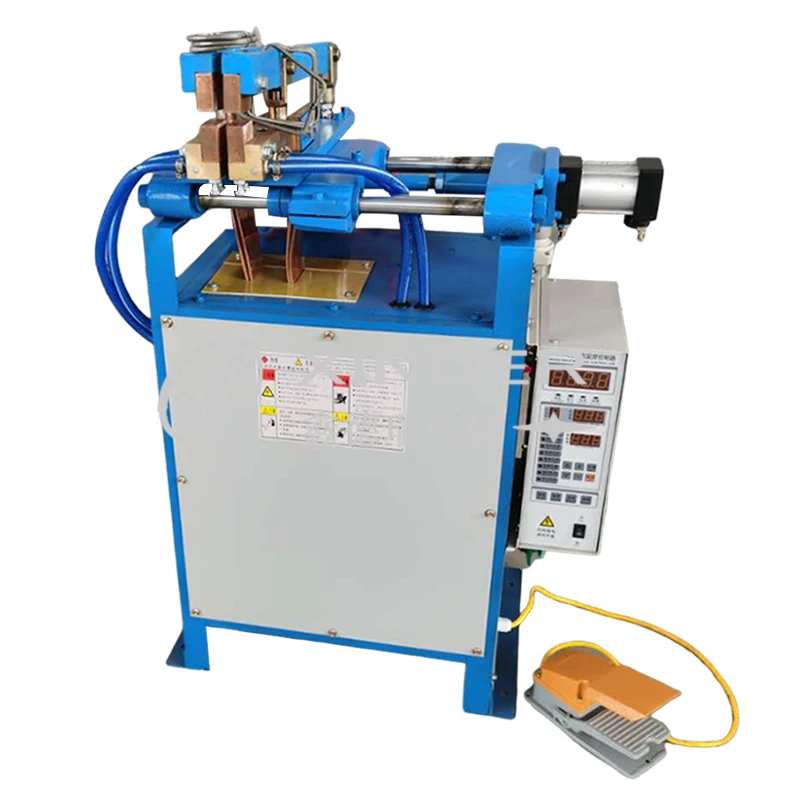 Pneumatic Handle Welding MachineSep . 13, 2024
 -
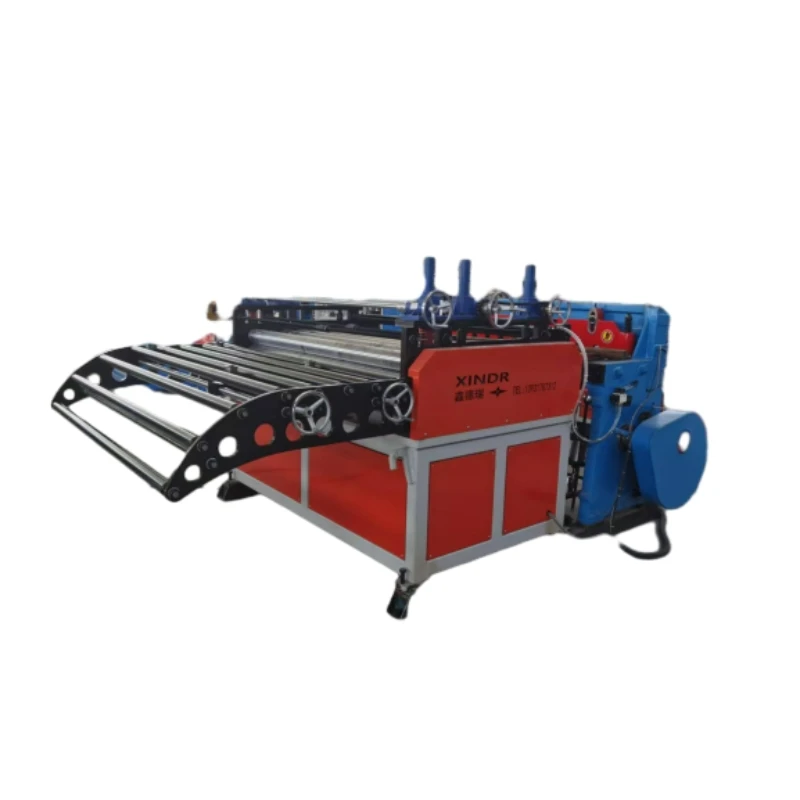 Fully Automatic Kaiping Production LineOct . 17, 2024
 -
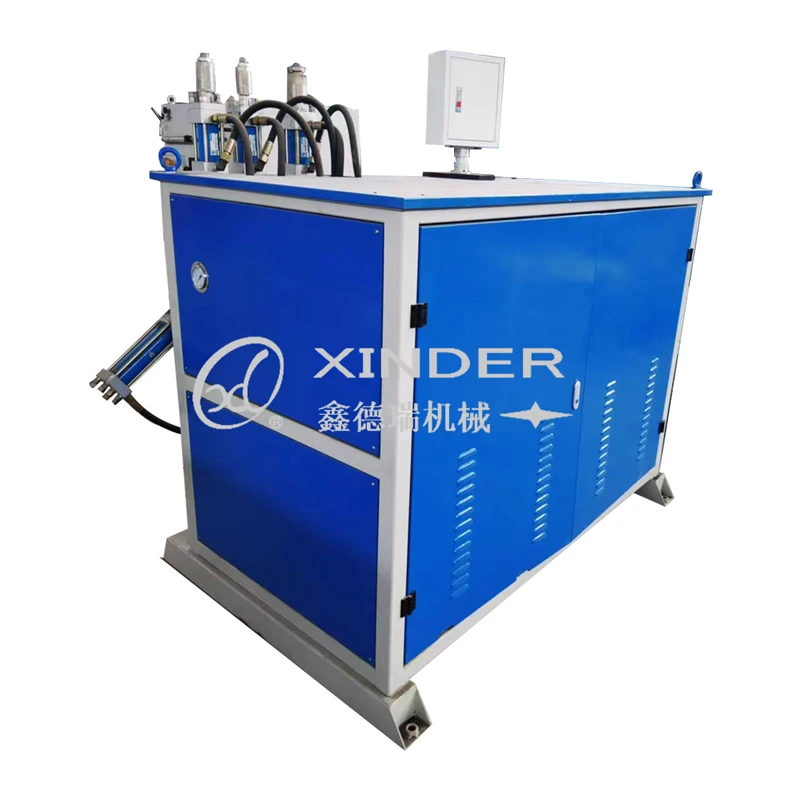 Fully Automatic Metal Bucket Lifting HeadphonesSep . 14, 2024