-
 8613931787312
 -
 Botou Industrial Zone on the east side of National Highway 104, Botou City, Hebei Province


Understanding 4 Roll Bending Machines: Global Applications, Benefits & Innovations
Understanding the 4 Roll Bending Machine: Global Relevance and Industry Insights
When you hear the term 4 roll bending machine, you might picture a niche piece of factory equipment, and that’s not far off—but the impact of these machines stretches far beyond simple metal bending. In manufacturing, construction, and even humanitarian efforts, these systems help shape the infrastructure that underpins our daily lives. So why does the 4 roll bending machine matter globally? Because it offers precise, efficient metal forming that supports everything from bridges and pipelines to emergency shelters in disaster zones.
Grasping how these machines operate and what benefits they bring is key to understanding modern industrial challenges and innovations.
Global Context: Why the 4 Roll Bending Machine Matters Today
According to the International Organization for Standardization (ISO) and industrial reports, the demand for rolled and bent metal components has surged alongside global infrastructure investments. The World Bank estimates that over $6 trillion will be invested globally in infrastructure by 2030—much of which depends on reliable metal forming technologies like 4 roll bending machines. They address the challenge of producing large, curved metal sections efficiently—a task that conventional presses struggle with.
From Asia’s booming construction markets to Europe’s industrial modernization, these machines meet a need for precision bending of heavy plates with consistent quality. Oddly enough, even humanitarian agencies find them useful for quickly fabricating components for shelters and water storage tanks in remote or disaster-stricken areas.
What Exactly Is a 4 Roll Bending Machine?
Put simply, a 4 roll bending machine is a type of metal rolling equipment designed to bend heavy metal plates or pipes into cylindrical or conical shapes. Unlike 3 roll machines, having four rollers means the bending is more controlled and uniform over longer lengths—reducing material stress and distortion.
This technology is essential in modern manufacturing, which demands ever-greater precision and repeatability. Whether you’re forming the body of an airplane or crafting a water tank, the 4 roll bending machine delivers superior results with less waste.
Key Components That Define a 4 Roll Bending Machine
1. Durability and Build Quality
Built from hardened steel, 4 roll machines must withstand tremendous forces. Their robust construction ensures long working life, which is crucial for high-volume production environments.
2. Versatility and Scalability
The machines can accommodate various metal thicknesses and widths, allowing users to scale operations from small workshops to massive factories.
3. Precision Control Systems
Modern 4 roll benders often include CNC (computer numeric control) systems that automate roller adjustments, delivering consistent output and reducing operator error.
4. Energy Efficiency
Newer models consume less power through optimized motors and smart controls—important for cost-conscious operations.
5. Safety Features
Given the high forces involved, guards and automated shutoffs protect workers from accidents.
Mini Takeaway:
The 4 roll bending machine is a nexus of strength, precision, and adaptability—a must-have for industries requiring seamless curved metal parts.
Product Specifications Overview
| Specification | Typical Range | Description |
|---|---|---|
| Max Plate Thickness | 30 mm (varies by model) | Thickest metal sheet capable of being bent |
| Max Plate Width | 2000 mm | Width of metal sheets processed |
| Roll Diameter | 150-300 mm | Diameter of the rollers bending the metal |
| Motor Power | 15-40 kW | Power range of the bending motors |
| Bending Radius | 1.5x plate thickness to infinite | Minimum achievable bending radius |
Global Applications & Use Cases of 4 Roll Bending Machines
These machines are indispensable in various sectors worldwide:
- Construction & Infrastructure: Used to form steel beams and panels for buildings and bridges, particularly in fast-growing regions like Southeast Asia.
- Energy Sector: Fabricating boiler drums, wind turbine towers, and pipelines—critical to reliable energy infrastructure.
- Manufacturing: Automotive and aerospace companies rely on these machines to shape lightweight yet strong metal parts.
- Disaster Relief & Humanitarian Efforts: In post-disaster zones, rapid fabrication of water tanks and shelter components is possible thanks to portable or local 4 roll benders.
- Shipbuilding: Producing large curved hull plates in shipyards globally.
For example, NGOs operating in remote industrial zones have relied on compact 4 roll bending machines to quickly manufacture steel components onsite—making repairs and installations far more efficient.
Vendor Comparison: Popular 4 Roll Bending Machines
| Brand | Max Thickness | Automation Level | Price Range | Best For |
|---|---|---|---|---|
| XDR Machinery | 30 mm | High (CNC) | $$$ | Industrial manufacturers, large-scale fabricators |
| MetalForm Pro | 20 mm | Medium (semi-automatic) | $$ | Medium factories, local workshops |
| BendTech Compact | 12 mm | Low (manual) | $ | Small shops, educational purposes |
The Advantages & Long-Term Value of 4 Roll Benders
Frankly, the efficiency of 4 roll bending machines is hard to beat. They reduce curved metal formation time dramatically compared to traditional methods, which directly saves money and labor. Their precision means less scrap and higher-quality products—critical in applications where safety and reliability matter, such as energy pipes or structural supports.
There’s also a subtle but powerful emotional benefit. Engineers and operators trust these machines not just because of cold specs but because they know the equipment won’t fail mid-project, keeping everyone safe and maintaining dignity—especially important in humanitarian settings where resources are tight and time is short.
Looking Ahead: Future Trends in 4 Roll Bending Technology
Some exciting innovations are underway. The integration of AI-driven control systems promises even smarter bending processes with predictive maintenance. Meanwhile, greener motor technologies and renewable energy power supplies help reduce environmental impact—a critical factor as industries look to meet ISO 14001 environmental management standards.
We’re also seeing experimentation with new materials like ultra-high-strength steel alloys that require more precise bending forces—something 4 roll benders are increasingly equipped to handle. Automation continues to grow, with robotic loading and unloading becoming standard in large factories.
Challenges & How Industry Leaders Address Them
Despite their advantages, 4 roll bending machines aren’t without challenges. Setting up complex CNC systems may require specialized training and capital investment. Material limitations mean not all metals bend easily without cracking, so pre-treatment or heat assistance can be necessary.
Expert suppliers like XDR Machinery offer tailored training and service contracts to ease adoption. Plus, advances in simulation software help engineers optimize bend sequences before production—cutting down costly trial-and-error.
FAQ: Your Common Questions About 4 Roll Bending Machines
- Q: What is the difference between a 3 roll and 4 roll bending machine?
A: The 4 roll machine provides better control and uniform bending over longer lengths due to its additional roller, reducing material distortion compared to 3 roll machines. - Q: Can a 4 roll bender handle both cylindrical and conical shapes?
A: Yes. Thanks to adjustable rollers, these machines are able to form both cylindrical cylinders and conical shapes with high precision. - Q: How does CNC automation improve 4 roll bending?
A: CNC automation allows for precise control of roller movements, repeatable bending parameters, and reduces the likelihood of errors—boosting efficiency and product consistency. - Q: Are there portable 4 roll bending machines for remote sites?
A: Yes, some manufacturers produce smaller, semi-portable models ideal for on-site fabrication in construction or disaster relief operations. - Q: What maintenance is required for a 4 roll bending machine?
A: Regular lubrication of rollers, periodic checking of hydraulic systems and motors, plus software updates if CNC controlled, ensures smooth operation and longevity.
Conclusion: Why Investing in a 4 Roll Bending Machine Makes Sense
The 4 roll bending machine is more than industrial hardware—it’s a linchpin technology that drives productivity, reliability, and even humanitarian impact. Its combination of durability, precision, and automation means manufacturers and relief organizations alike can trust it to deliver consistent results under challenging conditions.
If you want to explore high-quality, innovative 4 roll bending machinery that fits your needs, do visit XDR Machinery to learn more and request a consultation.
In the end, bending metal is a craft—but it’s one increasingly governed by smart machines that blend engineering with art.
Final Reflection
While these machines might not grab headlines like AI or renewable energy, they quietly enable much of the infrastructure that keeps societies running smoothly. Understanding their capabilities and limitations is a solid step toward smarter industrial investment.
References
-
Guide to Spartan Steel Bending Machine Price and Cost FactorsNewsApr.16,2026
-
Analyzing the Spartan Bending Machine Price and Buyer GuideNewsApr.09,2026
-
Understanding Small Bending Machine Price and Choosing the Right OptionNewsApr.07,2026
-
Comprehensive Guide to Sheet Metal Bending Machine Price and SelectionNewsApr.04,2026
-
Comprehensive Guide to Roofing Sheet Bending Machine Price and SelectionNewsMar.31,2026
-
Comprehensive Guide to Profile Bending Machine Price and SelectionNewsMar.28,2026
-
Comprehensive Guide to Press Bending Machine Price and Purchasing ConsiderationsNewsMar.26,2026
-
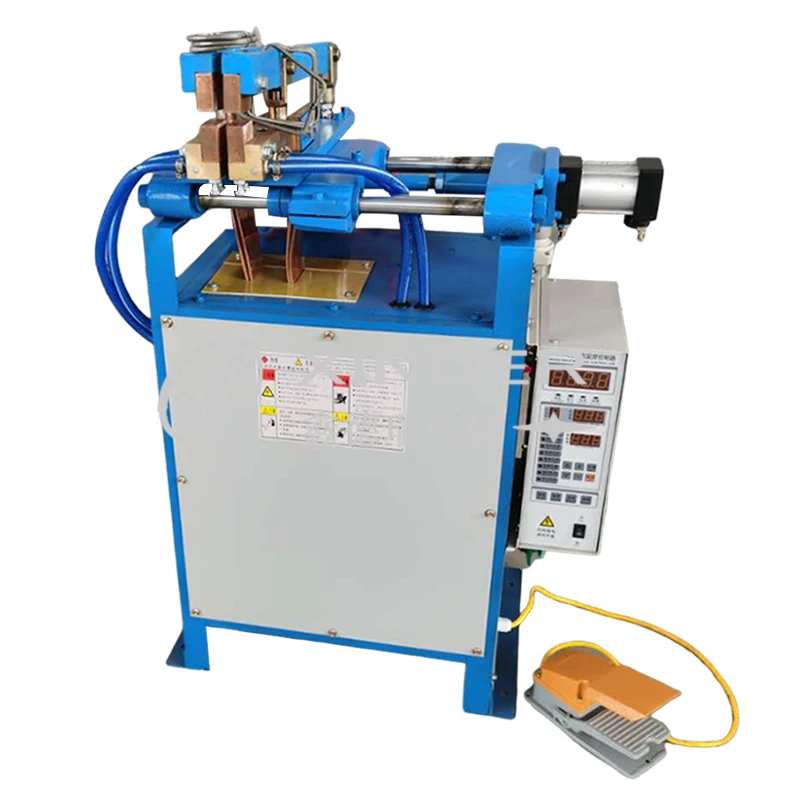 Pneumatic Handle Welding MachineSep . 13, 2024
 -
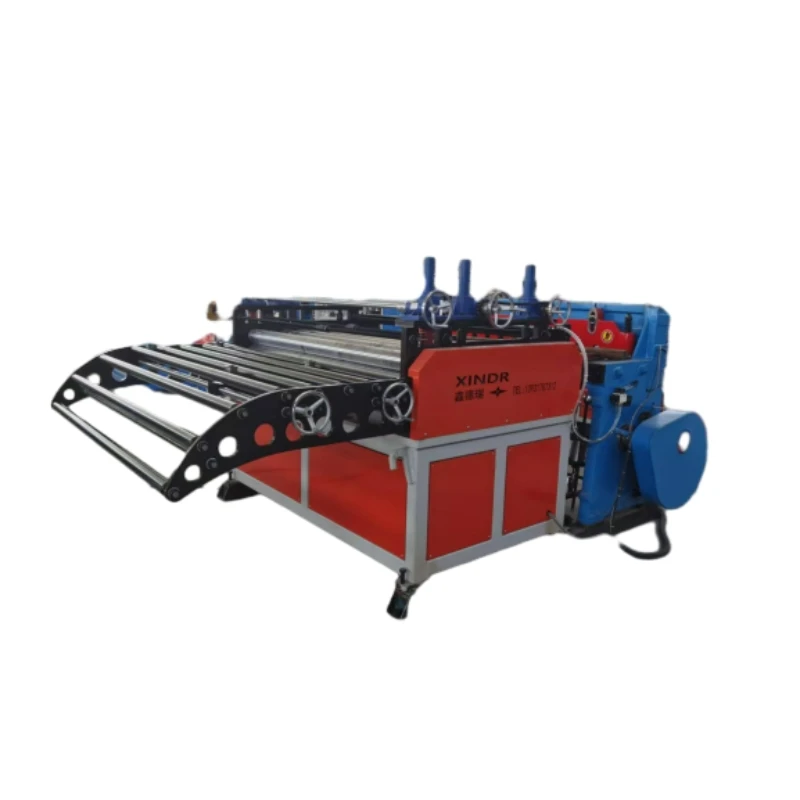 Fully Automatic Kaiping Production LineOct . 17, 2024
 -
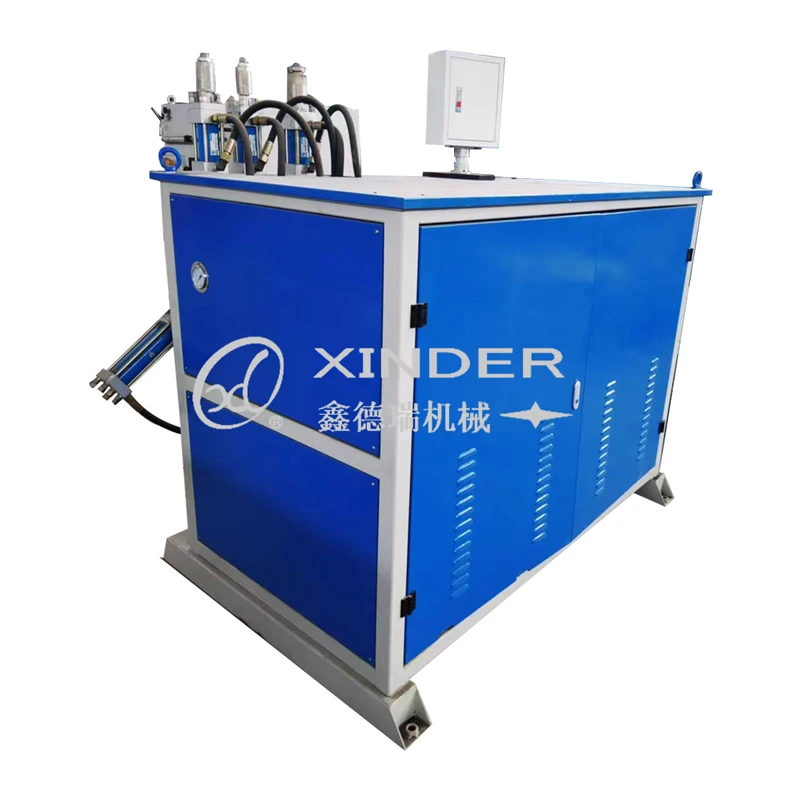 Fully Automatic Metal Bucket Lifting HeadphonesSep . 14, 2024