-
 8613931787312
 -
 Botou Industrial Zone on the east side of National Highway 104, Botou City, Hebei Province


What is a 5 Axis Bending Machine? Benefits, Uses & Future Trends Explained
Understanding the 5 Axis Bending Machine: A Game-Changer in Precision Metal Forming
In today’s high-precision manufacturing world, the 5 axis bending machine stands as a pivotal innovation that radically transforms how metal components are shaped. You might have seen metal parts in aerospace, automotive, or architectural projects—those flawless bends and curves? A lot of that magic comes from this technology. But why does it matter globally? Well, as industries demand complex, custom shapes that are stronger yet lighter, the 5 axis bending machine answers by improving efficiency, versatility, and ultimately, product quality. Understanding this equipment not only benefits manufacturers but also ripples into broader sectors—think infrastructure, clean energy, and even humanitarian aid solutions.
Global Context and Industry Challenges
To paint a backdrop, global manufacturing output hit about $13 trillion recently (World Bank, 2023), with precision metal forming playing a crucial slice. But as supply chains grow complex, and products get sophisticated, traditional bending methods hit bottlenecks—limited angles, slower setups, and costly errors. The 5 axis bending machine addresses these hurdles by enabling multiple directional bends without repositioning the workpiece repeatedly. Oddly enough, this means faster turnaround times and less scrap, which are vital in regions with high labor or material costs.
What Exactly is a 5 Axis Bending Machine?
Put simply, it’s a CNC (computer numerically controlled) press brake capable of bending metal sheets along five different axes, typically including X, Y, Z, plus two rotational axes. This allows operators to create complex bends, twists, and flanges on a single part—think shaping a metal bracket that twists elegantly instead of just folding flat. In a nutshell, it’s like having five hands working simultaneously on a sheet, ensuring accuracy that meets tight industry tolerances. This capability resonates deeply in modern manufacturing and even humanitarian engineering where precision and adaptability save time and resources.
Key Components & Factors of the 5 Axis Bending Machine
1. Durability & Build Quality
From heavy cast iron frames to hardened steel tooling, these machines are engineered for longevity. Durability here isn’t just about survival—it's about maintaining exact calibration over thousands of bends. Rocket manufacturers, for example, depend on such stability to avoid structural failures.
2. Precision Control Systems
Advanced servo motors and CNC controls let operators program complex bends with micron-level repeatability. This cuts dependency on manual skill and reduces errors, making the process scalable.
3. Material Compatibility
A good 5 axis bending machine works well with a spectrum of metals—aluminum, stainless steel, titanium, even specialized alloys used in medical implants or renewable energy parts. That versatility is a game-changer.
4. Cost Efficiency
While initial investment is significant, multi-axis machines reduce cycle times, minimize waste, and increase throughput, which balances costs in the long run.
5. User Interface & Automation
Modern iterations often come with intuitive touchscreens, adaptive tooling, and integration with robotic arms for loading/unloading. This eases operator fatigue and boosts overall factory automation levels.
| Specification | Details |
|---|---|
| Max Sheet Thickness | 12 mm (steel) |
| Max Bending Length | 3000 mm |
| Control System | CNC with 5-axis simultaneous control |
| Repeatability | ±0.01 mm |
| Automation Options | Robotic integration, auto tool changer |
Where is the 5 Axis Bending Machine Making a Difference?
These machines are crucial across continents and sectors. In Asia, automotive manufacturers rely on them for chassis and body parts. European aerospace firms use 5 axis bending for aircraft components requiring extreme quality and precision. In Africa and remote industrial zones, the technology is supporting infrastructure projects—bridges, wind turbines, and solar panel mounts—that require bespoke metal parts built efficiently on-site.
In fact, post-disaster relief agencies have started integrating lightweight structural panels formed by 5-axis bending for rapid-deployment shelters. This new application highlights how industrial tech can pivot towards humanitarian innovations, connecting us to broader UN sustainability goals like affordable and clean energy (SDG 7) and industry innovation (SDG 9).
Advantages Worth Noting
- Efficiency: Multiple bends in one go cut down production cycles.
- Cost Savings: Less scrap metal and reduced labor costs.
- Quality & Reliability: Consistency that boosts trust in end products.
- Flexibility: Complex shapes can be produced without multiple machine setups.
- Environmental Sustainability: Reduced waste and improved energy use align with green manufacturing initiatives.
Innovations & the Road Ahead
Looking ahead, 5 axis bending machines are being fitted with AI for predictive maintenance—spotting wear before it causes downtime. Materials like ultra-high-strength steel and carbon fiber composites challenge these machines to adapt further, and digital twins help simulate bending before physical runs. Coupled with green energy powered factories, these machines could soon be part of fully sustainable manufacturing chains.
Challenges and Expert Solutions
Of course, the biggest obstacles include:
- High upfront costs and training requirements.
- Complex programming needs demanding skilled operators.
- Maintenance complexity due to multiple moving axes.
Industry leaders recommend modular training programs, cloud-based CNC programming libraries, and closer vendor partnerships for on-demand support. Many believe that investing in operator education is as crucial as upgrading the machines themselves.
| Vendor | Machine Model | Max Thickness | Automation Features | Price Range |
|---|---|---|---|---|
| XDR Machinery | FlexiBend 5000 | 12 mm | Robot Loading, Auto Tool Changer | $250,000 - $300,000 |
| MetallTech | MT Pro Five | 10 mm | Semi-Automatic Bend Sequencing | $180,000 - $220,000 |
| TechBend Solutions | TB5 Axis Ultra | 15 mm | Full Automation, AI Diagnostics | $300,000 - $350,000 |
FAQ about 5 Axis Bending Machines
- Q: How does a 5 axis bending machine improve precision compared to traditional press brakes?
- A: By controlling five separate axes, these machines bend metal sheets without the need to reposition or flip the part manually. This reduces alignment errors and improves repeatability down to ±0.01 mm, far beyond traditional systems' capabilities.
- Q: What industries benefit most from 5 axis bending technology?
- A: Aerospace, automotive, renewable energy, and construction sectors gain the most. These industries need complex, accurate metal parts shaped efficiently without excessive tooling changes or setups.
- Q: Are these machines suitable for small manufacturers or only large-scale plants?
- A: Increasingly yes. While the investment is higher, smaller companies benefit from versatility and time savings, especially with modular automation options that scale to production needs.
- Q: Can the machines handle exotic metals or only standard steel and aluminum?
- A: Most modern 5 axis bending machines are designed to work with a wide range of materials, including titanium composites and high-strength alloys, provided tooling is optimized accordingly.
- Q: How do I get started with programming or operating one?
- A: Vendors often provide software suites with simulation tools and training programs. Collaborating closely with manufacturers and using cloud-based CNC libraries greatly smoothens the learning curve.
Conclusion: Why the 5 Axis Bending Machine is Worth the Investment
All things considered, the 5 axis bending machine represents a leap forward in metal forming technology. Its ability to produce complex, high-quality bends efficiently aligns perfectly with today’s demanding industrial landscape and sustainability goals. Investing in this machine means gaining precision, cost savings, and operational flexibility that saves time and material—benefits that add up over time. Whether you’re a large manufacturer or a niche fabricator, its value can’t be understated.
Curious to see one in action or explore options tailored to your needs? Visit XDR Machinery to discover how these machines could redefine your metal forming processes.
Mini takeaway: The 5 axis bending machine isn’t just another press brake—it’s a versatile, accurate, and future-ready tool, bridging precision engineering with real-world demand.
References
-
Guide to Spartan Steel Bending Machine Price and Cost FactorsNewsApr.16,2026
-
Analyzing the Spartan Bending Machine Price and Buyer GuideNewsApr.09,2026
-
Understanding Small Bending Machine Price and Choosing the Right OptionNewsApr.07,2026
-
Comprehensive Guide to Sheet Metal Bending Machine Price and SelectionNewsApr.04,2026
-
Comprehensive Guide to Roofing Sheet Bending Machine Price and SelectionNewsMar.31,2026
-
Comprehensive Guide to Profile Bending Machine Price and SelectionNewsMar.28,2026
-
Comprehensive Guide to Press Bending Machine Price and Purchasing ConsiderationsNewsMar.26,2026
-
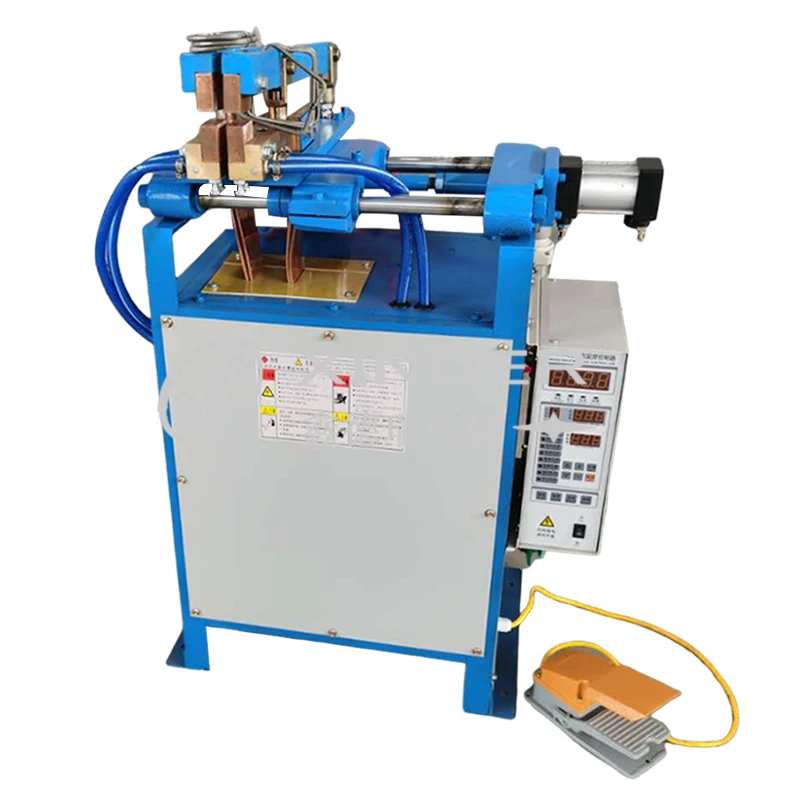 Pneumatic Handle Welding MachineSep . 13, 2024
 -
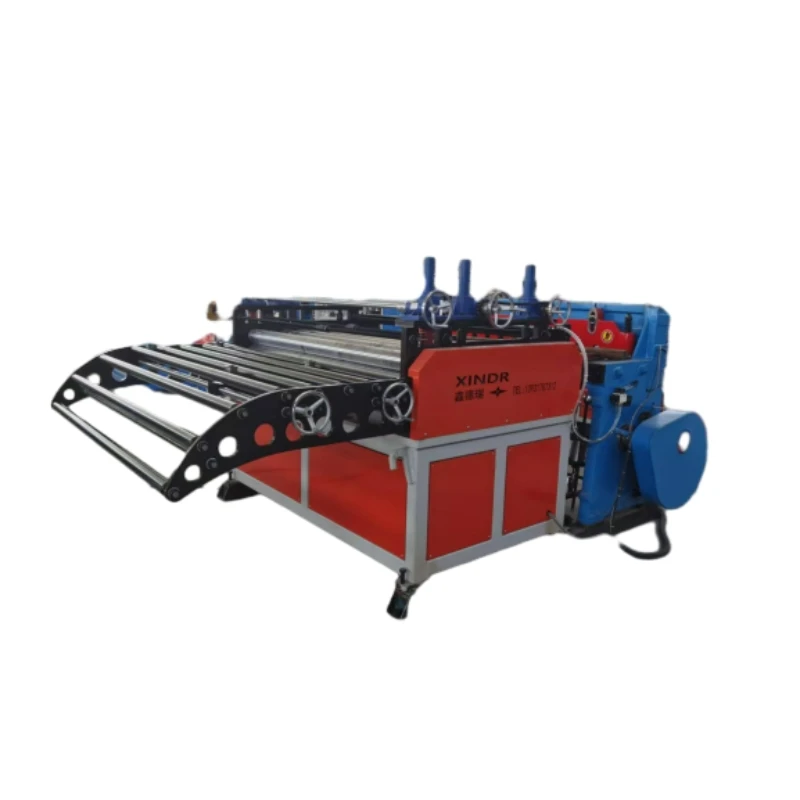 Fully Automatic Kaiping Production LineOct . 17, 2024
 -
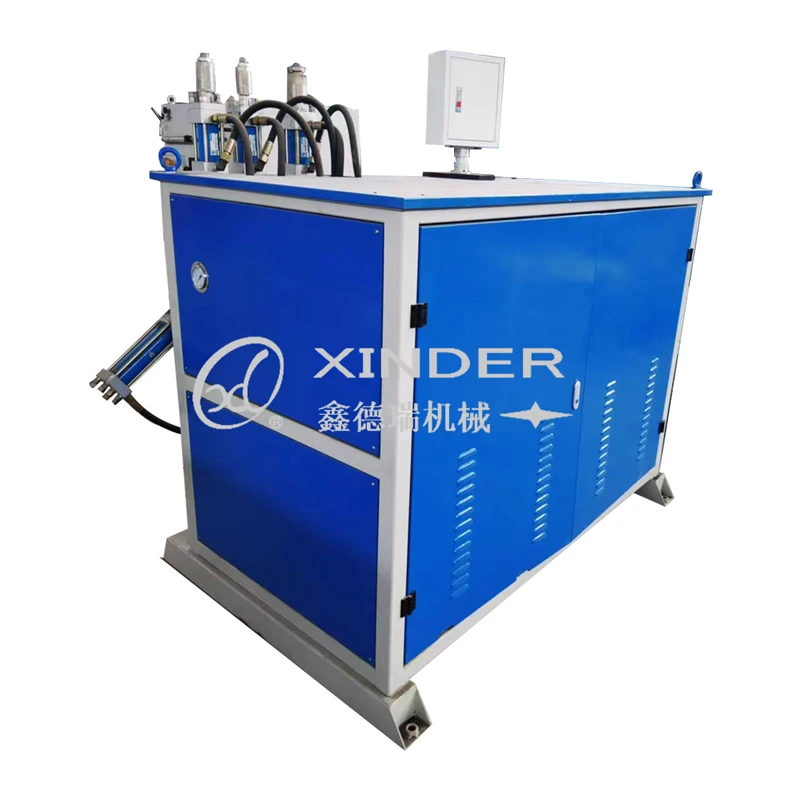 Fully Automatic Metal Bucket Lifting HeadphonesSep . 14, 2024