-
 8613931787312
 -
 Botou Industrial Zone on the east side of National Highway 104, Botou City, Hebei Province


Understanding the Functionality and Benefits of a Vertical Bending Machine
Understanding the Capabilities of a Vertical Bending Machine
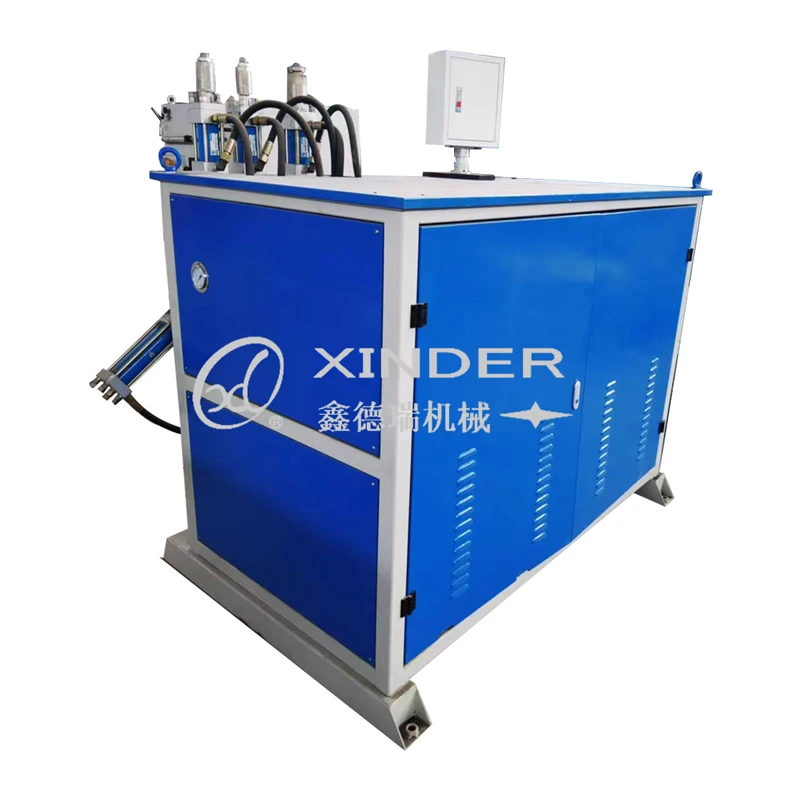
In the realm of metal fabrication, efficiency and precision are paramount. A vertical bending machine stands as a cornerstone of modern manufacturing, enabling the creation of complex shapes with remarkable accuracy. This article explores the functionality, applications, benefits, and key considerations when investing in a vertical bending machine. Whether you’re involved in automotive, construction, or appliance manufacturing, understanding these machines is crucial for optimizing your production processes. XDR Machinery is a trusted provider of high-quality vertical bending machines, offering solutions for diverse metalworking needs.
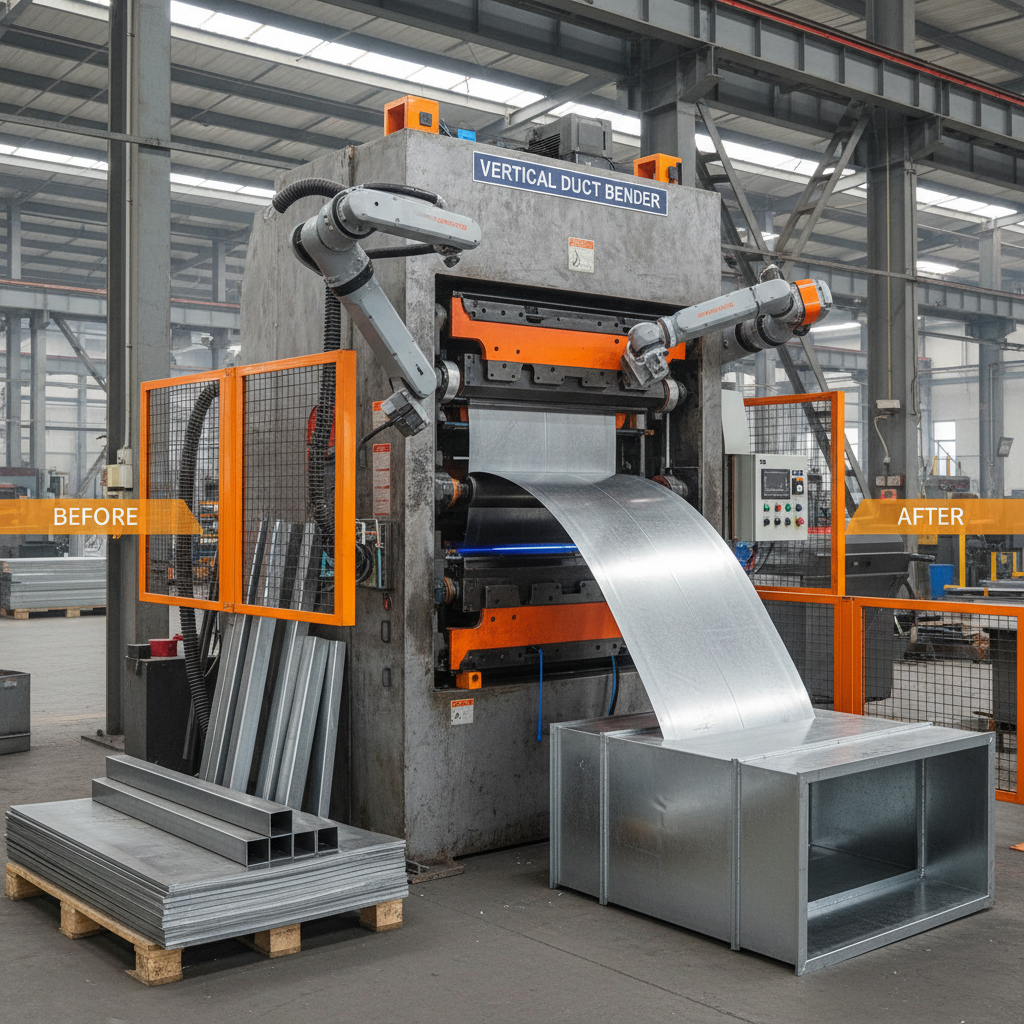
How Does a Vertical Bending Machine Work?
Unlike traditional horizontal bending machines, a vertical bending machine operates with the metal sheet positioned vertically. The machine utilizes a punch and die system, often powered by hydraulic or electric motors, to precisely bend the metal along a defined line. The sheet is clamped securely in place, and the bending process is controlled by sophisticated software, allowing for repeatability and accuracy. The key advantage lies in its ability to handle larger sheets and produce complex bends with minimal distortion. This precision and control are vital for producing high-quality components consistently.
Applications of Vertical Bending Machines
The versatility of a vertical bending machine extends across numerous industries. In the automotive sector, they are crucial for manufacturing car body panels and structural components. The construction industry leverages them for creating brackets, supports, and architectural elements. Appliance manufacturers utilize them for producing casings and internal components. Furthermore, they find applications in the aerospace, electronics, and HVAC industries, enabling the fabrication of complex metal parts with intricate designs. Their ability to efficiently handle various materials and thicknesses makes them indispensable in modern manufacturing.
Key Industries Utilizing Vertical Bending Machines: Automotive, Construction, Appliance Manufacturing, Aerospace, Electronics, HVAC.
Vertical Bending Machine vs. Horizontal Bending Machine: A Comparative Analysis
Choosing between a vertical and horizontal bending machine depends on your specific needs. Vertical machines excel at handling larger sheets and performing complex bends with greater accuracy, while horizontal machines are typically more suitable for smaller, simpler bends. Vertical machines often require less floor space and offer better visibility of the bending process. Horizontal machines might be more cost-effective for low-volume production. Understanding these differences is vital for making an informed investment. XDR Machinery can provide expert guidance to help you determine the best solution for your manufacturing requirements.
Key Considerations When Purchasing a Vertical Bending Machine
Selecting the right vertical bending machine requires careful consideration. Factors such as bending capacity (material thickness and length), bending angle, automation level, and available power supply are crucial. The type of material you’ll be bending – steel, aluminum, stainless steel – will also influence your choice. Consider the long-term maintenance requirements and the availability of spare parts. Partnering with a reputable supplier like XDR Machinery ensures you receive a reliable machine and ongoing support.
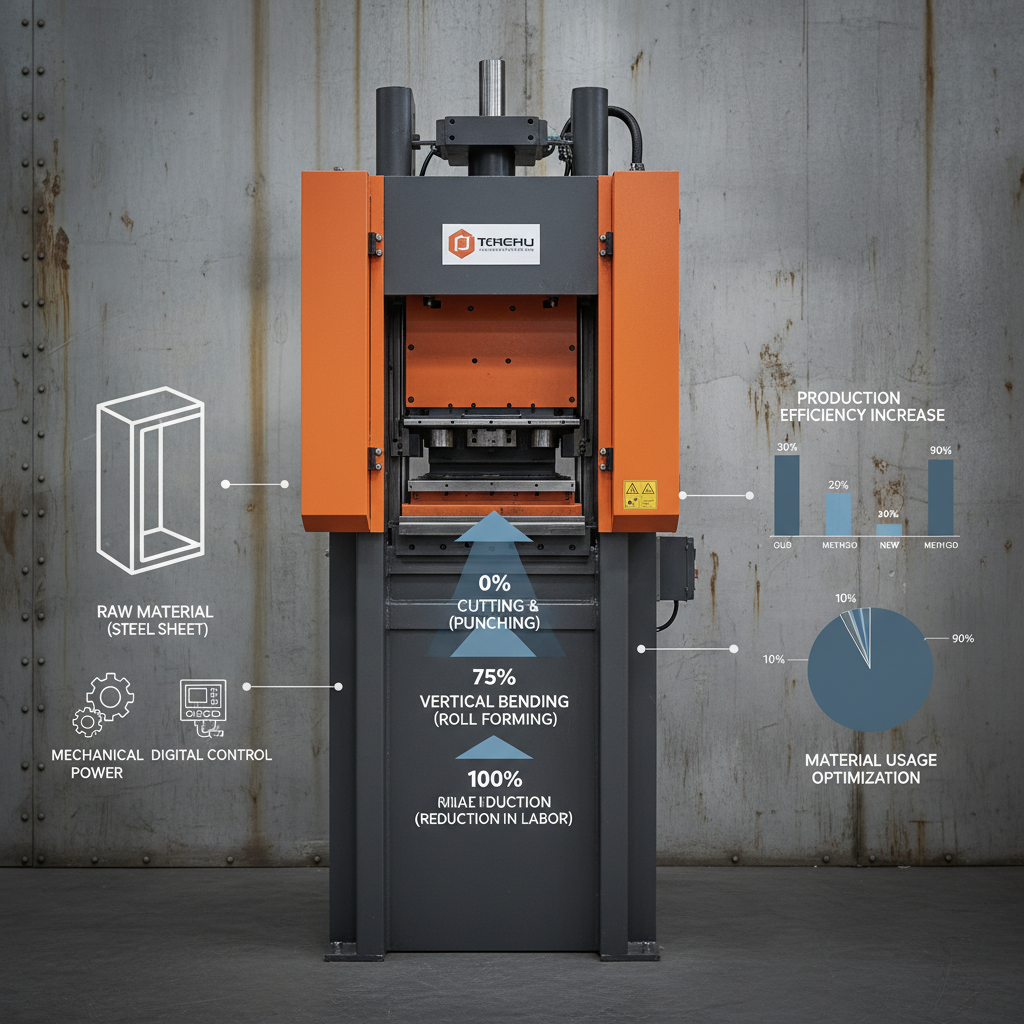
Investing in a Vertical Bending Machine: A Strategic Decision
Investing in a vertical bending machine is a strategic decision that can significantly enhance your manufacturing capabilities. Increased efficiency, improved precision, and reduced labor costs all contribute to a higher return on investment. By streamlining your bending processes, you can accelerate production, meet demanding deadlines, and gain a competitive edge in the market. XDR Machinery offers a range of vertical bending machines to suit various budgets and production requirements.
Conclusion: Elevate Your Metal Fabrication with a Vertical Bending Machine
A vertical bending machine represents a powerful solution for modern metal fabrication. Its precision, versatility, and efficiency make it an indispensable asset for businesses across diverse industries. By carefully evaluating your needs and partnering with a trusted supplier like XDR Machinery, you can unlock the full potential of this technology and elevate your manufacturing processes.
Frequently Asked Questions (FAQs)
What materials can a vertical bending machine process?
Vertical bending machines are incredibly versatile and can process a wide range of materials, including mild steel, stainless steel, aluminum, copper, and brass. The specific material thickness and type will depend on the machine's capacity and the tooling used. XDR Machinery offers machines capable of handling diverse materials and thicknesses. Proper tooling selection is critical for achieving optimal bending results without damaging the material.
What level of automation is available in vertical bending machines?
Vertical bending machines are available with varying levels of automation, ranging from manual operation to fully automatic CNC control. Manual machines require the operator to manually control the bending process, while CNC machines utilize pre-programmed instructions for precise and repeatable bends. Semi-automatic machines offer a blend of manual and automated features. The level of automation you choose will depend on your production volume, complexity of bends, and budget.
What is the typical power requirement for a vertical bending machine?
The power requirement for a vertical bending machine varies depending on its size and capacity. Smaller machines may require a standard 220V single-phase power supply, while larger, more powerful machines typically require a 380V three-phase power supply. It's crucial to verify the specific power requirements of the machine before installation to ensure compatibility with your facility's electrical system. XDR Machinery provides detailed specifications for each machine, including power requirements.
What maintenance is required for a vertical bending machine?
Regular maintenance is essential for ensuring the longevity and optimal performance of a vertical bending machine. This includes lubricating moving parts, inspecting and replacing worn tooling, checking hydraulic fluid levels, and cleaning the machine. Following the manufacturer's recommended maintenance schedule is crucial. XDR Machinery provides comprehensive maintenance manuals and support to help you keep your machine in top condition.
-
Guide to Spartan Steel Bending Machine Price and Cost FactorsNewsApr.16,2026
-
Analyzing the Spartan Bending Machine Price and Buyer GuideNewsApr.09,2026
-
Understanding Small Bending Machine Price and Choosing the Right OptionNewsApr.07,2026
-
Comprehensive Guide to Sheet Metal Bending Machine Price and SelectionNewsApr.04,2026
-
Comprehensive Guide to Roofing Sheet Bending Machine Price and SelectionNewsMar.31,2026
-
Comprehensive Guide to Profile Bending Machine Price and SelectionNewsMar.28,2026
-
Comprehensive Guide to Press Bending Machine Price and Purchasing ConsiderationsNewsMar.26,2026
-
 Pneumatic Handle Welding MachineSep . 13, 2024
 -
 Fully Automatic Kaiping Production LineOct . 17, 2024
 -
 Fully Automatic Metal Bucket Lifting HeadphonesSep . 14, 2024