-
 8613931787312
 -
 Botou Industrial Zone on the east side of National Highway 104, Botou City, Hebei Province


Seam Welding Technology in Seam Welding Machines
The formation of seam weld joints is fundamentally similar to that of spot welding, as both rely on the creation of weld nuggets through resistance heating. As a result, many of the same process parameters affect the weld quality in seam welding. The key factors include:
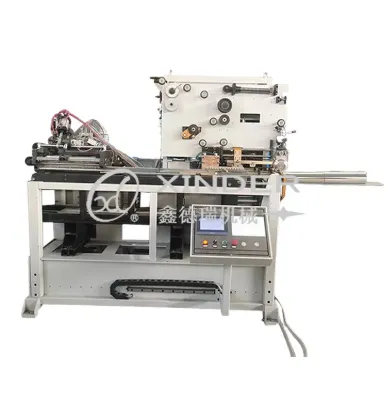
Welding Current: Sufficient current is necessary to generate the required heat for proper fusion. Too low a current results in weak welds, while excessive current can cause burn-through or deformation.
Electrode Pressure: The pressure applied by the roller electrodes affects both electrical contact and material flow. Insufficient pressure may lead to poor nugget formation, whereas excessive pressure may reduce resistance heating.
Welding Time and Dwell Time: The duration of current flow and pauses between pulses determine the cooling period between weld nuggets. Proper control ensures consistent nugget overlap and weld continuity.
Welding Speed: Faster speeds reduce heat input and can lead to discontinuities, while slower speeds may overheat the material or electrodes.
Electrode Wheel Diameter: Larger wheels reduce current density and cooling efficiency. Choosing the right diameter is essential for process stability and longevity.
Seam Welding Process in Operation
In seam welding machines the process is performed with rotating disc electrodes that apply both pressure and current to the overlapping metal sheets. As the sheets move through the welding station, a series of overlapping weld nuggets is formed. The seam can be either continuous or intermittent, depending on how the current is applied (pulsed or steady).
Modern seam welders use programmable controllers to manage welding parameters in real time, optimizing consistency and minimizing defects. Proper alignment of workpieces and synchronization between welding current and electrode movement are crucial for achieving a high-quality, leak-proof seam.
Key Considerations for Seam Welding Performance
To ensure the best welding results, the following practices are recommended:
Material Surface Preparation: Clean, oxide-free surfaces improve electrical conductivity and reduce defects.
Cooling System Efficiency: Continuous welding generates heat in the electrodes; effective water cooling is critical to maintain electrode shape and performance.
Monitoring and Maintenance: Regular inspection of electrodes, current delivery systems, and machine calibration helps prevent process drift and ensures long-term reliability.
Parameter Optimization: Tailoring the welding current, pressure, and speed to the specific material and thickness being welded is essential for achieving uniform weld quality.
-
Guide to Spartan Steel Bending Machine Price and Cost FactorsNewsApr.16,2026
-
Analyzing the Spartan Bending Machine Price and Buyer GuideNewsApr.09,2026
-
Understanding Small Bending Machine Price and Choosing the Right OptionNewsApr.07,2026
-
Comprehensive Guide to Sheet Metal Bending Machine Price and SelectionNewsApr.04,2026
-
Comprehensive Guide to Roofing Sheet Bending Machine Price and SelectionNewsMar.31,2026
-
Comprehensive Guide to Profile Bending Machine Price and SelectionNewsMar.28,2026
-
Comprehensive Guide to Press Bending Machine Price and Purchasing ConsiderationsNewsMar.26,2026
-
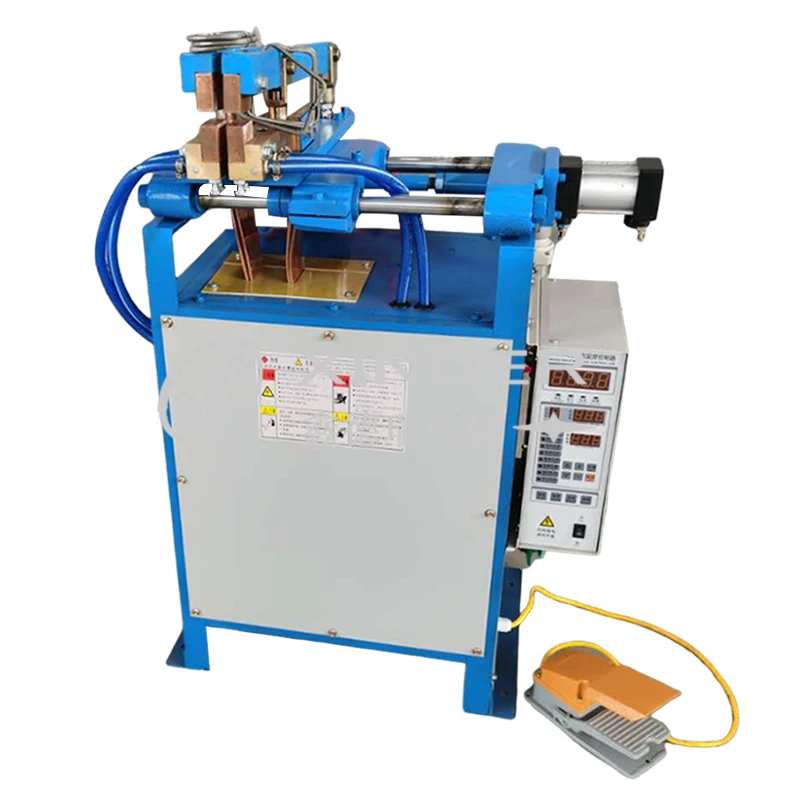 Pneumatic Handle Welding MachineSep . 13, 2024
 -
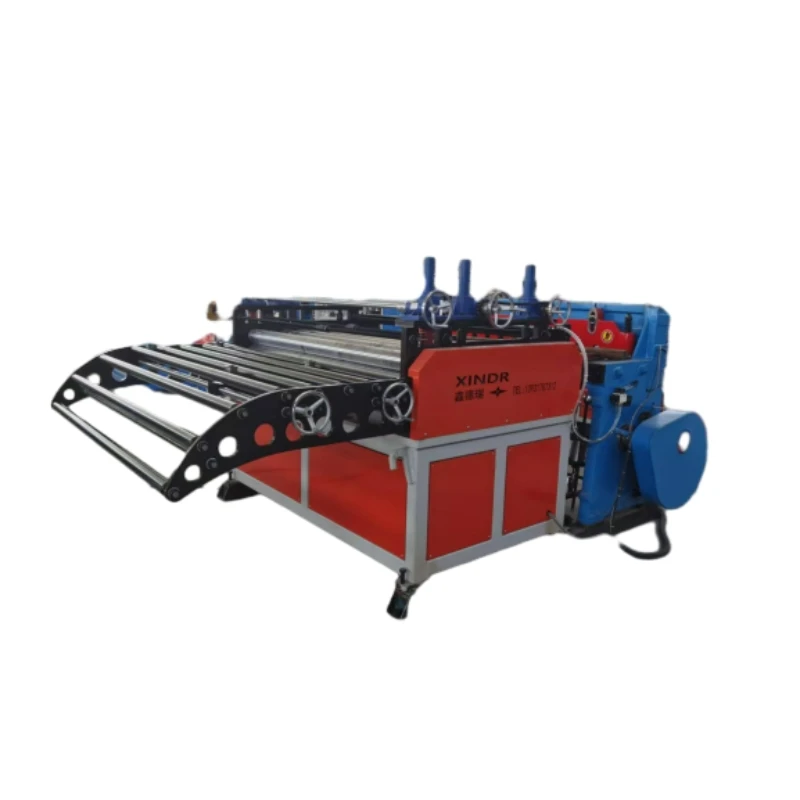 Fully Automatic Kaiping Production LineOct . 17, 2024
 -
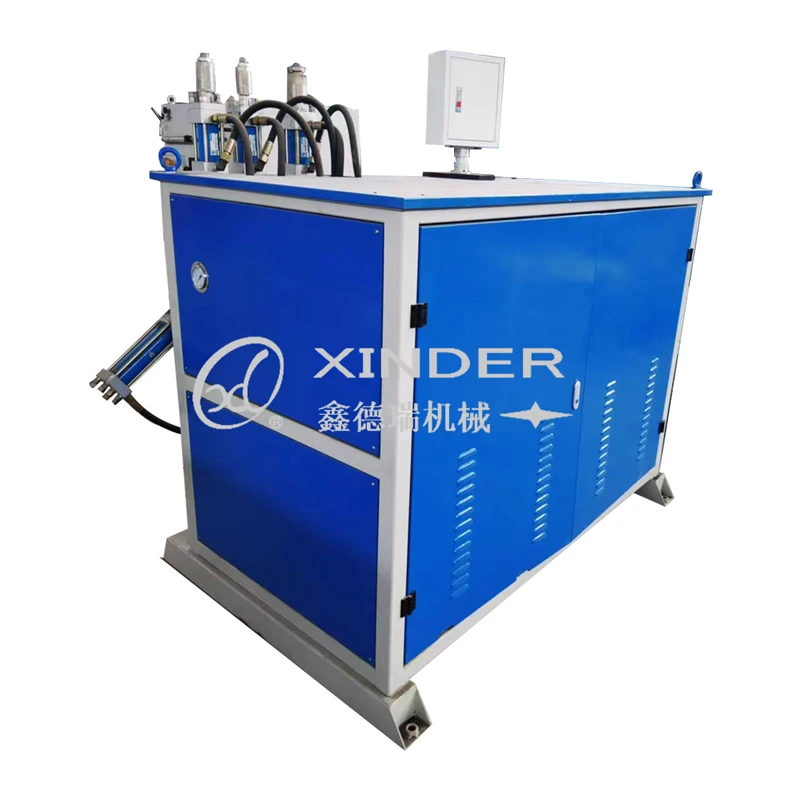 Fully Automatic Metal Bucket Lifting HeadphonesSep . 14, 2024