-
 8613931787312
 -
 Botou Industrial Zone on the east side of National Highway 104, Botou City, Hebei Province


Stainless Steel Kettle Production Line | Automated & Precise
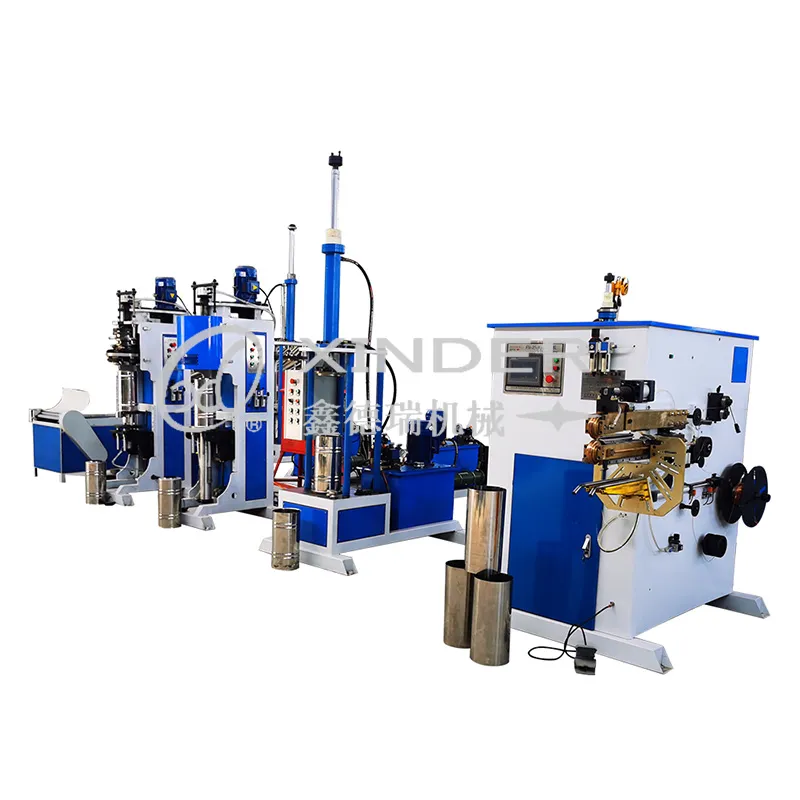
Inside the Modern Stainless Steel Kettle Production Line
I spent a day in Botou Industrial Zone—east side of National Highway 104, Botou City, Hebei—and, to be honest, the first thing you notice is rhythm. Sheet coils glide in, kettles roll out. It’s not flashy; it’s methodical. That’s the appeal. Many customers say they don’t want “automation showpieces,” they want uptime and repeatability. Same here.
What’s driving demand right now
Three trends keep popping up: faster SKU turnover (0.8–2.0 L bodies, different spouts and finishes), tighter compliance for food-contact metals, and a quiet shift from manual welding to laser or TIG cells for cosmetic consistency. Energy monitoring is another one—surprisingly effective for cost control when annealing is involved.
Process flow (real factory version)
Coil slitting → blanking → deep drawing (body/lid) → trimming/flanging → intermediate annealing → pickling & passivation → CNC spout & outlet punching → necking/beading → TIG/laser seam welding → leak & pressure test → mechanical & mirror polishing (Ra ≈ 0.2–0.4 μm) → ultrasonic cleaning → final inspection (AQL 0.65–1.0) → packaging. Materials are typically SS 304/316L sheet per ASTM A240 or EN 10088; weld procedures qualified to ISO 3834. Service life of a well-maintained line? Around 8–12 years, real-world use may vary with shifts and tool steel care.
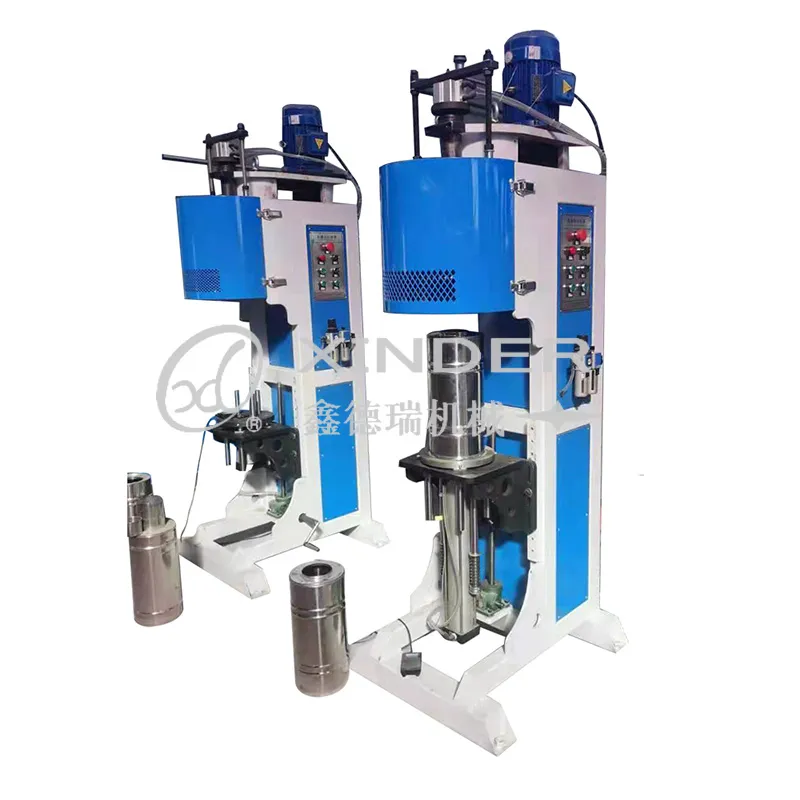
Technical specifications (typical)
| Material Range | SS 304/316L, 0.5–1.0 mm sheet (ASTM A240 / EN 10088) |
| Throughput | ≈ 12–20 kettles/min (body), SKU-dependent |
| Welding | TIG, laser welding cells, resistance spot (handles/lids) |
| Yield Rate | ≥ 98.5% after ramp-up, incoming material quality sensitive |
| Electrical & Safety | EN 60204-1 wiring; CE Machinery Directive; E-stops, light curtains |
| Finish Quality | Brushed #4 / mirror; Ra ≈ 0.2–0.4 μm (ISO 4287) |
| Test Bench | Helium or air leak test to ≤ 1×10⁻³ mbar·L/s; drop test per in-house spec |
Applications, industries, and compliance
The Stainless Steel Kettle Production Line serves small appliance OEMs, cookware manufacturers, and private-label brands. Food-contact safety aligns with GB 4806.9 (China) and equivalent EU guidance; quality systems usually certified ISO 9001. For buyers in NA/EU, check documentation packs: material certificates (heat numbers), weld logs, CE declaration of conformity, and electrical schematics.
Advantages we actually see on the shop floor
-
- Stable deep drawing with servo control reduces orange peel on 316L.
- Quick-change tooling (≈ 20–30 min) for 1.0 L vs 1.7 L bodies.
- Closed-loop leak testers cut rework by around 35%, according to one customer.
- Energy tracking on annealing furnaces saves 5–8%/month, depending on shift discipline.
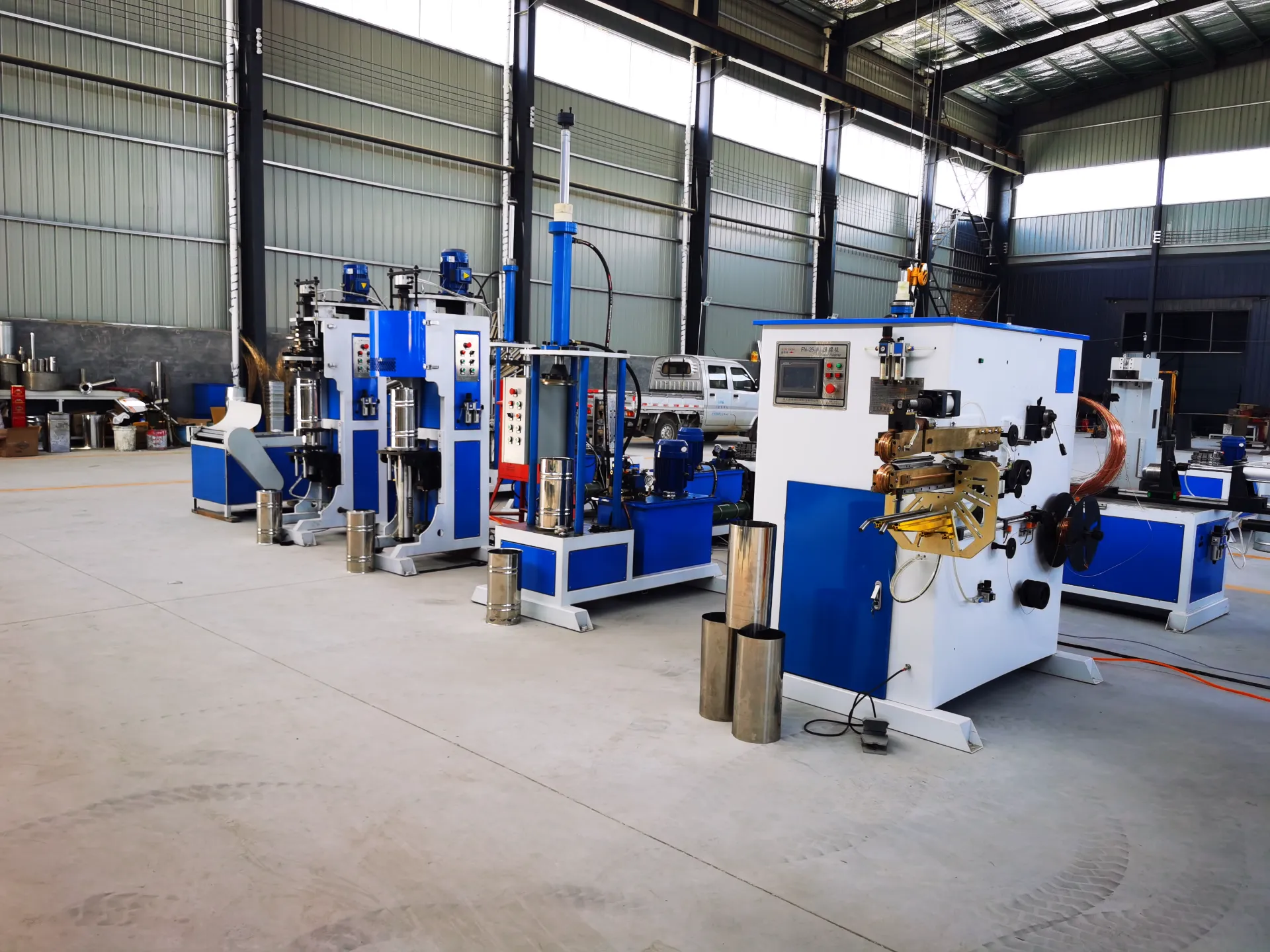
Vendor comparison (simplified)
| Feature | XDR (Botou) | Typical Alternative |
|---|---|---|
| Automation Depth | Modular: manual→semi→full; upgradeable | Fixed level; retrofits costlier |
| Changeover Time | ≈ 20–30 min with guided presets | ≈ 40–60 min (varies) |
| Finish Consistency | TIG/laser cosmetic controls, teach files | Manual tuning, more drift |
| Compliance Pack | CE, ISO 9001, material traceability | Basic CE only |
Customization options
Tooling sets for 0.8–2.0 L; spout styles (gooseneck, classic); planet or belt polishers; single or dual annealing; in-line vision scratch detection; PLC brand selection (Siemens/Mitsubishi); and even footprint tweaks for tight plants. I guess the best payoff tends to be laser welding for premium finishes.
Case notes and feedback
Case A (EU OEM): Switched from manual TIG to laser cells and saw cosmetic rejects drop from 3.2% to 0.7% over 6 weeks; energy use fell ≈ 6% with furnace tuning.
Case B (SEA brand): Two-shift operation, 15 kettles/min. After SPC training, leak failures stabilized at 0.2% AQL. “It seems that tooling repeatability is the secret,” their engineer said.
Testing standards and data points
-
- Materials per ASTM A240 / EN 10088, with heat-number traceability.
- Safety and electrical: ISO 12100 risk assessment, EN 60204-1 wiring, CE MD 2006/42/EC.
- Food-contact guidance: GB 4806.9-2016 for metal materials in contact with food.
- Weld quality framework: ISO 3834. Typical leak rate limit ≤ 1×10⁻³ mbar·L/s.
Origin note: built and supported from Botou Industrial Zone, east side of National Highway 104, Botou City, Hebei Province—service team is local, which matters when you need a die reground on a Monday morning.
References
- ASTM A240: Standard Specification for Chromium and Chromium-Nickel Stainless Steel Plate, Sheet, and Strip.
- ISO 12100: Safety of machinery—Risk assessment and risk reduction.
- EN 60204-1: Safety of machinery—Electrical equipment of machines.
- Directive 2006/42/EC: Machinery Directive (CE Conformity).
- GB 4806.9-2016: National food safety standard—Metal materials and products in contact with food.
- ISO 3834: Quality requirements for fusion welding of metallic materials.
-
Guide to Spartan Steel Bending Machine Price and Cost FactorsNewsApr.16,2026
-
Analyzing the Spartan Bending Machine Price and Buyer GuideNewsApr.09,2026
-
Understanding Small Bending Machine Price and Choosing the Right OptionNewsApr.07,2026
-
Comprehensive Guide to Sheet Metal Bending Machine Price and SelectionNewsApr.04,2026
-
Comprehensive Guide to Roofing Sheet Bending Machine Price and SelectionNewsMar.31,2026
-
Comprehensive Guide to Profile Bending Machine Price and SelectionNewsMar.28,2026
-
Comprehensive Guide to Press Bending Machine Price and Purchasing ConsiderationsNewsMar.26,2026
-
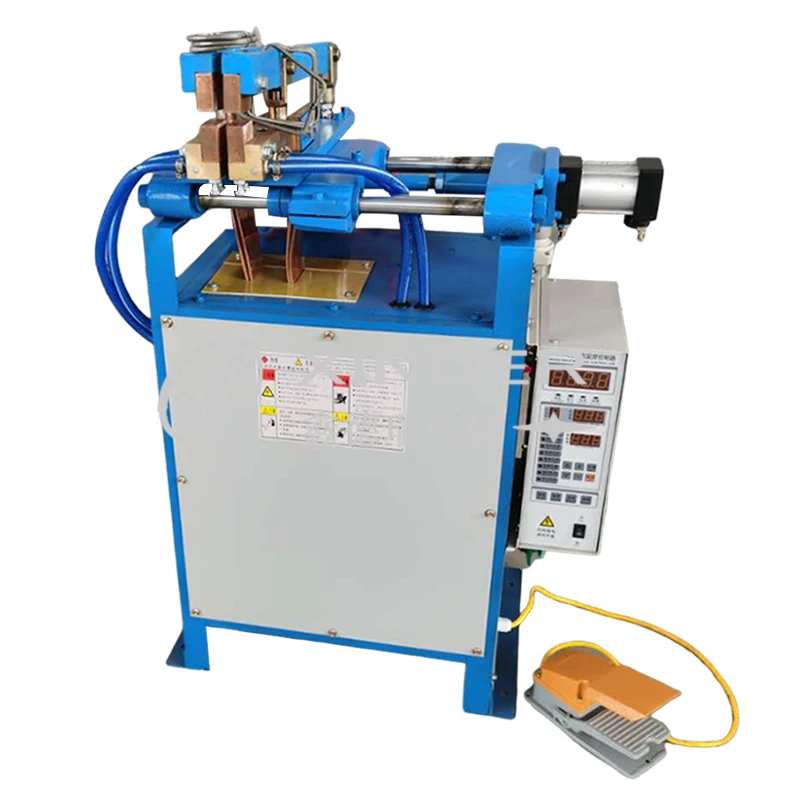 Pneumatic Handle Welding MachineSep . 13, 2024
 -
 Fully Automatic Kaiping Production LineOct . 17, 2024
 -
 Fully Automatic Metal Bucket Lifting HeadphonesSep . 14, 2024