-
 8613931787312
 -
 Botou Industrial Zone on the east side of National Highway 104, Botou City, Hebei Province


Precision and Power: The Rise of Laser Welding Machines in Modern Manufacturing
In today's fast-paced industrial world, precision, efficiency, and reliability are critical factors in metal fabrication. Among the many technological advancements, the laser welding machine stands out as a game-changer in the welding industry. With increasing demand for cleaner, faster, and stronger welds, industries across the globe are shifting toward metal laser welding machines to gain a competitive edge.
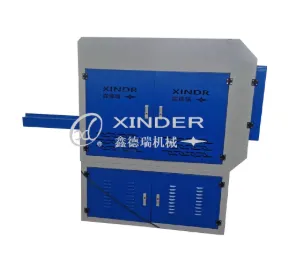
This article explores how laser welders work, why they're ideal for steel and other metals, and how different types of steel laser welding machines are transforming production environments.
What is a Laser Welding Machine?
A laser welding machine is a high-precision device that uses a focused laser beam to join pieces of metal together. Unlike traditional welding methods that rely on an electrical arc or filler materials, laser welders use intense light energy to create a clean, narrow weld with minimal heat-affected zones.
These machines are commonly used in:
Automotive manufacturing
Aerospace engineering
Medical device production
Electronics and micro-welding
Precision tool fabrication
Because laser welders offer high-speed operation, deep penetration, and reduced distortion, they are ideal for both thin and thick materials.
Key Features:
High-speed, contactless operation
Suitable for delicate or high-precision components
Capable of continuous or pulse welding
Easily integrated into automated production lines
Whether for manual or robotic operation, a laser welding machine ensures consistent results with excellent aesthetic and structural quality.
Steel Laser Welding Machines: Efficiency Meets Strength
Steel remains one of the most commonly welded materials in industrial settings due to its strength and affordability. However, welding steel—especially stainless or high-carbon varieties—requires a process that can handle high melting points and maintain structural integrity. That’s where the steel laser welding machine excels.
Creates strong, clean joints with minimal spatter
Low thermal input reduces warping or distortion
Excellent for spot welding and continuous seam welding
Easily welds dissimilar thicknesses and alloyed steels
Modern steel laser welding machines are also capable of welding galvanized, carbon, and stainless steel—all without compromising joint quality. These machines are widely used in the production of car bodies, steel cabinets, frames, and pipes.
Some models include real-time monitoring systems that adjust beam parameters mid-process, ensuring consistent welds across different steel grades. This makes the steel laser welding machine an essential tool for industries that value strength and speed.
The Versatility of Metal Laser Welding Machines
The term metal laser welding machine encompasses a broad category of equipment designed to handle various metals, including steel, aluminum, titanium, copper, and nickel alloys. These machines are used in everything from heavy machinery to jewelry-making.
Types of Metal Laser Welding Machines:
Fiber laser welding machines: Popular for high-speed industrial welding
CO₂ laser welders: Ideal for non-metallic surfaces and thicker materials
Nd:YAG laser welders: Great for precision welding of reflective metals
Each type has unique strengths. For instance, fiber metal laser welding machines are highly energy-efficient and ideal for reflective metals like aluminum and copper, while Nd:YAG machines provide exceptional precision in micro-welding applications.
Benefits Across Industries:
Seamless integration with robotic arms and CNC systems
Compatible with automation software for production scaling
Reduced post-welding processing (grinding, cleaning, etc.)
Improved overall product appearance and structural reliability
Using a metal laser welding machine also supports lean manufacturing principles, as it minimizes material waste, energy consumption, and production time.
Why the Future Belongs to Laser Welders
As manufacturing evolves, so must the technologies we rely on. The laser welding machine is no longer just a tool for high-end industries—it's becoming a standard in modern fabrication shops. Whether you need to weld precision electronics or thick structural components, a laser welder offers unmatched accuracy, cleanliness, and strength.
From the specialized steel laser welding machine to all-purpose metal laser welding machines, the transition from traditional welding to laser systems is not only beneficial—it's inevitable. Companies that invest in these tools today are setting themselves up for higher efficiency, better product quality, and long-term growth in tomorrow's manufacturing landscape.
-
Guide to Spartan Steel Bending Machine Price and Cost FactorsNewsApr.16,2026
-
Analyzing the Spartan Bending Machine Price and Buyer GuideNewsApr.09,2026
-
Understanding Small Bending Machine Price and Choosing the Right OptionNewsApr.07,2026
-
Comprehensive Guide to Sheet Metal Bending Machine Price and SelectionNewsApr.04,2026
-
Comprehensive Guide to Roofing Sheet Bending Machine Price and SelectionNewsMar.31,2026
-
Comprehensive Guide to Profile Bending Machine Price and SelectionNewsMar.28,2026
-
Comprehensive Guide to Press Bending Machine Price and Purchasing ConsiderationsNewsMar.26,2026
-
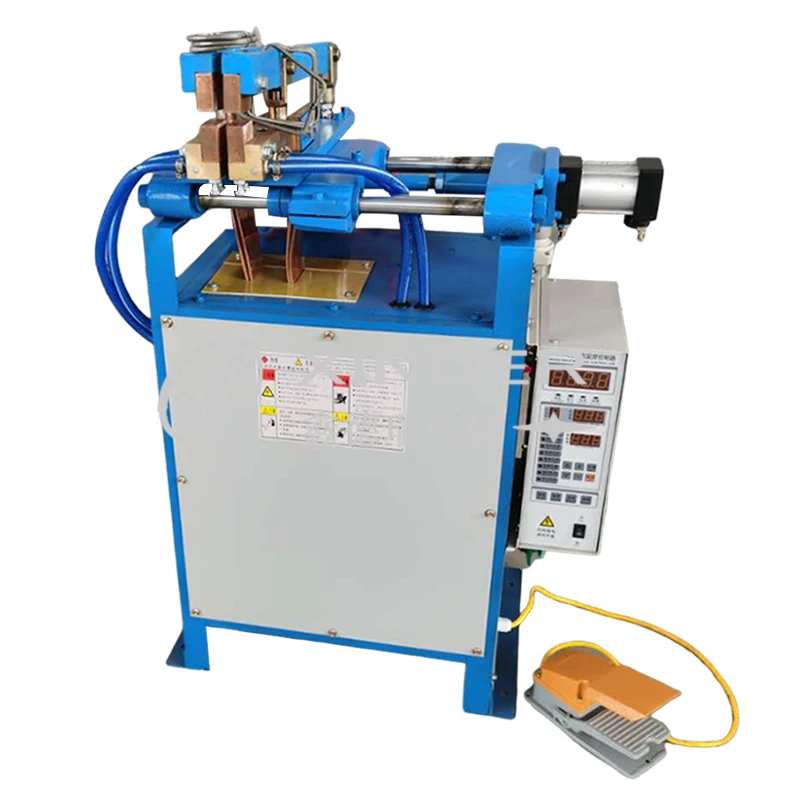 Pneumatic Handle Welding MachineSep . 13, 2024
 -
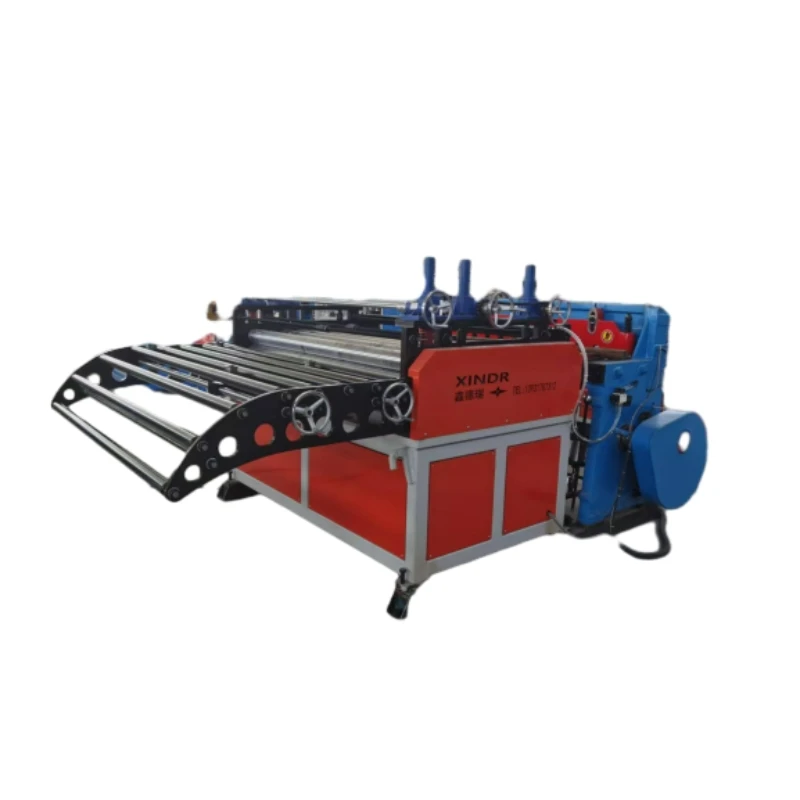 Fully Automatic Kaiping Production LineOct . 17, 2024
 -
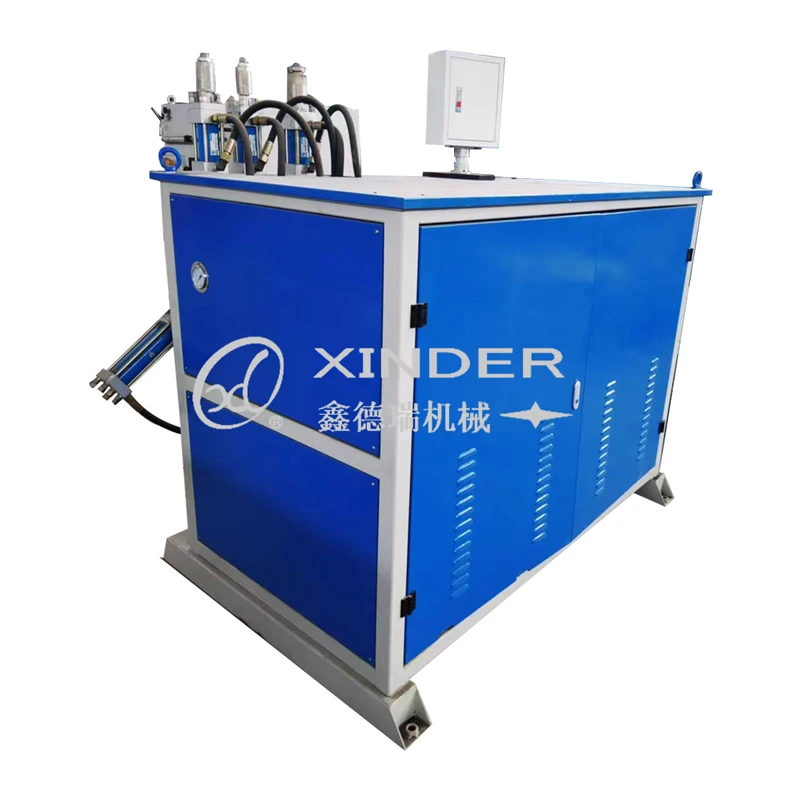 Fully Automatic Metal Bucket Lifting HeadphonesSep . 14, 2024