-
 8613931787312
 -
 Botou Industrial Zone on the east side of National Highway 104, Botou City, Hebei Province


Comprehensive Guide to Plate Bending Machine Price and Optimal Selection
Understanding Plate Bending Machine Price and Your Options
Investing in a plate bending machine is a significant decision for any metal fabrication shop. The plate bending machine price can vary substantially based on several factors. This article will explore those factors, providing a comprehensive guide to understanding costs, features, and finding the right machine for your needs. We’ll cover different types, key considerations when budgeting, and how to ensure you're getting the best value for your investment. Choosing the correct machine can dramatically improve efficiency and expand your fabrication capabilities.
Factors Influencing Plate Bending Machine Price
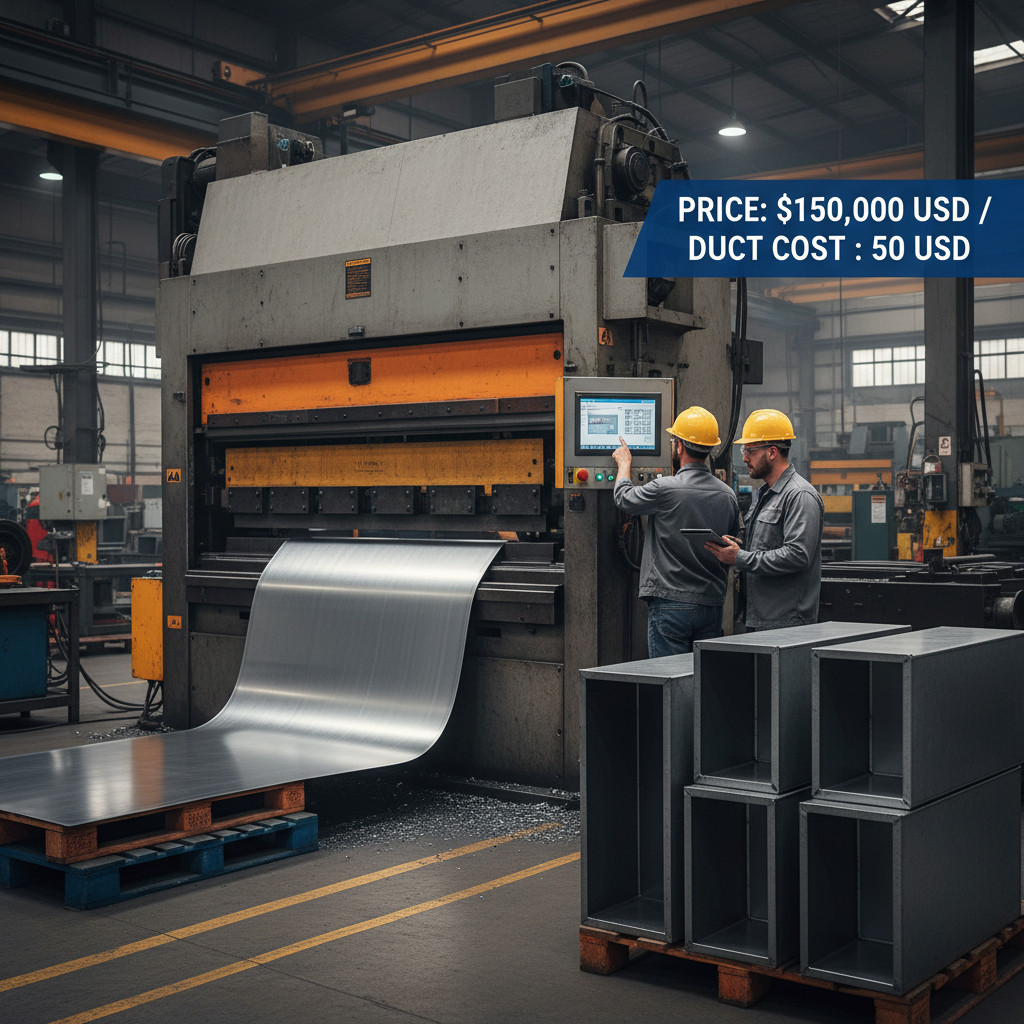
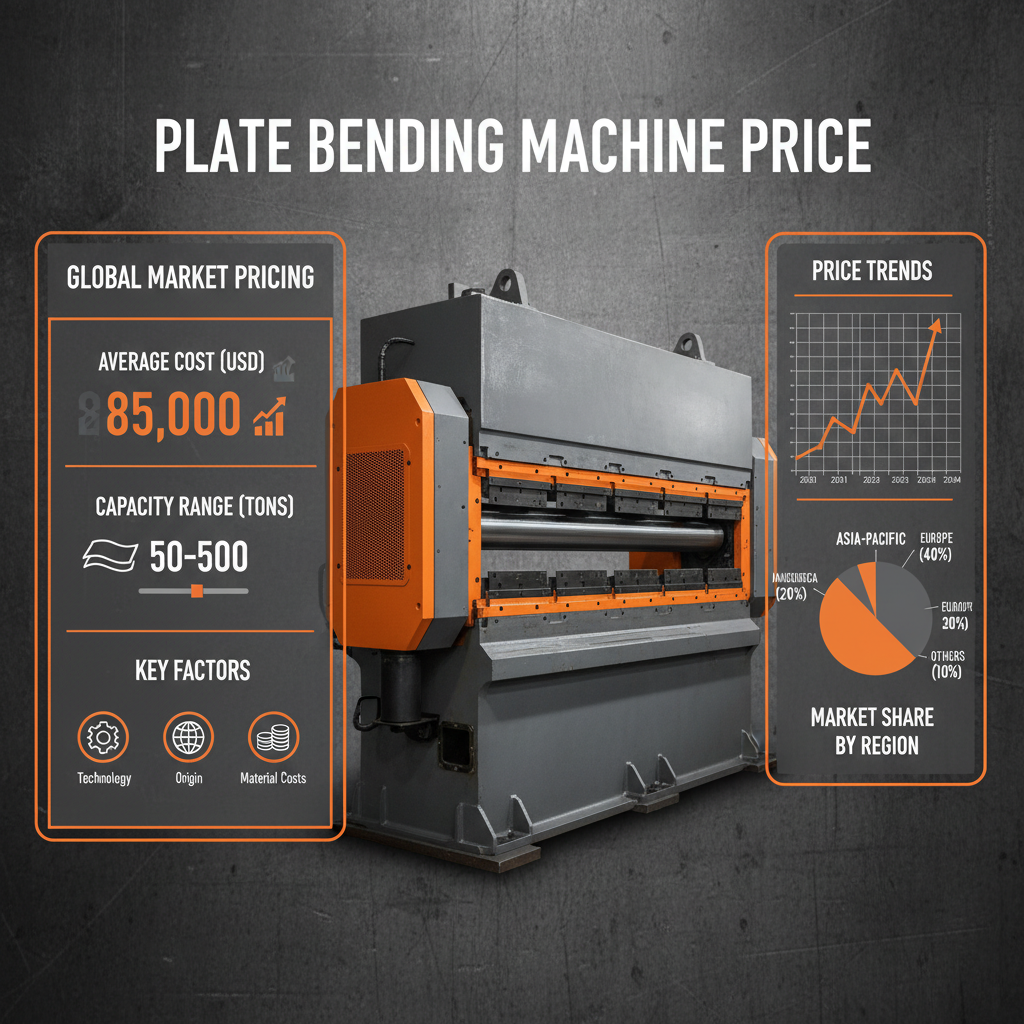
Several key factors influence the plate bending machine price. The primary driver is the machine’s capacity – the maximum thickness and length of plate it can bend. CNC (Computer Numerical Control) machines, which offer automated bending with high precision, are significantly more expensive than manual hydraulic machines. The brand reputation, build quality, and included features (like automatic crowning or back gauges) also contribute to the overall cost. Finally, the origin of the machine (e.g., China, Europe, USA) can affect pricing due to manufacturing costs and import duties.
Key Takeaways: Capacity, CNC automation, brand, build quality, and country of origin are major determinants of price. Carefully consider your needs before making a purchase.
Types of Plate Bending Machines and Price Ranges
There are several types of plate bending machines, each with a different price point. Manual hydraulic machines are the most affordable, typically ranging from $5,000 to $20,000. Electro-hydraulic machines, offering more control and precision, generally cost between $15,000 and $40,000. CNC plate bending machines are the most expensive, with prices ranging from $40,000 to over $100,000 depending on the capacity, features, and automation level. Section bending machines, designed for bending pipes and profiles, have a separate price range, typically between $8,000 and $30,000.
Plate Bending Machine Types & Price Ranges:
• Manual Hydraulic: $5,000 - $20,000
• Electro-Hydraulic: $15,000 - $40,000
• CNC Plate Bending: $40,000 - $100,000+
• Section Bending: $8,000 - $30,000
CNC vs. Manual: A Cost-Benefit Analysis
Choosing between a CNC and manual plate bending machine involves carefully weighing the costs and benefits. While manual machines have a lower upfront plate bending machine price, CNC machines offer significantly increased efficiency, precision, and repeatability. CNC machines reduce labor costs, minimize material waste, and are capable of producing complex bends that are difficult or impossible to achieve manually. Over the long term, the increased productivity of a CNC machine can often offset the higher initial investment.
Factors Beyond Price: Total Cost of Ownership
Don’t solely focus on the initial plate bending machine price. Consider the total cost of ownership, which includes maintenance, tooling, training, and potential downtime. Reputable manufacturers like XDR Machinery often provide comprehensive support and readily available spare parts, reducing long-term costs. Factor in the cost of electricity and any necessary facility modifications to accommodate the machine.
Where to Find Competitive Pricing and Reliable Suppliers
Sourcing a plate bending machine requires due diligence. Online marketplaces, industry trade shows, and direct contact with manufacturers are all viable options. XDR Machinery offers a wide range of plate bending machines at competitive prices, backed by excellent customer service and technical support. Always request detailed quotes, compare specifications, and check customer reviews before making a final decision.
Conclusion: Making an Informed Investment
Understanding the factors that influence plate bending machine price is crucial for making a sound investment. By carefully assessing your needs, comparing different types of machines, and considering the total cost of ownership, you can find the perfect solution to enhance your metal fabrication capabilities. Don’t hesitate to consult with industry experts and request detailed quotes from reputable suppliers like XDR Machinery.
Frequently Asked Questions (FAQs)
What is the typical lead time for a plate bending machine?
Lead times can vary significantly depending on the machine type, manufacturer, and current order backlog. Generally, manual machines may have a shorter lead time of 4-8 weeks, while CNC machines can take 12-20 weeks or longer. Customized machines will naturally have longer lead times. It's crucial to inquire about lead times when requesting a quote and factor it into your production planning. Confirm delivery schedules with the supplier before placing your order.
What kind of training is usually provided with a plate bending machine?
Most reputable manufacturers, including XDR Machinery, offer comprehensive training programs for their machines. These programs can include on-site training, online tutorials, and detailed operator manuals. The training covers machine operation, safety procedures, maintenance, and troubleshooting. Proper training is essential to ensure safe and efficient operation and to maximize the lifespan of the machine. Always prioritize training for all operators.
Are financing options available for plate bending machines?
Yes, many manufacturers and suppliers offer financing options to help customers purchase plate bending machines. These options may include leasing, installment plans, or loans. Financing can make a significant investment more manageable by spreading the cost over time. It's important to compare different financing offers and choose the one that best suits your budget and financial needs. XDR Machinery can provide information on available financing solutions.
What maintenance is required for a plate bending machine?
Regular maintenance is crucial for ensuring the longevity and performance of a plate bending machine. This typically includes lubricating moving parts, checking hydraulic fluid levels, inspecting hoses and connections, and cleaning the machine regularly. Following the manufacturer's recommended maintenance schedule is essential. Preventative maintenance can help identify and address potential problems before they lead to costly repairs or downtime.
-
Guide to Spartan Steel Bending Machine Price and Cost FactorsNewsApr.16,2026
-
Analyzing the Spartan Bending Machine Price and Buyer GuideNewsApr.09,2026
-
Understanding Small Bending Machine Price and Choosing the Right OptionNewsApr.07,2026
-
Comprehensive Guide to Sheet Metal Bending Machine Price and SelectionNewsApr.04,2026
-
Comprehensive Guide to Roofing Sheet Bending Machine Price and SelectionNewsMar.31,2026
-
Comprehensive Guide to Profile Bending Machine Price and SelectionNewsMar.28,2026
-
Comprehensive Guide to Press Bending Machine Price and Purchasing ConsiderationsNewsMar.26,2026
-
 Pneumatic Handle Welding MachineSep . 13, 2024
 -
 Fully Automatic Kaiping Production LineOct . 17, 2024
 -
 Fully Automatic Metal Bucket Lifting HeadphonesSep . 14, 2024